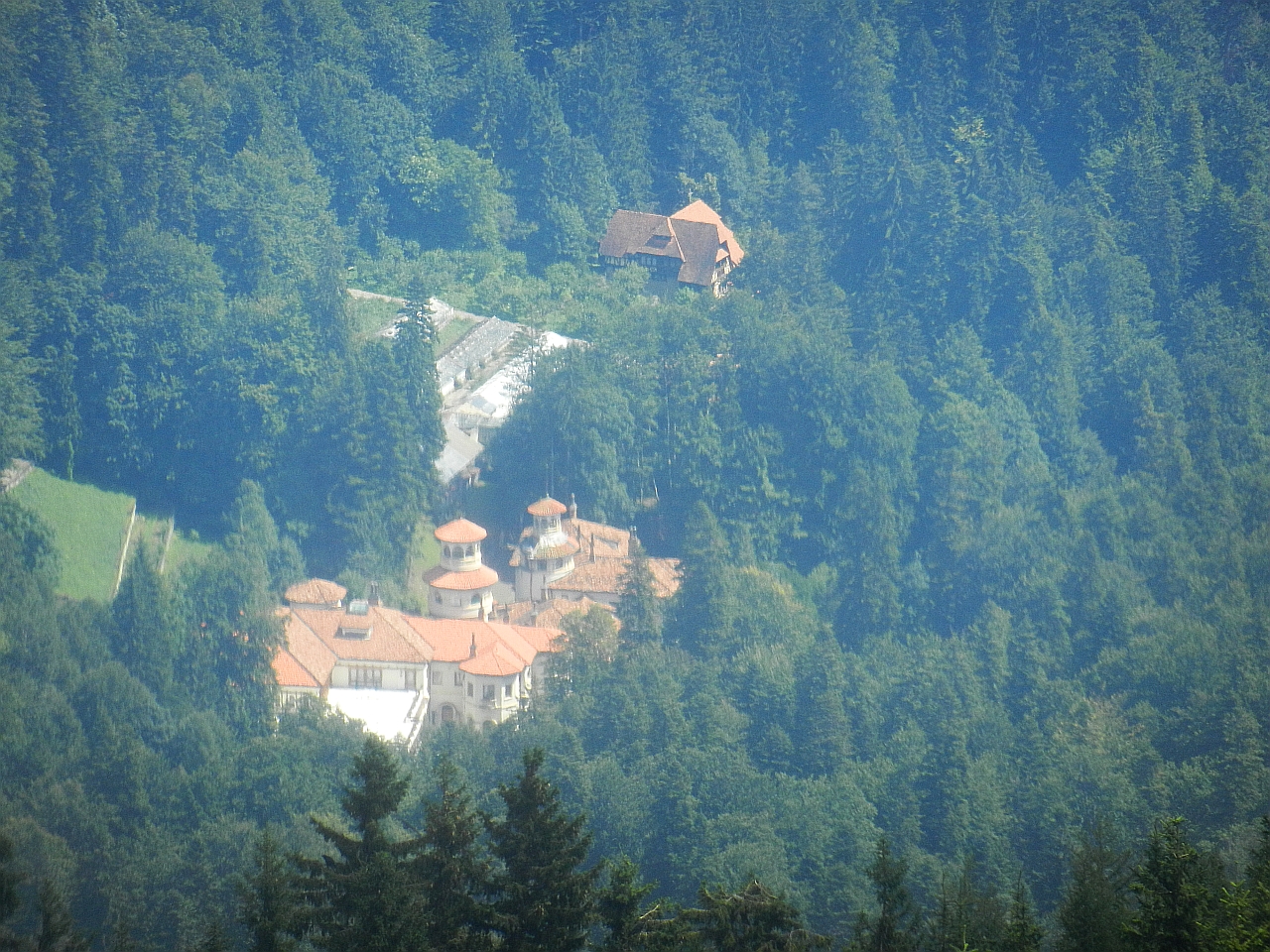
Peles Castle
Peles Castle, located in the picturesque town of Sinaia at the foot of the Bucegi Mountains in Romania, stands as a magnificent example of German Neo-Renaissance architecture. Commissioned by King Carol I of Romania in the late 19th century, it is widely regarded as one of the most beautiful castles in Europe and a symbol of Romanian royal heritage.
The castle's construction began in 1873 and was completed in 1883, initially designed as a hunting lodge and summer retreat for the Romanian royal family. The architect Johannes Schultz created a design that elegantly fused Neo-Renaissance and Gothic Revival styles, drawing inspiration from classic European castles such as Schloss Neuschwanstein in Bavaria. The castle's romantic architectural style is further enriched by Saxon influences visible in the interior courtyard facades, which feature allegorical hand-painted murals and intricate fachwerk (half-timbered) detailing reminiscent of northern European alpine architecture.
Historical background and royal significance
The idea for Peles Castle originated when King Carol I visited the Sinaia area and was captivated by the stunning natural beauty of the Carpathian Mountains. He envisioned a grand royal residence that would showcase Romania's growing status in Europe. The foundation stone was laid on August 22, 1873, marking the beginning of a decade-long construction process that was briefly slowed by the Romanian War of Independence (1877–78).
Despite interruptions, the castle was completed in 1883 and quickly became the summer residence of the Romanian royal family. It was a place where King Carol I and Queen Elizabeth (known for her literary pseudonym Carmen Sylva) could retreat from public life. The castle also played a role in important historical events, including serving as a venue for key meetings during the early months of World War I.
After the forced abdication of King Michael I in 1947, the communist regime seized the castle and its estate. Although it was briefly opened to the public and used as a cultural retreat, the castle was closed between 1975 and 1990 under Nicolae Ceaușescu's regime. Following the Romanian Revolution of 1989, Peles Castle was restored as a heritage site and reopened to visitors, preserving its legacy as a national treasure and museum.
Architectural features and style
Exterior design and layout
Peles Castle's architecture is a harmonious blend of Neo-Renaissance and Gothic Revival elements, reflecting the eclectic tastes of the late 19th century European aristocracy. The castle is often described as a palace due to its size and function but is traditionally called a castle because of its romantic, fortified appearance.
The castle occupies a sprawling footprint of approximately 3,200 square meters and contains over 160 rooms. Seven terraces surround the building, adorned with sculptures, fountains, and Carrara marble vases, enhancing the castle’s elegant outdoor spaces. The entrance features walnut wood carvings and bas-reliefs, while a unique glass ceiling above the main hall is mobile and can open to the sky, a remarkable engineering feat for its time.
Interior decoration and thematic rooms
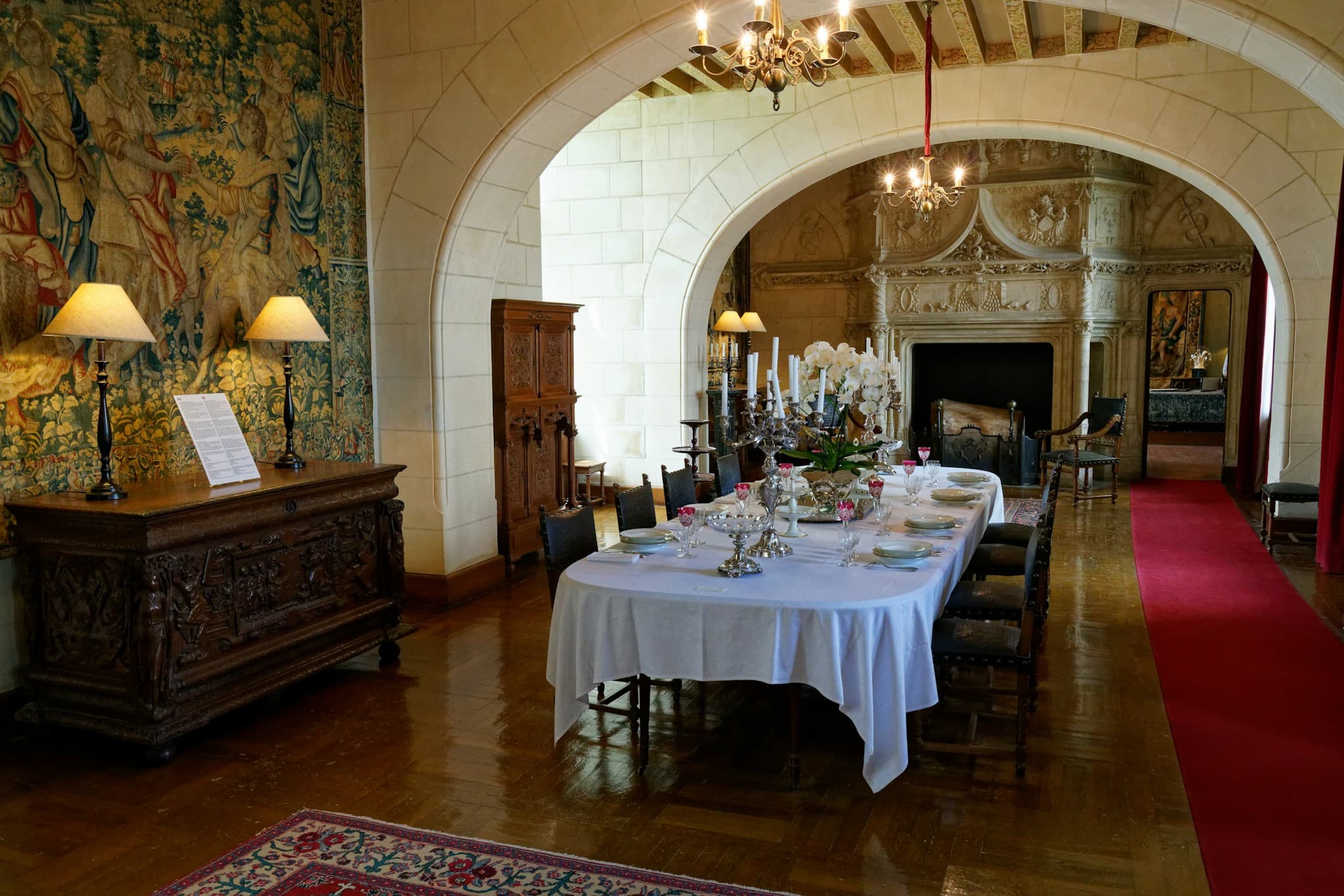
The castle's interiors are a rich tapestry of cultural influences and luxurious craftsmanship. Each room is uniquely decorated with themes inspired by world cultures, reflecting the royal family's cosmopolitan tastes. Notable rooms include the Music Room, furnished with teak wood carved furniture gifted by the Maharajah of Kapurtala, India, and the Turkish Salon, which features exquisite handmade silk embroideries on its ceilings and walls.
The Theater Hall is adorned with ceiling paintings and frescoes by the celebrated Austrian artists Gustav Klimt and Frantz Matsch, adding an artistic grandeur to the castle's cultural spaces. The Royal Library houses rare manuscripts bound in leather with gold lettering, showcasing the intellectual pursuits of the royal family.
Armory and art collections
Peles Castle also contains a vast armory with over 4,000 European and Oriental pieces dating from the 15th to the 19th centuries, including a significant collection of German armor. The castle's art collection includes nearly 2,000 paintings, making it one of the most important museums in Europe for royal art and artifacts.
Technological innovations and modern amenities
Remarkably, Peles Castle was one of the first European castles to be fully lit by electricity, a testament to its modernity at the time of construction. The castle also featured central heating, an elevator, and a central vacuum system, showcasing the advanced technological amenities incorporated into its design.
Visiting Peles Castle today
Today, Peles Castle is managed as a museum and heritage site, attracting visitors worldwide who come to admire its stunning architecture, rich history, and priceless collections. The castle offers guided tours that explore the royal apartments, art galleries, armory, and beautifully landscaped terraces. It remains a symbol of Romania's royal past and architectural grandeur, preserved for future generations to appreciate.
Visitors can explore the castle's richly decorated rooms, learn about the Romanian monarchy, and enjoy the breathtaking mountain scenery surrounding the estate. Peles Castle is not only a monument of architectural and historical significance but also a cultural beacon reflecting Romania's national identity.
Legacy and cultural importance
Peles Castle stands as a testament to the vision of King Carol I and the artistic and cultural aspirations of the Romanian royal family. Its unique blend of architectural styles, extensive art collections, and technological innovations make it a landmark of European heritage. The castle continues to inspire admiration for its beauty, craftsmanship, and historical significance.
Frequently asked questions (FAQ)
- What is Peles Castle known for?
- Peles Castle is renowned for its stunning Neo-Renaissance architecture and its picturesque setting in the Carpathian Mountains. Built in the late 19th century for King Carol I of Romania, it served as a summer residence and is now a museum showcasing art and furniture from various European styles.
- When was Peles Castle built?
- Construction of Peles Castle began in 1873 and was completed in 1914. The castle was designed to be a royal residence that combined various architectural styles, including Gothic, Renaissance, and Baroque elements.
- What are the opening hours for Peles Castle?
- Peles Castle is typically open to visitors from 9 AM to 5 PM daily, with extended hours during the summer months. It's advisable to check the official website for any seasonal changes or special closures.
- Can I take photos inside Peles Castle?
- Photography is allowed in certain areas of Peles Castle, but flash photography and tripods are prohibited to protect the artwork and decor. Visitors are encouraged to enjoy the beauty of the interiors while being respectful of the museum's guidelines.
- Is Peles Castle accessible for visitors with disabilities?
- Peles Castle has made efforts to improve accessibility, but due to its historical nature, some areas may still pose challenges for visitors with mobility issues. It is recommended to contact the castle staff in advance for assistance and to inquire about accessible routes.
- What is the best time to visit Peles Castle?
- The best time to visit Peles Castle is during the spring and fall when the weather is mild and the surrounding scenery is particularly beautiful. Summer months can be crowded, but the castle's gardens are in full bloom during this season.
- What are the ticket prices for Peles Castle?
- Ticket prices for Peles Castle vary depending on the type of tour and whether you choose to explore the castle or the gardens. As of the latest updates, adult tickets range from 30 to 40 RON, while discounts are available for students and seniors.
- Are there any nearby attractions to visit?
- Yes, nearby attractions include the stunning Caraiman Monastery and the beautiful Bucegi Natural Park, perfect for hiking and enjoying nature. Additionally, the town of Sinaia itself offers charming shops and restaurants, making it a great destination for a full day of exploration.
Information
Website
Visit websiteFeatured in
Articles on the Castlopedia blog that feature Peles Castle.
Sources & official resources
Verify the information above using these authoritative references.
Loading map...
Visitor reviews
No reviews yet. Been here? Write the first review and help other travelers!
Write the first reviewVisited this castle? Share your experience
Your review helps other travelers and adds first-hand knowledge to our encyclopedia.