Pajstún Castle Ruins — Slovakia castle

Pajstún Castle Ruins

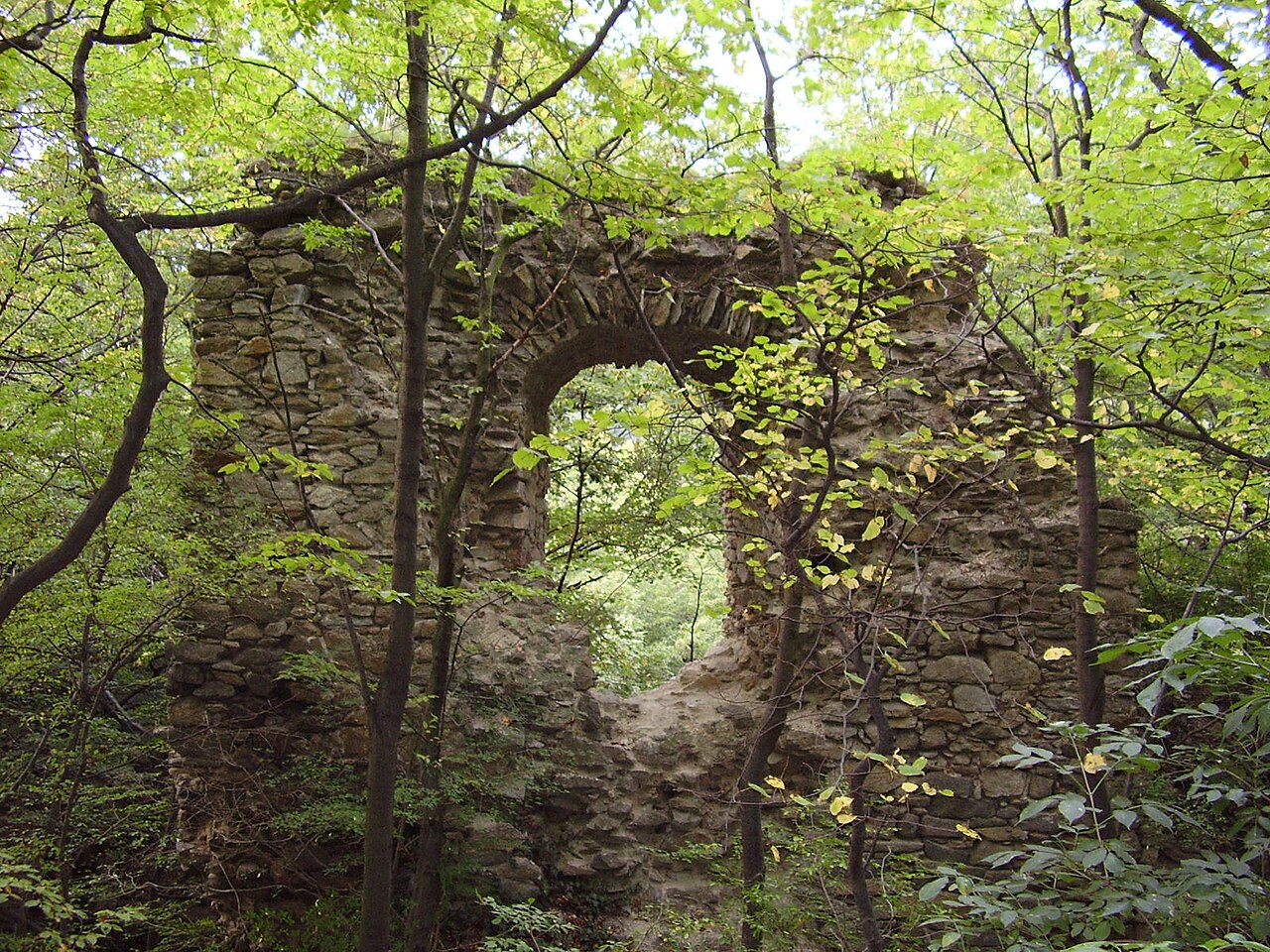
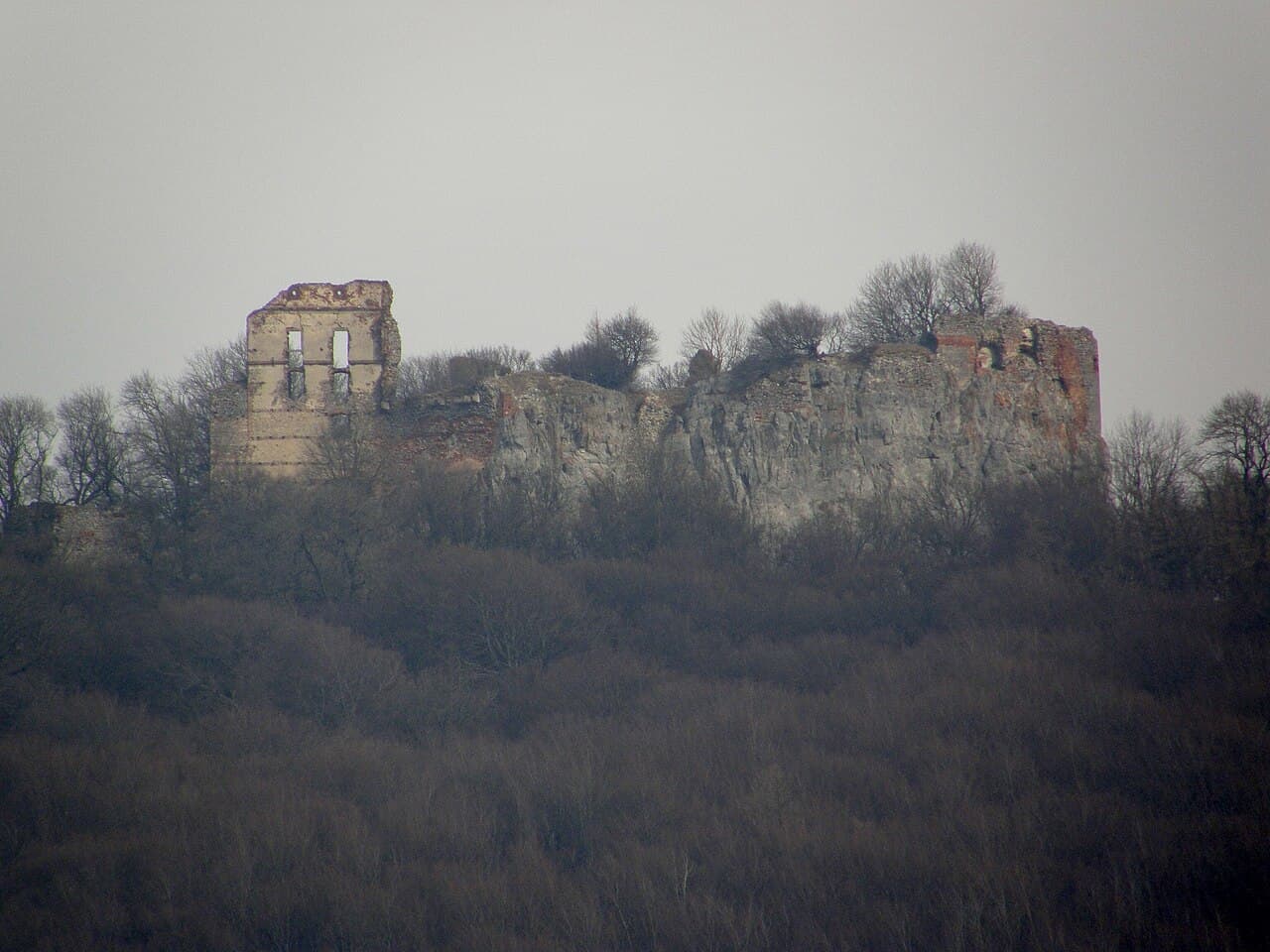
Pajstún Castle ruins near Borinka, Slovakia
Borinka, Slovakia
High Medieval (11th–13th c.)
Ruins

Pajstún Castle ruins stand as a remarkable testament to the medieval fortifications of the Kingdom of Hungary, located near Borinka in Slovakia. Constructed in the 13th century, this hill castle was strategically positioned to defend the northwestern border of the kingdom. Its enduring remains reflect a complex history of military significance, architectural evolution, and noble ownership spanning several centuries.

Early history and strategic importance

The origins of Pajstún Castle trace back to the late 13th century, with Rugerius of Tallesbrunn often credited as the initiator of its construction. The castle was part of a regional defensive system designed to secure the vulnerable frontier against external threats. The first documented owner, Otto from Telesprun, appears in records from 1314, although some sources mistakenly cite 1273 as the castle's first mention.

In 1390, the castle was granted by King Sigismund of Luxemburg, then Holy Roman Emperor and King of Hungary, to the noble Szentgyörgyi family, marking its integration into the holdings of prominent Hungarian aristocracy. This transition underscores the castle's value not only as a military stronghold but also as a symbol of feudal power and prestige.

Ownership transitions and architectural transformations

Following the extinction of the Szentgyörgyi family line in 1543, Pajstún Castle passed through several hands, including Gáspár Serédy and Eck Salm, before being acquired by the influential Pálffy family in 1592. The Pálffys maintained control for nearly three centuries, during which the castle underwent significant modifications to meet evolving military needs.

Between 1640 and 1645, under the direction of Pál Pálffy and the expertise of Italian military engineer Filiberto Luchese, Pajstún Castle was extensively reconstructed. This renovation transformed the original medieval fortress into a more modern stronghold capable of resisting the growing Ottoman threat. The addition of artillery bastions and reinforced walls exemplifies the adaptation of medieval castles to early modern warfare technologies.

Renaissance and baroque architectural features

The castle's layout includes a semi-circular cannon bastion on the eastern cliff edge, a hallmark of Renaissance military architecture designed to accommodate cannon fire. Adjacent to this bastion is a fortified corner marking the original castle gate area, behind which the main palace once stood. The palace's cellar was ingeniously integrated into the natural rock base, blending natural defenses with constructed fortifications.

The western side of the plateau housed a forecastle, a fortified outer courtyard surrounded by bastions and artillery emplacements, including a distinctive tapered cannon bastion optimized for angled cannon fire. Access to the forecastle was through a two-story building featuring an arched gateway adorned with three projecting oriel windows supported by consoles. The facade is decorated with early Baroque mascarons, adding artistic flair to the functional military architecture.

Within the upper platform lies a vaulted, brick-lined underground cistern constructed during the 17th-century rebuilding, essential for water storage during sieges. Scattered wall fragments on the southern side reveal the former extent of the palace perched atop the rock.

Decline, destruction, and current state

Despite its strategic upgrades, Pajstún Castle's importance waned as its owners favored more convenient residences. A lightning strike in the mid-18th century caused a devastating fire that heavily damaged the structure. Repairs were minimal and focused on maintaining habitability rather than full restoration.

During the Napoleonic Wars in 1809, French forces deliberately destroyed the castle with an explosion to prevent its use by enemy troops. This act marked the final blow to the fortress, which had already been largely abandoned. The last noble owners, the Károlyi family, retained ownership until 1945, when they abandoned the property along with other nearby estates.

Today, the ruins of Pajstún Castle occupy a rocky plateau at an elevation of 486 meters, offering visitors a glimpse into centuries of military architecture and history. Remaining structures include the cannon bastions, fragments of defensive walls, vaulted cisterns, and decorative elements such as the late Renaissance mascarons from 1619. These features collectively illustrate the castle's evolution from a medieval fortress to a Renaissance artillery stronghold.

Architectural significance and heritage value

Pajstún Castle is an important example of a hill castle that adapted over centuries to changing military technologies and political circumstances. Its blend of medieval and Renaissance features, combined with Baroque artistic details, reflects the layered history of Central European fortifications. The castle's ruins are a cultural heritage site that attracts historians, architects, and tourists interested in the Kingdom of Hungary's defensive network and noble estates.

The castle's location near Borinka provides panoramic views of the surrounding landscape, emphasizing its strategic placement. Preservation efforts focus on maintaining the structural integrity of surviving walls and bastions, ensuring that Pajstún Castle remains a valuable educational and cultural resource.

Visiting pajstún castle ruins

Visitors to Pajstún Castle can explore the atmospheric ruins accessible via hiking trails from the nearby village of Borinka. The site offers opportunities to study medieval and Renaissance military architecture firsthand. Informational signage and guided tours provide historical context, enhancing the visitor experience.

Due to its hilltop location and rugged terrain, the castle is best visited during favorable weather conditions. The site is open year-round, though access may be limited in winter months. Visitors are advised to wear appropriate footwear and prepare for uneven paths.

Frequently asked questions

  • When was Pajstún Castle built? Pajstún Castle was constructed in the 13th century as part of the Kingdom of Hungary's defensive system.
  • Who owned Pajstún Castle historically? The castle belonged to several noble families, including the Szentgyörgyi, Serédy, Salm, Pálffy, and finally the Károlyi family.
  • What architectural styles are visible at Pajstún Castle? The ruins show a combination of medieval fortifications, Renaissance artillery bastions, and Baroque decorative elements.
  • Is Pajstún Castle accessible to visitors? Yes, the ruins are accessible via hiking trails from Borinka and are open year-round with some seasonal considerations.
  • Why was Pajstún Castle destroyed? The castle was deliberately blown up by French troops during the Napoleonic Wars in 1809 to prevent its use by enemy forces.
  • Are there guided tours available? Guided tours and informational signage are available to provide historical insights for visitors exploring the castle ruins.
  • What remains can be seen at the site? Visitors can see cannon bastions, defensive walls, vaulted cisterns, and decorative mascarons from the Renaissance and Baroque periods.

Frequently asked questions (FAQ)

What is the historical significance of Pajstún Castle Ruins?
Pajstún Castle Ruins, dating back to the 13th century, played a vital role in the defense of the region against invasions. It served as a royal residence and a strategic lookout point, providing insight into medieval architecture and feudal life in Slovakia.
How do I get to Pajstún Castle Ruins?
To reach Pajstún Castle Ruins, you can take public transportation to Borinka, followed by a short hike to the castle site. The walking trail is well-marked and offers beautiful views of the surrounding countryside.
When was Pajstún Castle originally built?
Pajstún Castle was originally constructed in the early 13th century, likely around 1240. It has undergone various modifications over centuries, reflecting the architectural styles of different periods.
Can I visit Pajstún Castle Ruins year-round?
Yes, Pajstún Castle Ruins can be visited year-round. However, the best time to visit is during the warmer months, from late spring to early autumn, when the weather is pleasant and the trails are easily accessible.
What are the opening hours for Pajstún Castle Ruins?
Pajstún Castle Ruins are open to visitors at all times, as there is no formal entrance fee or designated opening hours. However, it is recommended to visit during daylight hours for safety and to fully enjoy the scenery.
Is it possible to explore the ruins on my own?
Yes, visitors are welcome to explore Pajstún Castle Ruins independently. The site is not heavily regulated, allowing for a personal experience of its historic structures and stunning views.
Are there any nearby attractions to visit?
Yes, nearby attractions include the picturesque village of Borinka and the scenic trails of the surrounding Small Carpathians. The region offers various hiking opportunities, making it a great destination for nature lovers.
What are the ticket prices for Pajstún Castle Ruins?
There is no entrance fee to visit Pajstún Castle Ruins, making it an accessible destination for all visitors. However, donations for the maintenance of the site are appreciated.
Is Pajstún Castle Ruins accessible for visitors with disabilities?
The castle ruins are situated on a hillside and involve a hike, which may present challenges for visitors with mobility issues. It is advisable to check local resources for any accessible options or assistance available in the area.

Photo gallery

Pajstún Castle Ruins
Click to view

Photo by Xmetov•CC BY 3.0

1 photo • Click any image to view in full screen

Information

Hill Castle

Loading map...

Visitor reviews

No reviews yet. Been here? Write the first review and help other travelers!

Write the first review

Visited this castle? Share your experience

Your review helps other travelers and adds first-hand knowledge to our encyclopedia.
Write a review

(5/5)

0/2000 characters

Your review will be visible after admin approval

Nearby castles

3.1 km
Dračí hrádok — Slovakia castle

Dračí hrádok

Borinka, Slovakia

Dračí hrádok, meaning "Dragon fort" or "Dragon castle" in English, is a notable example of high medieval castle ruins situated in the southernmost part of the Little Carpathians, Slovakia. Located less than 2 kilometers southeast of the village of Borinka in the Bratislava region, this site stands on a hill approximately 370 meters above sea level, overlooking the valley of the Stupava stream. Its elevated position provided strategic advantages for surveillance and defense during its period of use. Historical context and strategic importance Constructed in the 13th century, Dračí hrádok was part of a network of fortifications built to secure the region during the high medieval period. This era was marked by frequent territorial disputes and the need for strongholds to protect trade routes and local settlements. The castle's location in the Little Carpathians allowed control over the surrounding valleys and paths leading towards the capital, Bratislava. Although the exact founders of Dračí hrádok are not well documented, it is likely that the castle was established by local nobility or feudal authorities seeking to assert control over the area. Its proximity to other castles such as Biely Kameň and Pajštún Castle suggests a coordinated defensive system. Architectural features and layout As a hill castle typical of the medieval period, Dračí hrádok was constructed primarily from local stone, utilizing the natural topography for defense. The ruins indicate the presence of fortified walls and a central keep or tower, which would have served as the last line of defense and residence for the lord or garrison commander. The castle's design likely included a courtyard surrounded by defensive walls, with access controlled by a gatehouse. Remnants of these structures can still be discerned among the ruins, though much of the masonry has collapsed over time. The elevated position afforded wide visibility over the surrounding landscape, crucial for early warning against approaching enemies. Decline and current condition Dračí hrádok fell into disuse and ruin over the centuries, with no significant restoration efforts recorded. Today, it remains as archaeological ruins that attract hikers and history enthusiasts. The site is accessible via hiking trails from Borinka and nearby villages, making it a popular destination for those exploring the Little Carpathians and the vicinity of Bratislava. Visitors can explore the remains of the castle walls and foundations, gaining insight into medieval fortification techniques and regional history. The castle's ruinous state offers a glimpse into the passage of time and the changing political landscape of medieval Slovakia. Relationship with surrounding castles Dračí hrádok is part of a cluster of medieval castles in the region, including Biely Kameň and Pajštún Castle. These fortifications collectively formed a defensive network controlling key routes through the Little Carpathians. Their proximity suggests coordinated military and administrative functions during the high medieval period. Today, these castles serve as cultural heritage sites and outdoor recreational spots, contributing to the understanding of Slovakia's medieval past and offering scenic hiking opportunities.

High Medieval (11th–13th c.)
Details
8.5 km
Biały Kamień — Slovakia castle

Biały Kamień

Svätý Jur, Slovakia

Biały Kamień castle stands as a significant medieval Gothic ruin perched on a wooded hill above the town of Svätý Jur in Slovakia. Originating in the late 13th century, this castle was strategically constructed to replace an earlier Great Moravian fortification from the 9th century, marking the site’s long-standing military importance. The castle served as a fortified noble residence and a defensive stronghold guarding the western borderlands of the Kingdom of Hungary. Its earliest documented mention dates to 1271, when it was captured by King Ottokar II of Bohemia during regional conflicts. The castle’s founders were members of the knightly Świętojurski family, who held estates around Pezinok and Svätý Jur. It is possible that the castle was commissioned by King Béla IV of Hungary as part of a network of fortifications securing the kingdom’s western frontier after the Mongol invasions. Architectural design and medieval expansions Originally, Biały Kamień occupied the summit of its hill, laid out on an elliptical plan approximately 60 by 70 meters. The castle featured two donjon towers serving both residential and defensive purposes, along with a gate tower equipped with a drawbridge spanning a dry moat. This design reflected typical High Medieval fortification principles, combining military strength with noble habitation. In the late 14th century, the castle underwent significant enlargement. An outer ring of defensive walls was added, complete with an eastern gate accessed via a drawbridge over the moat. This expansion included additional towers and support buildings such as storerooms and a chapel, emphasizing the castle’s role as a fortified residence. The castle's layout evolved into a complex with an inner and outer ward, enhancing its defensive capabilities against increasingly sophisticated siege tactics. Interior structures and facilities Historical records from 1412 provide a detailed description of the castle’s internal arrangement. The complex included a residential chamber, a palatial hall, a chapel with an underground cellar, and various service buildings abutting the outer walls. Two main towers stood in the upper castle, complemented by two towers in the outer ward. These features illustrate a well-organized noble residence capable of supporting both domestic life and military defense. Historical context and ownership changes Biały Kamień remained under the control of the Świętojurski family until the death of the last heir in 1526. Subsequently, ownership passed through several prominent noble families, including Jan Zapolya in 1540, the Ilésházy family in the latter half of the 16th century, and the Pálffy family during the 17th century. These transitions reflect the castle’s enduring strategic and residential importance in the region. In 1609, Štefan Ilésházy moved his residence from the castle to a newly constructed Renaissance palace in Svätý Jur, signaling the declining military role of the fortress. The castle was likely abandoned and fell into ruin after being severely damaged during the Ottoman raid of 1663, part of broader Turkish incursions into Central Europe. Since then, the castle has remained a ruin, a silent witness to centuries of regional history. Architectural remains and archaeological significance Today, the ruins of Biały Kamień are scattered across the forested hilltop, offering valuable insights into medieval castle construction and layout. The upper castle retains remnants of the donjon towers and collapsed cellars, while the lower castle preserves fragments of the gate tower, guardhouses, and substantial sections of the outer curtain wall. The surviving masonry exhibits characteristic Gothic brick vaulting and defensive features such as the dry moat and drawbridge foundations. Archaeological investigations have revealed a complex water management system, including ceramic pipes that supplied the castle from the nearby town. The discovery of vaulted cellars and farm buildings within the outer ward highlights the castle’s dual role as a military fortress and a self-sustaining noble estate. These findings contribute to understanding the social and economic functions of medieval castles in Slovakia. Preservation and cultural heritage Recognized as a national cultural monument since 2002, Biały Kamień castle ruins attract historians, archaeologists, and visitors interested in medieval architecture and Slovak history. Volunteer groups have initiated restoration and conservation efforts to stabilize the ruins and prevent further decay. The site’s accessibility and scenic hilltop location make it a popular destination for cultural tourism and educational programs. Legacy and regional importance Biały Kamień exemplifies the evolution of medieval castle architecture in Central Europe, reflecting changes in military technology, noble residence design, and regional power dynamics from the High Middle Ages through the early modern period. Its history is intertwined with significant historical figures and events, including royal conflicts, noble family rivalries, and Ottoman invasions. The castle’s ruins serve as a tangible link to Slovakia’s medieval past, offering a rich narrative of feudal society, defensive strategies, and architectural innovation. As a heritage site, it contributes to the cultural identity of Svätý Jur and the surrounding region, fostering appreciation for historical preservation and medieval studies.

High Medieval (11th–13th c.)
Details
12.8 km

Schloss Hof

Schlosshof, Austria

Schloss Hof stands as Austria's largest country castle complex, spanning over 50 hectares near the border with Slovakia. This grand Baroque palace was acquired by the illustrious Prince Eugene of Savoy in 1726, who transformed it into an elaborate hunting lodge. The palace's significant expansion in 1729 was led by the renowned architect Johann Lukas von Hildebrandt, whose work epitomizes the Baroque architectural style prevalent in early 18th-century Austria.The estate's architectural grandeur is matched by its meticulously designed Baroque gardens, which extend across seven terraces gracefully descending towards the March River. These gardens feature splendid fountains, sculptures, and a variety of ornamental plantings that exemplify the period's landscape design principles. Schloss Hof's gardens are among the finest examples of Baroque garden art in Central Europe, reflecting the imperial taste and the cultural ambitions of the Habsburg monarchy.Historical significance and ownershipOriginally a modest estate, Schloss Hof gained prominence under Prince Eugene of Savoy, a leading military commander and statesman of the Habsburg Empire. After his death, the palace passed to his niece, before being acquired by Empress Maria Theresa, who incorporated it into the imperial estates. This transition marked Schloss Hof's evolution from a private hunting retreat into a symbol of imperial prestige and power.Throughout the centuries, the estate has maintained its historical integrity, serving various roles from a noble residence to an imperial showcase. Today, it remains under state management, preserved as a cultural heritage site that offers visitors a glimpse into Austria's aristocratic and imperial past.Architectural features and designThe palace's design by Johann Lukas von Hildebrandt is a prime example of Baroque architecture, characterized by dynamic forms, elaborate ornamentation, and harmonious integration with the surrounding landscape. Schloss Hof features a grand facade, imposing entrance gates, and elegantly proportioned state rooms adorned with period furnishings and artworks.Key architectural elements include the central corps de logis, flanked by symmetrical wings, and a series of formal courtyards that organize the estate's spatial layout. The interiors boast richly decorated halls with stucco work, frescoes, and intricate woodwork that reflect the lavish tastes of the Baroque era.Baroque gardens and terracesThe extensive gardens are laid out in the formal French style, featuring geometric parterres, ornamental ponds, and carefully sculpted hedges. The seven terraces provide varied perspectives and experiences, with each level hosting unique elements such as fountains, statues, and themed garden sections.The gardens also serve ecological and educational purposes, housing rare breed animals and offering themed adventure walks that engage visitors of all ages. This combination of historical landscaping and contemporary recreational use makes Schloss Hof a dynamic cultural destination.Visitor experience and eventsToday, Schloss Hof is a vibrant cultural site offering a range of activities and exhibitions. The estate includes nine adventure trails, themed gardens, and a leisure park with a water playground designed for families and children. Visitors can explore the palace interiors, stroll through the gardens, and interact with the rare breed animals on the grounds.The castle hosts numerous annual events that celebrate its heritage and community role. Highlights include the Easter market, musketeer games, garden shows, camel festival, and the festive Christmas village during Advent. These events attract visitors regionally and internationally, enhancing Schloss Hof's reputation as a lively center of cultural and historical tourism.Accessibility and amenitiesSchloss Hof is accessible year-round with guided tours available to enrich the visitor experience. Facilities include educational exhibits, dining options, and playgrounds, ensuring a comfortable and engaging visit for all ages. The estate's location near the Austria-Slovakia border also makes it a convenient destination for cross-border tourism.

Post-Renaissance (17th–18th c.)
Details