Paczków
Paczków Castle and its surrounding fortifications represent a remarkable example of medieval military architecture in Silesia, Poland. Founded in 1254 by the order of the Bishop of Wrocław, the fortified town of Paczków was strategically established on the border of the Bishopric of Nysa and the Duchies of Wrocław and Bohemia. This location was crucial for controlling and defending the line of the Nysa Kłodzka River, a significant frontier in the region during the High Medieval period.
The town was founded on lands taken from the village of Bogunów and parts of the village of Paczków, which was thereafter referred to in historical sources as Stary Paczków (Old Paczków). The new settlement was granted town rights under the Law of Nysa, a legal framework that facilitated urban development in the region. The primary purpose of the town was to serve as a fortified bastion protecting the bishopric's territories from incursions by neighboring powers.
Fortifications and architectural features
Paczków is renowned for its exceptionally well-preserved medieval town walls, which extend almost continuously around the old town. These defensive walls are among the best preserved in Silesia and are a major attraction for visitors. The fortifications include numerous loophole towers (baszty łupniowe) designed for archers and crossbowmen, providing overlapping fields of fire along the walls. Additionally, there are four surviving gate towers that mark the original entrances to the town, remnants of the complex gatehouse systems that controlled access and enhanced defense.
The walls and towers were constructed using local stone and brick, exhibiting typical High Medieval military architectural techniques. The bastioned design of the fortifications, while primarily medieval in origin, also shows adaptations to the evolving military technology of the time, including artillery defense. The robust construction and strategic positioning enabled Paczków to withstand sieges and served as a deterrent to potential attackers.
The castle and its historical context
While the town itself was heavily fortified, historical records from 1301, 1335, and 1344 mention a castle near Paczków, believed to have been founded by Duke Bolko I of Świdnica and Ziębice. This castle was located a few hundred meters north of the old town on a hill historically known as Zamkowa Górka (Castle Hill). The site was within a village called Kocia, which likely influenced the castle’s placement.
The castle served multiple purposes: it was a military stronghold, a symbol of ducal authority, and a customs post for controlling trade and collecting tolls. Duke Bolko I's establishment of the castle was part of his efforts to challenge the bishop's authority in the region, as he did not recognize the testament of Henryk IV Probus, which confirmed the bishopric's rights and privileges.
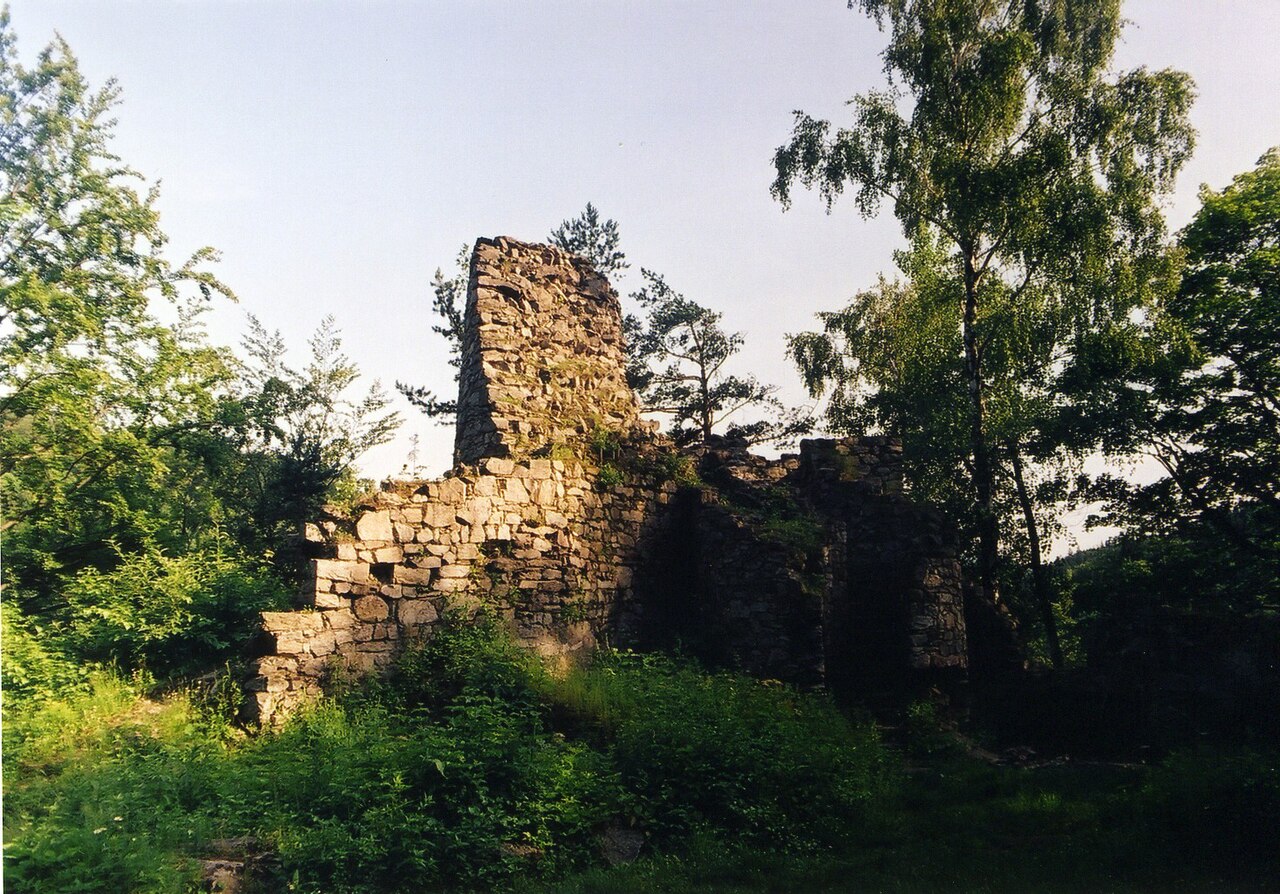
Unfortunately, the castle did not survive the political changes of the early 15th century. After Paczków was purchased in 1416 by the town authorities along with the land where the castle stood and nine neighboring villages, the castle was likely dismantled or fell into ruin. Today, the exact location and appearance of the castle remain uncertain, with archaeological investigations being the primary means to uncover more information about this lost fortress.
Cultural and heritage significance
Paczków’s fortifications are often referred to as the "Polish Carcassonne" due to their impressive preservation and completeness. The town walls and towers provide a vivid glimpse into medieval urban defense systems and have been protected as a cultural heritage site. The fortifications attract historians, architects, and tourists interested in medieval military architecture and the complex history of Silesia.
Visitors to Paczków can explore the extensive circuit of walls and towers, gaining insight into the defensive strategies employed in medieval Central Europe. The town itself retains a historic atmosphere, with its layout and surviving structures reflecting its origins as a fortified settlement.
Archaeological prospects and future research
Given the limited information about the castle on Zamkowa Górka, ongoing and future archaeological excavations hold promise for revealing more about the site's layout, construction phases, and role in regional politics. Discoveries could clarify the relationship between the castle and the town fortifications and shed light on the military and administrative functions of the castle during the High Medieval period.
Such research would contribute significantly to the understanding of Silesian medieval history and the dynamics between secular and ecclesiastical powers in border regions. It may also enhance the cultural tourism appeal of Paczków by adding another layer of historical narrative to the well-preserved town walls.
Frequently asked questions (FAQ)
- How do I visit Paczków Castle and its fortifications?
- Paczków Castle and the medieval town walls are accessible to visitors year-round. Walking tours around the well-preserved fortifications are popular, and local guides offer historical insights. Check with the municipality for any special events or guided tours.
- What is the historical significance of Paczków's walls?
- The walls of Paczków are among the best-preserved medieval fortifications in Silesia, built in the 13th century to defend the bishopric's border. They showcase typical High Medieval military architecture and have cultural heritage status.
- Can I explore the castle ruins on Zamkowa Górka?
- The exact location and remains of the castle on Zamkowa Górka are not well defined and primarily accessible through archaeological excavations. There are no established tourist facilities at the site, so visits are generally limited to the town's fortifications.
- When was Paczków founded and by whom?
- Paczków was founded in 1254 by the Bishop of Wrocław as a fortified town on the border of the Bishopric of Nysa. It was established to protect the region and control trade routes along the Nysa Kłodzka River.
- Why is Paczków called the 'Polish Carcassonne'?
- Paczków is often called the 'Polish Carcassonne' due to its remarkably well-preserved medieval walls and towers, reminiscent of the famous French fortified town. This nickname highlights its significance as a medieval military site and tourist attraction.
Information
Current owner
Municipality
Loading map...
Visitor reviews
No reviews yet. Been here? Write the first review and help other travelers!
Write the first reviewVisited this castle? Share your experience
Your review helps other travelers and adds first-hand knowledge to our encyclopedia.