Ōuchi-shi Yakata — Japan castle

Ōuchi-shi Yakata

Ōuchi-shi Yakata: historic fortified residence of the Ōuchi clan
Late Medieval (14th–15th c.)
Ruins

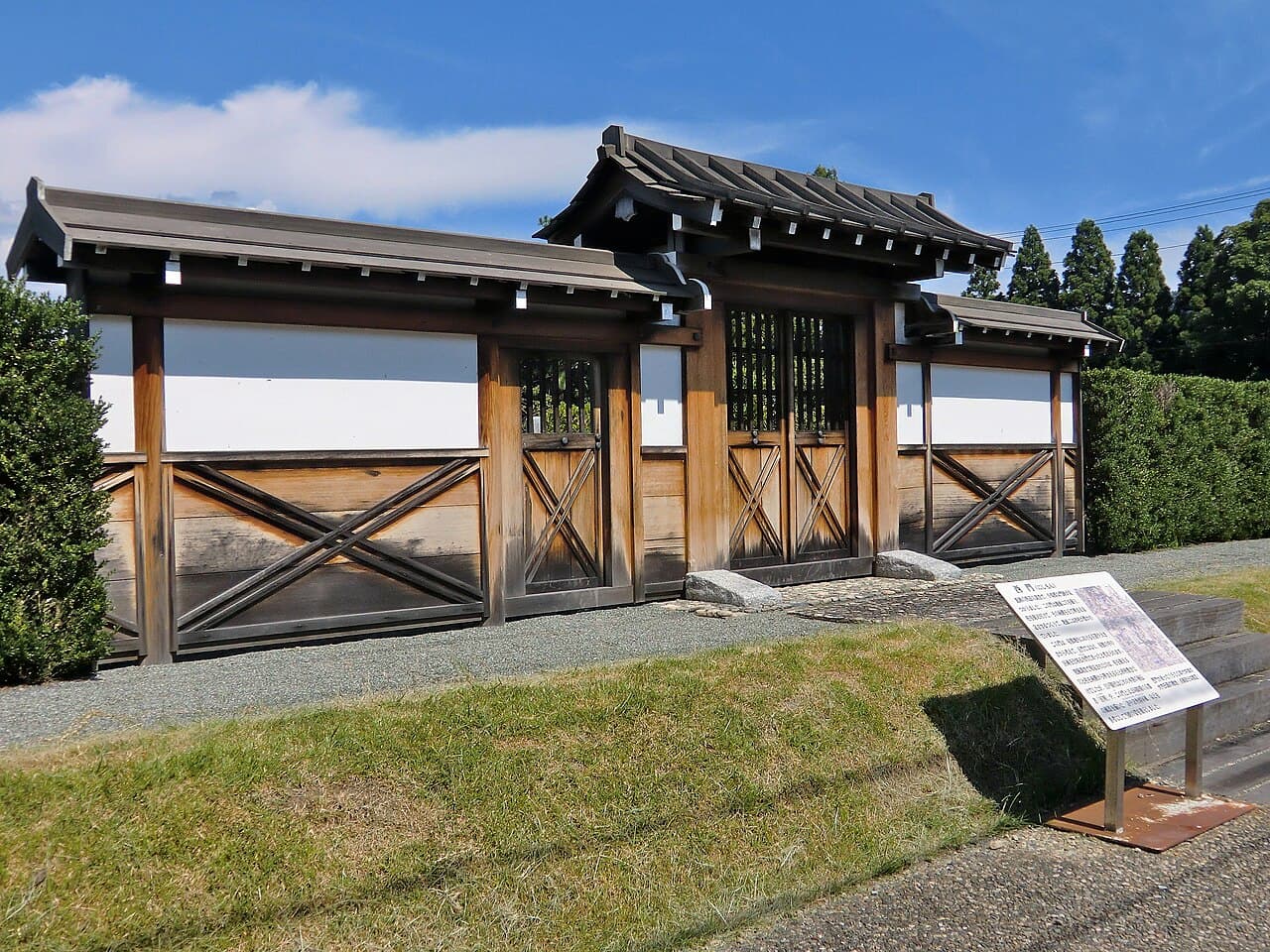
Ōuchi-shi Yakata (大内氏館) served as the fortified residence and administrative center of the prominent Ōuchi clan during the Muromachi period through the Sengoku period in Japan. Located in Yamaguchi Prefecture, this site was a significant political and military base for the clan, who were powerful feudal lords controlling large parts of western Japan. The ruins of Ōuchi-shi Yakata have been preserved as a National Historic Site, reflecting its cultural and historical importance.

The Ōuchi clan and their fortified residence

The Ōuchi clan rose to prominence in the 14th century and maintained influence until the mid-16th century. They were known for their extensive trade connections, including with China and Korea, which brought wealth and cultural exchange to their domain. The clan’s residence, Ōuchi-shi Yakata, functioned not only as a home but also as a center of governance and military command.

The fortified residence was strategically positioned in Yamaguchi, which was then part of the Suō Province. It was designed primarily as a manor house with defensive features rather than a full-scale castle, reflecting the architectural style of samurai residences of the period. The complex likely included living quarters, administrative buildings, gardens, and defensive walls.

Architectural features and defensive limitations

Unlike large mountaintop castles, Ōuchi-shi Yakata was a lowland-style fortified residence that relied on moats, earthen walls, and wooden palisades for defense. Its layout was typical of the fortified manors of the Muromachi era, emphasizing residential comfort and administrative functions over heavy fortification.

Due to its relatively weak defensive capabilities, the Ōuchi clan constructed Kōnomine Castle in 1556 as a supporting fortress. Kōnomine Castle was built on higher ground to better withstand sieges and to serve as a military stronghold protecting the clan’s interests in the region.

The fall of Ōuchi-shi Yakata and historical significance

In the mid-16th century, the Ōuchi clan faced increasing pressure from rival clans, most notably the Mōri clan. When Mōri Motonari advanced into Suō Province, Ōuchi Yoshinaga abandoned both Ōuchi-shi Yakata and Kōnomine Castle without resistance, marking the decline of the Ōuchi clan’s power.

Despite its abandonment, the site remains an important archaeological and historical location. The ruins provide valuable insights into the lifestyle and governance of a powerful samurai clan during a turbulent period in Japanese history.

Preservation and cultural recognition

Today, Ōuchi-shi Yakata is preserved as archaeological ruins and is protected by the Japanese government as a National Historic Site. The site is often visited by those interested in Japanese history and castle architecture, offering a glimpse into feudal Japan’s political and military landscape.

In 2017, Ōuchi-shi Yakata was included in the Continued Top 100 Japanese Castles list, recognizing its historical importance despite the absence of standing structures. The nearby Ryōun-ji temple is also part of the historic designation, highlighting the cultural context of the site.

Frequently asked questions (FAQ)

When was Ōuchi-shi Yakata primarily used by the Ōuchi clan?
Ōuchi-shi Yakata was primarily used during the Muromachi period through the Sengoku period, roughly from the 14th to the mid-16th century.
Why was Kōnomine Castle built near Ōuchi-shi Yakata?
Kōnomine Castle was constructed in 1556 as a supporting fortress because Ōuchi-shi Yakata was considered unsuitable for withstanding a siege.
What happened to Ōuchi-shi Yakata during the Mōri clan's advance?
When Mōri Motonari's army advanced into Suō Province, Ōuchi Yoshinaga abandoned Ōuchi-shi Yakata and Kōnomine Castle without resistance, leading to the clan's decline.
Is Ōuchi-shi Yakata accessible to visitors today?
Yes, the ruins of Ōuchi-shi Yakata are accessible to the public and are preserved as a National Historic Site, attracting visitors interested in Japanese feudal history.
What architectural style characterizes Ōuchi-shi Yakata?
Ōuchi-shi Yakata was a lowland fortified residence typical of the Muromachi period, emphasizing administrative and residential functions over heavy fortification.

Photo gallery

Ōuchi-shi Yakata
Click to view

Photo by TT mk2•CC BY-SA 3.0

1 photo • Click any image to view in full screen

Information

Archaeological Site / Ruins

Loading map...

Visitor reviews

No reviews yet. Been here? Write the first review and help other travelers!

Write the first review

Visited this castle? Share your experience

Your review helps other travelers and adds first-hand knowledge to our encyclopedia.
Write a review

(5/5)

0/2000 characters

Your review will be visible after admin approval

Nearby castles

1.7 km
Kōnomine Castle — Japan castle

Kōnomine Castle

, Japan

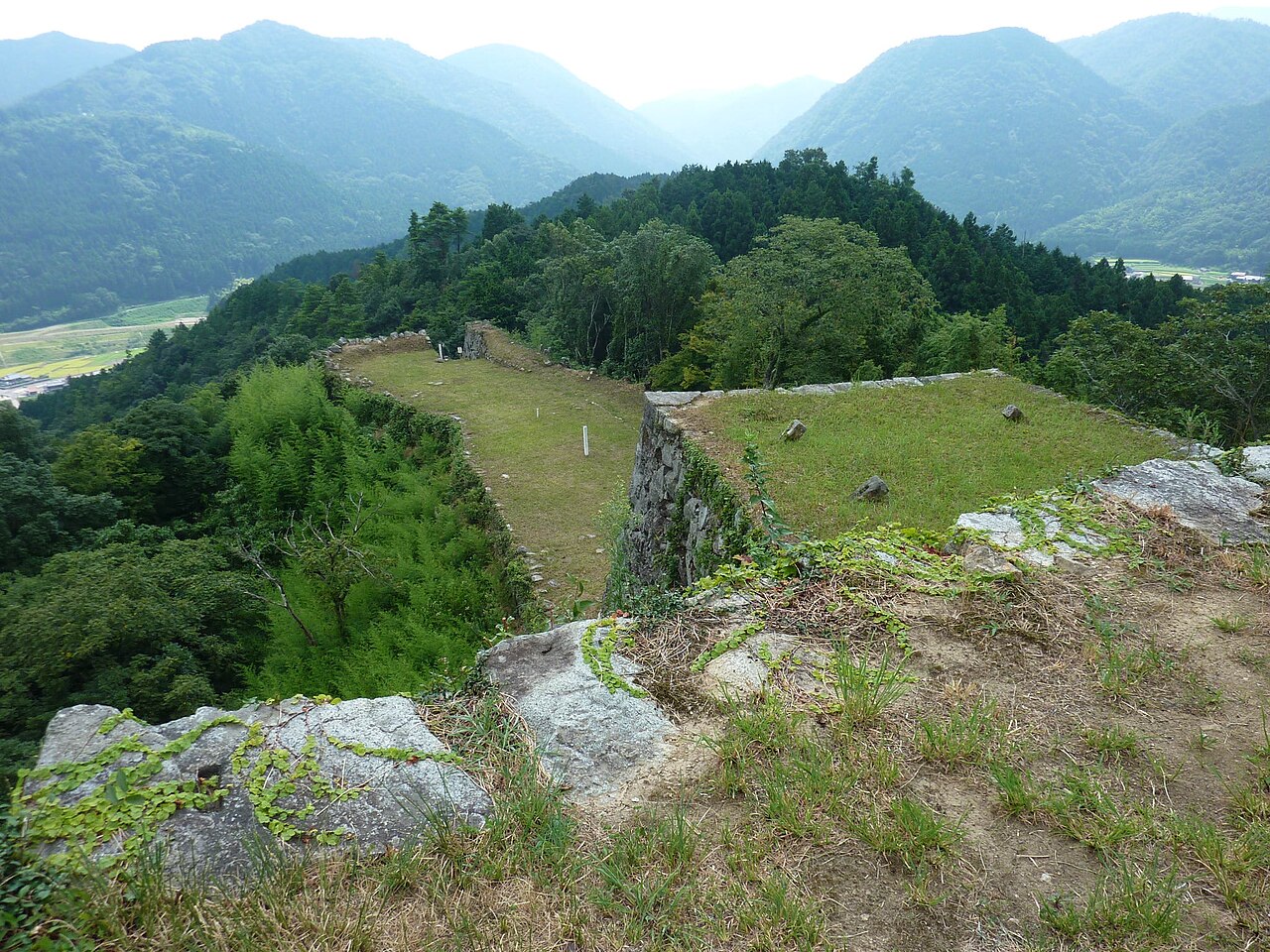
Kōnomine Castle (高嶺城, Kōnomine-jō) is a notable example of a Japanese mountain castle (yamajiro) located in Yamaguchi Prefecture, Japan. Perched atop a 338-meter mountain, this castle site offers strategic views that were essential for defense during the 16th century, a period marked by intense military conflict and political upheaval in Japan. Historical context and significance Constructed during the Sengoku period, a time of widespread warfare and territorial disputes among feudal lords, Kōnomine Castle served as a military stronghold. Its location on elevated terrain allowed for effective surveillance of the surrounding region, giving its occupants a tactical advantage. The castle was part of a network of fortifications in western Japan, contributing to the control and defense of the area. While detailed historical records about the castle's builders or specific events are limited, it is understood that Kōnomine Castle played a role in regional conflicts typical of the era. The castle's ruins today stand as a testament to the military architecture and feudal history of 16th-century Japan. Architectural features and design Kōnomine Castle exemplifies the characteristics of a yamajiro-style mountain castle, which utilized the natural terrain for defense rather than relying heavily on constructed walls or moats. The castle's layout would have included a series of terraces and baileys carved into the mountainside, connected by narrow paths and steep stairs. Typical features likely included wooden structures such as watchtowers and living quarters, though these have not survived. Stonework was minimal compared to later castles, with the natural rock formations forming part of the defensive system. The castle's position on a high ridge made direct assault difficult, relying on the terrain as a natural barrier. Defensive advantages The steep slopes and elevation provided natural fortification, while narrow access routes could be easily defended against attackers. The castle's design reflects the military strategies of the Sengoku period, emphasizing mobility, surveillance, and the use of the landscape to compensate for limited manpower and resources. Current condition and preservation Today, Kōnomine Castle exists as archaeological ruins, with no significant above-ground structures remaining. Visitors to the site can explore the remnants of the castle's terraces and earthworks, which reveal the castle's original footprint and defensive layout. The site is valued for its historical importance and natural beauty, attracting hikers and history enthusiasts interested in Japan's feudal past. Preservation efforts focus on maintaining the ruins and preventing further erosion, allowing the castle's legacy to endure. Visiting information The castle ruins are accessible by hiking trails that lead to the summit of the mountain. Due to the rugged terrain, visitors should be prepared for a moderately challenging hike. The site offers panoramic views of the surrounding landscape, providing insight into the strategic considerations of its original builders. There are no visitor facilities or extensive signage at the site, so those interested in the castle's history may benefit from guided tours or supplementary materials available in nearby towns.

Renaissance (15th–17th c.)
Details
27.5 km
Hagi Castle — Japan castle

Hagi Castle

Hagi, Japan

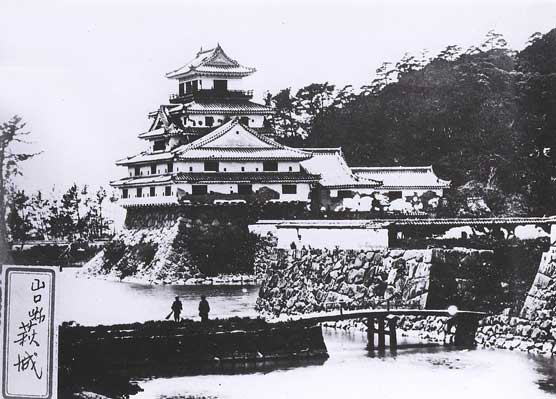
Hagi Castle stands as a significant historic site in Hagi, Japan, embodying the resilience and legacy of the Mōri clan during the early Edo period. Constructed in 1604, this lowland castle was strategically positioned near the Sea of Japan, serving as a vital stronghold after the clan's territorial reduction following the Battle of Sekigahara in 1600. The castle's location reflects the complex geography of the region, nestled in a challenging coastal environment that influenced both its defensive design and eventual decline. The castle was built during the early Edo period, a time marked by the consolidation of power under the Tokugawa shogunate, which significantly impacted the fortunes of regional lords like the Mōri. Despite losing two-thirds of their lands, the Mōri clan retained control over the Choshu domain, with Hagi Castle as their administrative and military center. The castle's construction utilized extensive stone walls that stretch from the mountain base to the ocean's edge, showcasing advanced masonry techniques and the adaptation to the coastal terrain. Architectural features and layout Hagi Castle is renowned for its extensive and well-preserved stone walls and remnants of clay walls, which reveal the castle's original defensive structures. The walls are notable for their considerable length and for extending directly to the coastline, a rare feature that enhanced the castle's maritime defenses. Visitors can observe the remains of the stone splitting sites both atop the mountain and along the coast, indicating the significant labor invested in sourcing and shaping the building materials. The castle's design reflects typical early Edo period fortification principles, emphasizing natural terrain advantages combined with man-made defenses. Although much of the castle's superstructures no longer stand, the surviving walls and foundations provide insight into its original scale and complexity. The castle's position on lowland terrain near the coast classifies it as a lowland castle, which was somewhat unusual for the period, as many castles favored hilltop locations for defensive superiority. Defensive structures The castle featured multiple baileys surrounded by robust walls, gates, and moats designed to repel invaders. While the main keep (donjon) does not survive, historical records suggest it was modest in size compared to other contemporary castles, reflecting the Mōri clan's reduced status after Sekigahara. The extensive stone walls, some rising to impressive heights, were critical in protecting the castle from both land and sea attacks. Historical significance and clan legacy Following the decisive defeat at the Battle of Sekigahara, the Mōri clan's loss of territory was a pivotal moment in Japanese history. Confined to the Choshu domain, the clan fortified Hagi Castle as their political and military center. The castle remained the seat of Mōri power until the Meiji Restoration in the late 19th century, a period that saw the abolition of the feudal system and the modernization of Japan. In 1863, concerns over Hagi's vulnerability to naval bombardment led Mōri Takachika to transfer the domain's administrative functions to Yamaguchi. This strategic move marked the beginning of Hagi Castle's decline as a military fortress. Despite this, the castle and its surrounding town have retained immense cultural and historical importance, symbolizing the endurance of samurai traditions and the Mōri family's influence. The unique preservation of hagi castle town One of the most remarkable aspects of Hagi Castle is its setting within a well-preserved castle town, which offers a rare glimpse into Edo-period urban planning and samurai lifestyle. The town features traditional samurai residences, narrow streets, and historical buildings that have survived centuries of change. This preservation provides valuable context for understanding the castle's role within the broader social and political fabric of the domain. The town's layout reflects the hierarchical structure of feudal Japan, with samurai quarters arranged systematically around the castle. This spatial organization facilitated both defense and governance, underscoring the integrated nature of castle and town life. Visitors to Hagi can explore these streets and residences, gaining insight into the daily lives of the samurai and the administrative workings of the domain. Cultural heritage and tourism Today, Hagi Castle and its town are celebrated for their cultural heritage, attracting historians, architects, and tourists alike. The extensive ruins, including the stone walls and foundations, are accessible to the public, offering an immersive historical experience. The castle town's preservation enhances this experience, making Hagi a unique destination for those interested in Japanese history and castle architecture. Visitors often remark on the extensive scale of the ruins, which exceed common expectations and provide a tangible connection to Japan's feudal past. The combination of natural beauty, historical depth, and architectural significance makes Hagi Castle a standout example of Japan's rich castle heritage.

Renaissance (15th–17th c.)
Details
40.3 km
Tsuwano Castle — Japan castle

Tsuwano Castle

Tsuwano, Japan

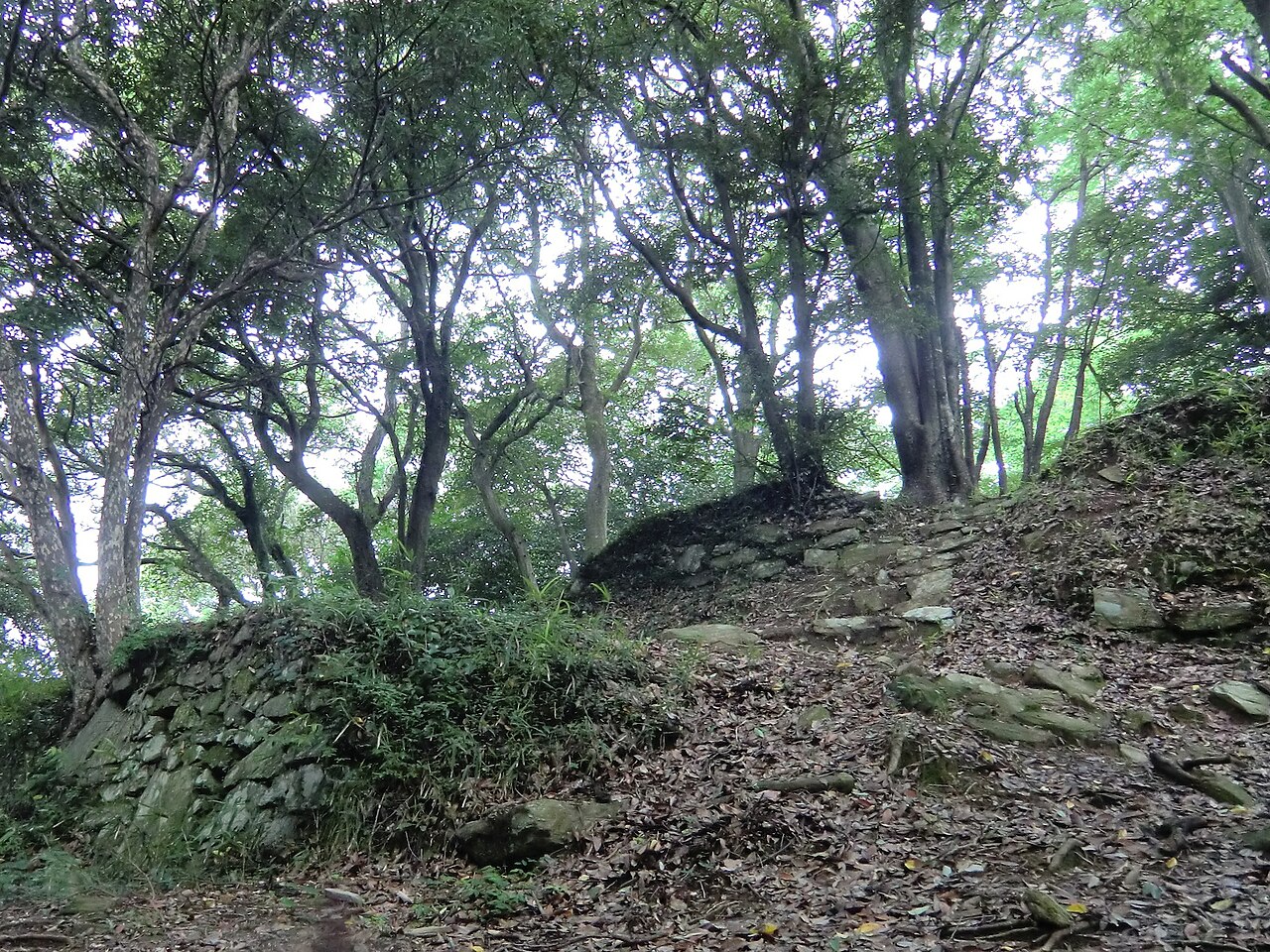
Tsuwano Castle, originally known as Sanbonmatsu-jo, stands as a remarkable example of a hill castle in Tsuwano, Japan. Established in 1283 by Yoshimi Yoriyuki, the castle was strategically constructed to oversee the province of Iwami. Over the centuries, it served as a significant military and administrative center, witnessing the rise and fall of powerful clans and playing a pivotal role in Japan's feudal history.The castle's initial construction during the high medieval period reflects the typical defensive architecture of the time, with wooden structures complemented by earthworks. The Yoshimi family governed the castle for an impressive fourteen generations, marking a long lineage of regional influence. The 14th generation lord, Yoshimi Hironaga, notably supported the Mouri clan during the Battle of Sekigahara in 1600, a decisive conflict that shaped the future of Japan. Following the Mouri clan's defeat by the Tokugawa forces, Hironaga was relocated to Hagi, signaling a significant shift in the castle's ownership and political alignment.Expansion and fortification under Sakazaki NaomoriAfter the Battle of Sekigahara, Sakazaki Naomori was granted control of the Tsuwano domain as a reward for his loyalty and military success. He initiated extensive expansions and fortifications, particularly focusing on the Demaru Bailey, a key defensive enclosure within the castle complex. The imposing stone walls that crown the mountaintop today largely date from Naomori's tenure, showcasing advanced masonry techniques and robust defensive design characteristic of the early Edo period.Naomori's sudden death in 1616 without heirs led to the transfer of the domain to Kamei Masanori. The Kamei family maintained governance for eleven generations until the Meiji Restoration, a time when many castles across Japan were dismantled as symbols of the feudal past. Tsuwano Castle was dismantled in 1873, marking the end of its active military use.Architectural features and layoutStone walls and baileysThe castle's most striking feature is its spectacular stone walls, which bear resemblance to those of the famed Takeda Castle, albeit on a somewhat smaller scale. These walls were constructed to maximize defense, using natural contours of the mountain to create formidable barriers against invaders. The complex includes multiple baileys, with the Demaru Bailey being the centerpiece of Naomori's fortification efforts.Watchtowers and gatesWithin the castle town, visitors can still see the Babasaki Yagura and Monomiyagura watchtowers, which served as critical vantage points for surveillance and defense. These towers exemplify traditional Japanese castle architecture, featuring wooden frameworks and tiled roofs designed to withstand both attacks and the elements.Minor fortifications and trenchesAdditional defensive features include horikiri trenches—deep, narrow ditches cut into the terrain to impede enemy movement—and smaller baileys that provided layers of defense. These elements demonstrate the castle's comprehensive approach to fortification, integrating natural and man-made obstacles.Access and visitor experienceToday, visitors to Tsuwano Castle can reach the summit via a ski lift or by hiking a trail that begins near the Taikodani Inari Shrine. The hike is moderately challenging but manageable within approximately an hour. The trail also connects to the South Gate and continues through the ruins of Nakaara Castle, eventually leading to the Washihara Hachimangu Shrine. This route offers an immersive historical and natural experience.Visitors are advised to carry a bear bell due to local wildlife warnings, as the area is known for bear activity. The castle grounds provide a combination of historical intrigue and natural beauty, making it a rewarding destination for history enthusiasts and hikers alike.Historical significance and cultural heritageTsuwano Castle's long history encapsulates the turbulent feudal era of Japan, reflecting the shifting allegiances and power struggles that defined the period. Its preservation as a partially preserved hill castle offers valuable insights into medieval Japanese military architecture and regional governance. The castle remains a symbol of Tsuwano's cultural heritage and continues to attract scholars and tourists interested in Japan's rich past.

High Medieval (11th–13th c.)
Details