Hagi Castle
Hagi Castle stands as a significant historic site in Hagi, Japan, embodying the resilience and legacy of the Mōri clan during the early Edo period. Constructed in 1604, this lowland castle was strategically positioned near the Sea of Japan, serving as a vital stronghold after the clan's territorial reduction following the Battle of Sekigahara in 1600. The castle's location reflects the complex geography of the region, nestled in a challenging coastal environment that influenced both its defensive design and eventual decline.
The castle was built during the early Edo period, a time marked by the consolidation of power under the Tokugawa shogunate, which significantly impacted the fortunes of regional lords like the Mōri. Despite losing two-thirds of their lands, the Mōri clan retained control over the Choshu domain, with Hagi Castle as their administrative and military center. The castle's construction utilized extensive stone walls that stretch from the mountain base to the ocean's edge, showcasing advanced masonry techniques and the adaptation to the coastal terrain.
Architectural features and layout
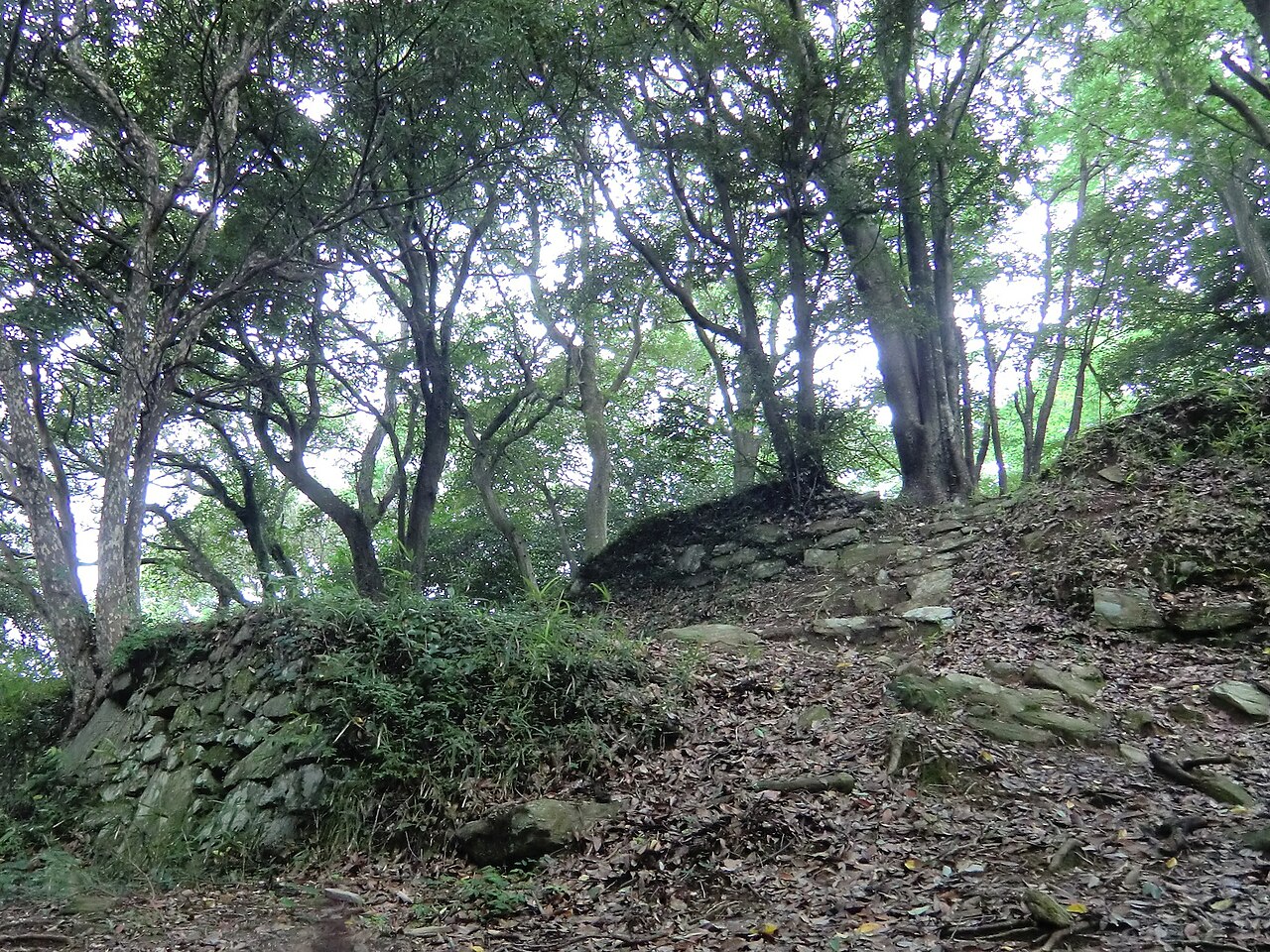
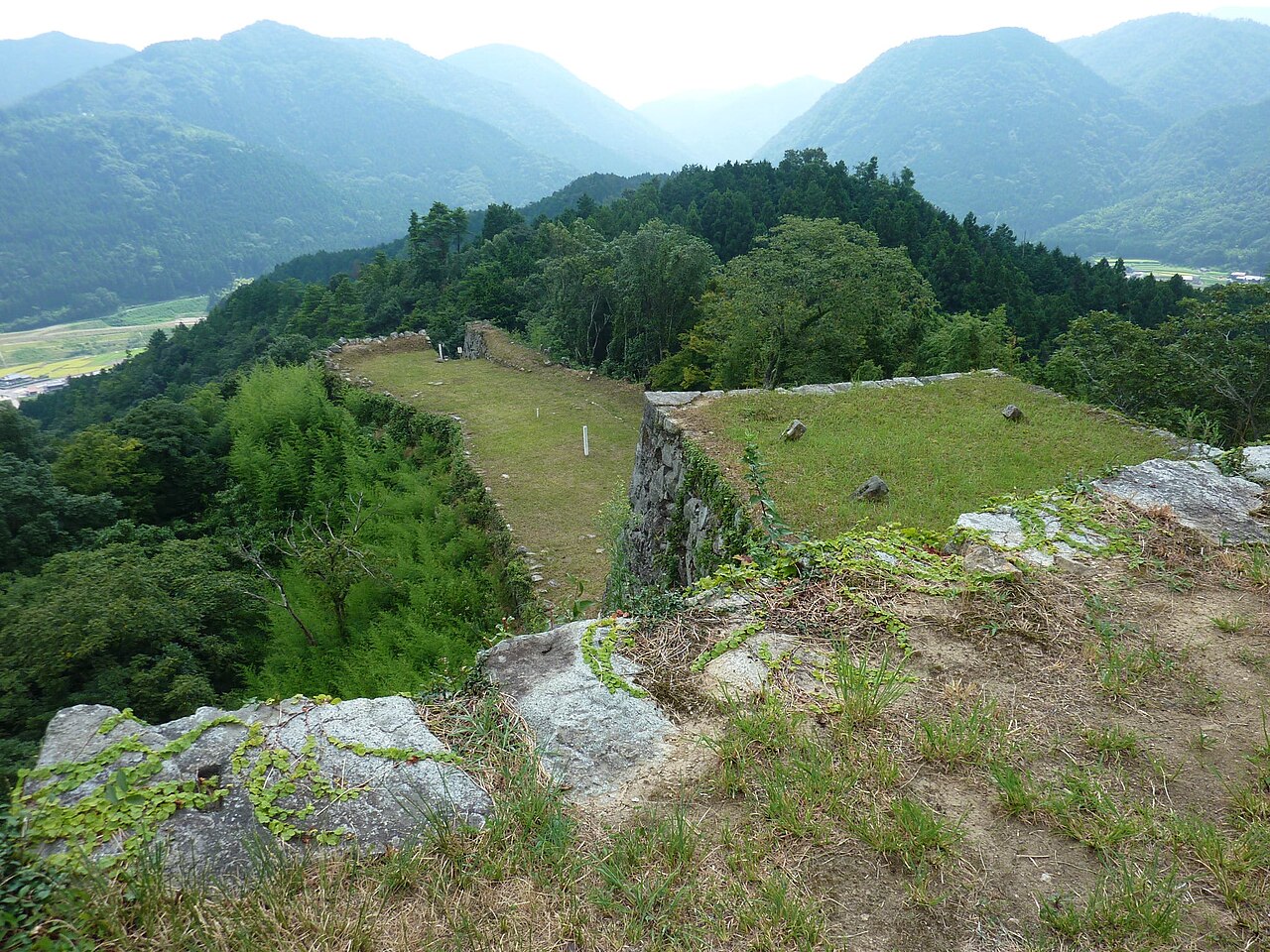
Hagi Castle is renowned for its extensive and well-preserved stone walls and remnants of clay walls, which reveal the castle's original defensive structures. The walls are notable for their considerable length and for extending directly to the coastline, a rare feature that enhanced the castle's maritime defenses. Visitors can observe the remains of the stone splitting sites both atop the mountain and along the coast, indicating the significant labor invested in sourcing and shaping the building materials.
The castle's design reflects typical early Edo period fortification principles, emphasizing natural terrain advantages combined with man-made defenses. Although much of the castle's superstructures no longer stand, the surviving walls and foundations provide insight into its original scale and complexity. The castle's position on lowland terrain near the coast classifies it as a lowland castle, which was somewhat unusual for the period, as many castles favored hilltop locations for defensive superiority.
Defensive structures
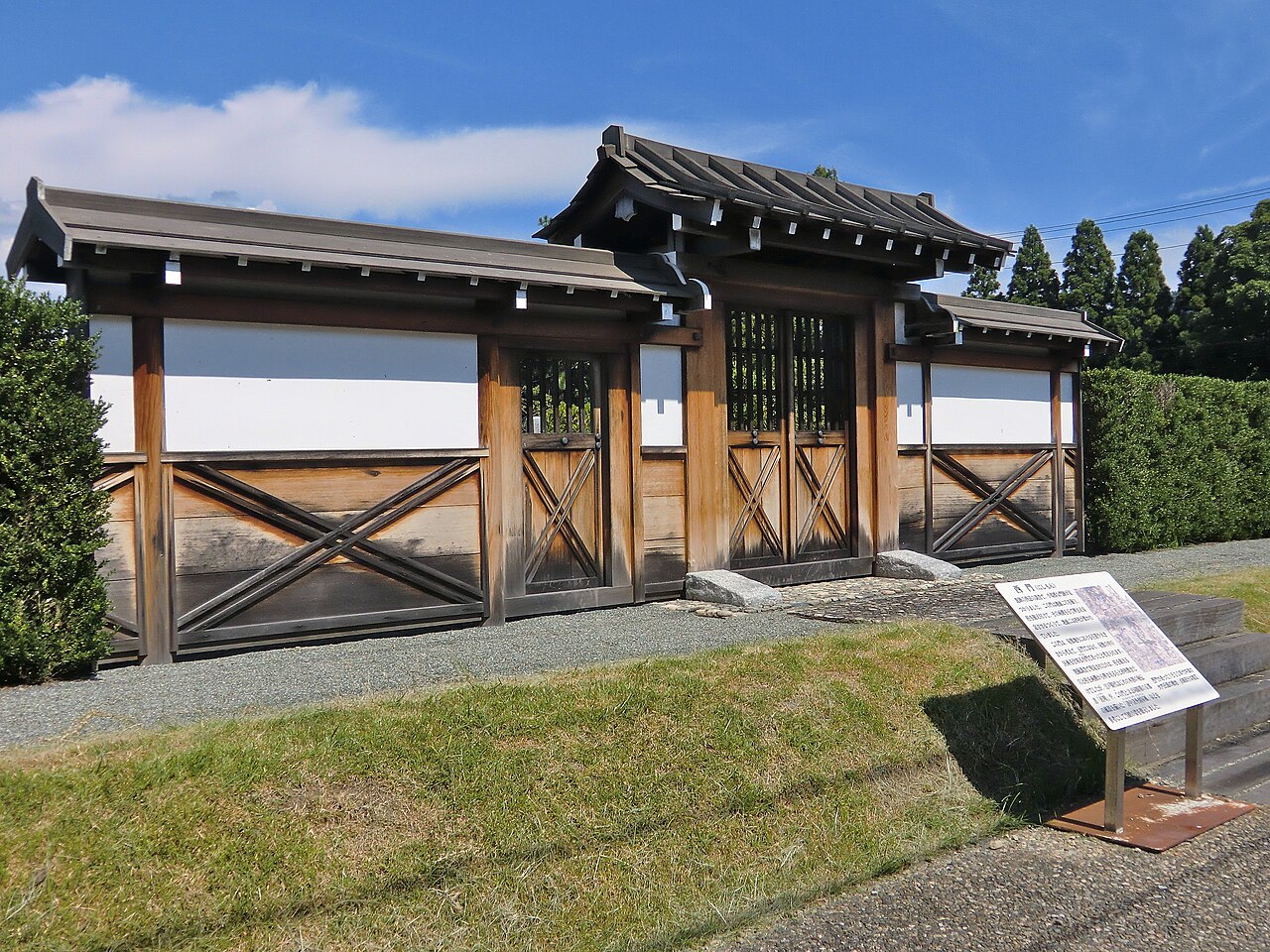
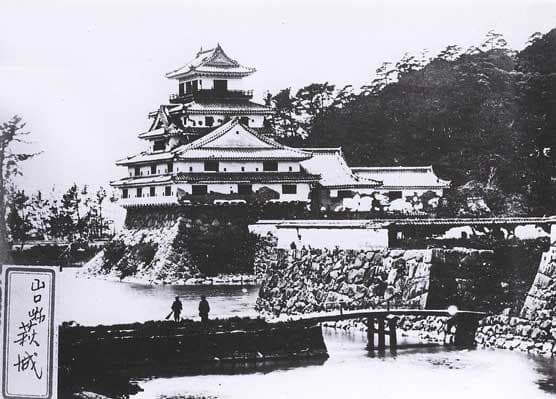
The castle featured multiple baileys surrounded by robust walls, gates, and moats designed to repel invaders. While the main keep (donjon) does not survive, historical records suggest it was modest in size compared to other contemporary castles, reflecting the Mōri clan's reduced status after Sekigahara. The extensive stone walls, some rising to impressive heights, were critical in protecting the castle from both land and sea attacks.
Historical significance and clan legacy
Following the decisive defeat at the Battle of Sekigahara, the Mōri clan's loss of territory was a pivotal moment in Japanese history. Confined to the Choshu domain, the clan fortified Hagi Castle as their political and military center. The castle remained the seat of Mōri power until the Meiji Restoration in the late 19th century, a period that saw the abolition of the feudal system and the modernization of Japan.
In 1863, concerns over Hagi's vulnerability to naval bombardment led Mōri Takachika to transfer the domain's administrative functions to Yamaguchi. This strategic move marked the beginning of Hagi Castle's decline as a military fortress. Despite this, the castle and its surrounding town have retained immense cultural and historical importance, symbolizing the endurance of samurai traditions and the Mōri family's influence.
The unique preservation of hagi castle town
One of the most remarkable aspects of Hagi Castle is its setting within a well-preserved castle town, which offers a rare glimpse into Edo-period urban planning and samurai lifestyle. The town features traditional samurai residences, narrow streets, and historical buildings that have survived centuries of change. This preservation provides valuable context for understanding the castle's role within the broader social and political fabric of the domain.
The town's layout reflects the hierarchical structure of feudal Japan, with samurai quarters arranged systematically around the castle. This spatial organization facilitated both defense and governance, underscoring the integrated nature of castle and town life. Visitors to Hagi can explore these streets and residences, gaining insight into the daily lives of the samurai and the administrative workings of the domain.
Cultural heritage and tourism
Today, Hagi Castle and its town are celebrated for their cultural heritage, attracting historians, architects, and tourists alike. The extensive ruins, including the stone walls and foundations, are accessible to the public, offering an immersive historical experience. The castle town's preservation enhances this experience, making Hagi a unique destination for those interested in Japanese history and castle architecture.
Visitors often remark on the extensive scale of the ruins, which exceed common expectations and provide a tangible connection to Japan's feudal past. The combination of natural beauty, historical depth, and architectural significance makes Hagi Castle a standout example of Japan's rich castle heritage.
Frequently asked questions (FAQ)
- How do I get to Hagi Castle?
- Hagi Castle is located in Hagi city, Yamaguchi Prefecture, Japan. It can be reached by local buses or taxis from Hagi Station, with clear signage guiding visitors to the castle ruins and town.
- What is the best time to visit Hagi Castle?
- The best time to visit Hagi Castle is during spring and autumn when the weather is mild, and the castle town's historic streets are particularly scenic with seasonal foliage.
- Are the castle ruins accessible to visitors?
- Yes, the castle ruins are open to the public. Visitors can explore the extensive stone walls, foundations, and surrounding castle town on foot, with pathways and informational signs available.
- Can I visit samurai residences in Hagi castle town?
- Yes, several well-preserved samurai residences in Hagi castle town are open to visitors, offering insight into the lifestyle and architecture of the Edo-period samurai class.
- Why was the castle moved to Yamaguchi in 1863?
- The domain's administrative functions were moved to Yamaguchi due to Hagi Castle's vulnerability to naval bombardment, prompting a strategic relocation to a safer inland location.
Photo gallery

Photo by Unknown authorUnknown author•Public domain
Information
Opening hours
8:00-18:30 (Apr-Oct), 8:30-16:30 (Nov-Feb), 8:30-:18:00 (Mar). 210 yen
Website
Visit websiteSources & official resources
Verify the information above using these authoritative references.
Loading map...
Visitor reviews
No reviews yet. Been here? Write the first review and help other travelers!
Write the first reviewVisited this castle? Share your experience
Your review helps other travelers and adds first-hand knowledge to our encyclopedia.