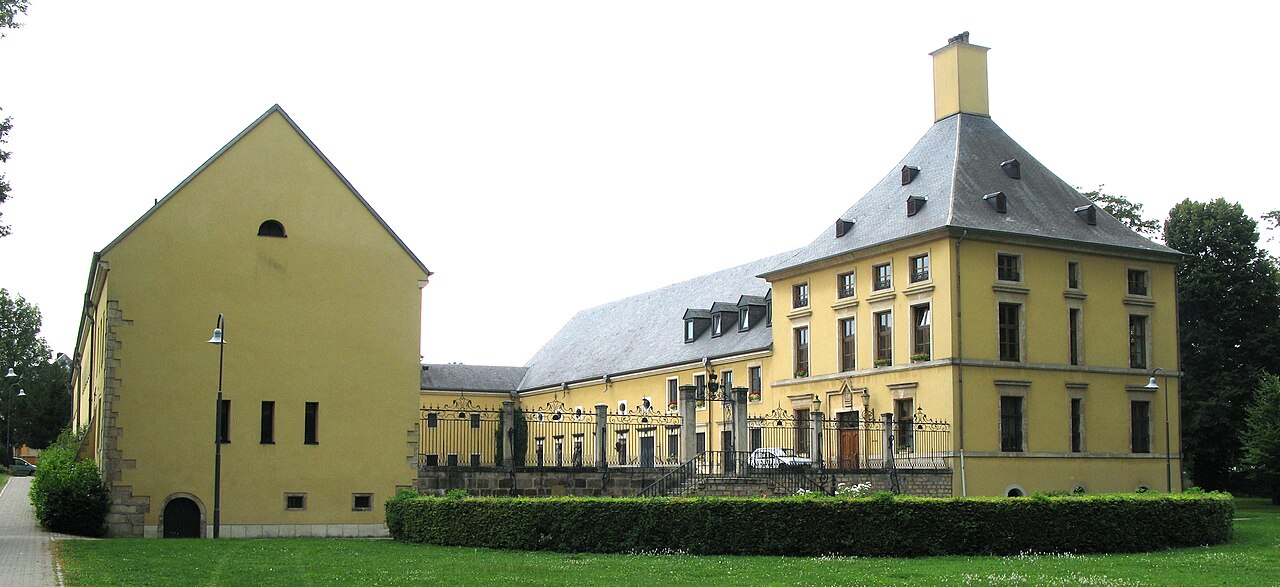
Ottange Castle
Ottange Castle, known locally as Château d'Ottange, is situated in the wooded hills above the village of Ottange in the Moselle department of France, near the border with Luxembourg. This site holds significant historical value due to its origins in the high medieval period and its evolution through various phases of destruction and reconstruction, reflecting the turbulent history of the region.
Medieval origins and early history
The castle was first documented in the 13th century, a time when the region was marked by feudal conflicts and territorial disputes. Initially owned by the Dukes of Lorraine, Ottange Castle came under the control of the Duke of Bar in 1278. The castle's strategic location near the border made it an important defensive site during the high medieval period. The surviving round corner tower is a characteristic example of medieval military architecture, designed to provide both surveillance and defense.
Destruction and transformation in the early modern period
In 1671, the castle suffered significant damage during military actions led by Marshal François de Créquy, reflecting the ongoing conflicts of the 17th century in this border region. Later, in 1734, the medieval fortress was completely demolished by its owner at the time, Jean-Antoine d’Eltz, who replaced it with a grand château. This transformation illustrates the shift from fortified castles to more comfortable and representative noble residences during the early modern period.
The 18th-century château and its demise
The château constructed by Jean-Antoine d’Eltz incorporated contemporary architectural styles of the 18th century, likely featuring elegant living quarters and formal gardens, typical of French aristocratic residences. Unfortunately, this building was destroyed by fire in 1792, a period coinciding with the upheavals of the French Revolution. The remains of the château were further dismantled in 1810 by Count Philippe-Antoine d’Hunolstein, marking the end of the site's use as a noble residence.
Current remains and architectural features
Today, the site of Ottange Castle is a ruin that offers a glimpse into its layered history. The most prominent surviving feature is a round medieval corner tower, which is heavily overgrown with ivy but still stands as a testament to the castle's original defensive function. Adjacent to this tower are the ruins of an 18th-century building, believed to have been the château's chapel. This chapel ruin, although inaccessible to visitors, adds to the historical narrative of the site.
Site accessibility and preservation
The castle ruins are accessible from a forest road, allowing visitors to view the exterior structures. The terrace area around the ruins is currently used for grazing cattle, which limits preservation efforts. Despite this, Ottange Castle remains a noteworthy example of a medieval fortress that underwent significant transformation during the early modern period, reflecting broader architectural and historical trends in the Moselle region.
Historical significance and regional context
Ottange Castle's history encapsulates the shifting political and military landscape of northeastern France. Its initial role as a high medieval fortress under the Dukes of Lorraine and the Duke of Bar highlights its strategic importance. The later destruction and rebuilding phases mirror the decline of feudal fortifications and the rise of aristocratic châteaux, a common pattern in French castle history. The castle's partial destruction during the 17th century and again in the revolutionary period further illustrate the impact of broader European conflicts on local heritage sites.
Architectural legacy
Although much of Ottange Castle has been lost, the remaining medieval tower and chapel ruins provide valuable insights into the architectural styles and defensive strategies of their respective periods. The round tower's design reflects typical medieval military architecture focused on defense and visibility, while the 18th-century chapel ruins indicate the site's adaptation to more domestic and religious functions over time.
In summary, Ottange Castle stands as a layered historical monument, illustrating the evolution from medieval fortification to early modern noble residence and the effects of warfare and political change on architectural heritage. Its ruins continue to attract interest for their historical and architectural significance within the Moselle region of France.
Frequently asked questions (FAQ)
- How do I get to Ottange Castle?
- Ottange Castle is located in the charming town of Ottange, France. You can reach it by car via the A31 motorway, or by taking public transport to the nearest train station in Hayange, followed by a short taxi ride. The scenic drive through the Lorraine region adds to the experience of visiting this historic site.
- What is the historical significance of Ottange Castle?
- Ottange Castle dates back to the 13th century and is a remarkable example of medieval architecture. It has witnessed many historical events, including conflicts between France and Germany over the centuries. Today, it stands as a testament to the region's rich history and cultural heritage.
- When was Ottange Castle built?
- The construction of Ottange Castle began in the early 13th century, with significant modifications occurring in subsequent centuries. Originally built for defensive purposes, its architecture reflects the styles prevalent during the medieval period. The castle has been preserved to showcase its historical importance.
- Can I visit Ottange Castle year-round?
- Yes, Ottange Castle is open to visitors year-round, though hours may vary by season. It is advisable to check the official website for specific opening times and any seasonal events that might enhance your visit. Guided tours are often available, offering deeper insights into the castle's history.
- Why is Ottange Castle popular among tourists?
- Ottange Castle is popular due to its stunning architecture and rich history, making it a must-see for history enthusiasts and families alike. Visitors are drawn to its picturesque surroundings and the opportunity to explore the medieval structures. Additionally, the castle often hosts events and exhibitions that attract tourists.
- Is it possible to take guided tours of the castle?
- Yes, guided tours of Ottange Castle are available and highly recommended for a more enriching experience. Knowledgeable guides share fascinating stories and historical context about the castle and its significance. Be sure to check the schedule for tour times and availability during your visit.
- What are the ticket prices for visiting Ottange Castle?
- Ticket prices for Ottange Castle are generally affordable, with discounts available for students and seniors. Children under a certain age may enter for free, making it a great destination for families. It is best to check the official website for the most current pricing information and any special offers.
- What is the best time to visit Ottange Castle?
- The best time to visit Ottange Castle is during the spring and early autumn when the weather is mild and pleasant. This season allows for comfortable exploration of the castle grounds and surrounding gardens. Additionally, you may catch seasonal events that enhance the overall experience.
- Are there nearby attractions to visit along with the castle?
- Yes, there are several nearby attractions, including the charming town of Hayange and the beautiful regional parks of Lorraine. Visitors can also explore local museums and enjoy the scenic landscapes of the area. Planning a day trip allows you to experience both the castle and the rich culture of the region.
Information
Loading map...
Visitor reviews
No reviews yet. Been here? Write the first review and help other travelers!
Write the first reviewVisited this castle? Share your experience
Your review helps other travelers and adds first-hand knowledge to our encyclopedia.