Olszyniec
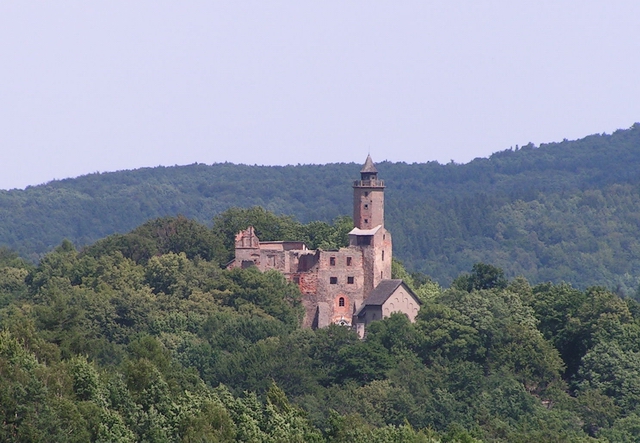
Olszyniec Castle was a modest late medieval hill castle located near the village of Olszyniec, now part of the town of Jedliny-Zdrój in southwestern Poland. Nestled at the foothills of the Sowie Mountains (Góry Sowie), this small fortress occupied a strategic position in the valley of the Bystrzyca River. Constructed around the turn of the 14th to 15th century, it served as a knightly seat during a turbulent period marked by regional conflicts and shifting allegiances.
The castle was likely built as a stone structure, typical of minor noble residences of the time, designed to provide defense and control over the surrounding lands. Despite its strategic location, Olszyniec Castle had a relatively short lifespan, functioning for only a few decades before being destroyed in the Hussite Wars of the early 15th century. These wars, which ravaged much of Central Europe, led to the castle's ruin and it was never rebuilt.
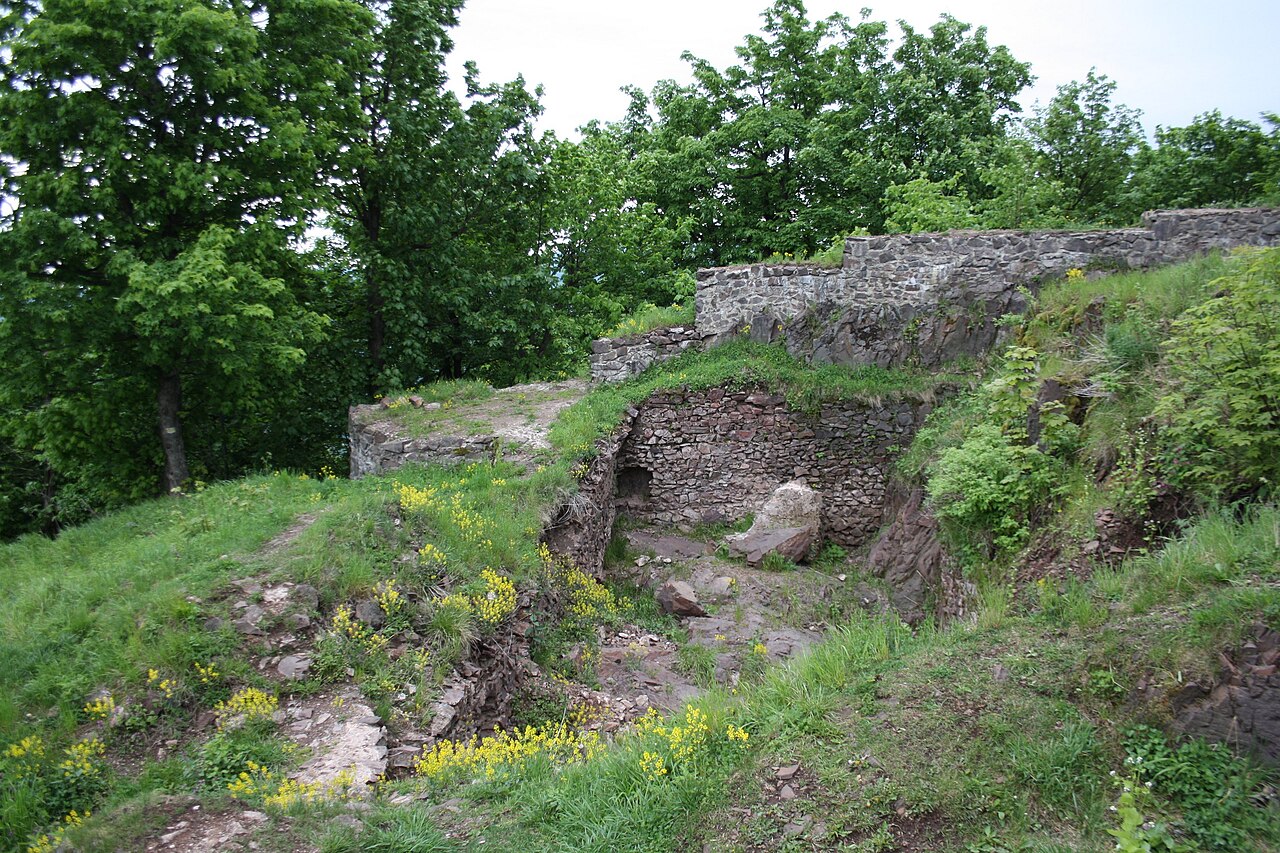
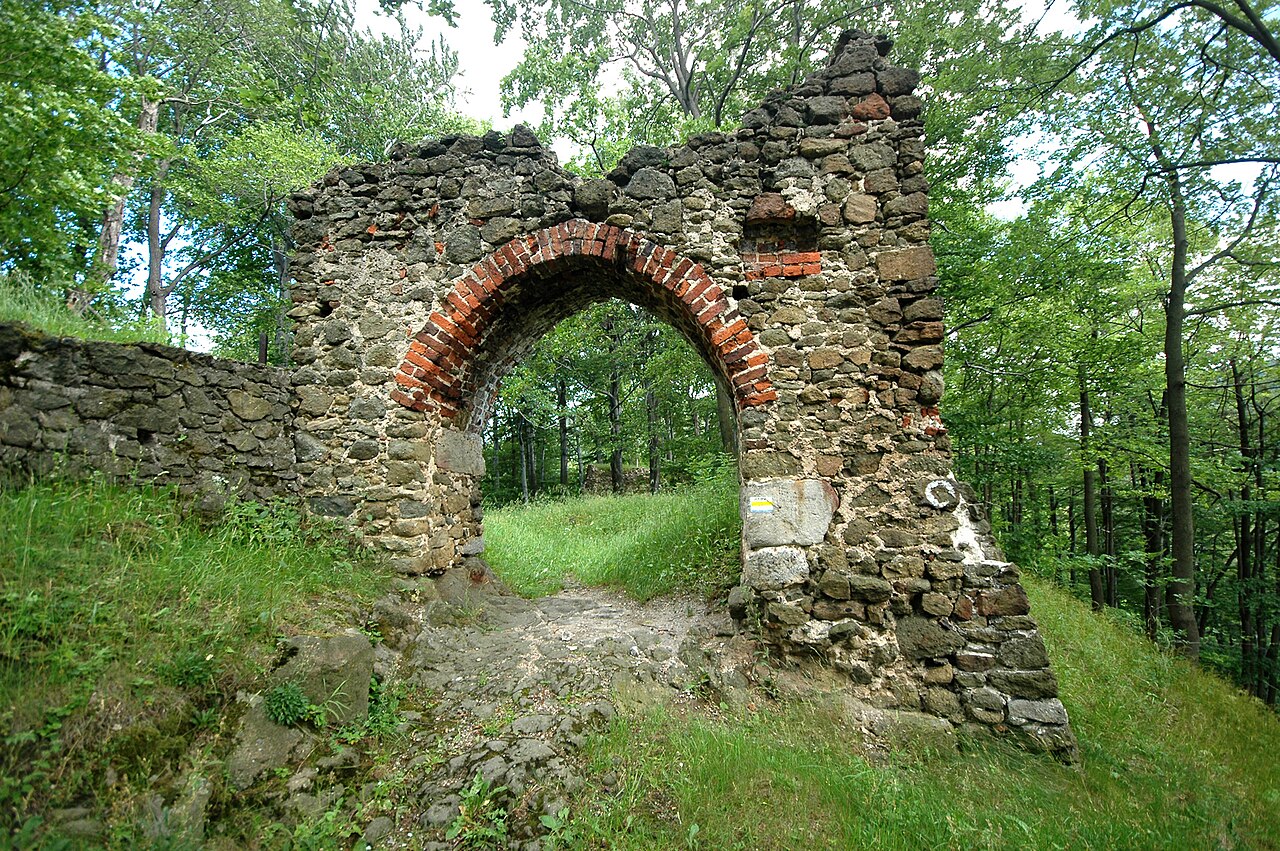
Today, there are no visible remains of the castle above ground, and the exact site of the fortress remains a subject of some debate among historians and archaeologists. The absence of physical remnants makes it difficult to reconstruct the castle's precise layout or architectural details, but historical records and local tradition confirm its existence and significance during the late medieval period.
Historical context and significance
The region around Olszyniec was a contested borderland during the late Middle Ages, with various noble families vying for control. The castle likely functioned as a minor defensive stronghold and administrative center for a local knightly family. Its location in the Bystrzyca valley would have allowed control over trade routes and local resources.
The Hussite Wars (1419-1434), a series of religious and political conflicts triggered by the reformist Hussite movement in Bohemia, spilled over into neighboring Silesia and Lower Lusatia. Many small castles and fortifications in the area were attacked or abandoned during this period. Olszyniec Castle was among those destroyed, reflecting the widespread disruption caused by these wars.
Architectural features and construction
While no physical structures survive, it is believed that Olszyniec Castle was constructed primarily from stone, which was common for castles in the region during the late medieval era. The castle was probably a modest hilltop fortress, featuring defensive walls and possibly a small keep or tower house. Its design would have prioritized defense and surveillance over grand residential comforts.
The castle's placement on a hill overlooking the valley provided natural defensive advantages, allowing defenders to spot approaching enemies and control the surrounding landscape. The use of local stone materials would have integrated the castle visually into its mountainous environment.
Current status and archaeological considerations
Today, Olszyniec Castle exists only in historical documentation and local lore. No visible ruins remain, and the exact location is uncertain, complicating archaeological efforts. The site is considered an archaeological site rather than a preserved castle ruin.
Despite the lack of physical remains, the castle holds cultural and historical importance as a representation of the region's medieval heritage and the impact of the Hussite Wars on local fortifications. It attracts interest from historians and enthusiasts of medieval architecture and regional history.
Visiting and local context
Visitors to the area can explore the surroundings of Jedliny-Zdrój and the Sowie Mountains, enjoying the natural beauty and hiking opportunities. While the castle itself cannot be visited, the region offers insights into the medieval history of southwestern Poland through nearby preserved castles and historical sites.
The story of Olszyniec Castle contributes to understanding the network of small fortifications that dotted the landscape during the late medieval period, reflecting the social and military dynamics of the time.
Frequently asked questions (FAQ)
- When was Olszyniec Castle built and by whom?
- Olszyniec Castle was built around the turn of the 14th to 15th century as a small stone fortress serving a local knightly family in the region now known as Lower Silesia, Poland.
- What happened to Olszyniec Castle during the Hussite Wars?
- The castle was destroyed during the Hussite Wars in the early 15th century and was never rebuilt, leading to its disappearance from the landscape.
- Are there any visible remains of Olszyniec Castle today?
- No visible remains of Olszyniec Castle survive today. The exact location of the castle is uncertain, and it exists mainly as an archaeological site and historical record.
- Can visitors tour Olszyniec Castle?
- Since there are no surviving structures or ruins, Olszyniec Castle cannot be toured. Visitors can explore the surrounding area and nearby historical sites in the Sowie Mountains region.
- Why is Olszyniec Castle historically significant?
- Despite its small size and short existence, Olszyniec Castle reflects the turbulent history of the region during the late medieval period, especially the impact of the Hussite Wars on local fortifications.
Information
Loading map...
Visitor reviews
No reviews yet. Been here? Write the first review and help other travelers!
Write the first reviewVisited this castle? Share your experience
Your review helps other travelers and adds first-hand knowledge to our encyclopedia.