New Hrodna Castle
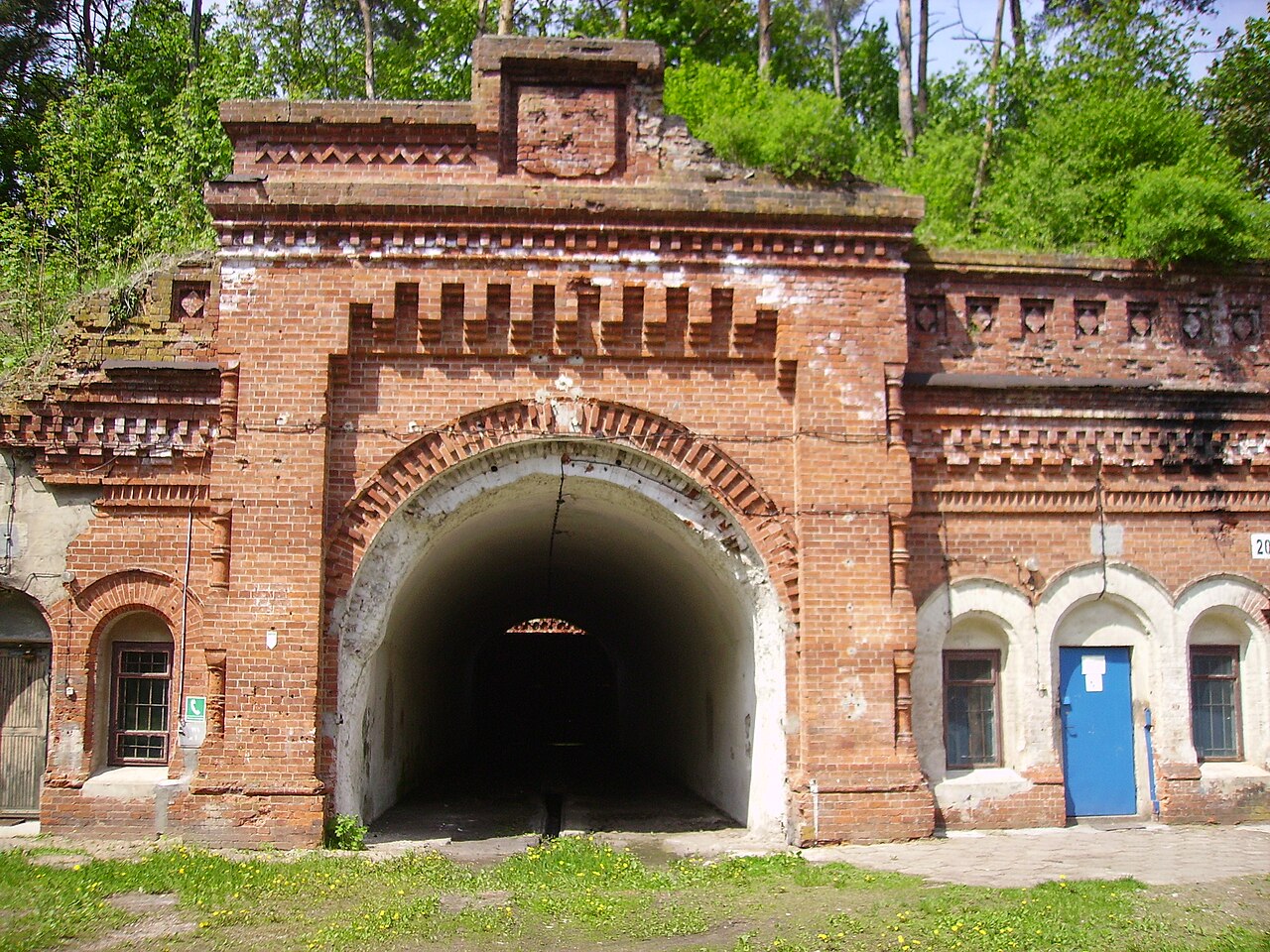
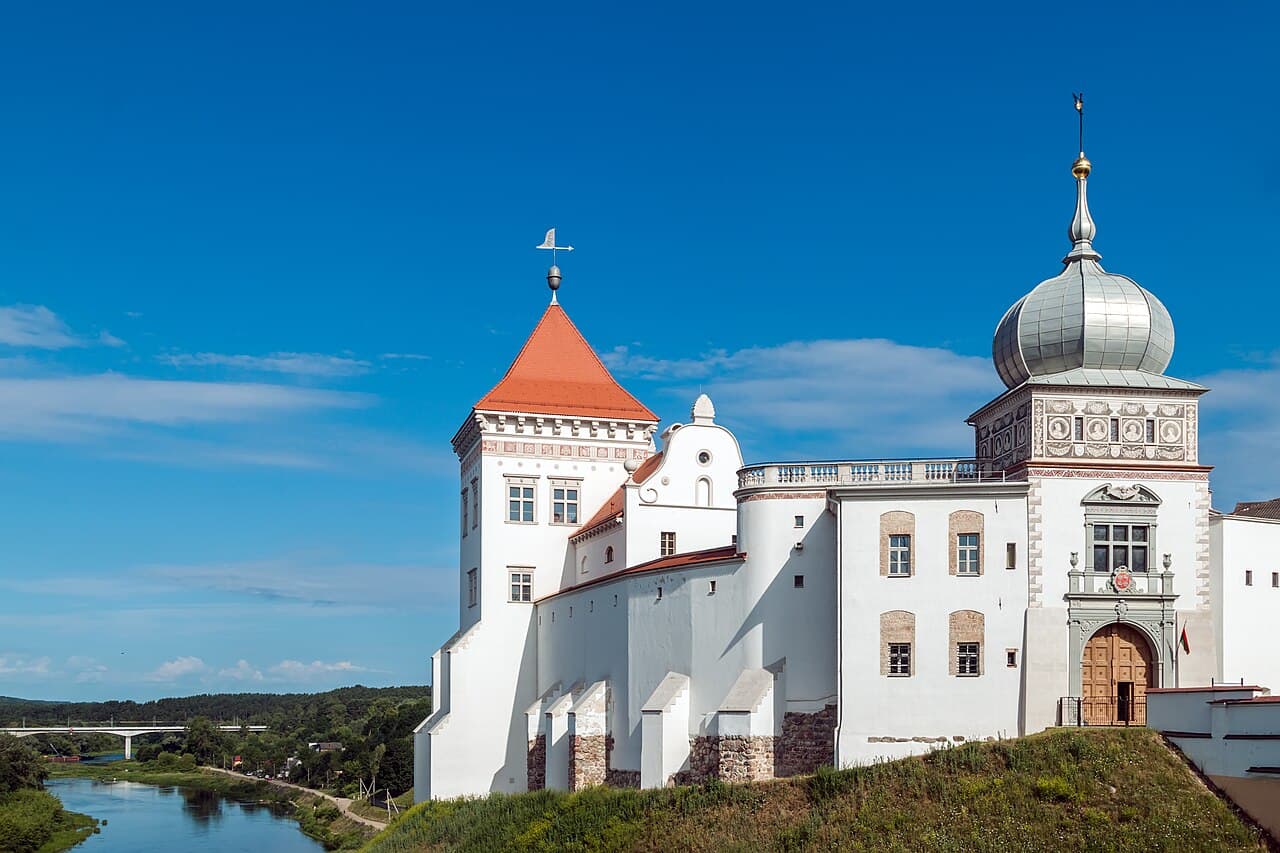
New Hrodna Castle stands prominently on a high bank of the Neman River in Hrodna, Belarus, embodying the grandeur and complex history of the Polish-Lithuanian Commonwealth's late period. Constructed in the 18th century as a royal residence, it replaced the older medieval fortress nearby and became the stage for pivotal events such as the 1793 Grodno Sejm, one of the last parliaments of the Commonwealth. The castle's location, architectural design, and historical significance make it a key monument in Belarusian cultural heritage.
Architectural design and construction
The New Hrodna Castle was designed primarily by the Saxon architect Carl Friedrich Pöppelmann and constructed between 1734 and 1751. The project saw contributions from other notable Saxon architects including Johann Friedrich Knöbel and Joachim Daniel von Jauch, with final completion under Giuseppe de Sacco in 1789. The palace exemplifies post-Renaissance architectural styles with refined elements that originally included Rococo detailing, although much of this was lost during the devastations of World War II.
Situated on a hilltop overlooking the river, the castle is classified as a hill castle. Its design reflects the transition from fortified medieval castles to more comfortable royal residences, emphasizing elegance and representational function over military defense. The palace compound is connected to the Old Hrodna Castle by a historic 300-year-old arch bridge, symbolizing the continuity of royal presence in the city.
Historical significance and royal residence
The castle was commissioned by Augustus III of Poland and later served as the residence of the last king of Poland, Stanisław August Poniatowski. It was here that the infamous Grodno Sejm of 1793 took place, a parliamentary session marked by the coerced acceptance of the Second Partition of Poland, which drastically reduced the Commonwealth's territory.
King Stanisław II August resided in the palace until 1797, after which the political landscape of the region changed dramatically due to the partitions and foreign domination. The castle witnessed many historical episodes, including a council of war held by the Polish-Lithuanian military leader Tadeusz Kościuszko in 1794, commemorated by a plaque on the palace wall.
Later uses and transformations
Throughout the 19th century, the New Hrodna Castle was repurposed for military use, serving as a hospital and barracks. These functional adaptations led to significant alterations and loss of its original decorative features. In the interwar period, under Polish administration, the palace underwent renovation efforts aimed at restoring some of its historical character.
During World War II, the castle suffered extensive damage, resulting in the disappearance of much of the original Rococo detailing. The Soviet authorities later refurbished the building, albeit superficially, to serve as the headquarters of the local communist party committee (obkom).
Relationship with the old hrodna castle
The Old Hrodna Castle, also known as the Upper Castle or Bathory's Castle, is a medieval fortress dating back to the 11th century. It served as the seat of Black Ruthenian rulers and was expanded and transformed over centuries, notably by Vytautas the Great in the late 14th century and King Stephen Báthory in the 16th century, who introduced Renaissance elements. The Old Castle suffered damage in wars and eventually lost its status as the royal residence to the New Castle.
The two castles are linked not only physically by the historic arch bridge but also historically, representing different eras of regional power and architectural evolution. The Old Castle now houses the main exhibition of the Grodno Museum of History and Archeology, preserving the rich heritage of the site.
Cultural heritage and current status
Today, the New Hrodna Castle remains a significant cultural landmark in Belarus. Although much of its original opulence has been lost, ongoing preservation efforts highlight its importance as a symbol of the region's royal past and the turbulent history of the Polish-Lithuanian Commonwealth.
The castle's location overlooking the Neman River and its connection to the Old Castle via the ancient bridge make it a popular destination for visitors interested in history, architecture, and Eastern European heritage. The commemorative plaques and the surviving architectural elements offer insights into the castle's multifaceted past.
Frequently asked questions (FAQ)
- What is the historical significance of New Hrodna Castle?
- New Hrodna Castle, dating back to the 12th century, played a crucial role in the defense of the region and has witnessed numerous historical events. It served as a royal residence and a military fortress, reflecting the architectural styles of various periods, making it a significant cultural landmark in Belarus.
- When is the best time to visit New Hrodna Castle?
- The best time to visit New Hrodna Castle is during the late spring and early autumn months, particularly from May to September. During this time, the weather is typically mild, allowing visitors to explore the castle grounds and surrounding areas comfortably.
- What are the opening hours for New Hrodna Castle?
- New Hrodna Castle is open to visitors year-round, with varying hours depending on the season. Typically, the castle opens at 10 AM and closes between 5 PM and 7 PM, so it's advisable to check the official website for the latest information before your visit.
- Is it possible to access New Hrodna Castle with a wheelchair?
- Yes, New Hrodna Castle has made efforts to improve accessibility for all visitors, including those with mobility challenges. While some areas may have limited access due to historical architecture, there are designated paths and facilities to ensure a comfortable visit.
- Can I purchase tickets online for New Hrodna Castle?
- Yes, visitors can purchase tickets online through the official New Hrodna Castle website, which is recommended to avoid long queues at the entrance. Online booking also often offers discounts and special packages for groups and families.
- What nearby attractions can I visit while in Hrodna?
- While visiting New Hrodna Castle, you can also explore other attractions such as the Old Hrodna Castle, the Church of St. Francis Xavier, and the Hrodna Regional Museum. These sites offer a deeper insight into the rich history and culture of the region.
- How do I get to New Hrodna Castle from the city center?
- New Hrodna Castle is conveniently located within walking distance from the city center. Visitors can also use local transport services, such as buses or taxis, which provide easy access to the castle, ensuring a hassle-free journey.
- What architectural styles can be seen at New Hrodna Castle?
- New Hrodna Castle showcases a blend of architectural styles, including Gothic, Renaissance, and Baroque elements. This combination reflects the castle's long history and the various modifications made over the centuries, making it a fascinating site for architecture enthusiasts.
Photo gallery

Information
Loading map...
Visitor reviews
No reviews yet. Been here? Write the first review and help other travelers!
Write the first reviewVisited this castle? Share your experience
Your review helps other travelers and adds first-hand knowledge to our encyclopedia.