Neu-Homburg Castle Ruins
Neu-Homburg Castle, also known simply as Homburg Castle, is a significant medieval ruin located in the municipality of Läufelfingen in the Canton of Basel-Country, Switzerland. This castle, built around 1240, served as an important stronghold and administrative center through the High Medieval period. The site is recognized as a Swiss heritage site of national significance, reflecting its historical and architectural importance.
Founding and early history
The origins of Neu-Homburg Castle are closely linked to the Froberg family, a noble lineage that established their seat here in the 13th century. The castle was constructed by Count Hermann IV of Frohburg, who settled in the Läufelfingen valley around 1240. This strategic location allowed the Frobergs to exert control over the surrounding lands and trade routes.
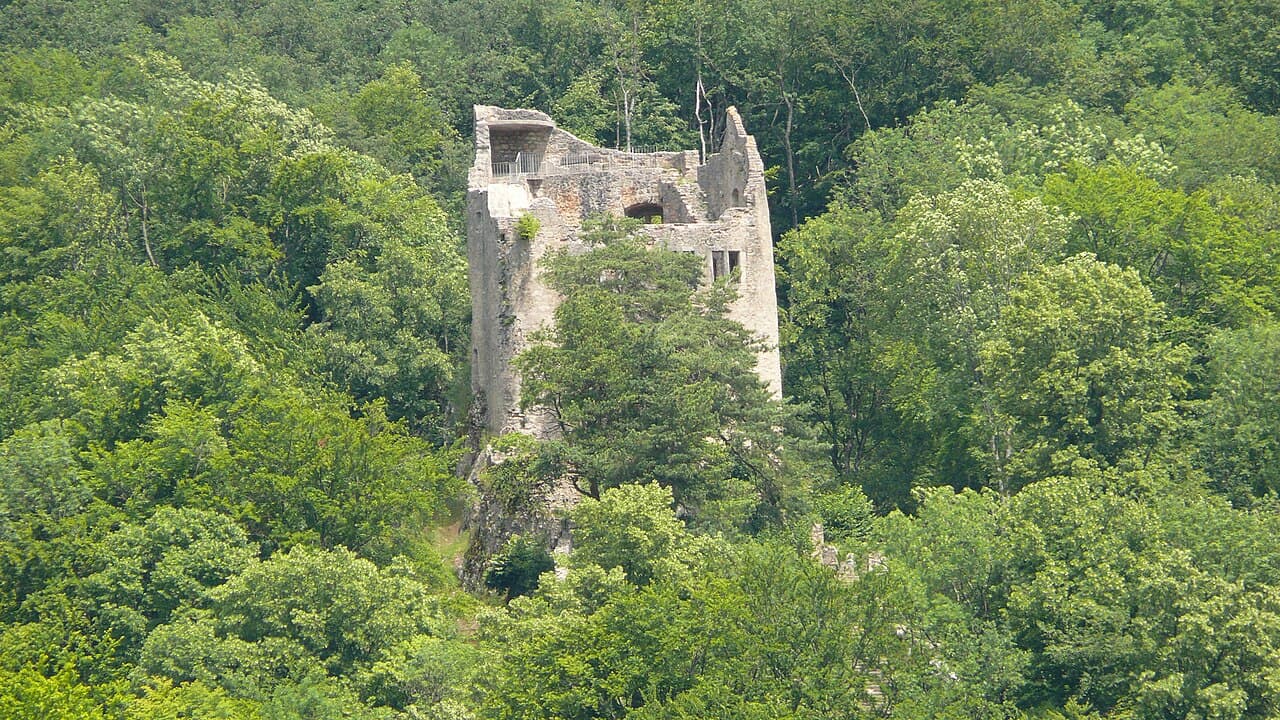
In 1303, the castle changed hands when the Bishop of Basel acquired the property. Recognizing its strategic value, the bishop initiated the construction of a new castle complex, including a mighty residential tower that served as the seat for his Vogts—the local officials who administered the bishop's secular authority in the region.
Architectural features and layout
Neu-Homburg Castle was designed in the typical style of High Medieval fortifications. The castle featured a robust residential tower or keep, which was the dominant structure and symbolized both military strength and noble residence. Surrounding the tower were defensive walls and other supporting buildings arranged to protect the core of the castle.
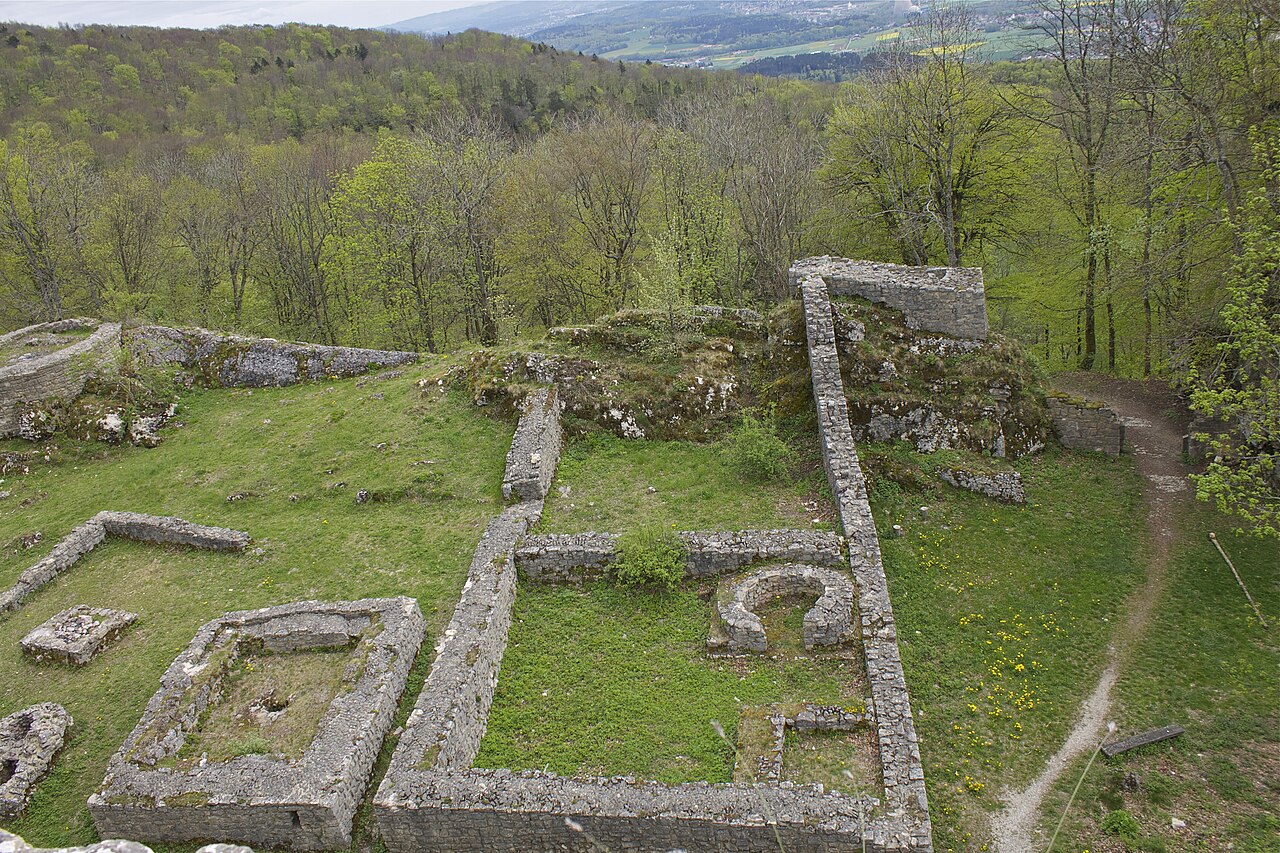
The castle's elevated position in the valley provided natural defensive advantages, complemented by man-made fortifications. While much of the castle now lies in ruins, archaeological studies have revealed the footprint of the original structures, including the layout of the courtyards, battlements, and living quarters.
Destruction and decline
The castle's decline began in the late 18th century during a period of political upheaval. Following the French Revolution, widespread unrest spread across the region, including the rural areas governed by the Bishop of Basel. The local population rebelled against the bishop's authority in what is known as the peasant revolt of 1798.
During the night of 23rd to 24th January 1798, Neu-Homburg Castle was deliberately burnt down by the insurgents. This act marked the end of the castle as a functional fortress and administrative seat. In the years that followed, the ruins were auctioned off and used as a quarry, leading to further degradation of the site.
Cultural significance and preservation
Despite its ruined state, Neu-Homburg Castle remains an important cultural landmark. It offers valuable insights into the medieval history of the Basel region and the architectural styles of the time. The castle's ruins are protected as part of Switzerland's national heritage, ensuring that they are preserved for future generations.
Visitors to the site can explore the remains of the castle and learn about its historical context through interpretive signage and guided tours offered by local heritage organizations. The castle's position in the scenic Läufelfingen valley also makes it a popular destination for hikers and history enthusiasts.
Visiting information and accessibility
Neu-Homburg Castle ruins are accessible to the public, although the site is primarily an archaeological ruin without modern visitor facilities. The terrain can be uneven, so appropriate footwear is recommended. There are no entrance fees, and the site can be visited year-round, making it an attractive spot for those interested in Swiss medieval history and castle architecture.
Nearby attractions include other historical sites in the Canton of Basel-Country, offering a broader perspective on the region's rich cultural heritage.
Frequently asked questions (FAQ)
- When was Neu-Homburg Castle built and by whom?
- Neu-Homburg Castle was built around 1240 by Count Hermann IV of Frohburg, who established it as his family's seat in the Läufelfingen valley.
- What led to the destruction of Neu-Homburg Castle?
- The castle was destroyed during the peasant revolt against the Bishop of Basel's authority in the night of 23rd to 24th January 1798, when it was deliberately burnt down by insurgents.
- Can visitors access Neu-Homburg Castle ruins today?
- Yes, the ruins are open to the public year-round without an entrance fee. Visitors should wear appropriate footwear as the terrain is uneven and the site is mainly an archaeological ruin.
- What architectural features characterized Neu-Homburg Castle?
- Neu-Homburg featured a mighty residential tower serving as the seat of the Bishop's Vogts, surrounded by defensive walls and supporting buildings typical of High Medieval fortifications.
- Is Neu-Homburg Castle recognized for its cultural significance?
- Yes, it is a Swiss heritage site of national significance, protected for its historical and architectural value in the Basel-Country region.
Photo gallery

Information
Current owner
Swiss heritage authorities
Loading map...
Visitor reviews
No reviews yet. Been here? Write the first review and help other travelers!
Write the first reviewVisited this castle? Share your experience
Your review helps other travelers and adds first-hand knowledge to our encyclopedia.