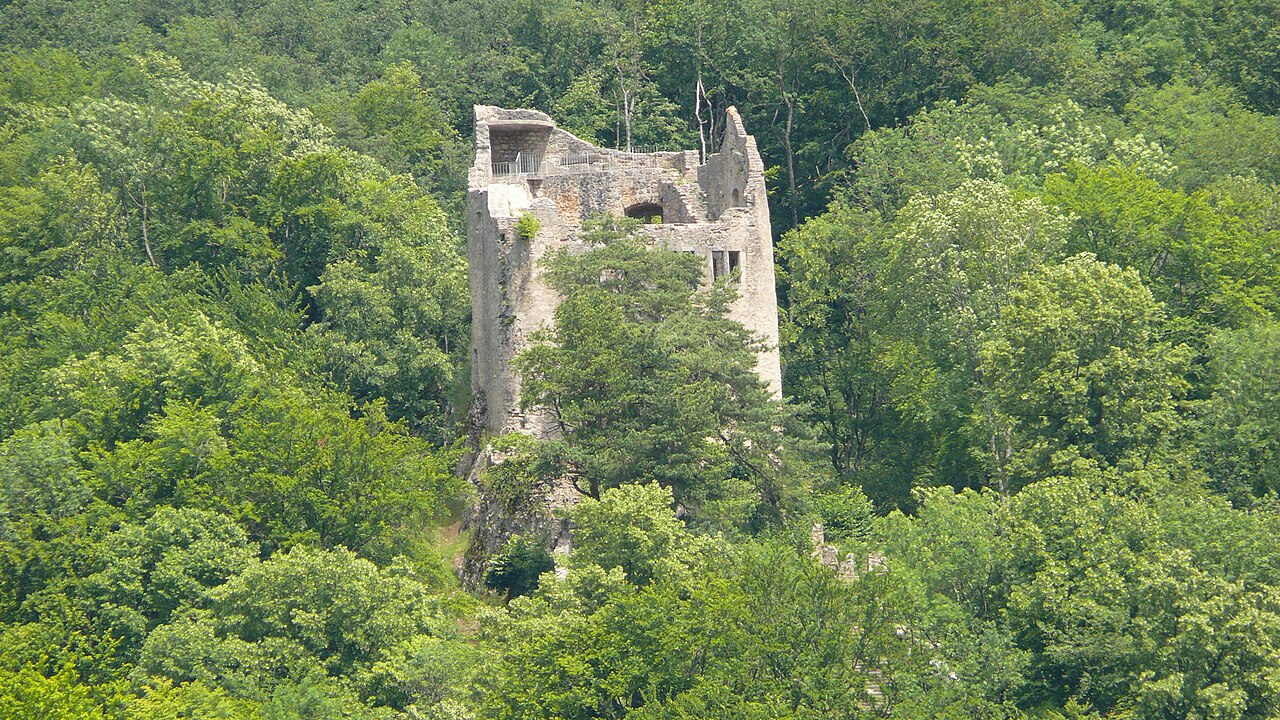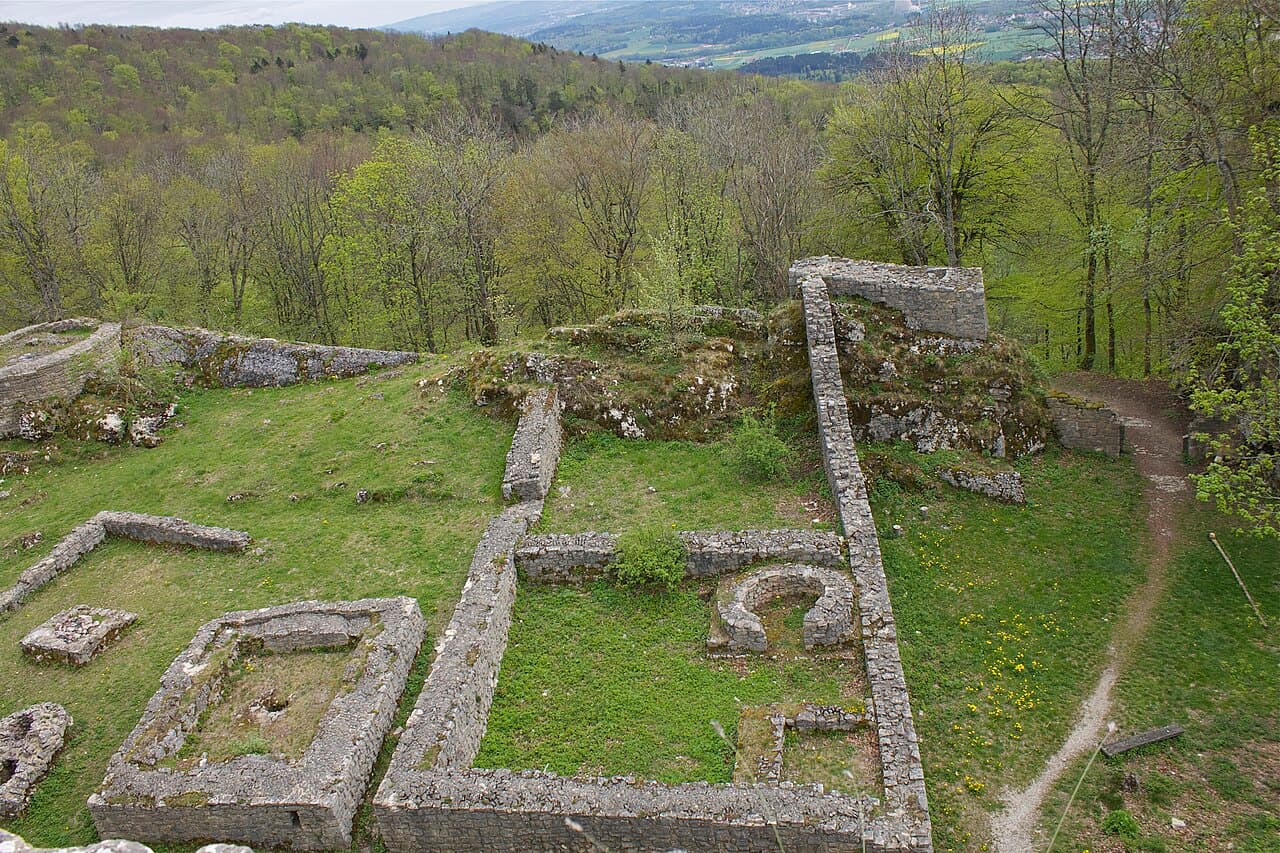
Frohburg Castle — Switzerland castle

Frohburg Castle

Frohburg Castle in Trimbach, Switzerland
Trimbach, Switzerland
Early Medieval (5th–10th c.)
Ruins

Frohburg Castle stands as a significant archaeological site in Trimbach, Canton of Solothurn, Switzerland. Its origins trace back to the 10th century AD, when the local Frohburg noble family established the fortress to assert control over the surrounding region. The site itself reveals a much longer history of human activity, with evidence of habitation dating back to the Bronze Age and the Roman period, indicating its longstanding strategic and cultural importance.

Early history and construction

The initial construction of Frohburg Castle occurred during the early medieval period, specifically in the 10th century. The castle was built as a fortified residence for the Frohburg family, who were local lords wielding influence in the region. The choice of location was likely motivated by defensive advantages and control over trade routes and agricultural lands nearby.

Archaeological findings suggest that the castle began as a relatively modest stronghold, which was expanded over subsequent centuries. The castle's layout included typical early medieval defensive features such as thick stone walls and a fortified gatehouse, designed to withstand attacks common during the turbulent Middle Ages.

Medieval expansion and industrial activity

Throughout the Middle Ages, Frohburg Castle underwent significant enlargement. These expansions reflected the growing wealth and power of the Frohburg family. The castle complex likely included residential quarters, defensive towers, and service buildings arranged around a central courtyard.

One notable aspect of the castle's medieval phase was the establishment of an iron furnace on the site. This industrial activity indicates the castle's role not only as a military and noble residence but also as a center of local economic production. The furnace would have been used to process iron ore, an important resource for tools, weapons, and construction materials.

Decline and ruin

The Frohburg family line came to an end around 1367. After their extinction, the castle gradually fell out of use and was abandoned. Over time, without maintenance, the fortress deteriorated and became a ruin. Local farmers later repurposed the castle's stones for their own construction needs, a common fate for many medieval castles that lost their strategic or residential value.

Despite its ruinous state, the remains of Frohburg Castle have persisted as a visible reminder of the region's medieval past. The site today is recognized as a Swiss heritage site of national significance, reflecting its cultural and historical importance.

Archaeological significance and preservation

As an archaeological ruins site, Frohburg Castle offers valuable insights into early medieval fortification techniques and noble life in the Swiss region. Excavations have helped clarify the castle's construction phases and the nature of its industrial activities. The ruins include remnants of walls, foundations, and other structural elements that illustrate the castle's original layout and defensive capabilities.

The site is accessible to visitors and is among the most popular historical attractions in the Olten area. Efforts to preserve the ruins ensure that this important piece of Swiss medieval heritage remains available for public education and enjoyment.

Location and cultural context

Frohburg Castle is situated within the municipality of Trimbach in the Canton of Solothurn. This region of Switzerland has a rich medieval history, with numerous castles and fortifications that reflect the complex political landscape of the time. The castle's strategic position would have allowed control over local routes and resources.

Today, the castle ruins contribute to the cultural landscape of the canton and serve as a tangible link to the early medieval period. Visitors to the site can explore the remains and gain an understanding of the historical significance of the Frohburg family and their role in shaping the region.

Frequently asked questions (FAQ)

How do I get to Frohburg Castle?
Frohburg Castle is located in Trimbach, Switzerland, and is easily accessible by car or public transport. If you're traveling by train, the nearest station is Olten, from which you can take a short bus ride to Trimbach. There are also well-marked walking paths leading to the castle for those who enjoy hiking.
What is the historical significance of Frohburg Castle?
Frohburg Castle dates back to the 13th century and served as a stronghold for the local nobility. It played a crucial role in the region's defense and has witnessed various historical events over the centuries. Today, the castle stands as a testament to medieval architecture and local history.
When was Frohburg Castle built?
Frohburg Castle was constructed in the early 13th century, around the year 1220. It has undergone several renovations and restorations throughout the centuries, preserving its historical charm while adapting to modern needs. The castle's long-standing presence makes it a significant landmark in the area.
Can I visit Frohburg Castle year-round?
Yes, Frohburg Castle is open to visitors throughout the year, although specific opening hours may vary by season. It's advisable to check the official website or contact the castle administration for the most current visiting hours before planning your trip. Guided tours are also available to enhance your experience.
Why is Frohburg Castle a popular tourist destination?
Frohburg Castle attracts visitors due to its stunning architecture, rich history, and picturesque location. The castle offers breathtaking views of the surrounding landscape, making it a perfect spot for photography and exploration. Additionally, the castle often hosts cultural events and exhibitions that draw even more visitors.
Is it possible to hold events at Frohburg Castle?
Yes, Frohburg Castle is available for private events, including weddings, corporate functions, and special celebrations. The castle's unique setting provides a memorable backdrop for any occasion. Be sure to contact the castle management to discuss availability and event planning details.
What are the ticket prices for visiting Frohburg Castle?
Tickets to Frohburg Castle are reasonably priced, with discounts available for students, seniors, and families. A small fee is charged for guided tours, which provide in-depth information about the castle's history and architecture. Check the official website for current pricing and any special offers.
What is the best time to visit Frohburg Castle?
The best time to visit Frohburg Castle is during the spring and early autumn when the weather is pleasant, and the surrounding nature is vibrant. Additionally, visiting during these seasons allows you to enjoy outdoor activities and events that may be taking place. Summer can be busy with tourists, so plan accordingly.
Are there any nearby attractions to explore after visiting the castle?
Yes, there are several attractions near Frohburg Castle, including the charming town of Trimbach and the scenic Aare River. Visitors can also explore nearby hiking trails and parks that offer stunning views of the Swiss countryside. Don’t miss the opportunity to experience local cuisine at nearby restaurants following your castle visit.

Photo gallery

Frohburg Castle
Click to view

Photo by Minnou•CC BY-SA 3.0

1 photo • Click any image to view in full screen

Information

Archaeological Site / Ruins

Loading map...

Visitor reviews

No reviews yet. Been here? Write the first review and help other travelers!

Write the first review

Visited this castle? Share your experience

Your review helps other travelers and adds first-hand knowledge to our encyclopedia.

Write a review

(5/5)

0/2000 characters

Your review will be visible after admin approval

Nearby castles

3.6 km

Wartenfels Castle

Lostorf, Switzerland

Wartenfels Castle is a notable medieval fortress located in Lostorf, Switzerland. Constructed in the early 13th century, it was originally built by the Wartenfels counts, who were vassals of the powerful Habsburg family. This castle exemplifies the typical high medieval fortification style prevalent during its time, serving both as a defensive stronghold and a noble residence. Historical background and ownership The castle's origins trace back to the high medieval period, a time marked by feudal conflicts and territorial consolidation in the region. The Wartenfels counts established the castle to assert their control and influence in the area under Habsburg overlordship. Over the centuries, Wartenfels Castle passed through the hands of various noble families, reflecting the shifting political alliances and inheritances common in medieval Europe. During the 18th and 19th centuries, the castle underwent significant changes as residential buildings were added to adapt the fortress from a purely defensive structure into a more comfortable noble residence. A chapel was also constructed during this period, indicating the castle's evolving role as a domestic and religious center. Architectural features and layout The castle's original design included typical high medieval defensive elements such as thick stone walls, battlements, and possibly a keep or donjon serving as the last line of defense. The location on a strategic site would have provided natural protection and vantage points over the surrounding landscape. The later additions in the 18th and 19th centuries introduced residential wings and a chapel, reflecting architectural styles of those centuries and the changing needs of its inhabitants. These structures likely feature larger windows and more comfortable living quarters compared to the austere medieval fortress components. The chapel and residential expansions The chapel added in the 18th or 19th century would have served as a private place of worship for the castle's residents. Its inclusion marks a shift from the castle's military origins toward a more peaceful, domestic function. The residential buildings expanded the living space and modernized the castle's facilities, aligning with contemporary noble lifestyles. Preservation and current status Today, Wartenfels Castle remains an important cultural and historical landmark in Lostorf. Its preservation allows visitors and scholars to study the evolution of medieval fortifications and noble residences in Switzerland. The castle's blend of medieval and later architectural elements offers insight into the adaptation of defensive structures for residential purposes over time. The castle's condition is generally well preserved, with many original features still visible alongside the later additions. This preservation status makes it accessible for educational and tourism activities, contributing to the appreciation of Swiss medieval heritage. Significance in Swiss medieval heritage Wartenfels Castle holds a significant place in the history of the region as a representation of feudal power under the Habsburgs. Its endurance through centuries of ownership changes and architectural modifications illustrates the dynamic history of Swiss castles adapting to social and political transformations. The castle's combination of high medieval military architecture and later residential expansions provides a valuable case study for historians and architects interested in the development of castle design and function from the Middle Ages through the early modern period.

High Medieval (11th–13th c.)
Details
3.7 km
Neu-Homburg Castle Ruins — Switzerland castle

Neu-Homburg Castle Ruins

Läufelfingen, Switzerland

Neu-Homburg Castle, also known simply as Homburg Castle, is a significant medieval ruin located in the municipality of Läufelfingen in the Canton of Basel-Country, Switzerland. This castle, built around 1240, served as an important stronghold and administrative center through the High Medieval period. The site is recognized as a Swiss heritage site of national significance, reflecting its historical and architectural importance. Founding and early history The origins of Neu-Homburg Castle are closely linked to the Froberg family, a noble lineage that established their seat here in the 13th century. The castle was constructed by Count Hermann IV of Frohburg, who settled in the Läufelfingen valley around 1240. This strategic location allowed the Frobergs to exert control over the surrounding lands and trade routes. In 1303, the castle changed hands when the Bishop of Basel acquired the property. Recognizing its strategic value, the bishop initiated the construction of a new castle complex, including a mighty residential tower that served as the seat for his Vogts—the local officials who administered the bishop's secular authority in the region. Architectural features and layout Neu-Homburg Castle was designed in the typical style of High Medieval fortifications. The castle featured a robust residential tower or keep, which was the dominant structure and symbolized both military strength and noble residence. Surrounding the tower were defensive walls and other supporting buildings arranged to protect the core of the castle. The castle's elevated position in the valley provided natural defensive advantages, complemented by man-made fortifications. While much of the castle now lies in ruins, archaeological studies have revealed the footprint of the original structures, including the layout of the courtyards, battlements, and living quarters. Destruction and decline The castle's decline began in the late 18th century during a period of political upheaval. Following the French Revolution, widespread unrest spread across the region, including the rural areas governed by the Bishop of Basel. The local population rebelled against the bishop's authority in what is known as the peasant revolt of 1798. During the night of 23rd to 24th January 1798, Neu-Homburg Castle was deliberately burnt down by the insurgents. This act marked the end of the castle as a functional fortress and administrative seat. In the years that followed, the ruins were auctioned off and used as a quarry, leading to further degradation of the site. Cultural significance and preservation Despite its ruined state, Neu-Homburg Castle remains an important cultural landmark. It offers valuable insights into the medieval history of the Basel region and the architectural styles of the time. The castle's ruins are protected as part of Switzerland's national heritage, ensuring that they are preserved for future generations. Visitors to the site can explore the remains of the castle and learn about its historical context through interpretive signage and guided tours offered by local heritage organizations. The castle's position in the scenic Läufelfingen valley also makes it a popular destination for hikers and history enthusiasts. Visiting information and accessibility Neu-Homburg Castle ruins are accessible to the public, although the site is primarily an archaeological ruin without modern visitor facilities. The terrain can be uneven, so appropriate footwear is recommended. There are no entrance fees, and the site can be visited year-round, making it an attractive spot for those interested in Swiss medieval history and castle architecture. Nearby attractions include other historical sites in the Canton of Basel-Country, offering a broader perspective on the region's rich cultural heritage.

High Medieval (11th–13th c.)
Details
5.6 km

Alt-Wartburg Castle

Oftringen, Switzerland

Alt-Wartburg Castle is a significant medieval hill castle ruin located in Oftringen, Switzerland. Constructed around c. 1200 by the noble lords of Ifenthal, it served as a strategic stronghold in the region during the high medieval period. The castle's position atop the Säli peak at 632 meters elevation provided commanding views over the valleys of the Aare and Wigger rivers, underscoring its military and territorial importance. Although now a ruin, Alt-Wartburg remains a cultural property of national significance, embodying centuries of Swiss medieval history and architecture. Early history and construction The origins of Alt-Wartburg Castle trace back to the late 12th century, with construction commencing shortly before the year 1200 and documented as early as 1201. The castle was established by the lords of Ifenthal, a noble family active in the region who sought to assert greater independence from their overlords, the lords of Frobourg. The castle's initial design reflected typical high medieval hill castle architecture, featuring robust stone masonry walls adapted to the mountainous terrain. Throughout the 13th century, Alt-Wartburg underwent significant expansions, culminating around 1325. These extensions likely included strengthening of the defensive walls and enlargement of living quarters, reflecting the growing status and ambitions of its owners. The castle's multi-level construction is evidenced by archaeological finds such as fragments of tiled stoves and clay floor tiles, which indicate the presence of heated chambers designed for comfort during harsh winters. Ownership transitions and medieval significance By the mid-14th century, ownership of Alt-Wartburg passed from the Ifenthal family to the related Büttikon family. This period marked a continuity of noble stewardship, with the castle serving as a residence and defensive site. In 1379, the castle was sold to the influential Hallwyl family, who held it until the early 15th century. The Hallwyls were a prominent noble family in the region, and their acquisition of Alt-Wartburg reflected the castle's continued strategic and social importance. Destruction and abandonment in the 15th century The fate of Alt-Wartburg changed dramatically in 1415 during the Bernese conquest of Aargau. As Bernese troops advanced into the region, both Alt-Wartburg and the nearby Neu-Wartburg fortress were attacked. The Bernese forces looted and set fire to both castles, a common tactic to prevent their future military use. While Neu-Wartburg was rebuilt by the Hallwyl family, Alt-Wartburg was left in ruins and abandoned. The castle was never restored or reoccupied, marking the end of its active medieval use. Archaeological excavations and preservation efforts Centuries after its destruction, the ruins of Alt-Wartburg were the subject of archaeological excavations and conservation work between 1966 and 1967. These efforts aimed to uncover the castle's historical layers and stabilize the remaining structures. Excavations revealed important artifacts such as broken tiled stoves and clay floor tiles, which had collapsed from upper floors during the fire. These findings provide valuable insight into the castle's interior arrangements and the lifestyle of its medieval occupants. The restoration work focused on preserving the stone masonry walls, which remain the primary visible remnants of the castle. No decorative elements such as frescoes or inscriptions have been found, indicating that the castle's surviving features are mainly structural. Today, the ruins stand as a testament to medieval castle-building techniques and the turbulent history of the region. Architectural features and site layout Alt-Wartburg Castle was constructed as a hill castle, utilizing the natural elevation of the Säli peak for defense. The surviving walls suggest a compact layout adapted to the rocky terrain, with multiple levels indicated by the archaeological evidence of collapsed upper-story elements. The presence of tiled stoves highlights the castle's provision for heating, a feature that was relatively advanced for its time and region. The castle's strategic location allowed control over important valley routes and oversight of neighboring estates. Although detailed plans of the castle's original layout are lacking, the ruins and recovered artifacts provide clues about its function as both a military fortress and noble residence. The proximity of Neu-Wartburg fortress, situated approximately 150 meters to the north, suggests a network of fortifications controlling this part of the Aargau region. Cultural significance and current status Today, Alt-Wartburg Castle is recognized as a cultural property of national importance in Switzerland. The ruins are accessible to visitors and serve as an educational site illustrating medieval fortification and noble life in the high medieval period. The castle's history reflects broader regional dynamics, including the rise and fall of noble families, military conflicts, and the expansion of the Swiss Confederation. Preservation efforts have ensured that the ruins remain stable and safe for public exploration. Interpretive signage and local heritage initiatives help contextualize the site within Swiss history. Alt-Wartburg stands as a poignant reminder of the medieval past and the architectural ingenuity of the time.

High Medieval (11th–13th c.)
Details