Nemuro Peninsula Chashi Sites
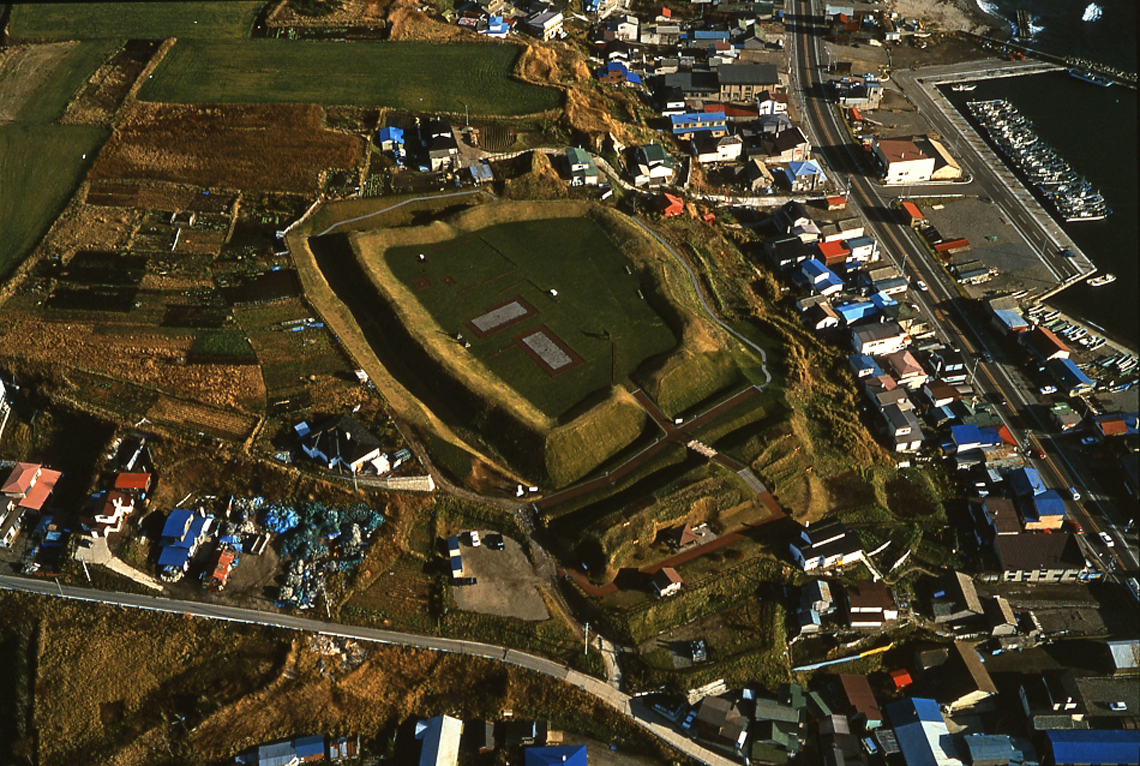
Nemuro Peninsula Chashi Sites (根室半島チャシ跡群, Nemuro hantō chashi ato-gun) represent a significant collection of Ainu fortified settlements located on the Nemuro Peninsula in Nemuro, Hokkaidō, Japan. These sites consist of twenty-four chashi, which are traditional Ainu hilltop fortifications, out of a total of thirty-two identified in the city. Recognized as a national Historic Site of Japan, these chashi are notable for their historical and cultural importance as well as their strategic placement overlooking the Sea of Okhotsk.
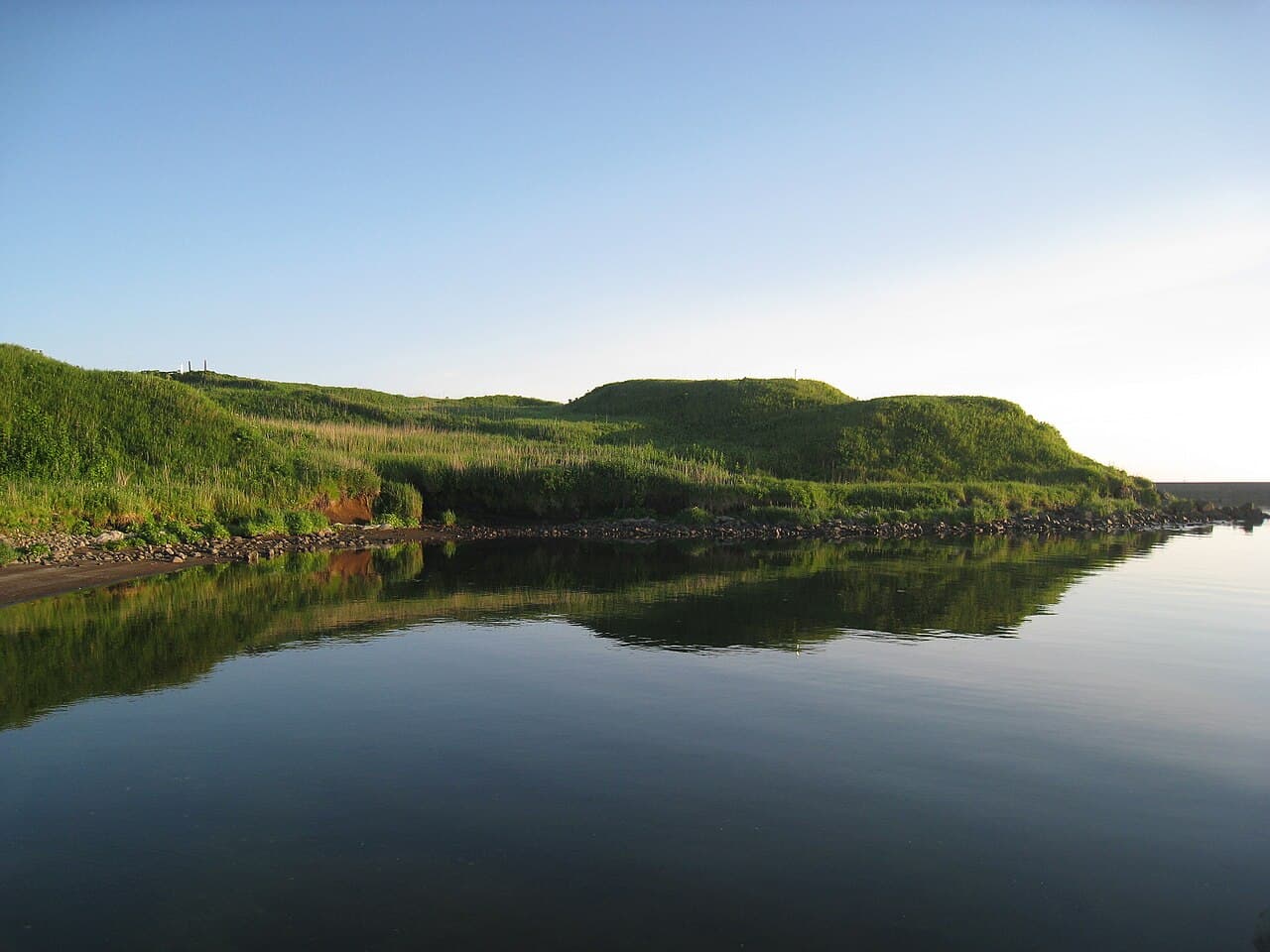
Chashi were defensive structures used by the indigenous Ainu people primarily from the 16th to the 18th centuries. The Nemuro Peninsula chashi are typically situated at elevations ranging from 5 to 50 metres above sea level, often on bluffs that provide commanding views of the surrounding landscape. Their locations were carefully chosen for defense and surveillance, with many featuring U-shaped or semicircular moats that enhanced their protection against invaders.
These sites are associated with the 1789 Menashi–Kunashir rebellion, a notable uprising of the Ainu against Japanese encroachment and control. The chashi served as strategic strongholds during this conflict, reflecting their importance in Ainu resistance and community organization. Relative to other chashi across Hokkaidō, the Nemuro Peninsula examples are in a comparatively good state of preservation, allowing for valuable archaeological study and cultural appreciation.
The architectural features of Nemuro Peninsula chashi
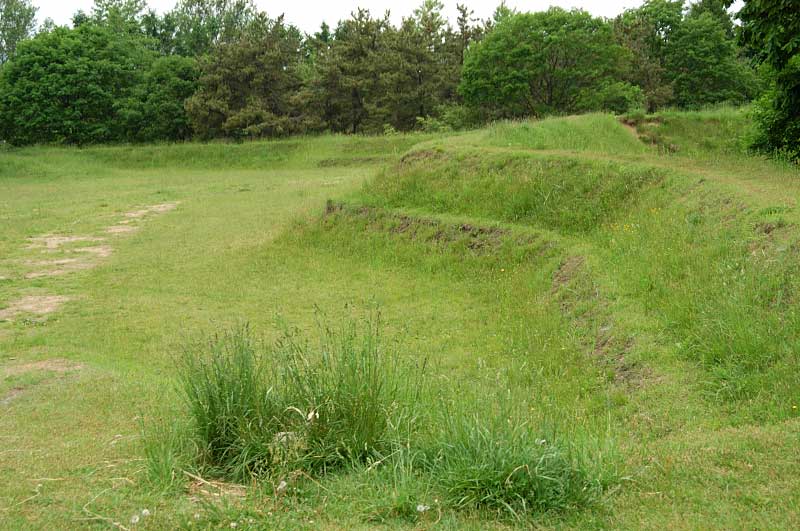
The chashi on the Nemuro Peninsula exhibit typical features of Ainu fortifications. They are generally located on elevated terrain such as hills or bluffs, which provided natural defensive advantages. The presence of moats—usually U-shaped or semicircular—was a common defensive enhancement, designed to hinder attackers and protect the inhabitants.
The sites often include remnants of earthen ramparts and palisades, which would have formed the primary defensive walls. These earthworks were constructed to create a formidable barrier against enemy forces. The chashi's layout was adapted to the natural topography, maximizing defensive capabilities while providing space for communal activities within the enclosure.
Strategic location and natural defenses
The elevation of the chashi sites between 5 and 50 metres above sea level allowed for extensive visibility over the Sea of Okhotsk and surrounding land. This vantage point was crucial for early warning of approaching enemies and for controlling nearby resources. The natural terrain, combined with man-made defenses, made these fortifications effective strongholds despite their relatively modest size.
Historical context and cultural significance
The chashi sites are deeply connected to the history and culture of the Ainu people, the indigenous inhabitants of Hokkaidō. These fortifications reflect the social organization, defensive needs, and territorial control of the Ainu during a period of increasing contact and conflict with Japanese settlers and government forces.
The Menashi–Kunashir rebellion of 1789 was a critical event in Ainu history, where the chashi played a defensive role. This uprising was a response to Japanese policies and encroachments that threatened Ainu autonomy and way of life. The chashi thus stand as symbols of resistance and cultural identity.
Preservation and archaeological research
Many of the Nemuro Peninsula chashi have been preserved as archaeological sites, offering insight into Ainu construction techniques and settlement patterns. Excavations have revealed details about the layout, defensive features, and daily life within the chashi. These sites contribute to a broader understanding of Ainu heritage and are important for both academic research and cultural preservation.
Due to their status as a national Historic Site, the Nemuro Peninsula chashi are protected under Japanese law. Efforts have been made to maintain their condition and to provide educational resources for visitors interested in Ainu history and culture.
Visiting the Nemuro Peninsula chashi sites
Visitors to the Nemuro Peninsula can explore several of the chashi sites, many of which are accessible via hiking trails. The sites offer scenic views of the Sea of Okhotsk and the surrounding natural environment, providing a unique combination of cultural heritage and natural beauty.
Interpretive signage and local museums may provide additional context about the Ainu people and the historical significance of the chashi. Visitors are encouraged to respect the sites as protected cultural landmarks and to appreciate the enduring legacy of the Ainu civilization.
List of notable chashi sites in the group
- Afuramoi Chashi
- Atsukeshieto No.1 Chashi
- Atsukeshieto No.2 Chashi
- Charukorofina No.1 Chashi
- Charukorofina No.2 Chashi
- Hirikaota Chashi
- Konbuushimui Chashi
- Kotankeshi No.1 Chashi
- Kotankeshi No.2 Chashi
- Ninoushi Chashi
- Nirankeushi No.1 Chashi
- Nirankeushi No.2 Chashi
- Nirankeushi No.3 Chashi
- Notsukamafu No.1 Chashi
- Notsukamafu No.2 Chashi
- Ōnai No.1 Chashi
- Ōnai No.2 Chashi
- Onnemoto Chashi
- Ponmoi Chashi
- Satsukotan Chashi
- Shienahaushi Chashi
- Toushamu No.1 Chashi
- Toushamu No.2 Chashi
- Uennai Chashi
Frequently asked questions (FAQ)
- How do I get to the Nemuro Peninsula Chashi Sites?
- The Nemuro Peninsula Chashi Sites are accessible by car or public transportation from Nemuro city. If you're driving, there are parking facilities available nearby. Public buses also connect the sites with local towns, making it convenient for visitors.
- What is the historical significance of the Chashi Sites?
- The Chashi Sites are remnants of ancient Ainu fortifications, showcasing the rich cultural heritage of the Ainu people in Hokkaido. These sites date back several centuries and provide important insights into the history and lifestyle of the indigenous population. They are recognized as significant cultural assets of Japan.
- When was the Chashi Site established?
- The Chashi Sites were established during the late prehistoric period, with most construction believed to have occurred between the 13th and 15th centuries. The sites served as defensive structures and are a testament to the strategic importance of the region. Their historical context is crucial for understanding the early interactions between the Ainu and other cultures.
- Can I take guided tours of the Chashi Sites?
- Yes, guided tours of the Chashi Sites are available and highly recommended for visitors wanting to learn more about their history and significance. Local guides provide valuable insights and stories that enhance the experience. Check with local visitor centers for tour availability and schedules.
- Why is the architecture of the Chashi Sites unique?
- The architecture of the Chashi Sites is unique due to its circular and oval-shaped fortifications, which were strategically designed for defense and community living. The use of local materials and construction techniques reflects the ingenuity and adaptability of the Ainu people. This architectural style is distinct from other fortification methods found in Japan.
- Is it possible to visit the Chashi Sites year-round?
- Yes, the Chashi Sites are open to visitors year-round, though accessibility may vary with weather conditions, especially in winter. It’s advisable to check local weather forecasts before planning your visit. Be prepared for varying terrain, as some paths may be less accessible during inclement weather.
- What are the opening hours for the Chashi Sites?
- The Chashi Sites are generally open from 9 AM to 5 PM, but hours may vary seasonally or due to special events. It's best to confirm the current hours through local tourism websites or visitor centers before your trip. Early mornings can provide a quieter experience for those wishing to explore.
- What nearby attractions should I visit while in Nemuro?
- While visiting the Chashi Sites, consider exploring the nearby Cape Nosappu, which offers stunning coastal views and a lighthouse. Additionally, the Nemuro Sea Lion Center is a popular family-friendly attraction. Local museums, showcasing Ainu culture and history, are also worth visiting for a comprehensive understanding of the region.
- Are there any ticket prices for visiting the Chashi Sites?
- There is no admission fee to visit the Chashi Sites, making it an accessible destination for all visitors. However, donations are appreciated to help maintain the sites and support educational programs. Check for any special events that may have associated costs.
Photo gallery

Information
Loading map...
Visitor reviews
No reviews yet. Been here? Write the first review and help other travelers!
Write the first reviewVisited this castle? Share your experience
Your review helps other travelers and adds first-hand knowledge to our encyclopedia.