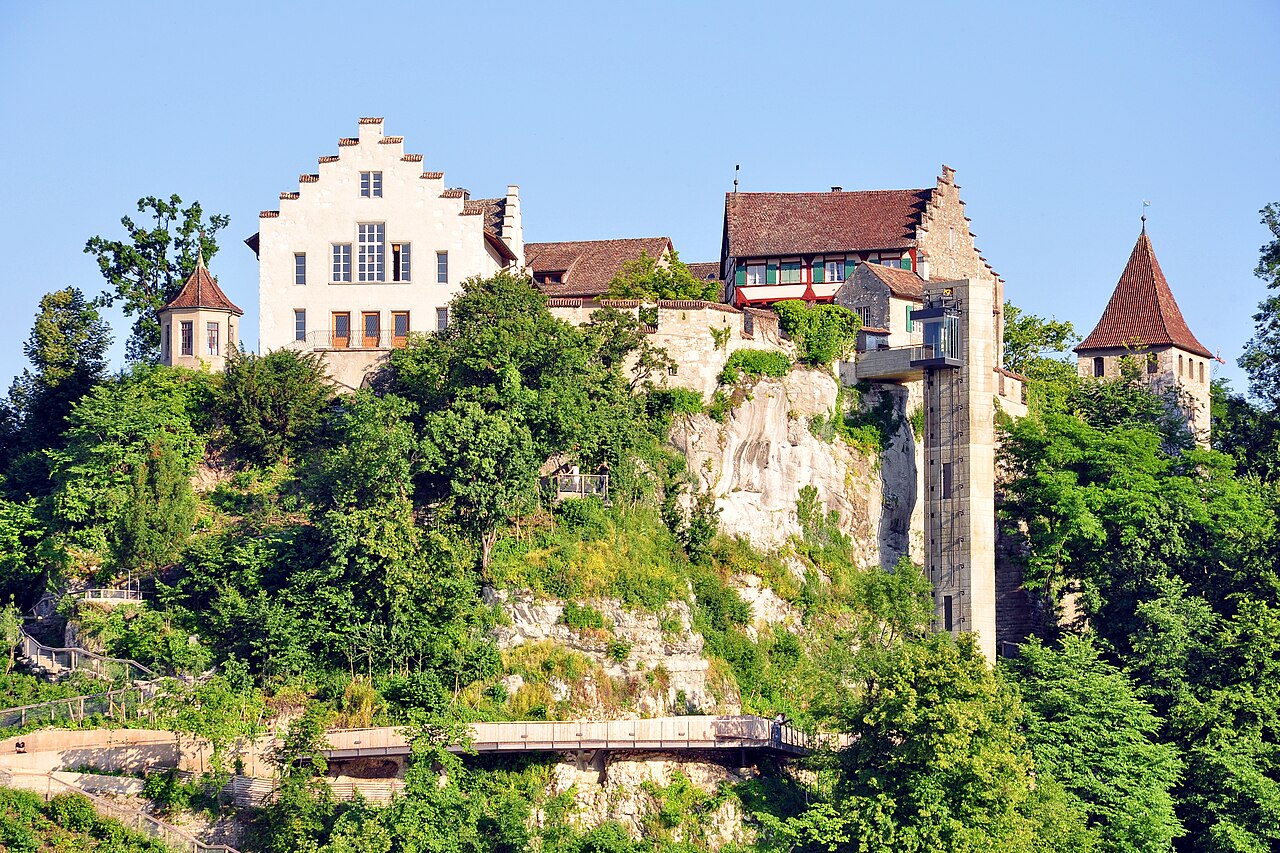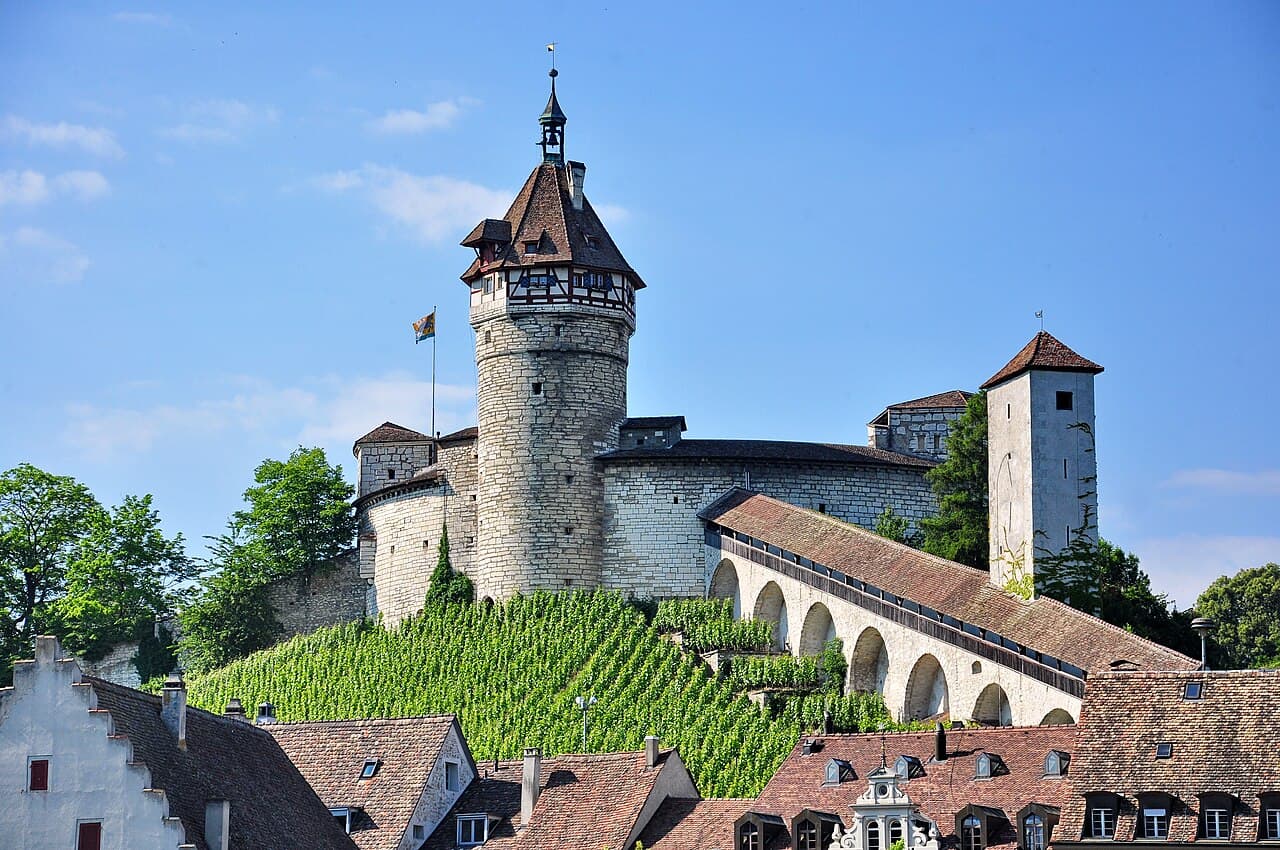
Munot
The Munot fortress stands as an iconic symbol in the heart of Schaffhausen, Switzerland. This circular Renaissance fortification dates back to the 16th century and is renowned for its unique ring-shaped design. Surrounded by lush vineyards, the Munot dominates the city skyline and has become a cherished cultural landmark and tourist destination.
Historical background and construction
The construction of the Munot fortress began in the early 16th century, specifically between 1564 and 1589, during a period marked by the rise of artillery warfare in Europe. Schaffhausen, a prosperous city on the Rhine River, commissioned the fortress to strengthen its defenses against potential invasions and to assert its autonomy within the Swiss Confederation. The fortress was designed by the architect Albrecht Dürer the Younger, a relative of the famous painter and theorist Albrecht Dürer, who applied contemporary military architectural principles to the project.
The Munot was built as a ringwork fortress, a style characterized by a circular layout with thick, sloped walls designed to deflect cannonballs. Its robust curtain walls and bastions provided comprehensive coverage of the surrounding area, making it a formidable defensive structure. The fortress also included a deep moat and drawbridge, enhancing its protection against attackers.
Architectural features and design
The Munot fortress is distinguished by its perfectly circular shape, measuring approximately 45 meters in diameter. Its walls are constructed of local sandstone and reach up to 7 meters in height and 3 meters in thickness. The fortress features a series of battlements and embrasures, allowing defenders to fire upon enemies while remaining protected. The interior includes a spacious courtyard that once housed barracks, storage rooms, and a chapel.
One of the most notable architectural elements is the Munot tower, which rises above the walls and offers panoramic views of Schaffhausen and the surrounding vineyards. The fortress's design reflects the transition from medieval fortifications to early modern military architecture, emphasizing artillery defense and strategic visibility.
Cultural significance and modern use
Today, the Munot serves as a prominent cultural landmark and a symbol of Schaffhausen's heritage. The fortress is open to visitors year-round and hosts a variety of events, including concerts, festivals, and traditional celebrations. Its location amidst the vineyards also makes it a popular spot for wine tastings and outdoor gatherings.
The fortress has undergone several preservation and restoration efforts to maintain its structural integrity and historical character. It remains a well-preserved example of Renaissance military architecture and continues to attract tourists, historians, and architecture enthusiasts from around the world.
Visiting information and accessibility
The Munot fortress is centrally located in Schaffhausen, making it easily accessible on foot from the city center. Visitors can explore the ramparts, enjoy the scenic views, and learn about the fortress's history through informational displays and guided tours. The site is also wheelchair accessible in certain areas, ensuring a welcoming experience for all guests.
Seasonal events and exhibitions further enrich the visitor experience, providing insight into the fortress's role in Swiss history and its ongoing cultural importance.
Frequently asked questions (FAQ)
- How do I get to Munot Castle?
- Munot Castle is located in Schaffhausen, Switzerland, and is easily accessible by public transport. You can take a train to Schaffhausen station and then a short walk will lead you to the castle, which is situated on a hill offering stunning views of the town and the Rhine River.
- What is the historical significance of Munot Castle?
- Munot Castle was built in the 16th century as a fortification to protect the city of Schaffhausen. Its strategic location and well-preserved structure reflect the military architecture of the time, serving as a symbol of the city's independence and resilience throughout history.
- When was Munot Castle constructed?
- Munot Castle was constructed between 1564 and 1589, during a period of political and military significance for the region. It was designed by architect Hans Conrad Blarer and has since become an iconic landmark in Schaffhausen.
- Can I visit Munot Castle year-round?
- Yes, Munot Castle is open to visitors year-round, although the opening hours may vary depending on the season. It’s recommended to check the official website before your visit for the most up-to-date information on accessibility and guided tours.
- Why is Munot Castle a popular tourist attraction?
- Munot Castle is popular due to its impressive architecture, historical importance, and panoramic views of Schaffhausen and the surrounding landscape. Visitors are drawn to its well-preserved towers and walls, as well as the serene gardens that provide a perfect backdrop for photographs.
- Is it possible to climb to the top of Munot Castle?
- Yes, visitors can climb to the top of the castle's tower, which provides breathtaking views of the Rhine River and the surrounding region. The climb is relatively easy and offers a rewarding perspective of the historic town and its beautiful landscapes.
- What are the ticket prices for Munot Castle?
- Entry to Munot Castle is generally free, making it an accessible option for all visitors. However, guided tours may have a fee, so it's advisable to check in advance if you're interested in a more in-depth experience.
- What are the opening hours of Munot Castle?
- Munot Castle is open daily, but opening hours can vary by season. Typically, the castle opens in the morning and closes in the evening, so it’s best to visit the official website for specific hours during your intended visit.
- What is the best time to visit Munot Castle?
- The best time to visit Munot Castle is during the spring and early autumn when the weather is mild and the gardens are in full bloom. Additionally, visiting during these seasons allows you to enjoy the beautiful scenery and the vibrant atmosphere of Schaffhausen.
- Are there any nearby attractions to visit along with Munot Castle?
- Yes, nearby attractions include the Rhine Falls, one of Europe’s largest waterfalls, and the charming Old Town of Schaffhausen, which features medieval buildings and lively cafes. Exploring these sites can enhance your visit to Munot Castle and provide a fuller experience of the region.
Photo gallery

Information
Website
Visit websiteSources & official resources
Verify the information above using these authoritative references.
Loading map...
Visitor reviews
No reviews yet. Been here? Write the first review and help other travelers!
Write the first reviewVisited this castle? Share your experience
Your review helps other travelers and adds first-hand knowledge to our encyclopedia.