McCloskey Castle

McCloskey Castle in Pacifica: a unique earthquake-era fortress
Post-Renaissance (17th–18th c.)
Well Preserved

McCloskey Castle stands as a unique architectural response to one of the most devastating natural disasters in California's history, the 1906 San Francisco earthquake. Located in Pacifica, California, this castle was commissioned by Henry McCloskey, a San Francisco attorney deeply affected by the earthquake's destruction. The castle's construction began in 1907, just a year after the earthquake, reflecting McCloskey's determination to create a secure refuge against future disasters. Its idiosyncratic medieval European architectural style sets it apart from typical American residential buildings of the early 20th century, making it an intriguing landmark in the region.

Origins and architectural design

The castle was envisioned as a fortified sanctuary, embodying the defensive characteristics of medieval European castles with features such as thick stone walls, battlements, and narrow windows reminiscent of arrow slits. This design choice was unusual for the area and era, signaling McCloskey's anxiety about the potential for further earthquakes or other disasters. The castle's robust construction aimed to withstand seismic activity, a forward-thinking approach at a time when earthquake-resistant architecture was not widely practiced.

Despite its medieval appearance, the castle was built with modern materials and techniques available in the early 1900s, blending historical aesthetics with contemporary engineering. Its layout included multiple chambers, a central hall, and defensive elements that gave it the appearance of a small fortress rather than a conventional home.

Historical context and early occupancy

Henry McCloskey and his family moved into the castle before its completion, driven by his persistent fear of another major earthquake. The castle served not only as a residence but also as a symbol of resilience and preparedness during a period of recovery and uncertainty in the San Francisco Bay Area. However, by 1916, less than a decade after its construction began, the McCloskeys vacated the castle, marking the end of its initial familial occupancy.

Controversial later uses

Following the McCloskeys' departure, the castle's ownership transferred to a local doctor who neither lived in nor openly operated from the premises. It was later revealed that the castle was used as an illegal underground abortion clinic during a time when abortion was heavily restricted in the United States. This clandestine operation led to the doctor's arrest and imprisonment. Subsequently, the doctor's son took over the property and continued the illicit clinic, resulting in his own arrest. These events added a complex and somewhat dark chapter to the castle's history.

Architectural significance and preservation

Today, McCloskey Castle is recognized for its distinctive blend of early 20th-century construction and medieval revival architectural style. Its unusual origin story and the turbulent history of its later use contribute to its cultural significance in the Pacifica region. The castle remains a subject of local interest, reflecting both the fears and social challenges of its era.

While not a traditional tourist destination, the castle's preservation offers insights into early earthquake-conscious architecture and the social history of the San Francisco Bay Area in the early 1900s. Its robust stone construction and fortress-like appearance continue to fascinate historians and architecture enthusiasts alike.

Location and accessibility

Situated in Pacifica, just south of San Francisco, the castle occupies a strategic location near the Pacific coast. This positioning not only adds to its scenic appeal but also underscores the original intent of providing a secure refuge in a seismically active zone. Access to the castle is limited, and it is primarily of interest to those studying historical architecture and regional history.

Frequently asked questions (FAQ)

How do I get to McCloskey Castle?
McCloskey Castle is located in Pacifica, United States Minor Outlying Islands. Visitors can access the castle by taking public transportation or driving, with ample parking available nearby. It's advisable to check local transit schedules for the most convenient routes.
What is the historical significance of McCloskey Castle?
McCloskey Castle is known for its unique blend of architectural styles and its role in the region's history. Built in the early 20th century, it served as a military outpost and later as a residence for prominent local figures. The castle's history reflects the cultural heritage and strategic importance of the area.
When was McCloskey Castle built?
Construction of McCloskey Castle began in 1923 and was completed in 1925. The castle was designed to be both a residence and a defensive structure, showcasing the architectural trends of its time. Its completion marked a significant moment in the local community's development.
Can I take guided tours of McCloskey Castle?
Yes, guided tours of McCloskey Castle are available to provide visitors with an in-depth understanding of its history and architecture. Tours are typically offered daily, and it's recommended to book in advance, especially during peak tourist seasons. Self-guided tours are also an option for those who prefer to explore at their own pace.
Why is McCloskey Castle considered an architectural gem?
McCloskey Castle features a unique combination of Gothic and Romanesque architectural styles, which sets it apart from other structures in the area. The intricate stonework, impressive towers, and beautiful landscaping contribute to its charm. Architecture enthusiasts will appreciate the craftsmanship and design elements that reflect the era in which it was built.
Is it possible to host events at McCloskey Castle?
Yes, McCloskey Castle offers event spaces for private functions, including weddings and corporate gatherings. The stunning backdrop of the castle and its grounds makes it a popular choice for memorable events. Interested parties should contact the castle's management for availability and pricing details.
What are the opening hours for McCloskey Castle?
McCloskey Castle is open to visitors from 10 AM to 5 PM, Wednesday through Sunday. It is closed on Mondays and Tuesdays for maintenance and private events. Visitors are encouraged to check the official website for any seasonal changes to hours of operation.
What are the ticket prices for McCloskey Castle?
Ticket prices for McCloskey Castle are $15 for adults, $10 for seniors, and $5 for children aged 6 to 12. Admission is free for children under 6 and for active military personnel. Discounts may be available for groups, so it's worth inquiring when booking.
What is the best time to visit McCloskey Castle?
The best time to visit McCloskey Castle is during the spring and fall when the weather is mild and the gardens are in full bloom. Additionally, visiting during weekdays can help avoid larger crowds, allowing for a more enjoyable experience. Special events and seasonal tours may also be offered during peak seasons.
Are there any nearby attractions to McCloskey Castle?
Yes, there are several attractions near McCloskey Castle, including scenic parks, beaches, and hiking trails. The nearby Pacifica Pier offers stunning ocean views and opportunities for fishing. Visitors can also explore local shops and restaurants to enhance their experience in the area.

Information

Hill Castle

Sources & official resources

Verify the information above using these authoritative references.

Loading map...

Visitor reviews

No reviews yet. Been here? Write the first review and help other travelers!

Write the first review

Visited this castle? Share your experience

Your review helps other travelers and adds first-hand knowledge to our encyclopedia.

Write a review

(5/5)

0/2000 characters

Your review will be visible after admin approval

Nearby castles

0 km

Sam's Castle

Pacifica, United States of America

Sam's Castle stands as a unique example of early 20th-century castle-inspired architecture in Pacifica, California. Constructed in 1908 by Sam Mazza, this stone building is notable for its distinctive crenellations that adorn both the main structure and the surrounding perimeter wall, evoking the defensive features typical of medieval castles. Despite its relatively modern origin, the castle captures the romantic spirit of historic fortifications, blending aesthetic appeal with a philanthropic purpose that continues to define its legacy.Architectural features and designThe castle's design incorporates hallmark elements of traditional castle architecture, including battlement-style crenellations that crown the walls, providing a visually striking silhouette against the Pacific coastal backdrop. The use of durable stone masonry not only reinforces the castle's fortress-like appearance but also ensures its longevity in the often harsh coastal climate. The perimeter wall enhances the sense of enclosure and privacy, reminiscent of medieval defensive structures.While not a defensive fortress in the historical sense, the castle's architectural language speaks to a fascination with medieval motifs popular in the early 1900s, reflecting a broader cultural trend of romanticizing castle forms in residential and philanthropic buildings.Historical context and sam mazza foundationSam Mazza, the castle's builder, established the property as a personal residence that has since evolved into a center for charitable activities. The Sam Mazza Foundation, founded by his estate in October 2005, operates from the castle, continuing the founder's legacy through philanthropic efforts. The foundation has granted over $7 million to various qualified §501(c)(3) organizations focused on improving communities through arts, education, and quality of life initiatives.The castle thus serves a dual role as both a historic architectural landmark and a hub for community enrichment. Its monthly public tours offer visitors a rare opportunity to experience the castle's unique ambiance and learn about its ongoing charitable mission.Location and visitor informationLocated at 900 Mirador Terrace, Pacifica, California 94044, Sam's Castle occupies a scenic site within the coastal city. The castle's proximity to the Pacific Ocean and its distinctive architectural style make it a notable point of interest in the region.Visitors can explore the castle during the monthly tours organized by the Sam Mazza Foundation. For additional information or to arrange visits, the foundation can be contacted at +1 650-355-0272.Cultural significance and preservationAlthough not a medieval fortress, Sam's Castle embodies the early 20th-century American fascination with European castle aesthetics, adapted for modern use. Its preservation as a well-maintained stone structure with characteristic crenellations contributes to the cultural tapestry of Pacifica, offering insight into architectural trends and philanthropic history of the period.The castle's ongoing use as a foundation headquarters ensures its maintenance and accessibility, bridging historical architecture with contemporary community service.

Modern (19th–20th c.)
Details
14.6 km

Albion Castle

San Francisco, United States of America

Albion Castle is a remarkable historic landmark located in San Francisco, California. Dating back approximately 150 years, this stone castle stands out for its unique construction above an extensive cave system fed by natural springs. These springs produce up to 10,000 liters of water per day, a rare feature that has influenced the castle's modern-day use and preservation efforts. Constructed in the late 19th century, Albion Castle was originally built as a waterworks facility to harness the natural springs for bottling and distribution. The castle’s robust stone walls and architectural design reflect the practical and aesthetic sensibilities of the period, combining functionality with a distinctive castle-like appearance that has made it a local landmark. The structure’s placement above the cave system is not only architecturally significant but also highlights the innovative use of natural resources during its time. Architectural features and historical significance The castle is constructed primarily from stone, with thick walls designed to protect the water supply and the machinery housed within. Its design includes elements reminiscent of medieval European castles, such as battlements and arched doorways, lending it a romantic and historic atmosphere despite its industrial purpose. The cave system beneath the castle is an integral part of its architecture, serving as the source of the natural springs that have sustained the waterworks operation. Albion Castle’s historical significance lies in its dual role as both a functional waterworks and an architectural curiosity. It is an example of 19th-century ingenuity in urban infrastructure, illustrating how natural resources were harnessed and protected within an architecturally distinctive building. Over time, the castle has become a cherished landmark, recognized for its unique blend of industrial heritage and castle-like charm. Modern use and preservation efforts Today, Albion Castle is privately owned and operates primarily as an exclusive venue for small events, including private gatherings, film and photo shoots, and intimate celebrations. The owners are committed to preserving the castle’s historical integrity, which means that public tours are not currently offered. Instead, the venue focuses on providing a secluded and unique setting for groups ranging from 10 to 60 people. The castle’s natural springs have inspired the current owner’s plans to establish a water bottling business, leveraging the high-quality water sourced directly from the cave system beneath the castle. This initiative reflects a modern adaptation of the castle’s original purpose, blending heritage conservation with sustainable business practices. Event hosting and amenities Albion Castle offers a distinctive atmosphere for offsite meetings, private retreats, and special celebrations. The venue can arrange catering services, including house caterers or private chefs, to enhance the guest experience. Its privacy and unique architectural setting make it an attractive choice for those seeking an unforgettable event location in San Francisco. Location and accessibility Situated at 881 Innes Avenue, San Francisco, CA 94124, Albion Castle is nestled in a less trafficked area of the city, providing a tranquil environment away from the urban bustle. While it is not open for general public tours, interested parties can contact the management for rental inquiries and event planning. Preservation and future outlook The owners’ dedication to maintaining the castle’s historical features ensures that Albion Castle remains a well-preserved example of 19th-century stone construction and industrial heritage. The combination of its architectural uniqueness, natural spring water source, and carefully managed private use positions Albion Castle as a valuable cultural asset within San Francisco’s historic landscape. As plans to launch a water bottling enterprise develop, the castle’s legacy as a waterworks facility will continue into the 21st century, blending historical preservation with innovative use of natural resources.

Late Medieval (14th–15th c.)
Details
19.6 km
Fort Point, San Francisco — United States of America castle

Fort Point, San Francisco

San Francisco, United States of America

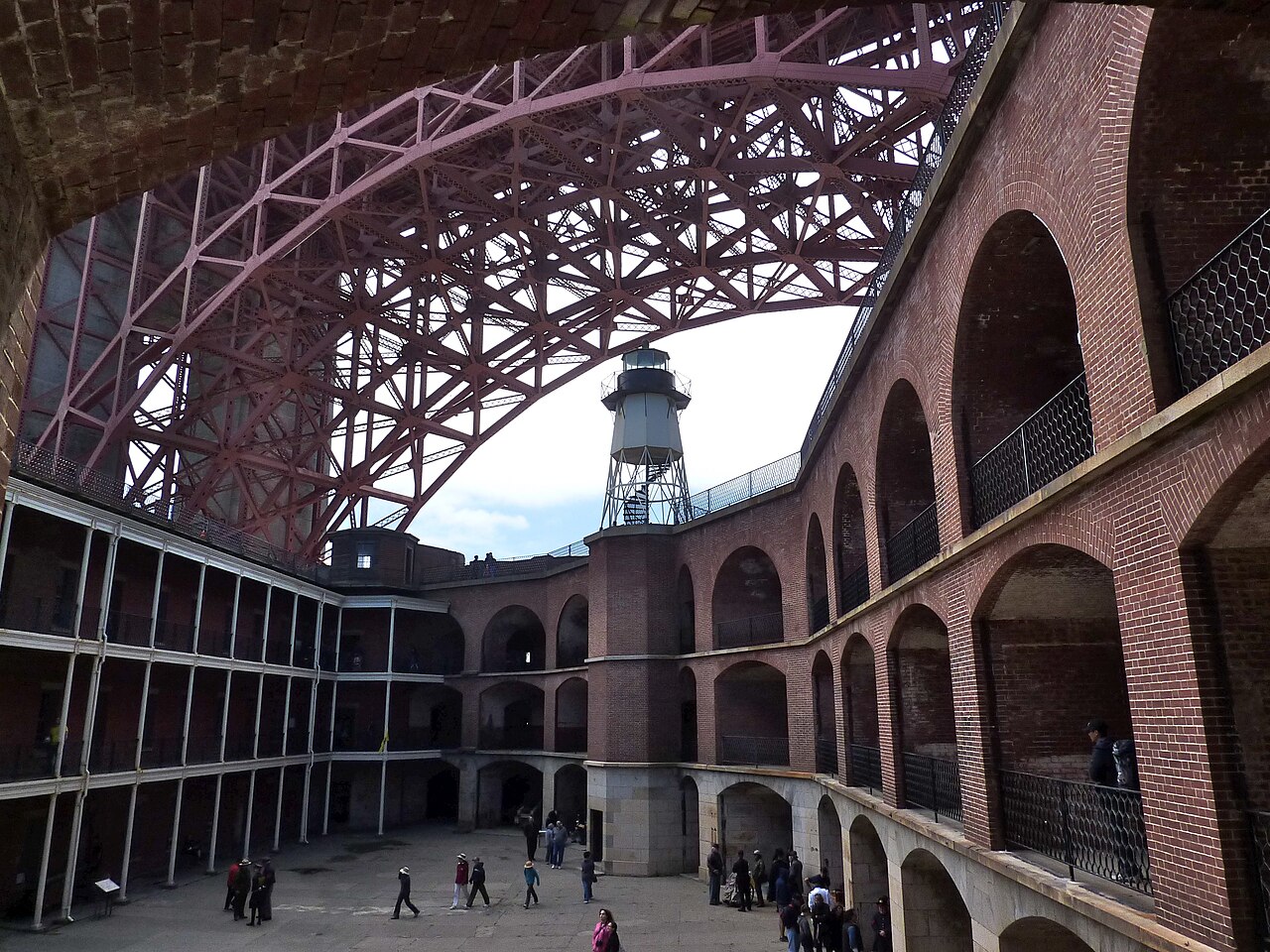
Fort Point, historically known as the Castillo de San Joaquín, is a prominent bastioned fortress located at the southern side of the Golden Gate, the narrow strait that serves as the entrance to San Francisco Bay. This masonry seacoast fortification occupies a strategic promontory that was critical for controlling naval access to one of the most important harbors on the west coast of the United States. The fort’s location beneath the iconic Golden Gate Bridge offers a unique vantage point and a tangible connection between 19th-century military architecture and modern engineering marvels. Early history and spanish origins The site of Fort Point was initially fortified in 1794 by the Spanish colonial forces as part of their efforts to defend the Presidio of San Francisco and the surrounding territory. Originally named Castillo de San Joaquín, the fortification was intended as a complementary defense outpost to protect the entrance to the bay from foreign naval threats. The Spanish fortifications consisted mainly of earthworks and rudimentary masonry designed to mount cannons overlooking the waterway. Construction of the current fort and american civil war era Following the U.S. conquest of California in 1846 during the Mexican-American War, the strategic importance of the Golden Gate was recognized by the United States Army. Construction of the current Fort Point structure began in 1853 and was completed by 1861, just before the outbreak of the American Civil War. The fort was designed in the bastioned fortress style, characterized by thick masonry walls, angled bastions for overlapping fields of fire, and a low profile to better withstand naval bombardment. The fort’s design reflects military engineering principles of the mid-19th century, combining traditional European bastion concepts with adaptations for coastal defense. It was equipped with multiple tiers of cannon embrasures and casemates, allowing defenders to fire upon enemy ships attempting to enter the bay. Despite its formidable construction, Fort Point never saw combat, as the anticipated naval threats during the Civil War did not materialize in this region. Architectural features and design elements Fort Point is notable for its massive brick and granite walls that rise directly from the rocky shoreline. The fort’s walls are approximately 4 feet thick and rise to a height of about 40 feet, designed to absorb and deflect cannon fire. The bastions at each corner provide overlapping fields of fire, a hallmark of bastioned fortifications, allowing defenders to cover all approaches. The fort’s interior includes multiple levels of casemates—vaulted chambers that housed artillery pieces and served as protected firing positions. The parade ground at the center of the fort was used for troop assembly and drills. The fort also features magazines for storing gunpowder and ammunition, as well as barracks and officers’ quarters integrated into the structure. One of the fort’s unique architectural aspects is its location directly beneath the Golden Gate Bridge. The bridge’s southern approach was constructed over the promontory, and its towering suspension cables and roadway frame the historic fort, creating a striking visual and historical juxtaposition. Fort point in the modern era After its military use declined in the late 19th and early 20th centuries, Fort Point was preserved as a historic site. It is now managed by the National Park Service as part of the Golden Gate National Recreation Area. The fort is open to the public and serves as a museum and educational center, showcasing exhibits on its history, coastal defense, and the engineering of the Golden Gate Bridge. Visitors to Fort Point can explore the well-preserved bastioned walls, casemates, and parade ground, gaining insight into mid-19th-century military architecture and coastal defense strategies. The site also offers unparalleled views of the Golden Gate Bridge from below, making it a popular destination for tourists and history enthusiasts alike. Cultural and heritage significance Fort Point is recognized as a National Historic Site and is listed on the National Register of Historic Places. It represents an important chapter in the military history of the United States, particularly in the context of west coast defense during a period of rapid expansion and conflict. The fort’s preservation allows for the study and appreciation of 19th-century bastioned fortress architecture and its adaptation to American coastal defense needs. Visitor information and accessibility The fort is accessible via the Golden Gate National Recreation Area and is typically open daily from morning to late afternoon, though hours may vary seasonally. Admission is generally free, with guided tours and educational programs available to enhance the visitor experience. The site is wheelchair accessible with some limitations due to the historic nature of the structure and its terrain. Fort point’s role in san francisco’s maritime defense network Fort Point was a key component of a broader network of coastal defenses protecting San Francisco Bay, which included the nearby Presidio and other fortifications such as Fort Baker and Fort Cronkhite. Together, these installations formed a layered defense system designed to prevent enemy ships from threatening the vital port and city. The fort’s strategic position at the narrow Golden Gate allowed it to control naval traffic effectively, with its artillery positioned to cover the main shipping channel. This defensive posture contributed to the security and growth of San Francisco as a major port city during the 19th and early 20th centuries.

Modern (19th–20th c.)
Details