Maynooth Castle
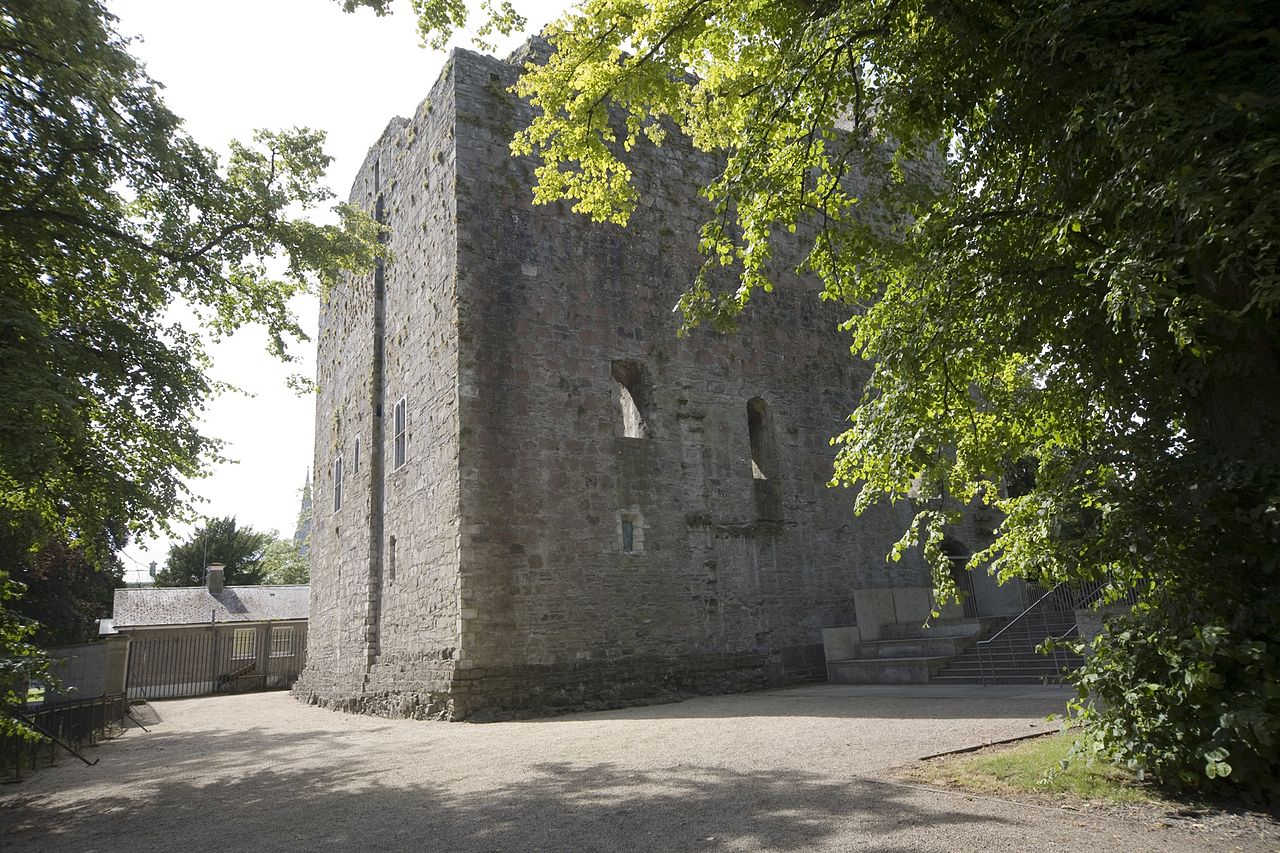
Maynooth Castle stands as a significant monument of Anglo-Norman architecture and Irish medieval history. Located in the town of Maynooth, County Kildare, Ireland, this hill castle was originally constructed in the early 13th century as a fortified residence for the influential Fitzgerald family. Its strategic position at the confluence of two streams provided natural defenses that complemented its robust stone keep and later expansions.
The castle's origins trace back to a land grant by the Norman leader Strongbow to Maurice Fitzgerald in 1176, marking the beginning of the Fitzgerald dynasty's rise in Irish politics and military power. Between 1200 and 1203, the initial large stone keep was erected, serving both as a defensive fortress and a noble residence. This keep formed the core of Maynooth Castle and symbolized the growing authority of the Fitzgeralds as Earls of Kildare and Leinster, who would become Lords Deputy of Ireland.
Development and architectural evolution in the medieval period
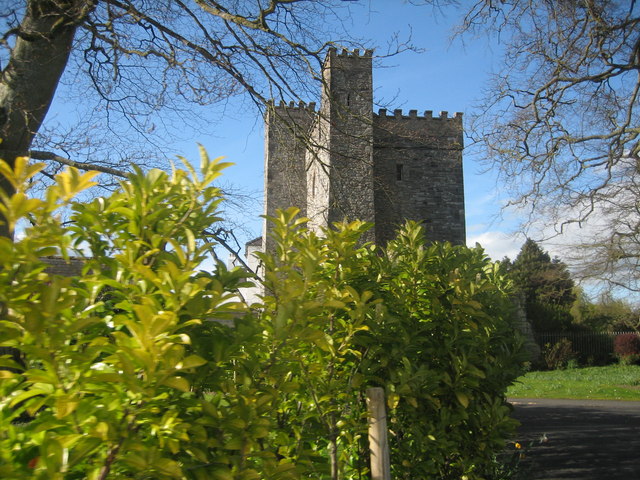
Throughout the 15th century, Maynooth Castle underwent significant enlargement under the direction of Sir John Fitzgerald. These expansions included the addition of fortified walls, towers, and enhanced living quarters, transforming the castle into a formidable stronghold and a luxurious noble residence. The castle's architecture from this period reflects typical late medieval defensive features, such as thick curtain walls, battlements, and a well-defended gatehouse known as the Passage Tower.
Key structural components
- The gatehouse (Passage Tower) controlled access to the castle and incorporated defensive mechanisms to repel attackers.
- The Solar Tower served as private living quarters, designed for comfort and warmth, a feature common in medieval noble residences.
- Heraldic stone carvings displaying the arms of both the Fitzgerald and Boyle families decorate parts of the castle, symbolizing the intertwined history and ownership.
The 1534 rebellion and siege
Maynooth Castle's strategic and symbolic importance was highlighted during the rebellion led by Thomas FitzGerald, known as Silken Thomas, the 10th Earl of Kildare. The uprising against English rule culminated in a siege in March 1535 by forces commanded by William Skeffington. The attackers employed heavy artillery, including cannon bombardment, which inflicted severe damage on the medieval fortress. After a ten-day siege, the castle was captured, resulting in the execution of the garrison and the eventual imprisonment and execution of Silken Thomas and his uncles in London. This event marked the decline of Fitzgerald dominance and the castle's fall under English control.
17th-century reconstruction and subsequent decline
In the early 17th century, between 1630 and 1635, the castle saw partial restoration under Richard Boyle, 1st Earl of Cork, following his daughter’s marriage to George Fitzgerald, 16th Earl of Kildare. Boyle's reconstruction efforts aimed to revive Maynooth Castle as a noble residence, incorporating early modern architectural elements while retaining its medieval character. However, the outbreak of the Irish Confederate Wars in the 1640s brought renewed destruction, undoing much of the restoration work and leaving the castle in a state of ruin.
Following these conflicts, the Fitzgerald family abandoned Maynooth Castle permanently, relocating their seat to Kilkea Castle and later to Carton House. Over subsequent centuries, the castle gradually deteriorated until it came under state protection in the late 20th century.
Current state and conservation efforts
Today, the ruins of Maynooth Castle remain a prominent historical landmark near the south campus of Maynooth University. The surviving structures, including the gatehouse and Solar Tower, showcase the castle's medieval defensive architecture and the heraldic legacy of its owners. Conservation initiatives started in 2000 have focused on stabilizing the ruins, preserving both the medieval and early modern elements of the site for educational and cultural purposes.
Visitors to Maynooth Castle can explore the evocative remains that tell the story of Anglo-Norman settlement, noble power struggles, and Ireland's turbulent history from the medieval period through the early modern era. The castle's ruins provide valuable insight into medieval fortification techniques, noble residence design, and the complex legacy of the Fitzgerald family in Irish history.
Frequently asked questions (FAQ)
- What is the historical significance of Maynooth Castle?
- Maynooth Castle, dating back to the 12th century, served as a powerful stronghold for the Fitzgerald family, the Earls of Kildare. It played a vital role in the political and military history of Ireland, particularly during the turbulent times of the English conquest. Today, it stands as a testament to medieval architecture and the rich history of the region.
- When was Maynooth Castle built?
- Maynooth Castle was originally constructed in the 12th century, with significant alterations made in the 15th century. The castle has witnessed centuries of history, reflecting the architectural styles and defensive needs of its time. Its enduring structure continues to captivate visitors with its medieval charm.
- How do I get to Maynooth Castle?
- Maynooth Castle is easily accessible by public transport, with regular train services from Dublin to Maynooth. If you are driving, there is parking available nearby, making it convenient for visitors. The castle is located in the town center, allowing for a pleasant stroll to its entrance.
- What are the opening hours for Maynooth Castle?
- Maynooth Castle is open to visitors from 10 AM to 5 PM daily, with extended hours during the summer months. It is advisable to check for any seasonal changes or special events that may affect opening times. Planning your visit during these hours ensures you have ample time to explore the castle and its grounds.
- Can I take a guided tour of Maynooth Castle?
- Yes, guided tours are available at Maynooth Castle, providing visitors with in-depth insights into its history and architecture. These tours are conducted by knowledgeable guides who can share fascinating stories and details about the castle's significance. It's recommended to book in advance, especially during peak tourist seasons.
- Is it possible to host events at Maynooth Castle?
- Maynooth Castle offers unique event spaces for private functions, including weddings, corporate events, and cultural gatherings. The castle's historic ambiance provides a stunning backdrop for any occasion. Interested parties should contact the castle's management for availability and booking details.
- What is the best time to visit Maynooth Castle?
- The best time to visit Maynooth Castle is during the spring and early autumn months when the weather is mild and the gardens are in bloom. These seasons also tend to be less crowded, allowing for a more tranquil experience. Additionally, the castle hosts various events throughout the year that can enhance your visit.
- Are there any nearby attractions to visit while at Maynooth Castle?
- Yes, visitors to Maynooth Castle can explore several nearby attractions, including the historic Maynooth University and the scenic Carton House. The charming town of Maynooth also offers quaint shops and cafes to enjoy. Combining these attractions with your visit to the castle makes for a full day of exploration.
- What are the ticket prices for entrance to Maynooth Castle?
- Ticket prices for Maynooth Castle are generally affordable, with discounts available for students and seniors. Children under a certain age may enter for free, making it a family-friendly destination. It's advisable to check the official website for the most current pricing and any special offers.
Information
Website
Visit websiteSources & official resources
Verify the information above using these authoritative references.
Loading map...
Visitor reviews
No reviews yet. Been here? Write the first review and help other travelers!
Write the first reviewVisited this castle? Share your experience
Your review helps other travelers and adds first-hand knowledge to our encyclopedia.