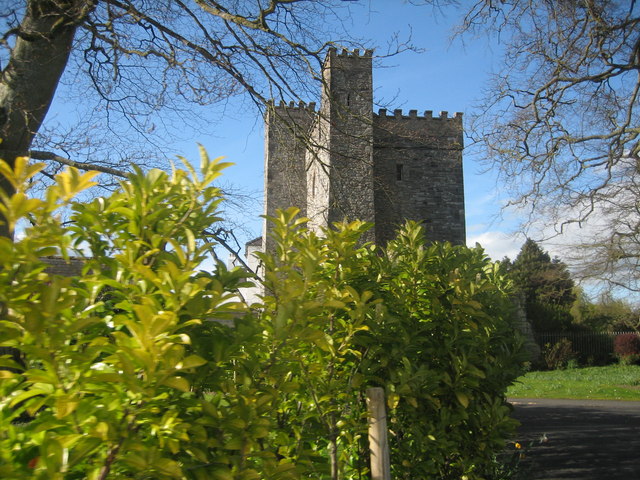
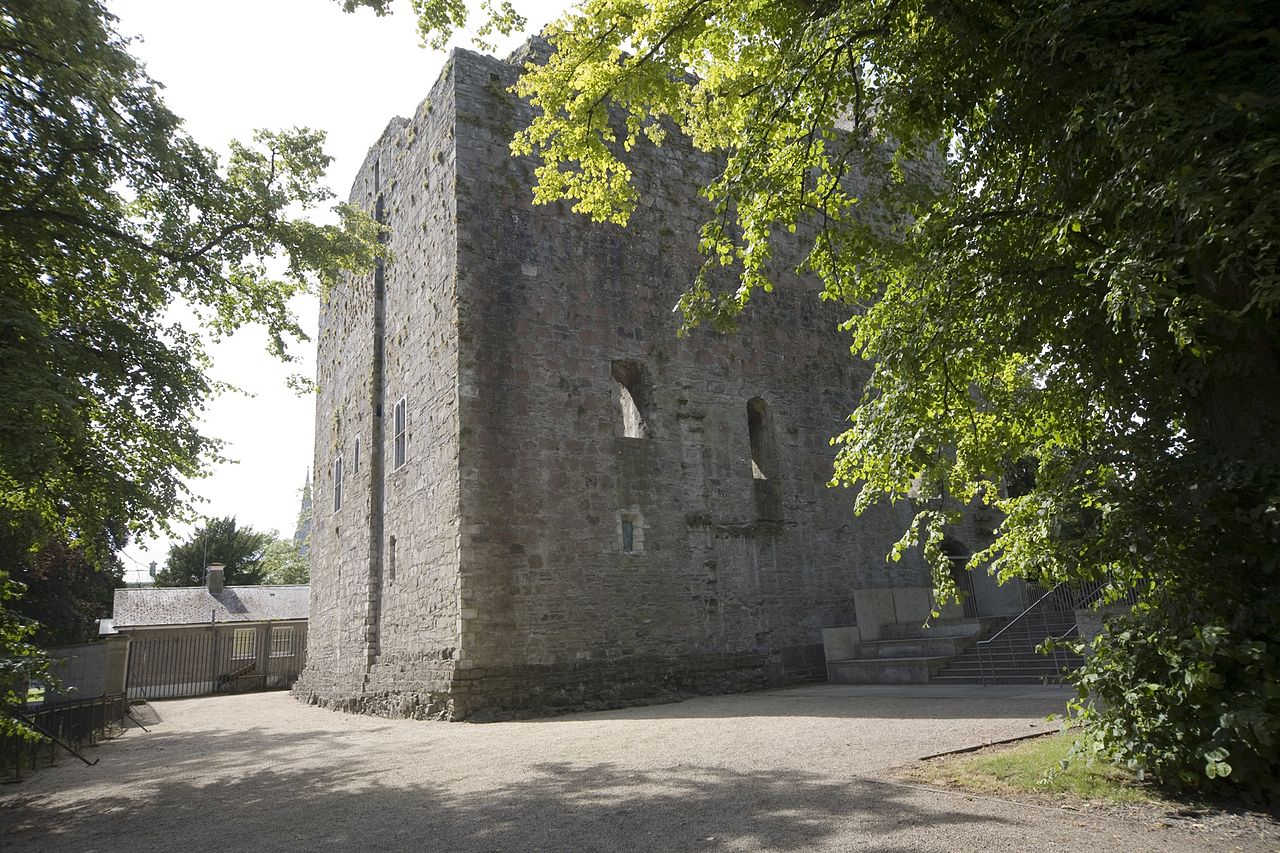
Barberstown Castle stands as a remarkable testament to medieval Norman architecture and Irish history. Located near Straffan in County Kildare, Ireland, this castle has witnessed over seven centuries of continuous transformation, reflecting the complex social and political changes of the region. Originally constructed in the late 13th century, Barberstown Castle combines its fortified medieval origins with significant 19th-century expansions, creating a unique architectural narrative that spans from the High Medieval period to the modern era.
Early history and medieval origins
The origins of Barberstown Castle date back to around 1288, when Nicholas Barby, a Norman settler, established the fortified residence on lands that were part of the Fitzgerald family estate. The Fitzgeralds were one of the most powerful Norman-Irish dynasties in Ireland, and their influence shaped much of the region's medieval landscape. The castle was built as a hill castle, strategically positioned to oversee the surrounding countryside and assert control over the territory.
The original structure featured typical Norman defensive elements such as thick stone walls, narrow arrow slits, and a strong keep designed to withstand sieges. Over time, the castle became a symbol of Norman authority in the area, serving both as a military stronghold and a noble residence.
Ownership transitions and historical significance
Throughout its history, Barberstown Castle changed hands multiple times, mirroring the turbulent political landscape of Ireland. In the early 17th century, the castle was acquired by William Sutton in 1630. Later in the century, it came under the ownership of Lord Kingston, whose allegiance to the deposed King James II during the Jacobite-Williamite conflict led to the castle's seizure by the Earl of Tyrconnell in 1689. This event marked a significant turning point as the castle was transferred to crown control and managed by royal revenue commissioners.
In the early 18th century, the castle was purchased by Bartholomew Vanhomrigh in 1703, a notable figure who served as Lord Mayor of Dublin in 1697. Vanhomrigh's family connection to the literary world is of particular interest; he was the father of Vanessa, who is famously linked to the writer Jonathan Swift. The estate remained with the Vanhomrigh family before passing to the Henry family, who eventually sold it due to financial difficulties.
19th-century enhancements and architectural evolution
The 19th century brought significant changes to Barberstown Castle under the ownership of Hugh Barton, a merchant associated with the renowned Barton and Guestier wine company. In the 1830s, Barton undertook extensive renovations, adding a substantial wing to the medieval fortress and constructing the nearby Straffan House. These additions reflected the architectural tastes of the period, blending the castle's medieval character with contemporary residential comforts.
The new wing incorporated larger windows, more elaborate interior spaces, and updated facilities, transforming the castle from a purely defensive stronghold into a comfortable country residence. The interplay between the original stonework and the 19th-century extensions illustrates the castle's adaptation to changing residential needs while preserving its historic essence.
20th-century restoration and modern use
In the 20th century, Barberstown Castle experienced further transitions. The Huddleston family owned the property before it was sold to Mrs. Norah Devlin, who converted the castle into a hotel in 1971. This marked the beginning of the castle's new role as a hospitality venue, allowing visitors to experience its historic ambiance firsthand.
Famous musician Eric Clapton purchased the castle in 1979, holding it until 1987 when it was sold to Ken Healy. Under Healy's ownership, the castle underwent extensive renovations and expansions, including the addition of 10 bedrooms and three bathrooms. These improvements increased the accommodation capacity to 59 guest rooms, balancing modern amenities with the preservation of the castle's historic character.
Notable archaeological discoveries and features
One of the most intriguing aspects of Barberstown Castle is the discovery in 1996 of an underground tunnel linking the castle to the nearby Straffan church. This tunnel is believed to date from the period of the Penal Laws in Ireland, when Catholic worship was suppressed, and secret passages were used to protect clergy and worshippers. The existence of this subterranean route offers valuable insight into the covert religious practices and social history associated with the castle.
The castle's physical fabric reflects its layered history. The medieval stone walls, characteristic of Norman defensive architecture, remain prominent, while the 19th-century wing showcases adaptations to residential comfort. The surrounding gardens, covering approximately 20 acres, provide a picturesque setting that enhances the castle's historic presence in the Irish landscape.
Architectural highlights and layout
Barberstown Castle exemplifies a hill castle design, with its elevated position offering strategic views and defense advantages. The original Norman keep and curtain walls exhibit robust construction with thick masonry, narrow windows, and battlements designed for protection. The 19th-century additions introduced larger fenestration and refined interior spaces, reflecting the transition from fortress to stately home.
The castle complex includes several notable architectural features such as the main gatehouse, defensive towers, a great hall, private chambers, and service areas. The blend of medieval and later architectural elements creates a rich tapestry that tells the story of the castle's evolution over centuries.
Visitor experience and cultural significance
Today, Barberstown Castle operates as a hotel, inviting guests to immerse themselves in its historic atmosphere while enjoying modern comforts. The castle's extensive grounds and well-preserved structures make it a significant cultural landmark in County Kildare. Visitors can appreciate the castle's architectural heritage, its role in Irish history, and the unique stories embodied in its walls and hidden passages.
Barberstown Castle's enduring presence highlights the resilience and adaptability of medieval structures in Ireland, serving as a bridge between past and present. Its combination of defensive origins, noble residence transformations, and contemporary hospitality use offers a multifaceted experience for history enthusiasts and travelers alike.
Frequently asked questions (FAQ)
- How do I get to Barberstown Castle?
- Barberstown Castle is conveniently located near Dublin, making it easily accessible by car or public transport. You can take a train to the nearby Kilcock station and then opt for a short taxi ride to the castle. Parking is available on-site for those coming by car.
- What is the historical significance of Barberstown Castle?
- Barberstown Castle dates back to the 13th century, boasting a rich history that includes being a stronghold for various noble families. The castle has witnessed significant events in Irish history and has retained its medieval charm, making it an important landmark. Today, it serves as a luxury hotel, merging history with modern hospitality.
- When was Barberstown Castle built?
- Barberstown Castle was originally constructed in 1288, making it one of the oldest castles in Ireland. Its architecture reflects the medieval period, showcasing both defensive and residential features. Over the centuries, it has undergone renovations while preserving its historical essence.
- Can I take guided tours of Barberstown Castle?
- Yes, guided tours of Barberstown Castle are available, allowing visitors to explore its rich history and stunning architecture. These tours often include stories about the castle's past residents and significant historical events. Be sure to check the schedule in advance as tours may vary by season.
- Why is Barberstown Castle a popular wedding venue?
- Barberstown Castle is renowned for its romantic setting and breathtaking surroundings, making it a sought-after wedding venue. The castle's historic ambiance and beautiful gardens create a picturesque backdrop for ceremonies and receptions. Many couples choose this venue for its unique blend of history and elegance.
- Is it possible to stay overnight at Barberstown Castle?
- Yes, Barberstown Castle operates as a luxury hotel, offering guests the chance to experience the grandeur of staying in a historic castle. The accommodations are designed to provide modern comfort while retaining the castle's historical charm. Reservations are recommended, especially during peak tourist seasons.
- What are the opening hours for Barberstown Castle?
- Barberstown Castle is open to visitors daily, but hours may vary depending on the season. Typically, the castle and its grounds remain accessible from morning until late afternoon. It's advisable to check the official website for the most current opening hours before planning your visit.
- What are the ticket prices for visiting Barberstown Castle?
- Admission to Barberstown Castle may vary based on the type of experience you choose, such as guided tours or dining. Generally, there is no entry fee for hotel guests, while day visitors may need to pay a nominal fee for tours. Check the official website for specific pricing details and any available packages.
- What nearby attractions can I visit while at Barberstown Castle?
- While visiting Barberstown Castle, you can explore nearby attractions such as the historic town of Kilcock and the scenic River Boyne. The area is also home to several golf courses and beautiful walking trails. A visit to Dublin City is only a short drive away, offering even more cultural and historical experiences.
Information
Website
Visit websiteSources & official resources
Verify the information above using these authoritative references.
Loading map...
Visitor reviews
No reviews yet. Been here? Write the first review and help other travelers!
Write the first reviewVisited this castle? Share your experience
Your review helps other travelers and adds first-hand knowledge to our encyclopedia.