Mangup
Mangup fortress, also known as Mangup Kale, is a significant early medieval bastioned fortress located in the Crimean Peninsula of Ukraine. Perched on a steep plateau approximately 13 kilometres east of Sevastopol, this fortress occupies a commanding strategic position overlooking the surrounding landscape. The name "Kale" means "fortress" in Turkish, reflecting the site's long history of occupation and influence by various cultures.
Historical significance and early origins
The origins of Mangup date back to the 6th century, during the early medieval period. It was initially established as a fortified settlement on a naturally defensible rocky plateau. The fortress played a crucial role in the defense and control of the region throughout the Byzantine era and later periods. Its location near the ancient city of Chersonesus (modern Sevastopol) linked it to important trade and military routes in the Black Sea region.
Throughout its history, Mangup was inhabited by diverse peoples, including the Byzantines, Crimean Goths, and later Turkic groups. It served as a political and military center, especially during the time of the Crimean Goths, who maintained a degree of autonomy in the region well into the late medieval period.
Architectural features and fortifications
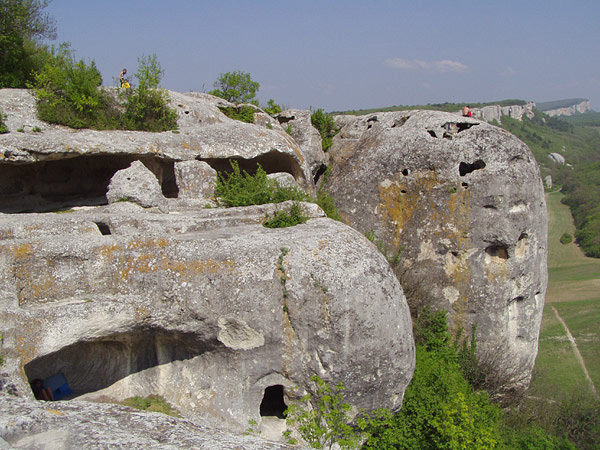
The fortress is classified as a bastioned fortress, a term indicating the presence of defensive bastions integrated into the walls to provide enhanced protection against attackers. Mangup's fortifications take advantage of the natural topography, with steep cliffs on several sides creating a formidable natural defense.
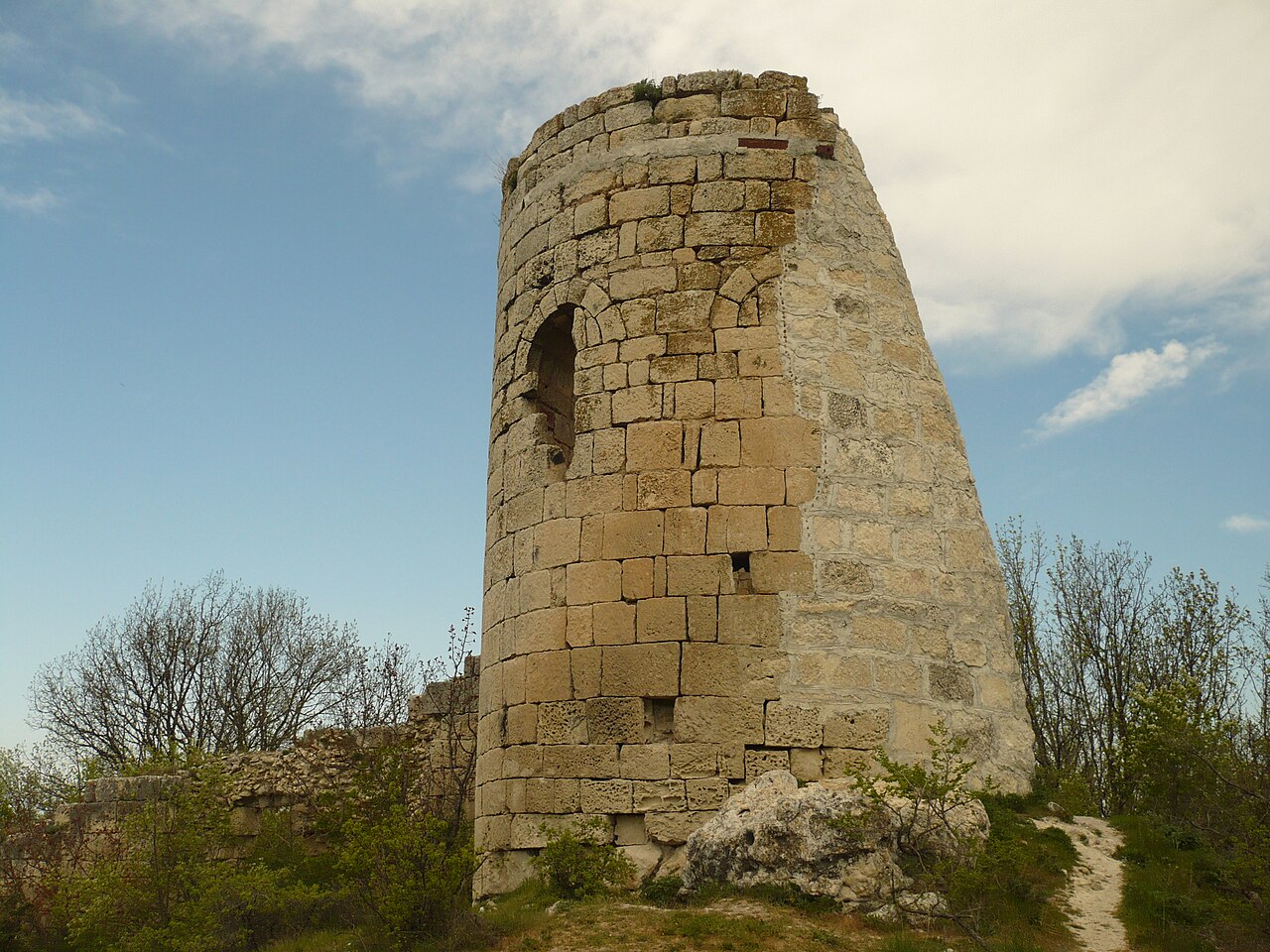
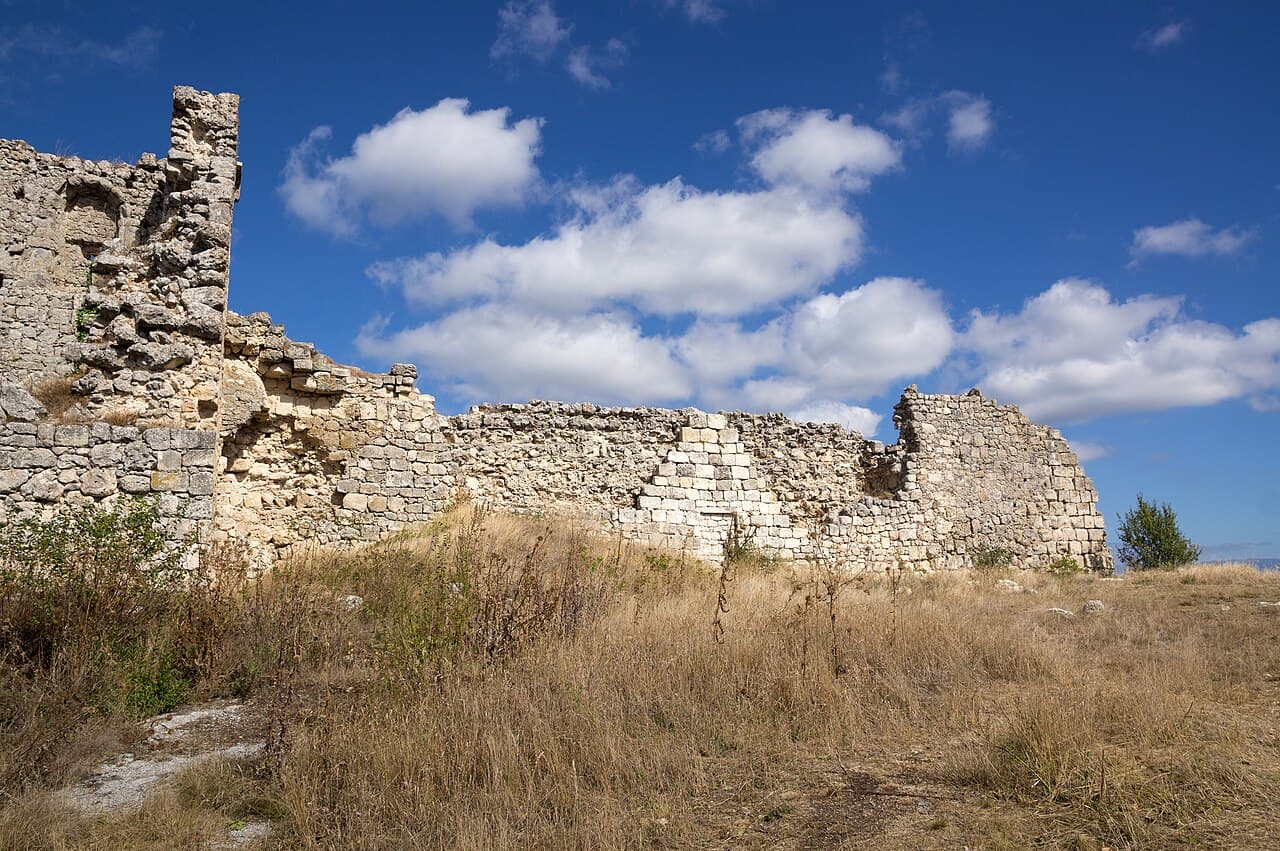
The defensive walls are constructed from local stone and are reinforced with bastions at key points to allow defenders to cover all approaches with crossfire. The fortress complex includes multiple gates, towers, and internal courtyards, which would have housed soldiers, administrators, and residents.
Within the fortress, archaeological remains indicate the presence of residential quarters, religious buildings, cisterns for water storage, and other infrastructure necessary for sustaining a prolonged siege. The layout reflects a combination of Byzantine military engineering and local adaptations to the rugged terrain.
Role in regional history and cultural heritage
Mangup served as a cultural and political hub for the Crimean Goths from the 6th century until approximately the 15th century. It was the center of the last Gothic principality in Crimea, maintaining a unique Gothic-Christian identity amid the surrounding Turkic and Slavic populations.
The fortress witnessed numerous sieges and conflicts, including struggles against the expanding powers of the Mongols, Tatars, and later the Ottoman Empire. Despite these challenges, Mangup remained a significant stronghold until it was eventually abandoned.
Today, Mangup is valued for its rich archaeological remains and its testimony to the complex cultural history of Crimea. It is an important site for understanding the interactions between Byzantine, Gothic, and Turkic civilizations in the Black Sea region.
Current condition and preservation
The fortress is currently in a ruined state, with many of its walls, towers, and internal structures partially preserved. The rugged terrain and natural erosion have taken their toll, but significant portions of the defensive walls and bastions remain visible.
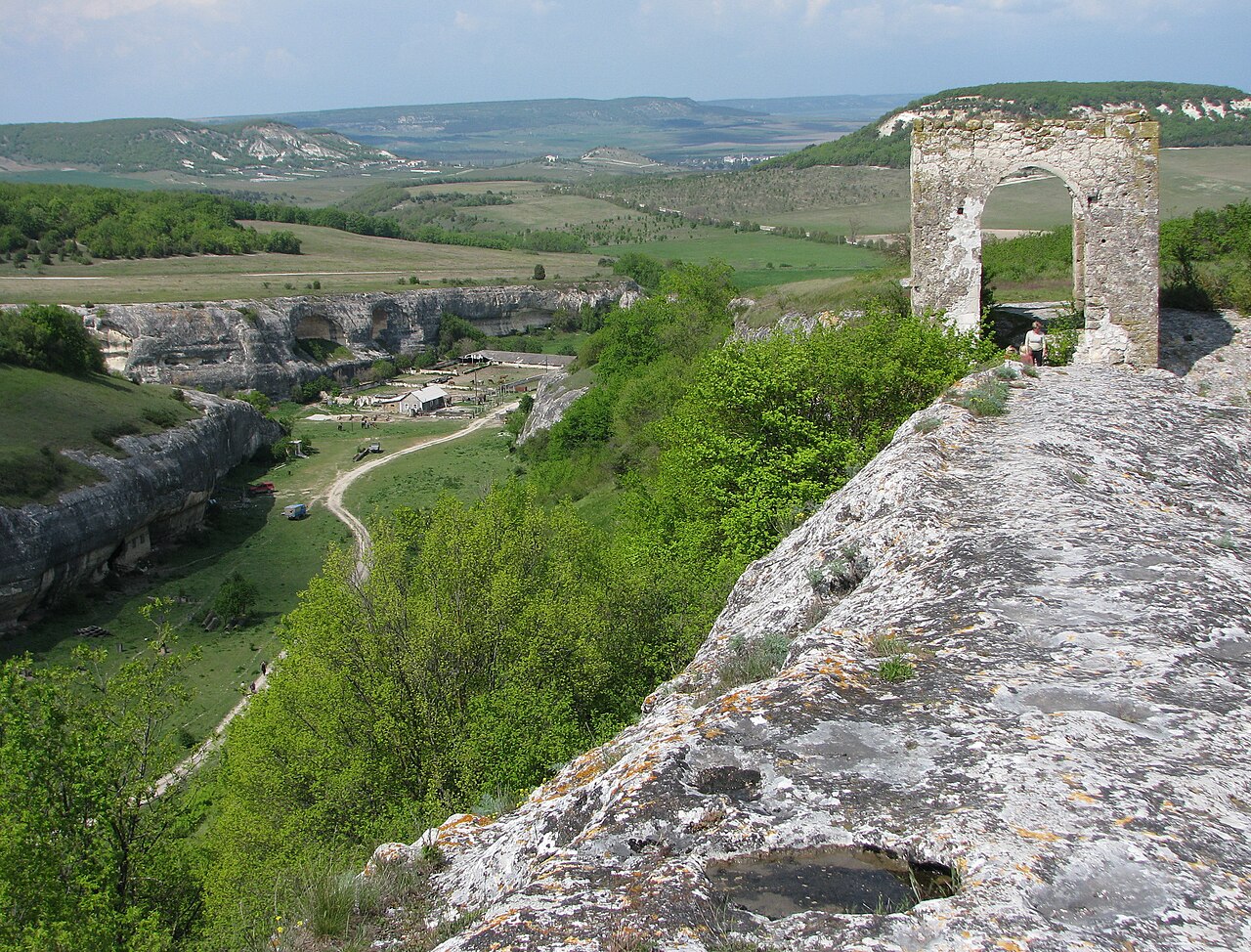
Archaeological efforts have been undertaken to document and preserve the site, providing valuable insights into its construction techniques and historical phases. Mangup is accessible to visitors interested in medieval fortifications and Crimean history, offering panoramic views from its elevated position.
Visiting Mangup fortress
Visitors to Mangup can explore the extensive ruins spread across the plateau. The site offers hiking opportunities along ancient paths and the chance to see remnants of the bastioned fortifications and Byzantine architectural elements. Due to its location, visitors should prepare for uneven terrain and limited facilities.
The fortress's historical significance and dramatic setting make it a compelling destination for those interested in medieval military architecture and the diverse cultural history of Crimea.
Frequently asked questions (FAQ)
- How do I get to Mangup fortress from Sevastopol?
- Mangup fortress is located about 13 kilometres east of Sevastopol. Visitors can reach the site by car or local transport followed by a hike up the plateau. The terrain is rugged, so proper footwear is recommended for the final ascent.
- What is the historical importance of Mangup fortress?
- Mangup fortress was a key stronghold during the early medieval period, serving as the center of the Crimean Goths and a strategic defensive site near Chersonesus. It reflects Byzantine military architecture and the region's complex cultural history.
- Is Mangup fortress accessible to visitors year-round?
- The fortress is generally accessible year-round, but weather conditions can affect the safety of hiking the rocky paths. Spring and autumn offer the most comfortable visiting conditions.
- Can I explore the entire fortress on foot?
- Yes, visitors can explore the ruins on foot, including the defensive walls, bastions, and internal courtyards. The site covers a large area with uneven terrain, so visitors should be prepared for a physically demanding walk.
- Are there guided tours available at Mangup fortress?
- Guided tours may be available through local tour operators specializing in Crimean history. These tours provide detailed historical context and architectural insights that enhance the visitor experience.
Photo gallery

Information
Loading map...
Visitor reviews
No reviews yet. Been here? Write the first review and help other travelers!
Write the first reviewVisited this castle? Share your experience
Your review helps other travelers and adds first-hand knowledge to our encyclopedia.