Eski-Kermen
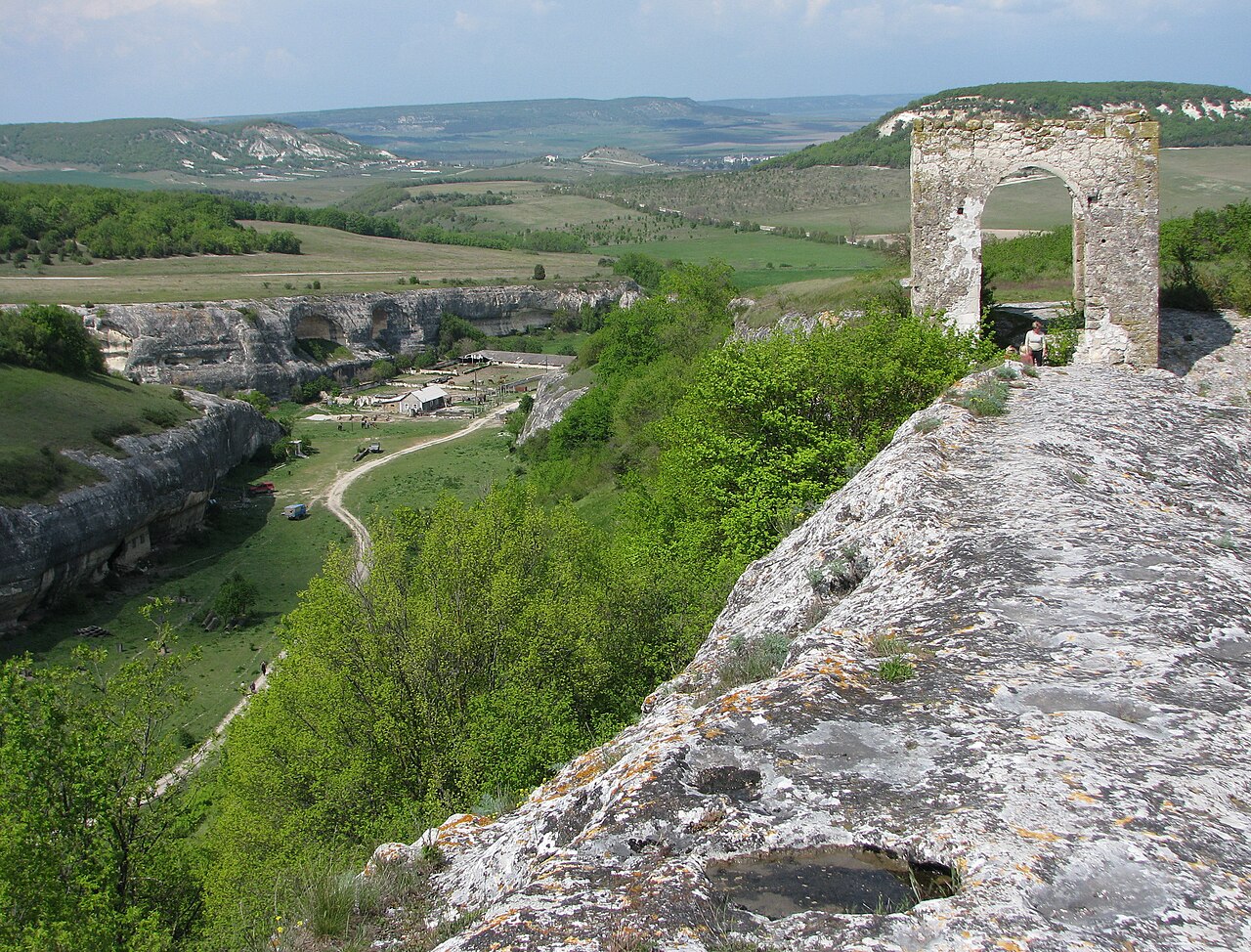
Eski-Kermen, located in the Crimean Peninsula of Ukraine, is a remarkable example of an early medieval cave town and fortress that showcases the strategic military and residential ingenuity of its time. Founded in the 6th century by the Byzantine Empire, this fortress was established primarily to defend the empire against incursions by the Göktürks. Its unique construction on a natural plateau spanning approximately 1 kilometer by 200 meters allowed it to serve both as a defensive bastion and a thriving settlement.
Historical context and founding
The establishment of Eski-Kermen during the Early Medieval period reflects the Byzantine strategy of fortifying frontier regions to protect against nomadic invasions. The fortress was strategically positioned to control key routes and provide a stronghold against the advancing Göktürks. In the 7th or 8th century, the fortress fell under the control of the Khazars, a powerful Turkic people who dominated large parts of Eastern Europe and the Caucasus. Despite the change in rulers, the site maintained its significance as a habitation center.
Architectural features and cave dwellings
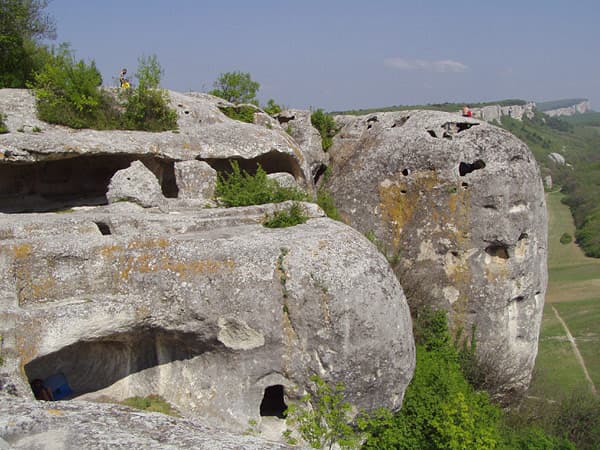
One of the most distinctive aspects of Eski-Kermen is its extensive network of cave rooms, with around 400 caves still surviving today. These caves were carved into the plateau's soft rock, serving as living quarters, storage spaces, and defensive refuges. The fortress also contained surface structures, including the remains of a basilica, indicating the presence of a Christian community and the religious life of its inhabitants.
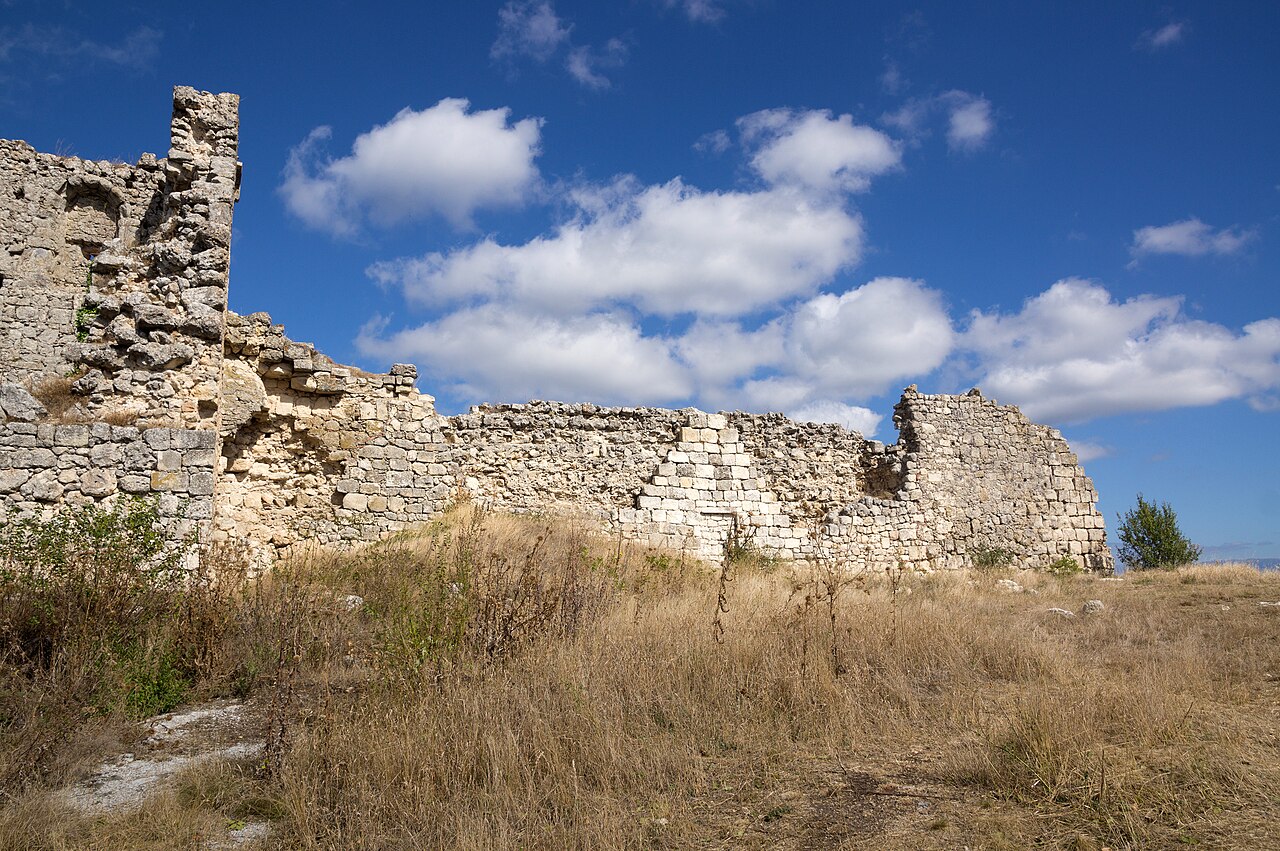
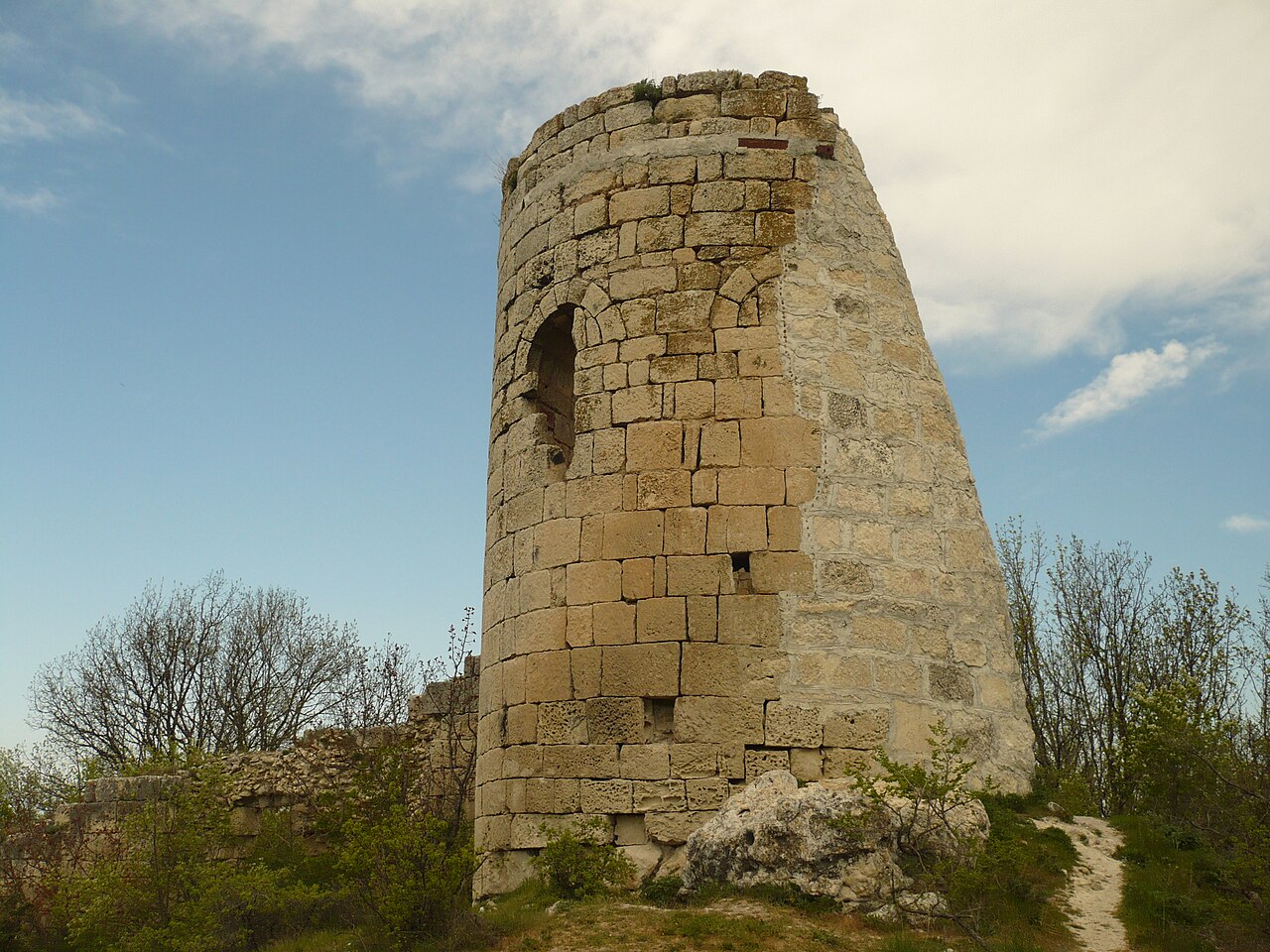
The fortress's construction integrates natural geological features with human engineering, creating a fortified complex that utilized the plateau's elevation and natural defenses. The caves were interconnected by narrow passages and stairways, enhancing the defensibility of the settlement. Although most surface buildings have vanished over the centuries, the cave system remains a testament to the adaptability and resilience of its occupants.
Occupants and cultural influences
The original inhabitants of Eski-Kermen were likely Alans or Goths, groups known for their presence in the region during the early medieval era. The fortress's religious architecture, such as the basilica, points to a Christian population, possibly aligned with Byzantine Orthodox traditions. Following the Khazar conquest, the fortress's military importance diminished, but it continued to be a vibrant cave dwelling site.
During the 11th century, the fortress was inhabited under the rule of the Pechenegs, a semi-nomadic Turkic people. The site persisted as a residential complex until approximately the 14th century, when it was abandoned during the period of Tatar dominance in Crimea. This long occupation period highlights the fortress's role as a cultural and strategic hub through various political changes.
Military significance and decline
Initially constructed as a defensive fortress against nomadic threats, Eski-Kermen played a crucial role in the Byzantine frontier defense system. Its elevated position and fortified caves allowed defenders to withstand sieges and control surrounding territories. However, after the Khazar conquest, the fortress lost much of its military relevance as political power shifted in the region.
Despite this decline, the fortress's extensive cave dwellings ensured its continued use as a residential and communal site. The eventual desertion in the 14th century coincided with broader regional upheavals under Tatar rule, which led to many such settlements being abandoned or transformed.
Current condition and archaeological significance
Today, Eski-Kermen stands as a significant archaeological site characterized by its vast system of rock-cut caves. While most surface structures have disappeared, the surviving 400 cave rooms provide valuable insights into early medieval fortification techniques, settlement patterns, and daily life in Crimea. Archaeological research has uncovered remnants of religious buildings, fortifications, and domestic spaces, contributing to the understanding of Byzantine and post-Byzantine frontier societies.
The site is a protected cultural heritage monument, attracting scholars and visitors interested in medieval history, Byzantine architecture, and the complex interactions of peoples in the Crimean region. Its preservation offers a unique window into the adaptation of human habitation to natural landscapes and the strategic imperatives of early medieval empires.
Frequently asked questions (FAQ)
- When was Eski-Kermen founded and by whom?
- Eski-Kermen was founded in the 6th century by the Byzantine Empire as a defensive fortress against the Göktürks.
- What makes Eski-Kermen architecturally unique?
- Eski-Kermen is notable for its extensive network of around 400 cave rooms carved into a plateau, integrating natural rock formations with human-made fortifications.
- Who were the primary occupants of Eski-Kermen throughout its history?
- The fortress was initially inhabited by Alans or Goths, later controlled by the Khazars, and inhabited by the Pechenegs until the 14th century.
- Why did Eski-Kermen lose its military importance?
- After the Khazars conquered the fortress in the 7th or 8th century, its military significance declined as political power shifted in the region.
- What remains of Eski-Kermen today?
- Today, most surface structures have vanished, but approximately 400 cave rooms remain, making it an important archaeological site.
Photo gallery

Information
Loading map...
Visitor reviews
No reviews yet. Been here? Write the first review and help other travelers!
Write the first reviewVisited this castle? Share your experience
Your review helps other travelers and adds first-hand knowledge to our encyclopedia.