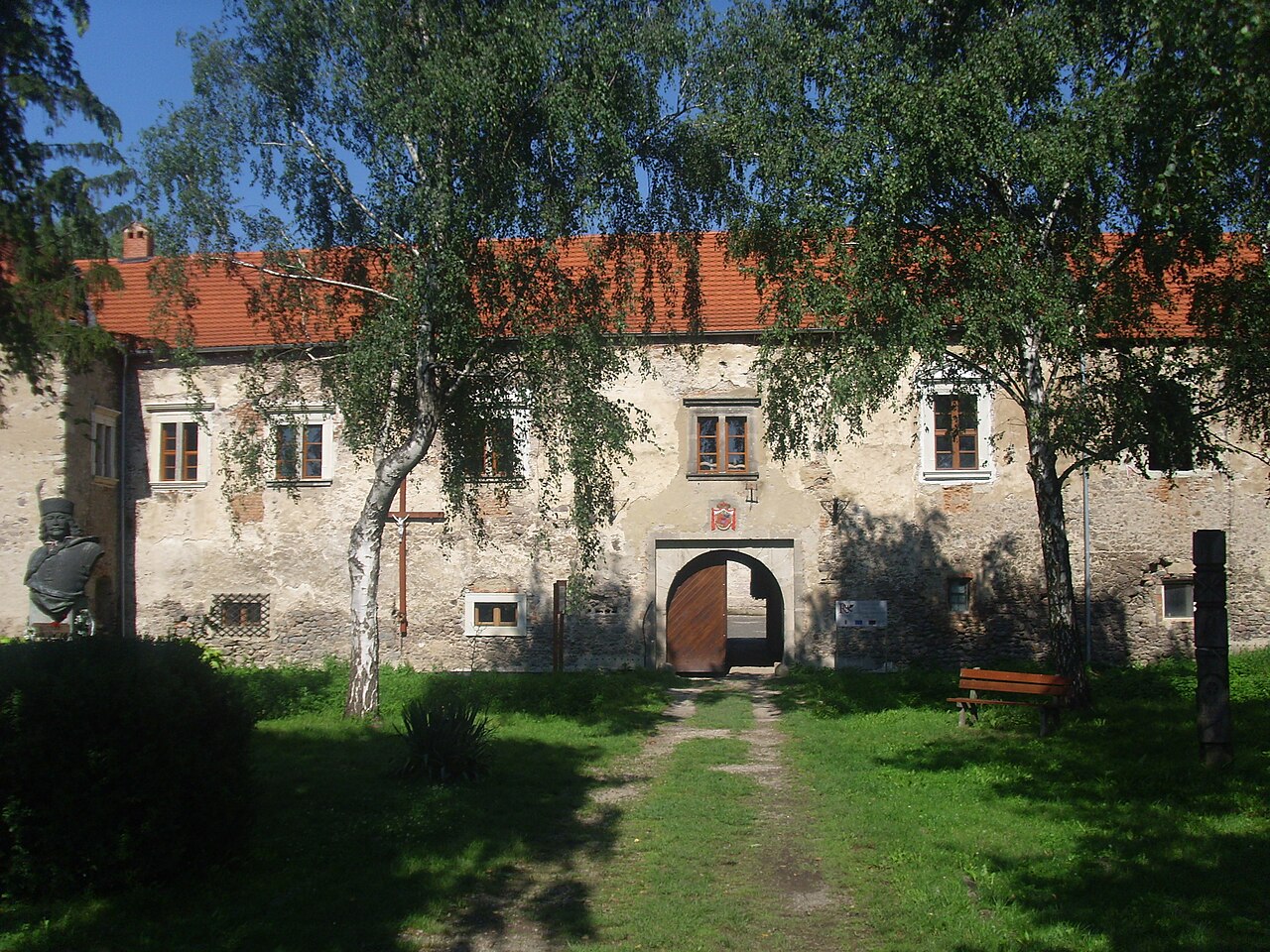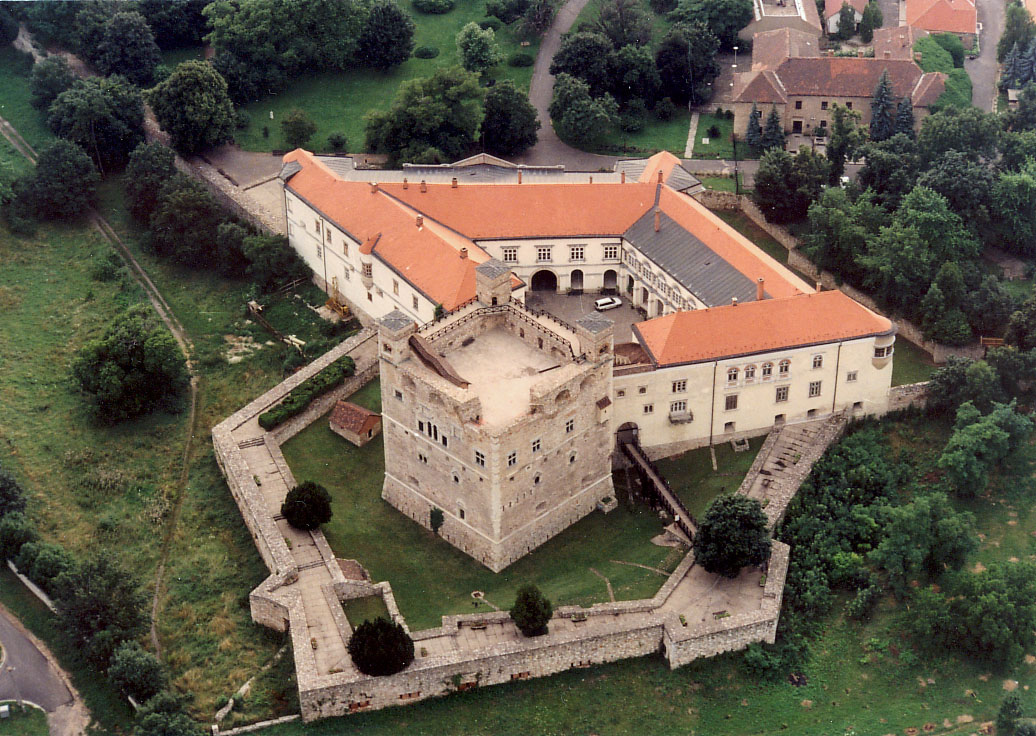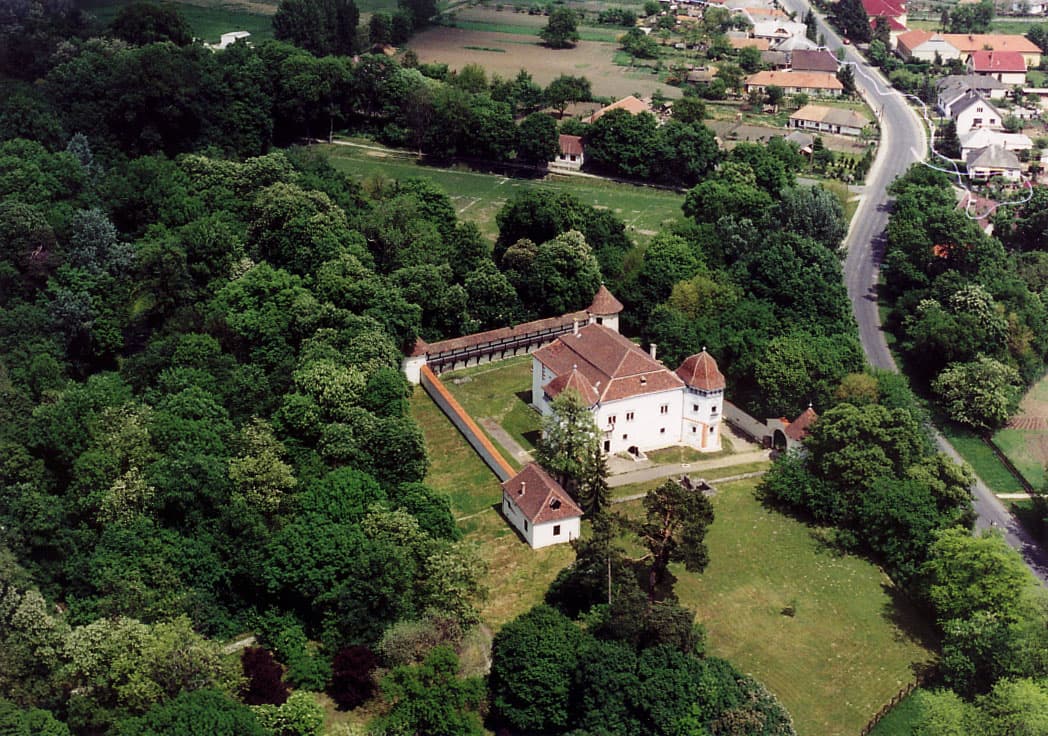
Mágóchy–Alaghy–Sennyei Castle — Hungary castle

Mágóchy–Alaghy–Sennyei Castle

Mágóchy–Alaghy–Sennyei castle in Hungary
High Medieval (11th–13th c.)
Ruins

Mágóchy–Alaghy–Sennyei Castle is a historic hill castle located in Hungary, known for its medieval origins and significant architectural heritage. Although the exact city location is not well documented, the castle's presence in Hungary marks it as an important example of regional fortifications from the High Medieval period.

Historical background and origins

The castle's origins likely date back to the 13th or 14th century, a period when many castles were constructed in Hungary to secure territorial control and defend against invasions. The castle is named after the families associated with its ownership: the Mágóchy, Alaghy, and Sennyei families, who played roles in the castle's history and maintenance. These noble families were part of the Hungarian aristocracy, contributing to the castle's status as a fortified residence and military stronghold.

Architectural features and style

The castle exhibits characteristics typical of hill castles built during the medieval period in Central Europe. Constructed primarily of stone, it was strategically positioned on elevated terrain to maximize defensive capabilities. The castle's design includes thick curtain walls, towers for surveillance and defense, and a keep or donjon serving as the last line of defense and residential quarters.

Its architectural style aligns with the Gothic tradition, evident in the pointed arches and narrow windows designed for archers. The castle's layout likely included a courtyard surrounded by defensive walls, with ancillary buildings such as a chapel, storerooms, and living quarters.

Defensive structures

The castle's location on a hill provided natural defense, augmented by man-made features such as a moat or dry ditch, and battlements along the walls for protection against attackers. The entrance was probably fortified with a gatehouse and possibly a drawbridge, common in medieval fortifications to control access.

Historical significance and ownership

Throughout its history, Mágóchy–Alaghy–Sennyei Castle served as a military and administrative center for the noble families who owned it. It played a role in regional conflicts and the defense of Hungarian territories during periods of political instability and invasions, such as the Ottoman incursions in the 16th century.

The castle's ownership passed through the Mágóchy, Alaghy, and Sennyei families, each contributing to its maintenance and modifications. These families were influential in local governance and military affairs, with the castle acting as a symbol of their power and prestige.

Current condition and preservation

The castle today is considered to be in a ruined state, with remnants of its walls and towers still visible. Efforts to preserve the site have been limited, and much of the structure has succumbed to the effects of time and neglect. Despite this, the ruins remain a point of interest for historians and visitors interested in medieval Hungarian architecture and history.

Access to the castle ruins may be restricted or require guidance, as the site is not fully developed for tourism. Visitors interested in exploring the castle should prepare for rugged terrain and limited facilities.

Architectural and cultural importance

Mágóchy–Alaghy–Sennyei Castle stands as a testament to the medieval fortification techniques employed in Hungary and Central Europe. Its hilltop location and Gothic architectural elements reflect the strategic and aesthetic considerations of the time. The castle contributes to the understanding of feudal society, military architecture, and noble lineage in Hungary.

As a cultural heritage site, the castle offers insights into the region's history and the evolution of defensive structures. It holds potential for archaeological research and cultural tourism if preservation efforts are enhanced.

Frequently asked questions (FAQ)

What is the historical significance of Mágóchy–Alaghy–Sennyei Castle?
Mágóchy–Alaghy–Sennyei Castle is a notable example of Hungarian Renaissance architecture, reflecting the region's rich history. It served as a noble residence and played a role in the social and political life of Hungary during its peak periods. The castle's unique design and historical artifacts provide insight into the lifestyle of the aristocracy in the past.
When was Mágóchy–Alaghy–Sennyei Castle built?
The castle was constructed in the late 16th century, with significant renovations occurring in the 17th and 18th centuries. Its architecture showcases the transition from Renaissance to Baroque styles, making it an interesting site for both history and architecture enthusiasts. Over the centuries, it has undergone various modifications to adapt to changing tastes and functions.
Can I visit Mágóchy–Alaghy–Sennyei Castle?
Yes, visitors are welcome to explore Mágóchy–Alaghy–Sennyei Castle. Guided tours are available, offering insights into its history and architecture. Be sure to check the castle's website or contact them for the latest information on visiting hours and any special events.
What are the opening hours for Mágóchy–Alaghy–Sennyei Castle?
The castle typically opens from 10 AM to 6 PM during the tourist season, which runs from spring to autumn. However, hours may vary depending on the time of year and special events. It is advisable to verify the opening hours before your visit to ensure that you can fully enjoy your experience.
Is it possible to access Mágóchy–Alaghy–Sennyei Castle with disabilities?
The castle strives to be accessible to all visitors, but due to its historical architecture, certain areas may present challenges for those with mobility impairments. It is recommended to contact the castle administration in advance to inquire about specific accessibility options and accommodations available during your visit.
What is the best time to visit Mágóchy–Alaghy–Sennyei Castle?
The best time to visit is during the spring and early autumn months when the weather is pleasant and ideal for exploring the grounds. Additionally, these seasons often feature fewer crowds, allowing for a more relaxed experience. Visiting during local festivals can also enhance your experience with cultural activities.
Are there any nearby attractions to Mágóchy–Alaghy–Sennyei Castle?
Yes, there are several attractions near the castle, including picturesque parks and other historic sites that reflect Hungary's rich cultural heritage. You can also explore local markets and cafes that offer a taste of traditional Hungarian cuisine. Planning a day trip allows you to fully immerse yourself in the region’s history and charm.
What are the ticket prices for Mágóchy–Alaghy–Sennyei Castle?
Ticket prices for Mágóchy–Alaghy–Sennyei Castle are generally affordable, catering to both adults and children. Discounts may be available for students, seniors, and groups, making it an accessible destination for families. Check the official website for current pricing and any special offers that may be available during your visit.

Photo gallery

Mágóchy–Alaghy–Sennyei Castle
Click to view

Photo by Unknown authorUnknown author•CC BY-SA 2.5

1 photo • Click any image to view in full screen

Information

Hill Castle

Loading map...

Visitor reviews

No reviews yet. Been here? Write the first review and help other travelers!

Write the first review

Visited this castle? Share your experience

Your review helps other travelers and adds first-hand knowledge to our encyclopedia.
Write a review

(5/5)

0/2000 characters

Your review will be visible after admin approval

Nearby castles

3.5 km
Veľký Kamenec Castle — Slovakia castle

Veľký Kamenec Castle

Veľký Kamenec, Slovakia

Veľký Kamenec Castle is a significant medieval fortress located in the village of Veľký Kamenec in present-day Slovakia. This hill castle was constructed in the aftermath of the Mongol invasion of Central Europe, a period that profoundly influenced the development of defensive architecture in the region during the late 13th and early 14th centuries. The castle's location atop a hill provided a strategic vantage point to oversee and protect the surrounding estate, which was vital for the local nobility's control and defense. Early history and ownership The earliest historical records associate the estate with Matthias of the Ratold family in 1283. Shortly thereafter, by 1288, the property passed to the Bokš family. The year 1323 marks the first documented mention of the castle itself, coinciding with the division of the Bokš family estate. This suggests that the castle was already established as a fortified residence by the early 14th century. Initially, the fortress likely centered around a main tower, serving both as a stronghold and a symbol of feudal authority. Architectural evolution and military significance During the 15th century, Veľký Kamenec Castle rose in military importance amid the turbulent political landscape of the region. By 1438, documentation confirms the existence of a tower, which formed the core of the defensive complex. The castle's design was adapted to meet the evolving demands of warfare, particularly with the introduction of rounded and polygonal bastions at its corners in the late 15th century. These bastions were advanced fortification features that allowed for better artillery placement and improved defensive coverage. Role in regional conflicts In 1451, the castle fell under the control of Ján Jiskra, a notable mercenary leader who used it as a base for launching raids across the surrounding territory. This period highlights the castle's strategic importance in regional power struggles. The castle was reclaimed by royal forces in 1458, the same year it hosted a peace treaty between Jiskra and Ján Hunyadi, a prominent Hungarian military commander. This event underscores Veľký Kamenec's dual role as both a military fortress and a diplomatic venue. Later history and destruction Following these events, the Soós family acquired the estate and undertook significant repairs and fortification enhancements in the late 15th century, reflecting the period's military architectural advancements. The castle remained an important noble residence and defensive site until the 17th century. The vesselényi uprising and aftermath During the Vesselényi uprising in the 17th century, a noble revolt against Habsburg rule, the castle's owner, Juraj Soós, actively participated in the rebellion. In response, imperial troops destroyed Veľký Kamenec Castle in 1672, ending its function as a military stronghold and noble residence. Since then, the castle has remained in ruins, preserving the memory of its turbulent past. Architectural features and surviving remains The castle was originally designed on a roughly triangular plan, conforming to the natural contours of the hilltop. At its heart was a main tower surrounded by defensive walls, typical of hill castles of the period. The late medieval modifications introduced rounded and polygonal bastions at the corners, reflecting the adaptation to gunpowder artillery warfare. Defensive structures Today, visitors can observe several preserved sections of the outer walls, including a polygonal corner bastion notable for its angular design. This bastion, along with connecting fortress walls, features openings for cannons and windows, indicating the castle's role in both defense and habitation. A heavily damaged round artillery bastion remains visible, further illustrating the castle's evolution to accommodate early modern military technology. Additional features The castle's ramparts extend down the slope to a nearby church, which is believed to have been part of the original complex, serving the religious needs of the castle's inhabitants and retainers. Within the former courtyard, a stone-carved cistern is clearly identifiable. This cistern was essential for collecting and storing water, ensuring the castle's sustainability during sieges or periods of isolation. Cultural and historical significance Veľký Kamenec Castle stands as a testament to the layered history of medieval fortification in Slovakia. Its remains offer valuable insights into the architectural adaptations necessitated by changing military technologies and political conditions from the late medieval period through the early modern era. The castle's involvement in significant historical events, such as the conflicts involving Ján Jiskra and the Vesselényi uprising, highlights its importance as both a military and political center. Today, the ruins of Veľký Kamenec Castle attract historians, architects, and visitors interested in medieval history and fortification architecture. The site exemplifies the transition from traditional tower-centered castles to more complex fortresses incorporating bastions designed for artillery defense. Its preservation, though partial, allows for the study and appreciation of these developments within the broader context of Central European castle architecture.

Late Medieval (14th–15th c.)
Details
11.2 km
Borsa Castle — Slovakia castle

Borsa Castle

Borsa, Slovakia

Borsa Castle stands as a significant high medieval hill castle ruin located in the village of Borsa in the Košice Region of Slovakia. Constructed in the 13th century after the devastating Tatar invasion, the castle was commissioned by King Béla IV as part of a widespread fortification effort to strengthen the kingdom's defenses. Originally, it likely functioned as a moated castle, a common defensive feature of the period, combining natural terrain advantages with man-made water barriers to deter attackers. The castle's early history is somewhat obscure, with limited records surviving, but it is known to have passed through the hands of several noble families, including the Perin, Polonyi, Lorántffy, and Rákóczi lineages. Among these, the most notable figure associated with Borsa Castle is Francis II Rákóczi, the leader of the Hungarian uprising against the Habsburgs between 1703 and 1711. Rákóczi was born here, lending the castle considerable historical importance as a symbol of Hungarian national resistance and identity. Origins and strategic importance Following the 1241-42 Mongol (Tatar) invasion that devastated much of the Kingdom of Hungary, King Béla IV initiated a comprehensive program to build stone castles to replace earlier wooden fortifications. Borsa Castle was part of this defensive network, strategically positioned on a hill to oversee and control the surrounding territory. Its elevated location provided natural defensive advantages, allowing guards to spot approaching enemies from a distance. Architectural features and layout While much of the original structure of Borsa Castle has not survived intact, archaeological studies and historical descriptions indicate that it featured typical 13th-century castle architecture. The castle likely included a central keep or donjon serving as the last defensive refuge, surrounded by curtain walls with battlements and towers. The presence of a moat further enhanced its defenses, a feature that was gradually replaced or supplemented by dry ditches in many castles of the region. In the late 16th or early 17th century, a significant transformation occurred when a 'hradný kaštieľ' (translated as a castle-like mansion or manor house) was constructed on the site. This change reflected the shifting needs of the nobility from purely military fortifications to more comfortable residential estates. The manor would have incorporated Renaissance architectural elements, emphasizing residential comfort and status rather than defense. Ownership and historical role The castle's ownership history reflects the complex political and social changes in the region. The Perin family was among the early owners, followed by the Polonyi and Lorántffy families, who were influential Hungarian noble houses. The Rákóczi family acquired the castle later, with Francis II Rákóczi becoming its most famous resident. Francis II Rákóczi (1676–1735) was a key figure in Hungarian history, leading the Kuruc uprising against Habsburg rule in the early 18th century. His birthplace at Borsa Castle adds a layer of national significance to the site, making it a symbol of resistance and Hungarian patriotism. The castle and manor were part of the Rákóczi estate network, which played an important role during the rebellion and in the cultural memory of Hungary and Slovakia. Later history and current condition By the 16th century, the original medieval fortress had fallen out of military use and was replaced by the manor house. Over time, the castle complex declined and eventually became defunct. Today, Borsa Castle exists primarily as ruins, with remnants of the medieval fortifications and the later manor still visible. The site offers valuable insights into medieval and early modern castle architecture in Eastern Slovakia. The castle's location in the Košice Region makes it accessible to visitors interested in exploring the history of the region and the legacy of the Rákóczi family. The ruins are a testament to the area's turbulent history and the evolution of castle building from defensive strongholds to noble residences. Visiting Borsa Castle Visitors to Borsa Castle can explore the remains of the hill castle and the later manor house site. While the castle is in a ruined state, the site retains enough architectural features to appreciate its historical significance. The surrounding landscape provides scenic views typical of medieval hill castles, with natural defenses and strategic vantage points. The castle is an important cultural heritage site in Slovakia, attracting historians, architecture enthusiasts, and tourists interested in Central European medieval history. Its connection to Francis II Rákóczi enhances its appeal, linking it to broader narratives of resistance and national identity in the region.

High Medieval (11th–13th c.)
Details
19.3 km
Rákóczi Castle — Hungary castle

Rákóczi Castle

Sárospatak, Hungary

Rákóczi Castle, located in the historic town of Sárospatak, Hungary, stands as a remarkable example of a late medieval hill castle that evolved into a Renaissance fortress and noble residence. Its origins date back to the 15th century, with the oldest surviving structure being the imposing five-storey Red Tower, a symbol of the castle's defensive strength and architectural heritage. This tower, with its sloping walls and narrow embrasures, reflects the castle's dual role as both a stronghold and a noble residence. Visitors can explore period rooms within the tower, which are preserved in excellent condition and accessible only through guided tours. Architectural evolution and features The castle's architectural journey began with the construction of the Red Tower in the late 15th century. This fortified residential keep was designed with practical defensive elements such as embrasures and a richly decorated Renaissance portal featuring grotesque faces and an angel with a four-part coat of arms. The tower's interior originally housed essential functional spaces including a kitchen, steward's quarters, chancellery, treasury, and archive, demonstrating the castle's administrative importance. In the 16th century, the castle underwent significant expansion with the addition of the Renaissance-style Palace Wing. This wing was connected to the Red Tower by the 17th-century Lorántffy Gallery, a loggia named after Lorántffy Zsuzsanna, a key figure in the castle's history. The palace wing was later enlarged by the influential Rákóczi family of Transylvania, who owned the castle from the early 17th century. Their renovations included adding upper floors, constructing new bastions, and enhancing the castle's residential and defensive capabilities. The Red Tower and inner ward The Red Tower remains the castle's focal point, featuring a large hall on the fourth floor known as the "old palace," which retains Renaissance carved frames bearing the Perényi family coat of arms and fragments of 16th-century ornamental wall paintings. The tower's vaulted ceiling was added in the 17th century, replacing the original wooden ceiling. Adjacent to the tower is the "bokályos ház," once the audience chamber of I. Rákóczi György, linking formal and residential functions. The castle's inner ward is characterized by a distinctive rhombus-shaped layout with protruding corner bastions and is separated from the town by a moat. The "párkány", a pentagonal bastion dating from the 16th to 17th centuries, surrounds the Red Tower to the southeast and includes casemates—vaulted defensive chambers within the walls. The courtyard features Renaissance-style vaulted arcades added in the 19th century, which complement the castle's historic aesthetic. Defensive structures and bastions The castle's fortifications include several bastions built or expanded over the centuries. The Red Bastion, now ruined, and a three-story casemated bastion constructed in 1647, stand along the southern castle wall. Foundations of an earlier 16th-century round bastion lie beneath these structures. The western wall, largely obscured today by modern development, once included the Lion Bastion, built between 1631 and 1647. The northern defenses are minimal, with the fortified segment of the local Gothic church integrated into the castle's defenses, showing signs of damage from the 1670 Wesselényi conspiracy uprising. The eastern city wall connects directly to the palace and features the Water Gate, distinguished by a semicircular carriage entrance and a smaller pedestrian gate. Archaeological excavations have revealed the foundations of an outer bastion that once guarded this gate, highlighting the layered defensive design of the castle complex. Historical significance and ownership The castle's history is deeply intertwined with Hungary's turbulent past. Originally belonging to the Pálóczi family in the 15th century, the castle was rebuilt after the Battle of Mohács in 1526 by Péter Perényi, who incorporated Renaissance architectural elements and constructed new bastions between 1534 and 1542. Ownership passed through several noble families, including the Szepes Chamber, Dobó family, Bocskai family, and Lorántffy family, before becoming the seat of the Rákóczi family in 1616. The Rákóczi family significantly expanded and fortified the castle, making it a center of political and military activity. It played a pivotal role during the Wesselényi conspiracy uprising in 1670, enduring sieges and occupations by imperial and kuruc forces. The castle was the residence of II. Rákóczi Ferenc, leader of the Hungarian independence movement, who convened the historic Diet there in 1708 during the Rákóczi War of Independence. Following the defeat of the uprising, the castle passed to Austrian-German nobility, including the Trautsohn, Bretzenheim, and Windisch-Grätz families. These owners undertook extensive remodeling in the 18th and 19th centuries, blending new architectural elements with the castle's Renaissance and Gothic heritage. Despite periods of neglect, the castle was restored in the 19th century, preserving its historical and cultural significance. Religious and cultural additions Near the castle, a Trinitarian monastery was established in the 18th century on the initiative of II. Rákóczi Ferenc. Completed in 1734 and later known as the "Temple of the Muses," the monastery was dissolved in 1783 and repurposed for estate administration. The monastery complex features a U-shaped plan with a church, chapel, oratory, cloister, and service rooms. Restoration efforts have preserved its original volume, façade, and interior layout, maintaining the site's religious and historical character. Visiting and cultural heritage Today, Rákóczi Castle serves as a museum and cultural monument, showcasing its rich history through exhibitions such as the Rákóczi Exhibition, which focuses on the 1703–1711 uprising and the castle's notable occupants. The castle's bedrooms, dining halls, and chambers display period furniture, tapestries, porcelain, and glass, offering visitors a glimpse into noble life during the Renaissance and Baroque periods. The castle's architectural features, including the Lorántffy Gallery, the Sub-Rosa balcony with its painted keystone rose symbolizing confidentiality, and the columned arcade staircase, highlight its blend of Gothic and Renaissance styles with later additions. Guided tours provide access to areas like the Red Tower's period rooms, enriching the visitor experience with historical context and architectural insights. Rákóczi Castle remains a significant cultural landmark in Hungary, reflecting the country's noble heritage, military history, and architectural evolution from the late medieval period through the Renaissance and beyond.

Late Medieval (14th–15th c.)
Details