Borsa Castle
Borsa Castle stands as a significant high medieval hill castle ruin located in the village of Borsa in the Košice Region of Slovakia. Constructed in the 13th century after the devastating Tatar invasion, the castle was commissioned by King Béla IV as part of a widespread fortification effort to strengthen the kingdom's defenses. Originally, it likely functioned as a moated castle, a common defensive feature of the period, combining natural terrain advantages with man-made water barriers to deter attackers.
The castle's early history is somewhat obscure, with limited records surviving, but it is known to have passed through the hands of several noble families, including the Perin, Polonyi, Lorántffy, and Rákóczi lineages. Among these, the most notable figure associated with Borsa Castle is Francis II Rákóczi, the leader of the Hungarian uprising against the Habsburgs between 1703 and 1711. Rákóczi was born here, lending the castle considerable historical importance as a symbol of Hungarian national resistance and identity.
Origins and strategic importance
Following the 1241-42 Mongol (Tatar) invasion that devastated much of the Kingdom of Hungary, King Béla IV initiated a comprehensive program to build stone castles to replace earlier wooden fortifications. Borsa Castle was part of this defensive network, strategically positioned on a hill to oversee and control the surrounding territory. Its elevated location provided natural defensive advantages, allowing guards to spot approaching enemies from a distance.
Architectural features and layout
While much of the original structure of Borsa Castle has not survived intact, archaeological studies and historical descriptions indicate that it featured typical 13th-century castle architecture. The castle likely included a central keep or donjon serving as the last defensive refuge, surrounded by curtain walls with battlements and towers. The presence of a moat further enhanced its defenses, a feature that was gradually replaced or supplemented by dry ditches in many castles of the region.
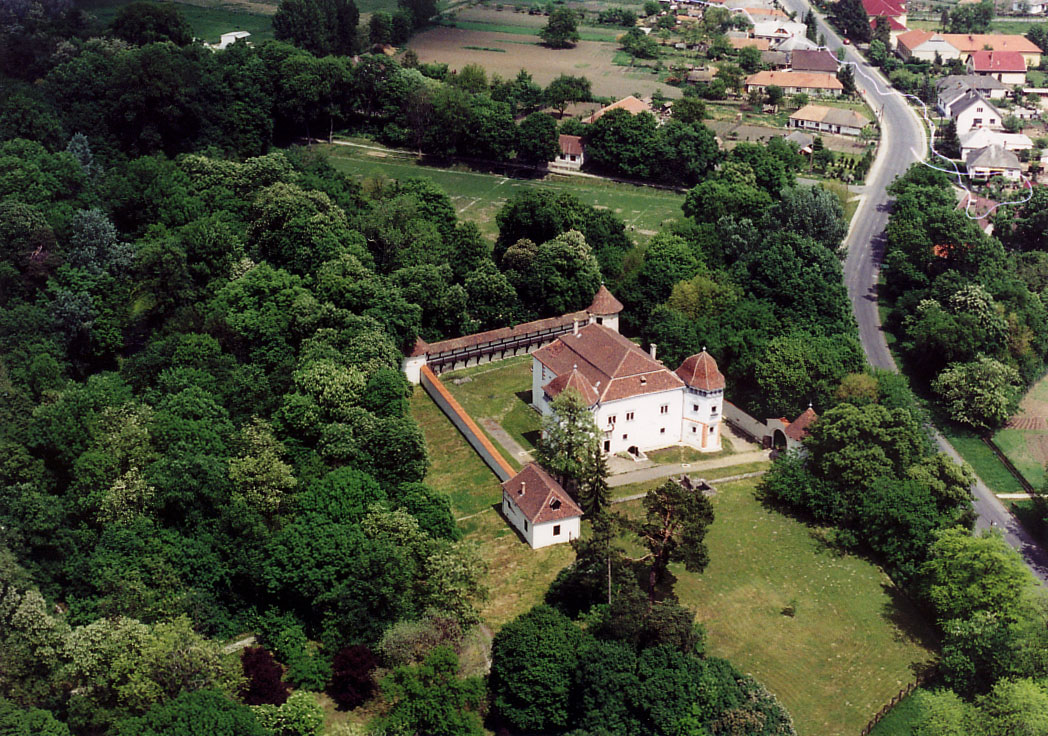
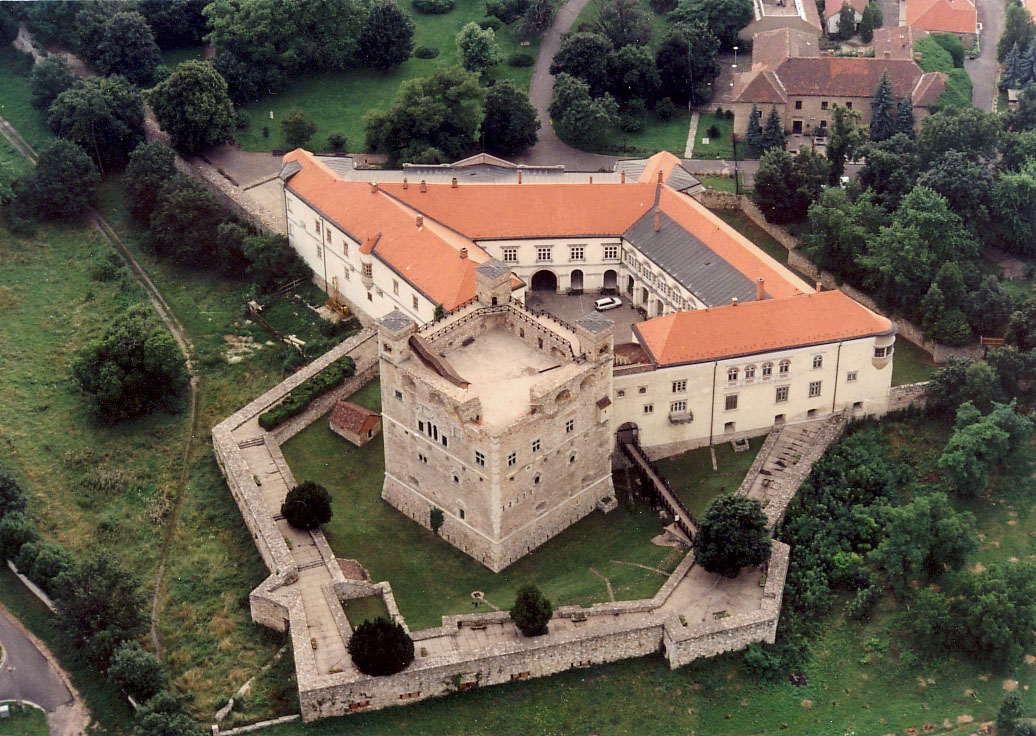
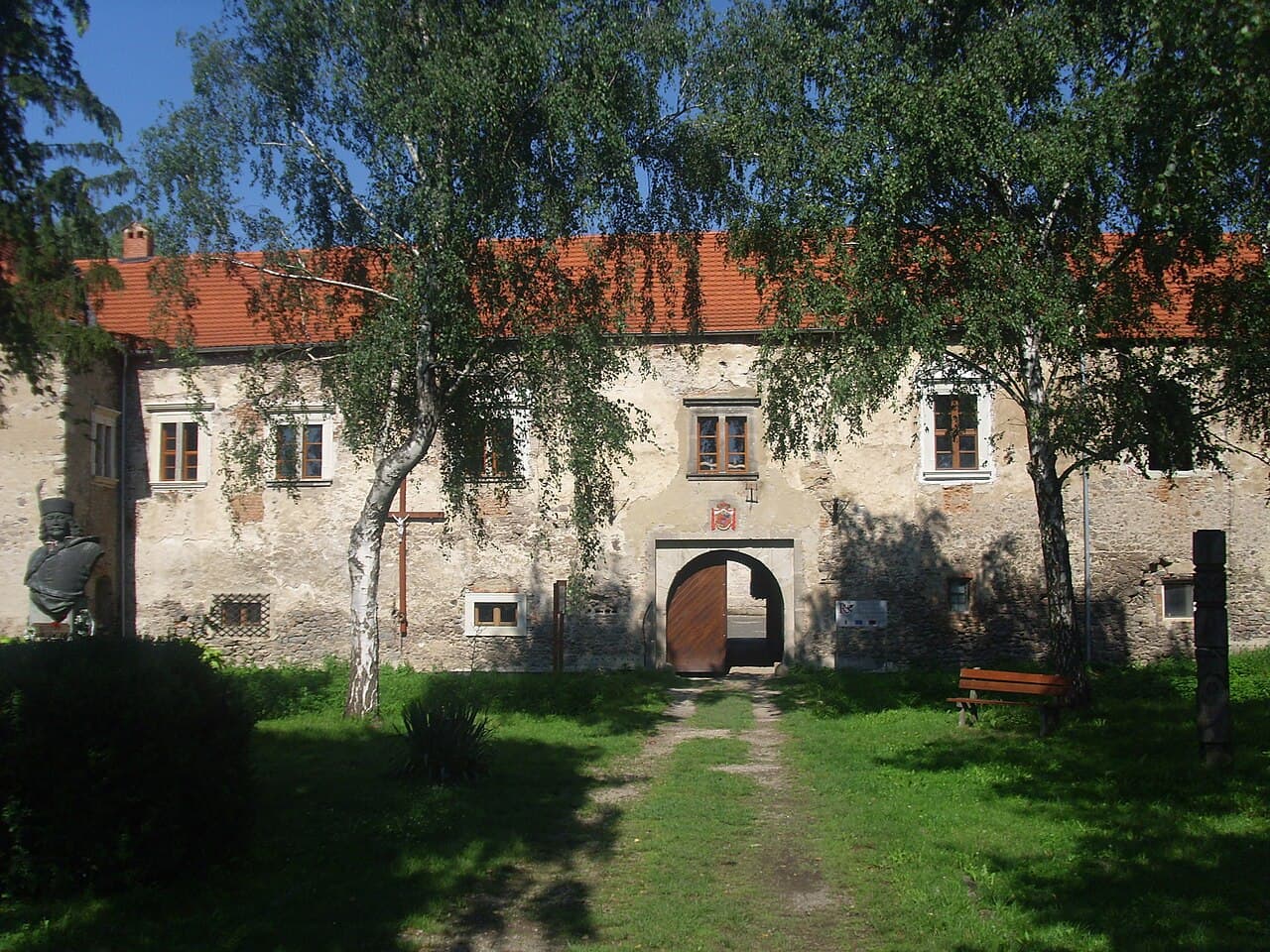
In the late 16th or early 17th century, a significant transformation occurred when a 'hradný kaštieľ' (translated as a castle-like mansion or manor house) was constructed on the site. This change reflected the shifting needs of the nobility from purely military fortifications to more comfortable residential estates. The manor would have incorporated Renaissance architectural elements, emphasizing residential comfort and status rather than defense.
Ownership and historical role
The castle's ownership history reflects the complex political and social changes in the region. The Perin family was among the early owners, followed by the Polonyi and Lorántffy families, who were influential Hungarian noble houses. The Rákóczi family acquired the castle later, with Francis II Rákóczi becoming its most famous resident.
Francis II Rákóczi (1676–1735) was a key figure in Hungarian history, leading the Kuruc uprising against Habsburg rule in the early 18th century. His birthplace at Borsa Castle adds a layer of national significance to the site, making it a symbol of resistance and Hungarian patriotism. The castle and manor were part of the Rákóczi estate network, which played an important role during the rebellion and in the cultural memory of Hungary and Slovakia.
Later history and current condition
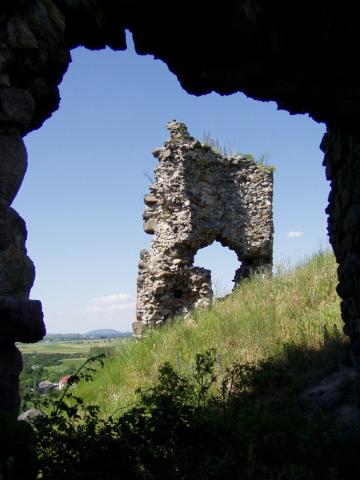
By the 16th century, the original medieval fortress had fallen out of military use and was replaced by the manor house. Over time, the castle complex declined and eventually became defunct. Today, Borsa Castle exists primarily as ruins, with remnants of the medieval fortifications and the later manor still visible. The site offers valuable insights into medieval and early modern castle architecture in Eastern Slovakia.
The castle's location in the Košice Region makes it accessible to visitors interested in exploring the history of the region and the legacy of the Rákóczi family. The ruins are a testament to the area's turbulent history and the evolution of castle building from defensive strongholds to noble residences.
Visiting Borsa Castle
Visitors to Borsa Castle can explore the remains of the hill castle and the later manor house site. While the castle is in a ruined state, the site retains enough architectural features to appreciate its historical significance. The surrounding landscape provides scenic views typical of medieval hill castles, with natural defenses and strategic vantage points.
The castle is an important cultural heritage site in Slovakia, attracting historians, architecture enthusiasts, and tourists interested in Central European medieval history. Its connection to Francis II Rákóczi enhances its appeal, linking it to broader narratives of resistance and national identity in the region.
Frequently asked questions (FAQ)
- When was Borsa Castle built and by whom?
- Borsa Castle was built in the 13th century after the Tatar invasion by King Béla IV as part of a defensive network.
- What is the historical significance of Borsa Castle?
- Borsa Castle is notable as the birthplace of Francis II Rákóczi, leader of the Hungarian uprising against the Habsburgs in the early 18th century.
- Can visitors explore the ruins of Borsa Castle today?
- Yes, visitors can explore the ruins of Borsa Castle, which include remnants of medieval fortifications and a later manor house.
- What architectural features did Borsa Castle have?
- The castle originally featured a moated hilltop design with curtain walls, towers, and a central keep typical of 13th-century fortifications.
- How did the castle change in the 16th or 17th century?
- In the late 16th or early 17th century, a castle-like mansion known as 'hradný kaštieľ' was built on the site, reflecting a shift towards residential use.
Photo gallery

Information
Loading map...
Visitor reviews
No reviews yet. Been here? Write the first review and help other travelers!
Write the first reviewVisited this castle? Share your experience
Your review helps other travelers and adds first-hand knowledge to our encyclopedia.