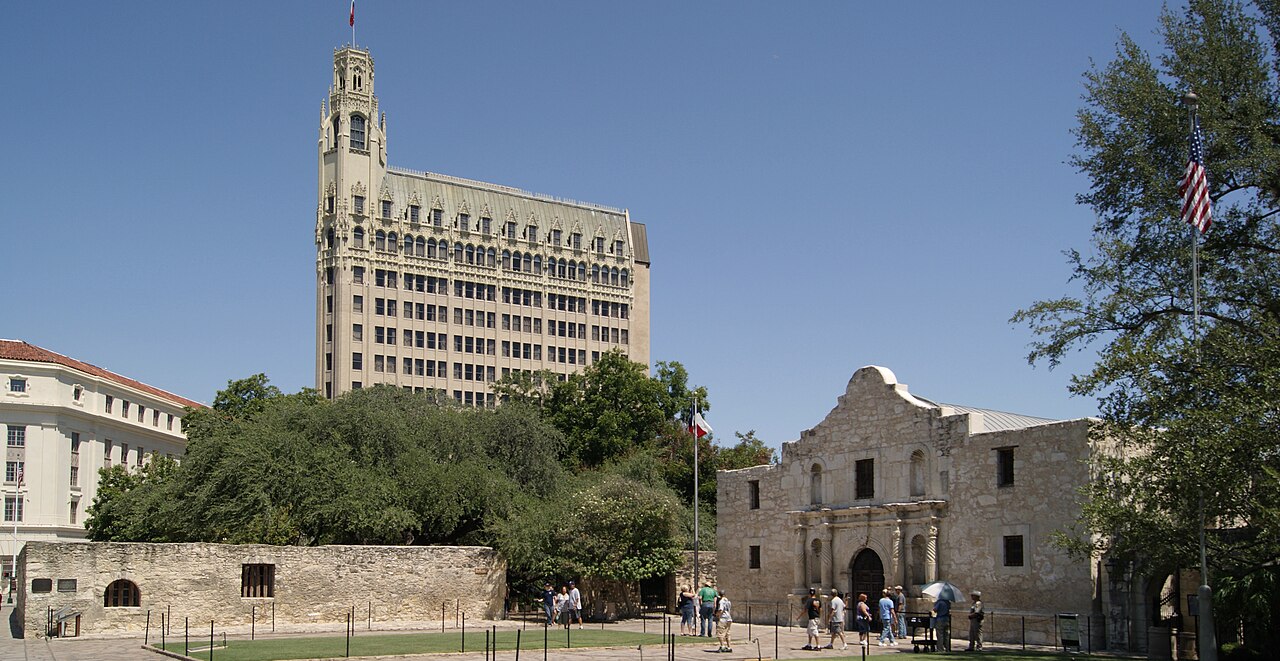
Magic Lantern Castle Museum
The Magic Lantern Castle Museum in San Antonio offers a unique glimpse into the fascinating world of early projection technology, centered around the magic lantern, the earliest known slide projector. This remarkable device, dating back to the late 1600s, represents a significant milestone in the history of visual entertainment and optical science.
The concept of the magic lantern was first rigorously studied and published by Athanasius Kircher, a renowned German Jesuit scholar of geology and medicine, in his seminal work Ars Magna Lucis et Umbrae. Kircher's treatise detailed the principles of the magic lantern, which involved directing a light source through a lens to project images painted on glass slides onto surfaces such as buildings, cloth drapes, or wet screens. For audiences in the 17th century, witnessing images suddenly materialize on a flat surface was nothing short of magical, captivating the imagination and laying the groundwork for modern visual media.
The evolution of projection technology and the magic lantern
Before the advent of cinema and moving pictures, the magic lantern was the primary means of projecting images to an audience. It remained the dominant projection technology until the late 1890s, when moving images began to emerge. The magic lantern's ability to display painted images on glass slides introduced a new form of storytelling and entertainment, influencing theatrical performances, educational presentations, and even early scientific demonstrations.
Construction and mechanism
The magic lantern typically consisted of a light source, initially candles or oil lamps, later replaced by more powerful limelight or electric bulbs. The light was focused through a convex lens system, projecting the image from a painted glass slide onto a surface in a darkened room or outdoor setting. The slides often featured hand-painted scenes, illustrations, or even rudimentary animations created by moving parts or multiple slides.
Cultural impact and significance
The magic lantern captivated audiences across Europe and beyond, becoming a popular form of entertainment in private homes, public lectures, and traveling shows. It played a crucial role in the development of visual culture, inspiring future inventors and filmmakers. The device also contributed to educational methods by enabling visual aids in teaching, particularly in subjects like geography, natural history, and astronomy.
The magic lantern castle museum's collection and exhibits
The museum houses an extensive collection of magic lanterns, glass slides, and related apparatus, illustrating the technological and artistic evolution of this early projection device. Visitors can explore rare examples of lanterns from different periods, including elaborately decorated models and simpler utilitarian designs. The glass slides on display showcase a variety of subjects, from fairy tales and historical events to scientific diagrams and exotic landscapes.
Interactive exhibits allow visitors to experience the magic lantern's projection firsthand, demonstrating how light and optics were harnessed centuries ago to create immersive visual experiences. The museum also provides educational programs and workshops that delve into the history of optics, the science behind projection, and the cultural context of the magic lantern's use.
Historical context and legacy
The magic lantern represents a crucial link between ancient optical devices and modern cinema technology. Its invention and popularization reflect the human desire to tell stories visually and to share knowledge in engaging ways. The Magic Lantern Castle Museum preserves this heritage, highlighting the ingenuity of early inventors like Athanasius Kircher and the enduring fascination with projected images.
Though not a traditional castle in architectural terms, the museum's name evokes the enchanting and mysterious qualities associated with castles, symbolizing a fortress of knowledge and wonder centered on the magic lantern's legacy. It stands as a testament to the intersection of science, art, and entertainment that has shaped visual media history.
Frequently asked questions (FAQ)
- What is the magic lantern and why is it important?
- The magic lantern is the earliest known slide projector, dating back to the late 1600s. It was important because it introduced the concept of projecting images onto surfaces, laying the foundation for modern visual entertainment and cinema.
- Where is the Magic Lantern Castle Museum located?
- The Magic Lantern Castle Museum is located in San Antonio, providing visitors with a unique opportunity to explore the history and technology of the magic lantern.
- Can visitors see magic lantern projections at the museum?
- Yes, the museum offers interactive exhibits where visitors can experience how the magic lantern projects images using light and lenses, demonstrating early optical technology.
- When was the magic lantern first studied and by whom?
- The magic lantern was first studied and published by Athanasius Kircher, a German Jesuit scholar, in the late 1600s in his work Ars Magna Lucis et Umbrae.
- How did the magic lantern influence later technologies?
- The magic lantern influenced the development of cinema and other projection technologies by introducing the concept of projecting images from slides, inspiring inventors and filmmakers in the late 19th and early 20th centuries.
Information
Website
Visit websiteSources & official resources
Verify the information above using these authoritative references.
Loading map...
Visitor reviews
No reviews yet. Been here? Write the first review and help other travelers!
Write the first reviewVisited this castle? Share your experience
Your review helps other travelers and adds first-hand knowledge to our encyclopedia.