Luxury Castle

Luxury Castle, Great Falls: modern castle-style private residence
Great Falls, Montana, United States of America

Luxury Castle in Great Falls, Montana, is a distinctive example of castle-inspired architecture adapted for modern private living. Located at 665 Wilson Butte Road, this estate stands out in the American West for its impressive size, unique amenities, and scenic riverside setting.

The castle encompasses over 5,000 square feet of internal living space, featuring expansive rooms that blend traditional castle aesthetics with contemporary design elements. Unlike historic European castles built for defense, this property reflects a modern interpretation of castle architecture, prioritizing comfort, luxury, and lifestyle over fortification.

Architectural features and layout

The design of Luxury Castle incorporates medieval-inspired elements such as robust stonework and turret-like structures that evoke the feel of a traditional castle. These features are balanced with large windows and an open interior layout that invite natural light and offer expansive views of the surrounding landscape.

The interior spaces are thoughtfully arranged to accommodate both private living and entertaining. The castle’s layout includes spacious great rooms, luxurious bedrooms, and specialized functional areas such as an aircraft hangar and a boat house. These additions cater to the unique lifestyle of the owners, integrating aviation and boating facilities directly into the estate.

Stonework and exterior details

The exterior stonework is a defining characteristic, using materials that suggest permanence and solidity. The turrets and battlement-inspired parapets contribute to the castle motif, while modern construction techniques ensure durability and comfort.

Interior design and amenities

Inside, the castle balances traditional and modern elements. While the high ceilings and arched doorways reference medieval design, the interiors are outfitted with contemporary finishes and luxury amenities. The integration of the aircraft hangar and boat house demonstrates a practical approach to modern luxury living.

Location and surroundings

Luxury Castle is situated along the river in Great Falls, offering a tranquil and private setting. The location at 665 Wilson Butte Road provides scenic views and easy access to outdoor recreational activities, enhancing the estate’s appeal as a retreat from urban life.

The surrounding landscape includes natural features typical of the Montana region, complementing the castle’s aesthetic and providing a peaceful environment for its residents.

Historical context and modern significance

Unlike traditional castles with centuries of history, Luxury Castle represents a contemporary interpretation of castle architecture. Built as a private residence rather than a fortress, it reflects a trend in the United States where castle motifs are employed to convey prestige and uniqueness.

The property gained public attention when listed by Clearwater Properties in July 2020, highlighting its distinctive character and the lifestyle it offers. This listing emphasized the castle’s role as a luxury estate rather than a historical monument.

Privacy and ownership

As a private residence, Luxury Castle is not open to the public. The owners’ privacy is strictly maintained, and visitors are advised to respect the property boundaries. This exclusivity contributes to the serene atmosphere and the estate’s appeal as a secluded luxury home.

Frequently asked questions (FAQ)

Is Luxury Castle open to the public for tours?
Luxury Castle is a private residence and is not open to the public. Visitors should respect the owners' privacy and avoid trespassing on the property.
What unique architectural features does Luxury Castle have?
Luxury Castle features medieval-inspired stonework, turret-like structures, and battlement-style parapets, combined with modern amenities like an aircraft hangar and boat house.
Where is Luxury Castle located?
Luxury Castle is located at 665 Wilson Butte Road in Great Falls, Montana, situated along the river with scenic views and outdoor recreational opportunities nearby.
When was Luxury Castle listed for sale?
The property was listed by Clearwater Properties in July 2020, drawing attention for its distinctive castle-inspired design and luxury features.
What lifestyle amenities does Luxury Castle offer?
The estate includes specialized amenities such as an aircraft hangar and boat house, catering to aviation and boating enthusiasts and enhancing its luxury appeal.

Information

Lowland Castle

Current owner

Private owner

Address

665 Wilson Butte Road, Great Falls, Montana

Loading map...

Visitor reviews

No reviews yet. Been here? Write the first review and help other travelers!

Write the first review

Visited this castle? Share your experience

Your review helps other travelers and adds first-hand knowledge to our encyclopedia.

Write a review

(5/5)

0/2000 characters

Your review will be visible after admin approval

Nearby castles

275.8 km

Castle Museum & Carriage House

White Sulphur Springs, United States of America

The Castle Museum and Carriage House located in White Sulphur Springs, Montana, serves as the historical museum for Meagher County. This unique site preserves and presents the rich cultural and historical heritage of the region, offering visitors a glimpse into the local past through its carefully curated exhibits and collections. Historical significance and background The Castle Museum and Carriage House is housed within a distinctive building that reflects the architectural tastes and historical context of the late 19th and early 20th centuries in Montana. While not a traditional medieval castle, the structure's design evokes the grandeur and style of historic European castles, adapted to the American frontier setting. It stands as a symbol of the region's development and the community's commitment to preserving its history. Architectural features and design The building is notable for its castle-like architectural elements, including turreted towers, battlement-style parapets, and robust masonry work that suggest a fortress aesthetic. The carriage house component complements the main museum structure, historically serving as a stable and storage area for horse-drawn carriages, now repurposed for museum use. These features contribute to the site's charm and historical ambiance, making it a distinctive landmark in White Sulphur Springs. Exterior elements The exterior showcases stone and brick masonry with detailed craftsmanship, including arched windows and decorative stonework that enhance the castle-like appearance. The presence of turrets and parapets adds to the impression of a fortified structure, although the building was intended primarily for residential and community functions rather than defense. Interior layout and exhibits Inside, the museum offers a variety of exhibits focused on the local history of Meagher County. These include artifacts from the pioneering era, Native American heritage, mining history, and early settlement life. The carriage house area has been adapted to display larger items and transportation-related artifacts, enriching the visitor experience. Role in community and cultural heritage The Castle Museum and Carriage House plays a vital role in educating the public about the historical narrative of Meagher County. It functions as a cultural hub, hosting events, educational programs, and exhibitions that connect residents and visitors with the region's past. The museum's preservation efforts contribute to maintaining the identity and historical continuity of the local community. Visiting information Visitors to the Castle Museum and Carriage House can explore a range of historical displays and enjoy the unique atmosphere of this architecturally intriguing site. While specific visiting hours and ticket prices may vary, the museum typically welcomes guests interested in Montana history and heritage. It is recommended to check with local sources or the museum directly for the most current visitor information. Location and accessibility Situated in the heart of White Sulphur Springs, the museum is accessible to tourists and locals alike. The town itself offers additional attractions related to Montana's natural and cultural history, making the Castle Museum and Carriage House a valuable stop for those exploring the region.

Details
351.5 km
Fort C. F. Smith — United States of America castle

Fort C. F. Smith

, United States of America

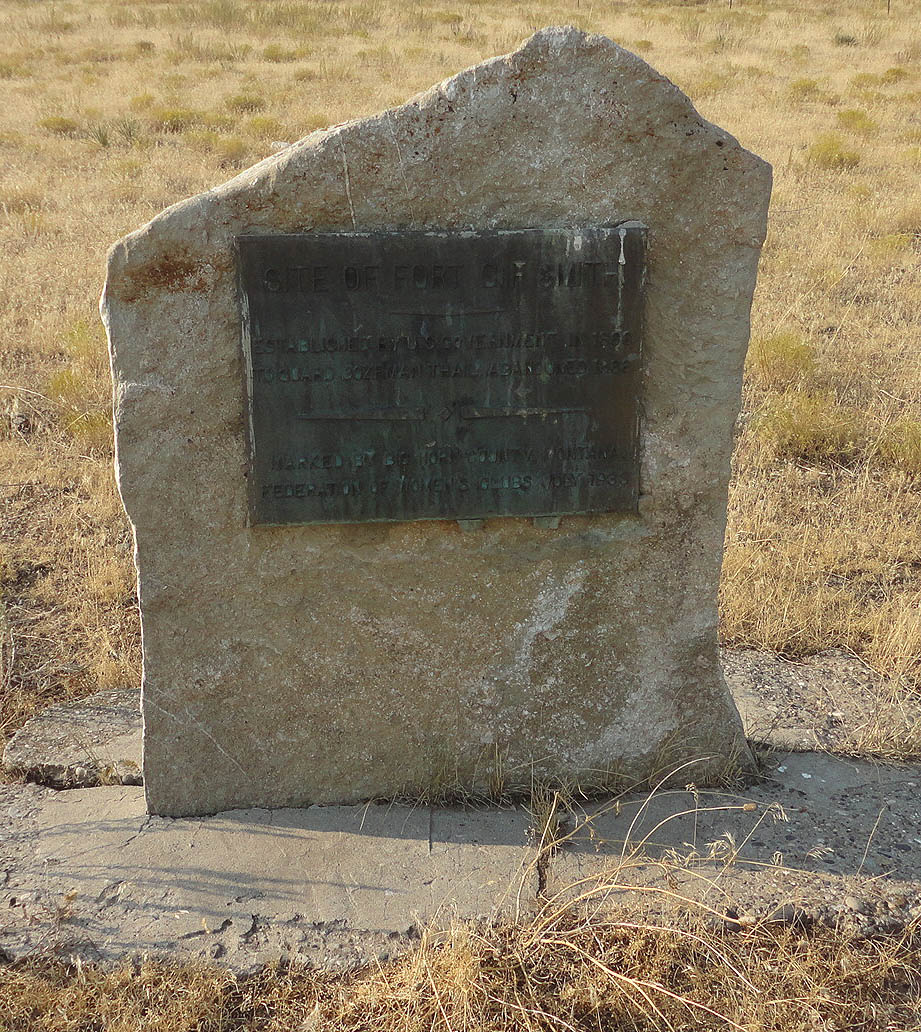
Fort C. F. Smith was a strategic bastioned fortress established by the United States Army in the southern part of the Montana Territory on August 12, 1866. It was constructed during the turbulent period of the 19th century amid Red Cloud's War, a conflict arising from tensions between the U.S. government and the Oglala Lakota (Sioux) over control of the Powder River country and the protection of the Bozeman Trail. The trail, a key route to the Montana gold fields, was viewed by the Sioux as a violation of the 1851 Treaty of Fort Laramie, which had guaranteed their territorial rights. Historical context and military purpose Fort C. F. Smith was one of five forts ordered by Colonel Henry B. Carrington to secure the Bozeman Trail against Native American attacks. The fort's establishment was a direct response to increasing hostilities and aimed to assert U.S. control over the contested region. Its location in the Powder River country was strategically chosen for defense and supply line protection. Architectural design and fortifications The fort exemplified typical bastioned fortress design principles of the 19th century, incorporating angled bastions projecting from the main walls to provide overlapping fields of fire and eliminate blind spots. This design enhanced defensive capabilities against potential sieges and raids. The fort's layout included earthworks and timber palisades, with bastions positioned at key corners. Inside, the fort housed barracks, officer quarters, storage facilities, and artillery placements to support its garrison. Construction materials and techniques Built primarily from locally sourced timber and earth, the fort's walls were reinforced with packed earthworks to absorb artillery fire. The bastions were constructed to allow defenders to cover all approaches with musketry and cannon fire. The use of earth and timber was typical of frontier military architecture, balancing defensive needs with the availability of materials. Operational history and abandonment Despite its robust design, Fort C. F. Smith was operational for only two years. The fort was a focal point during Red Cloud's War, witnessing frequent skirmishes and attacks. The conflict ended with the 1868 Treaty of Fort Laramie, which forced the U.S. Army to abandon the Bozeman Trail forts, including Fort C. F. Smith. Following the withdrawal, the fort was deliberately burned by the returning Sioux under the leadership of Red Cloud as a symbolic act of reclaiming their territory. Legacy and archaeological significance Today, Fort C. F. Smith remains an archaeological site of historical importance, offering insights into 19th-century frontier military architecture and the complex interactions between the U.S. government and Native American tribes. Excavations have revealed the fort's layout and construction methods, contributing to a better understanding of the military strategies employed during this period of American westward expansion. Preservation efforts Although no standing structures remain, preservation efforts focus on protecting the site from erosion and development. Interpretive signage and markers help visitors appreciate the fort's role in the broader context of the Indian Wars and U.S. territorial expansion. Visiting Fort C. F. Smith The site is accessible to the public, though it lacks extensive visitor facilities. Those interested in military history and Native American heritage find the location significant. Visitors are encouraged to respect the site's cultural importance and natural surroundings.

Modern (19th–20th c.)
Details
382.2 km

The Idaho Castle

Hope, United States of America

The Idaho Castle is a distinctive private residence located in the scenic town of Hope, Idaho, overlooking the expansive Lake Pend Oreille. This unique structure, often admired for its castle-like appearance, offers an impressive 6,300 square feet of living space with breathtaking views of both the lake and the surrounding mountains. Although it once served as a venue for vacation rentals and wedding receptions, the property has since transitioned to private ownership, and the owners' privacy is to be respected by visitors.Location and surroundingsThe Idaho Castle is perched above the lake, providing panoramic vistas of the water and the natural landscape. While the castle itself does not have direct access to the lake, nearby Trestle Creek Park offers public access including a small boat ramp, making it a favored spot for boating and lake activities. The castle's elevated position enhances its commanding views and adds to its allure as a striking landmark in the region.Architectural features and designThe Idaho Castle's design emulates the traditional castle aesthetic, featuring robust stone-like exterior walls and turreted elements that give it a fortress-like appearance. Its architecture, while not historic in the traditional medieval sense, captures the romantic spirit of castle construction with a modern twist. The spacious interior accommodates multiple rooms designed for comfort and entertainment, making it suitable for both private living and hosting events.Living spaces and amenitiesInside, the castle boasts expansive living areas that maximize the stunning views through large windows. The layout is designed to combine elegance with practicality, offering a unique blend of castle-inspired charm and contemporary residential comforts. The six thousand square feet include multiple bedrooms, reception halls, and recreational spaces, all arranged to take advantage of the scenic surroundings.Historical context and current statusUnlike traditional castles with centuries of history, the Idaho Castle is a modern construction inspired by castle architecture rather than a medieval fortress. Its creation reflects a trend among private homeowners to build residences that evoke historical grandeur while providing modern luxury. The castle's previous use as a rental and event venue contributed to its local fame, but it now functions solely as a private home. Visitors are advised not to trespass or attempt to visit the property to respect the owner's privacy.Access and visitor informationDue to its status as a private residence, the Idaho Castle is not open to the public. There is no public access to the grounds or interior, and the exact location details are withheld to protect privacy. Visitors interested in enjoying the natural beauty of the area can visit Trestle Creek Park below the castle, which provides lake access and amenities such as a boat ramp.The Idaho Castle remains a fascinating example of modern castle-inspired architecture set in the picturesque landscape of northern Idaho. Its combination of scenic location, unique design, and spacious living quarters make it a notable landmark in the region, embodying both the allure of historic castles and the comforts of contemporary living.

Details