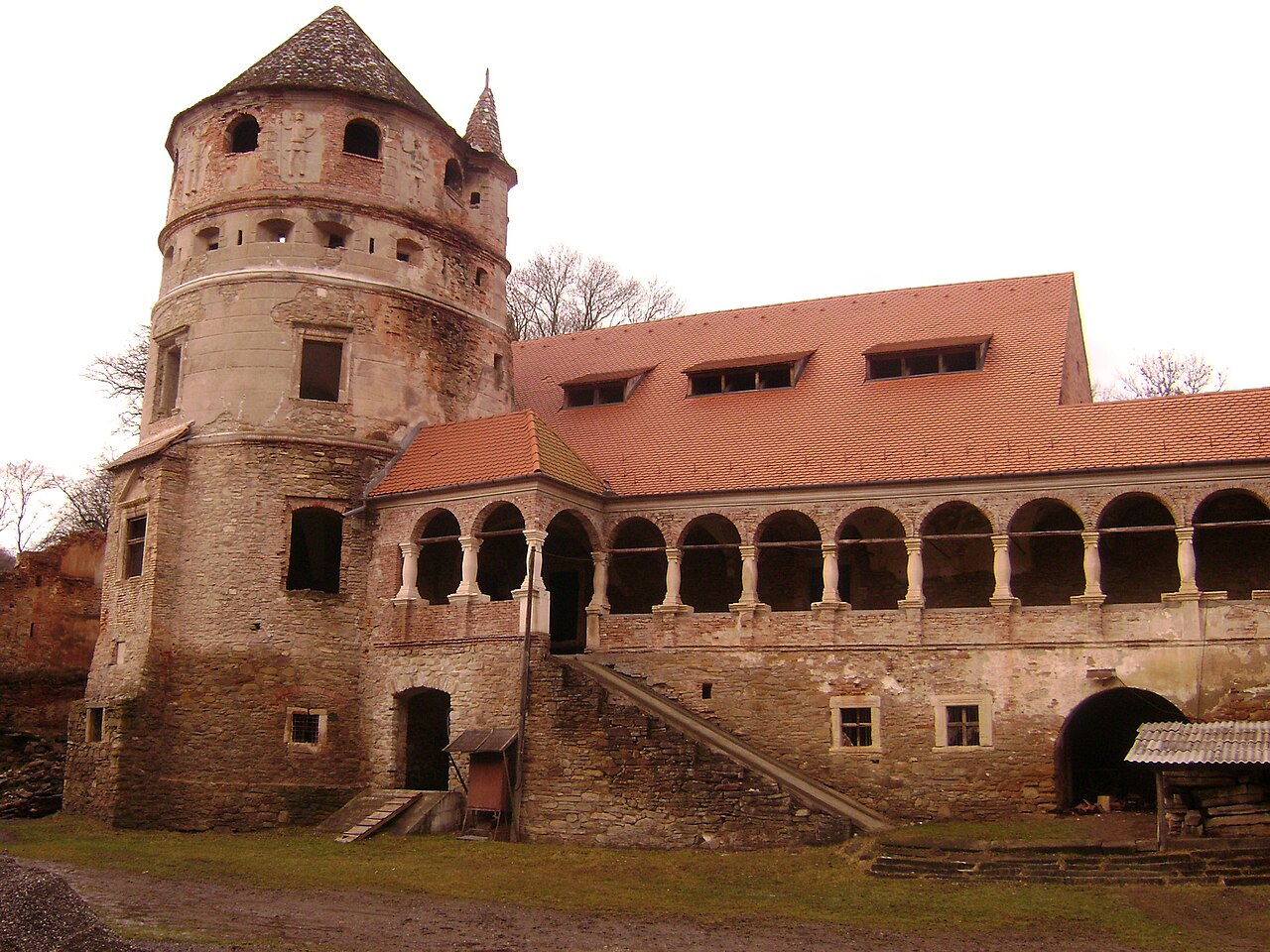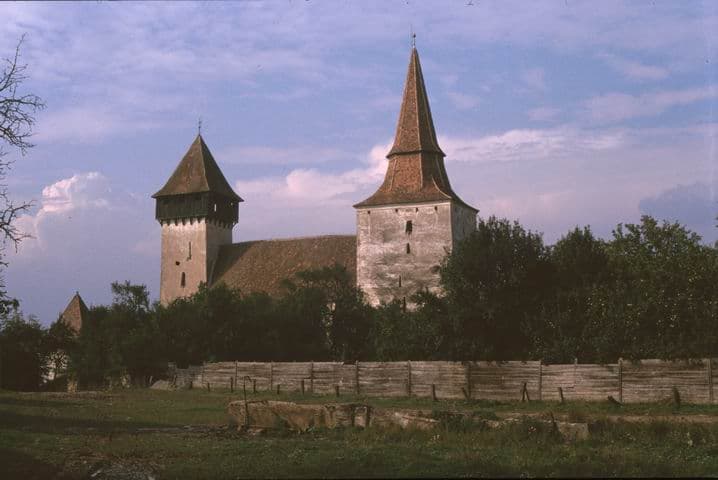
Lutheran church in Movile, Sibiu
Introduction to the Lutheran church in Movile, Sibiu
The Lutheran church in Movile, located in the region of Sibiu in Romania, is a notable example of a fortified church that served both religious and defensive purposes. This structure reflects the architectural and historical traditions of Transylvanian Saxons, who built fortified churches to protect their communities during times of conflict and unrest. The church's design incorporates bastioned fortress elements, making it a significant monument in the study of medieval defensive architecture in Romania.
Situated in a rural setting, the church combines spiritual functions with military architecture, illustrating the dual role such buildings played in the region's history. Its location in Movile, within the Sibiu area, places it among a network of fortified churches that characterize this part of Transylvania.
Historical context and significance
The Lutheran church in Movile was originally constructed during the Late Medieval period, a time when Transylvania was frequently threatened by invasions and local conflicts. The Transylvanian Saxons, who settled in this region from the 12th century onwards, developed a tradition of fortifying their churches to serve as refuges for villagers during attacks.
Although the exact construction date of the Movile church is not precisely documented, its architectural features suggest it was built or significantly modified between the 14th and 16th centuries. The church became a focal point for the community, not only for worship but also for defense, embodying the resilience of the local population.
Architectural features and fortifications
Bastioned fortress design
The church is classified as a bastioned fortress, a type of fortified structure characterized by projecting bastions that allowed defenders to cover adjacent walls with crossfire. These bastions improved the defensive capabilities of the church, enabling it to withstand sieges and attacks more effectively.
The bastions are integrated into the church's defensive walls, which encircle the sacred building and create a fortified enclosure. The walls are typically constructed from local stone, providing strength and durability. The church's defensive perimeter likely included battlements and narrow windows or arrow slits for archers.
Religious and communal spaces
Inside the fortified enclosure, the church building itself features Gothic architectural elements, common to many Transylvanian fortified churches. The nave and chancel are designed for Lutheran worship, reflecting the religious transition in the region following the Reformation.
The interior space was adapted over time to accommodate both liturgical functions and the needs of a community under threat. Storage rooms and refuge areas may have been incorporated within the walls or under the church floor to shelter villagers and their valuables during attacks.
Preservation and current condition
The Lutheran church in Movile remains a well-preserved example of a fortified church with bastioned defenses. It continues to be a point of interest for historians, architects, and visitors interested in medieval military architecture and religious heritage.
Efforts to maintain and restore the church have helped preserve its structural integrity and historical authenticity. The church is accessible to visitors, offering insight into the architectural ingenuity and cultural history of the Transylvanian Saxons.
Visiting the Lutheran church in Movile
Visitors to the church can explore the fortified walls and appreciate the blend of religious and defensive architecture. The site provides a unique glimpse into the medieval history of Transylvania and the ways communities adapted to turbulent times.
While specific visiting hours and ticket prices may vary, the church is generally open to the public, often managed by local heritage organizations or the Lutheran community. It is advisable to check with local tourism offices in Sibiu for the most current visitor information.
Frequently asked questions (FAQ)
- What is the historical significance of the Lutheran church in Movile?
- The church is a fortified structure built by Transylvanian Saxons during the Late Medieval period, serving both religious and defensive roles.
- When was the Lutheran church in Movile constructed?
- The church was built or significantly modified between the 14th and 16th centuries, reflecting Gothic architectural style.
- Can visitors explore the fortified walls of the church?
- Yes, visitors can explore the bastioned fortress walls that surround the church, offering insight into medieval defensive architecture.
- Is the Lutheran church in Movile open to the public?
- The church is generally open to visitors, but it is recommended to check with local tourism offices in Sibiu for current visiting hours.
- What architectural style characterizes the Lutheran church in Movile?
- The church features Gothic architectural elements typical of Transylvanian fortified churches from the Late Medieval period.
Photo gallery

Information
Loading map...
Visitor reviews
No reviews yet. Been here? Write the first review and help other travelers!
Write the first reviewVisited this castle? Share your experience
Your review helps other travelers and adds first-hand knowledge to our encyclopedia.