Lough Rynn Castle
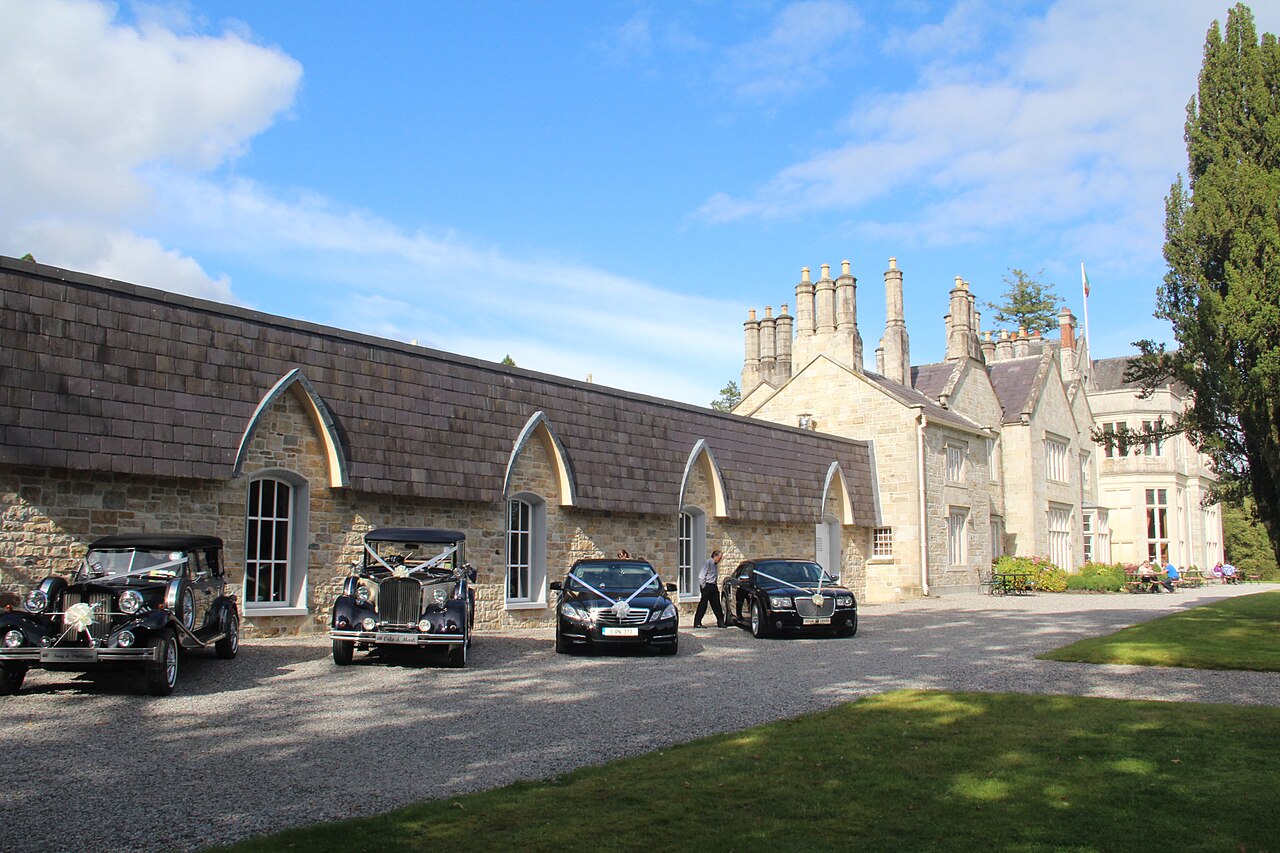
Lough Rynn Castle is a significant historic estate located near Mohill in County Leitrim, Ireland, renowned for its rich Gaelic heritage and architectural evolution spanning several centuries. The castle sits amidst picturesque landscapes, encompassing extensive grounds that feature both medieval ruins and a grand 19th-century mansion, now operating as a luxury hotel. This site offers a unique window into Ireland's turbulent history, from Gaelic clan rule through English conquest and plantation, to modern restoration and tourism.
The Gaelic origins and medieval stronghold
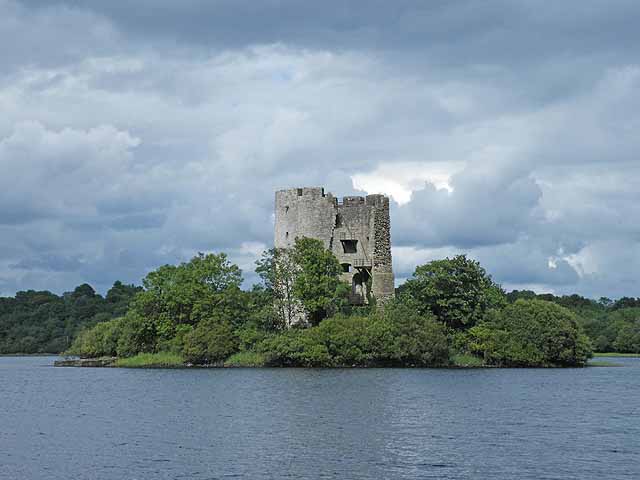
The lands of Lough Rynn Castle were historically controlled by the Gaelic Mac Raghnaill family, rulers of the territory known as Muintir Eolais in what is now County Leitrim. The earliest known fortification on the site was a crannóg, a type of ancient lake dwelling, at Claenloch (present-day Lough Rynn), documented in Irish annals as early as 1247 AD. This crannóg represents one of the oldest forms of habitation and defense in the region, reflecting the Gaelic clans' adaptation to the lake environment.
By the late 15th century, a stone castle belonging to the Mac Raghnaill family was established, referenced in records from 1474. This medieval stronghold was constructed on a square plan with rounded corners, an architectural design aimed at enhancing defense against artillery, which became increasingly important during the late medieval period. Notably, the castle featured a straight stairway carved into a hollow within the wall, a distinctive departure from the more typical spiral staircases of contemporary fortifications. This design choice may have been intended to facilitate rapid movement within the castle or to improve structural integrity.
During the Nine Years War (1594–1603), the Mac Raghnaill allied with the prominent Gaelic leader Aodh Mór Ó Néill in resistance against English attempts to assert control over Ireland. This conflict marked a pivotal moment in Irish history, culminating in the defeat of the Gaelic lords and the expansion of English authority.
English conquest and plantation era transformation
Following the war and subsequent English policies, the Mac Raghnaill lands were confiscated in 1621 under the plantation system and granted to the English Crofton family. This transfer of ownership initiated significant demographic and cultural changes, as the Croftons introduced Protestant settlers and displaced many native Irish inhabitants by the 1630s. The plantation era marked a profound shift in land ownership, social structure, and religious composition, deeply affecting the region's identity.
In 1750, the estate passed to the Clements family, descendants of a Cromwellian army officer. Robert Clements was elevated to the peerage as the first Earl of Leitrim in 1795, signifying the family's growing prominence. His descendant, Robert Bermingham Clements, Viscount Clements, commissioned the construction of a Tudor revival style house in 1833, laying the foundation for the present castle structure.
19th-century expansion and architectural features
When William Sydney Clements, 3rd Earl of Leitrim, inherited the estate in 1854, he managed an extensive property of approximately 90,000 acres. His tenure was marked by a strict landlord approach, including evictions and opposition to land reform, which contributed to widespread tenant unrest. His assassination in 1878 near Milford, County Donegal, underscored the intense social tensions of the era.
After his death, Colonel Henry Theophilus Clements, a cousin, inherited the estate and undertook major expansions and renovations in 1889. He added the Baronial Hall, a grand interior space featuring heavy plaster cornices, a large ornate Inglenook fireplace, and a fretted ceiling with English oak wainscoting. These architectural elements exemplify the Victorian-era fascination with medieval styles and craftsmanship, contributing to the castle's imposing character.
The castle's principal floor includes a chapel, reception room, living room, and dining room, while service areas such as pantries, kitchen, study, smokehouse, and store are arranged with a separate entrance for staff, reflecting the operational complexity of a large estate house. Upstairs, there are fourteen bedrooms and four bathrooms, accommodating a sizable household and guests. The basement contains storage rooms and a wine cellar, essential for estate management and hospitality.
Modern usage and estate features
Today, Lough Rynn Castle operates as a luxury hotel offering 42 bedrooms, the Baronial Hall, a library named after the Irish writer John McGahern, a drawing room, piano room, bar, and restaurant. This modern adaptation preserves the castle's historical ambiance while providing contemporary comforts for visitors.
The extensive estate grounds include notable natural and archaeological features such as a 400-year-old oak tree and a Bronze Age portal tomb known as Cloch an Draoi or "Druid's Altar," dating from between 1900 BC and 300 BC. Additional estate elements include sawmills, a farmyard, an arboretum, a greenhouse, French stable yards, nature trails, and terraced gardens, showcasing a blend of natural beauty and historical landscaping.
Two bridges, the Red Bridge and Blue Bridge, span the Rynn River, which connects Lough Erril and Lough Rynn. A principal walkway on the estate guides visitors past the crannóg in Lough Rynn and leads to the medieval Mac Raghnaill castle ruins, a rockery, a wishing chair, and a large three-tiered walled garden overlooking the lake. These gardens, originally constructed between 1855 and 1860, were restored and reopened in 2008, now recognized as the largest privately owned walled gardens in Ireland.
Plans for an 18-hole golf course designed by Nick Faldo began in 2004 but were never completed due to financial difficulties. The grounds intended for the course remain closed and overgrown, representing an unfinished chapter in the estate's recent history.
Architectural and historical significance
Lough Rynn Castle exemplifies the layered history of Irish castles, combining elements from medieval Gaelic fortifications to Victorian Tudor revival architecture. The preservation of the medieval ruins alongside the 19th-century mansion offers valuable insights into the evolution of defensive and residential architecture in Ireland. The castle's association with prominent families, historical conflicts, and social changes enriches its cultural significance. Its current role as a heritage hotel allows visitors to engage directly with this multifaceted history in a setting that balances authenticity and modern hospitality.
Frequently asked questions (FAQ)
- When was Lough Rynn Castle originally built?
- The earliest fortification at Lough Rynn was a crannóg dating back to at least 1247 AD. The stone castle was established by the Mac Raghnaill family by 1474, with the Tudor revival mansion constructed in 1833 and expanded in 1889.
- What architectural styles are represented at Lough Rynn Castle?
- Lough Rynn Castle features a mix of architectural styles including medieval defensive stonework and 19th-century Tudor revival elements, particularly evident in the Baronial Hall and mansion expansions.
- Can visitors explore the medieval ruins at Lough Rynn Castle?
- Yes, the medieval Mac Raghnaill castle ruins near the lake shore are accessible via estate walkways, offering a glimpse into the site's Gaelic past alongside the modern hotel facilities.
- What are some notable features of the castle grounds?
- The estate includes a 400-year-old oak tree, a Bronze Age portal tomb called Cloch an Draoi, terraced gardens, nature trails, and historic bridges over the Rynn River, enriching the visitor experience.
- Is Lough Rynn Castle open to the public?
- Lough Rynn Castle operates as a luxury hotel, welcoming guests for accommodation, dining, and events. Visitors can explore the grounds and gardens, though some areas like the unfinished golf course remain closed.
Information
Sources & official resources
Verify the information above using these authoritative references.
Loading map...
Visitor reviews
No reviews yet. Been here? Write the first review and help other travelers!
Write the first reviewVisited this castle? Share your experience
Your review helps other travelers and adds first-hand knowledge to our encyclopedia.