Los Adaes
Los Adaes served as the capital of Tejas (Texas) on the northeastern frontier of New Spain from 1721 to 1773. This historic site included both a Franciscan mission, San Miguel de Cuéllar de los Adaes, and a presidio, Nuestra Señora del Pilar de los Adaes (Our Lady of the Pillar of the Adaes). The name "Adaes" originates from the indigenous Adai people, members of the Caddoan confederacy, whom the missionaries sought to convert to Christianity. The establishment of Los Adaes was a strategic move by the Spanish colonial authorities to counter French influence in the nearby Louisiana territory and to protect New Spain's northeastern frontier from possible French invasion or encroachment.
Historical context and strategic importance
During the early 18th century, the rivalry between the Spanish and French colonial empires was intense, particularly in the region that is now the southern United States. The presidio and mission complex at Los Adaes was constructed to serve as a military and religious outpost that would secure Spain's claim to the territory and prevent French expansion westward from Louisiana. The presidio functioned as a fortified military garrison, while the mission aimed to convert and assimilate the indigenous Adai population.
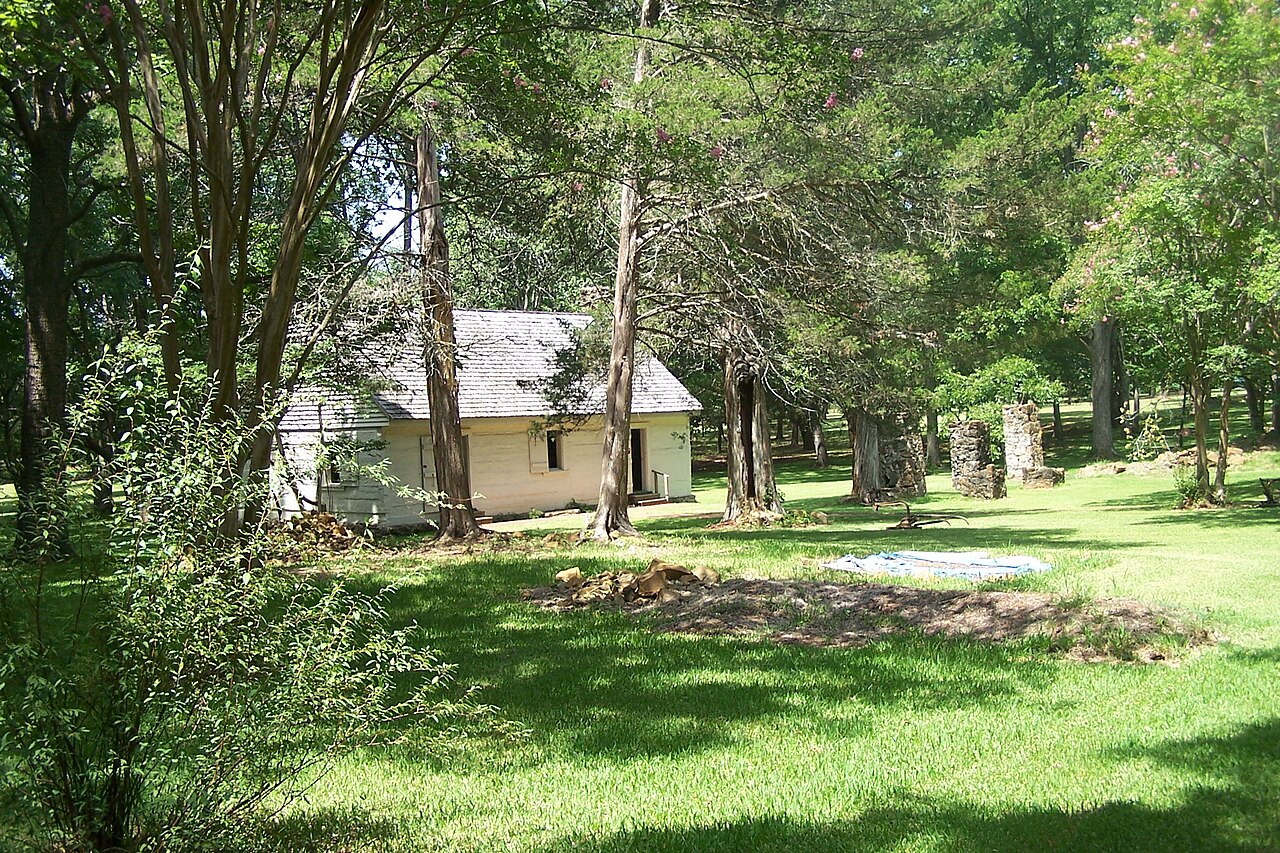
Los Adaes was located near the present-day border of Louisiana and Texas, in what is now Natchitoches Parish, Louisiana, close to the village of Robeline. Its position on a slight rise in the landscape gave it a modest defensive advantage, though it is not a traditional hill castle in the European sense. The complex included defensive walls, barracks, a chapel, and living quarters for soldiers, missionaries, and indigenous converts.
Architecture and layout of Los Adaes
The design of Los Adaes reflected typical 18th-century Spanish colonial frontier architecture. The presidio was constructed with adobe walls reinforced by wooden palisades and surrounded by a moat or defensive ditch in some areas. The layout was compact, with a central plaza around which key buildings were arranged. The mission church was a focal point, serving both religious and community functions.
Unlike European castles, Los Adaes did not feature large stone keeps or concentric fortifications. Instead, its defense relied on simple but effective fortifications suitable for the frontier environment and the resources available. The buildings were primarily single-story structures with thick walls to provide protection from attacks and the elements.
The decline and closure of Los Adaes
In 1763, following the Treaty of Paris that ended the Seven Years' War, the French territory of Louisiana was ceded to Spain. This geopolitical change eliminated the immediate threat of French encroachment on the northeastern frontier of New Spain. Consequently, the strategic importance of Los Adaes diminished significantly.
By 1773, Spanish authorities decided to close the mission and presidio at Los Adaes, relocating the population to San Antonio, Texas. The site was abandoned and fell into ruin over the following centuries, though its historical significance remained recognized.
Preservation and modern significance
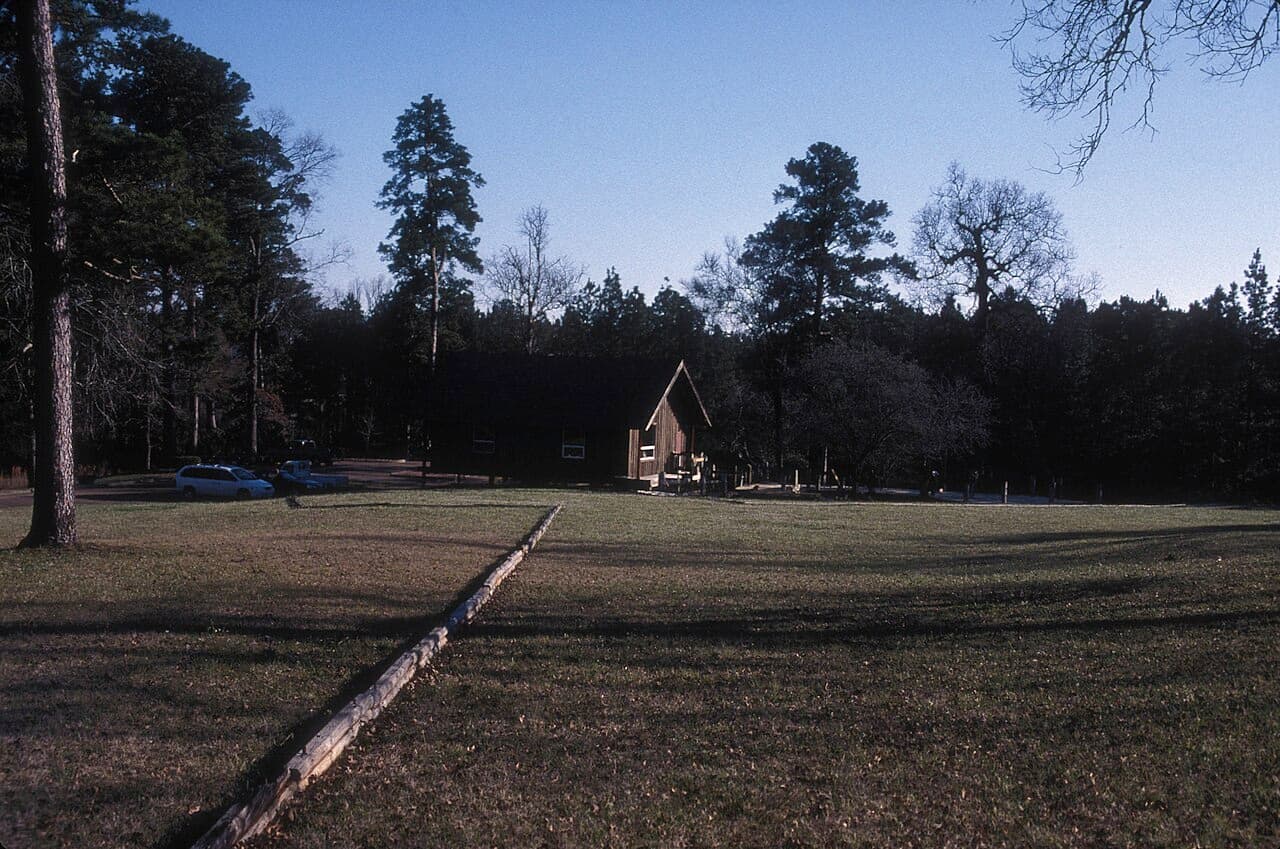
Today, the site of Los Adaes is preserved as the Los Adaes State Historic Site, managed by the state of Louisiana. It is located on Louisiana Highway 485 near Robeline and serves as a cultural and historical landmark that commemorates Spain's colonial presence in the region. The site was designated a National Historic Landmark in 1986, reflecting its importance in the colonial history of the United States.
Visitors to Los Adaes can explore the archaeological remains, reconstructed buildings, and interpretive exhibits that provide insight into the life and times of this frontier presidio and mission. The site offers a unique glimpse into the complex interactions between Spanish colonists, indigenous peoples, and French settlers during a formative period in North American history.
Legacy and cultural impact
Los Adaes represents a significant chapter in the history of Spanish colonial expansion and frontier defense. It illustrates the challenges of maintaining territorial claims in a contested region and the role of missions and presidios in colonial administration and cultural exchange. The site also highlights the interaction between European powers and Native American tribes, particularly the Adai people, whose culture and history are integral to the story of Los Adaes.
As a preserved historic site, Los Adaes continues to educate the public about the diverse heritage of the American Southwest and the complex dynamics of colonial North America.
Frequently asked questions (FAQ)
- What is Los Adaes and why is it historically significant?
- Los Adaes was the capital of Tejas on New Spain's northeastern frontier from 1721 to 1773, serving as a Spanish presidio and mission to counter French influence and protect the territory.
- When was Los Adaes built and by whom?
- Los Adaes was established in the early 18th century by Spanish colonial authorities to serve as a military and religious outpost on the frontier.
- Can I visit Los Adaes today?
- Yes, Los Adaes is preserved as a state historic site in Louisiana and is open to the public for tours and educational programs.
- What architectural features does Los Adaes have?
- Los Adaes features adobe walls, wooden palisades, a mission church, barracks, and a central plaza typical of Spanish colonial frontier presidios.
- Why was Los Adaes abandoned?
- After the 1763 Treaty of Paris, Louisiana was ceded to Spain, reducing the need for Los Adaes as a frontier defense, leading to its closure in 1773.
Photo gallery

Information
Address
Louisiana Highway 485, near Robeline, Natchitoches Parish, Louisiana, USA
Loading map...
Visitor reviews
No reviews yet. Been here? Write the first review and help other travelers!
Write the first reviewVisited this castle? Share your experience
Your review helps other travelers and adds first-hand knowledge to our encyclopedia.