Fort Jesup
Fort Jesup, located approximately 22 miles west of Natchitoches, Louisiana, is a significant example of a 19th-century bastioned fortress constructed by the United States military. Established in 1822, the fort was originally named Cantonment Jesup and served a crucial role in securing the border between the United States and New Spain, which later became part of Mexico. Its strategic purpose was to enforce order within the Neutral Strip, a disputed area that had been a lawless zone due to unclear territorial claims.
Historical context and strategic importance
The early 19th century was a period of territorial tension in the southern United States, particularly along the western border of Louisiana. The Neutral Strip was an area of disputed sovereignty between the US and Spain following the Louisiana Purchase. This zone attracted outlaws and settlers who operated beyond the reach of law enforcement. The establishment of Fort Jesup was a direct response to these challenges, aiming to assert American authority and prevent incursions or conflicts.
The fort was named after Thomas Jesup, a prominent US Army officer known for his service during the Seminole Wars. Fort Jesup became a key military post during its operational years from 1822 until 1846, overseeing the enforcement of peace and the protection of the US border during a period of significant geopolitical change, including the transition of Spanish territories to Mexican control and eventually to the United States after the Mexican-American War.
Architectural features and fortifications
Fort Jesup was designed as a bastioned fortress, a style characterized by angular bastions projecting from the main walls, allowing defenders to cover adjacent walls with overlapping fields of fire. This design was typical of military architecture in the early 19th century, reflecting advances in artillery and siege warfare. The fort featured earthen ramparts reinforced with timber and palisades, providing both defensive strength and resilience against artillery bombardment.
The layout included barracks, officers' quarters, storage facilities, and parade grounds within the enclosed walls. Defensive structures such as bastions and ramparts were arranged to maximize visibility and control over the surrounding landscape, particularly the approaches through the Neutral Strip. The fort's positioning on relatively flat terrain allowed for clear lines of sight, essential for early warning and defense.
Operational history and military significance
During its active years, Fort Jesup played a vital role in maintaining order in a volatile border region. It served as a base for troops tasked with policing the Neutral Strip and deterring illegal activities such as smuggling and banditry. The fort's garrison also supported broader US military operations in the region, including involvement in conflicts related to the expansion of American territory.
The fort was eventually abandoned in 1846 following the resolution of border disputes and changes in military strategy after the Mexican-American War. Its abandonment reflected the shifting geopolitical landscape and the reduced need for a military presence in that specific location.
Post-military history and preservation
After the US Army vacated Fort Jesup, the federal government retained ownership of the site until 1869, when it was privatized. Over time, the fort's structures deteriorated, but the site has been recognized for its historical importance. It is now preserved as the Fort Jesup State Historic Site, offering visitors insight into early 19th-century military architecture and frontier history.
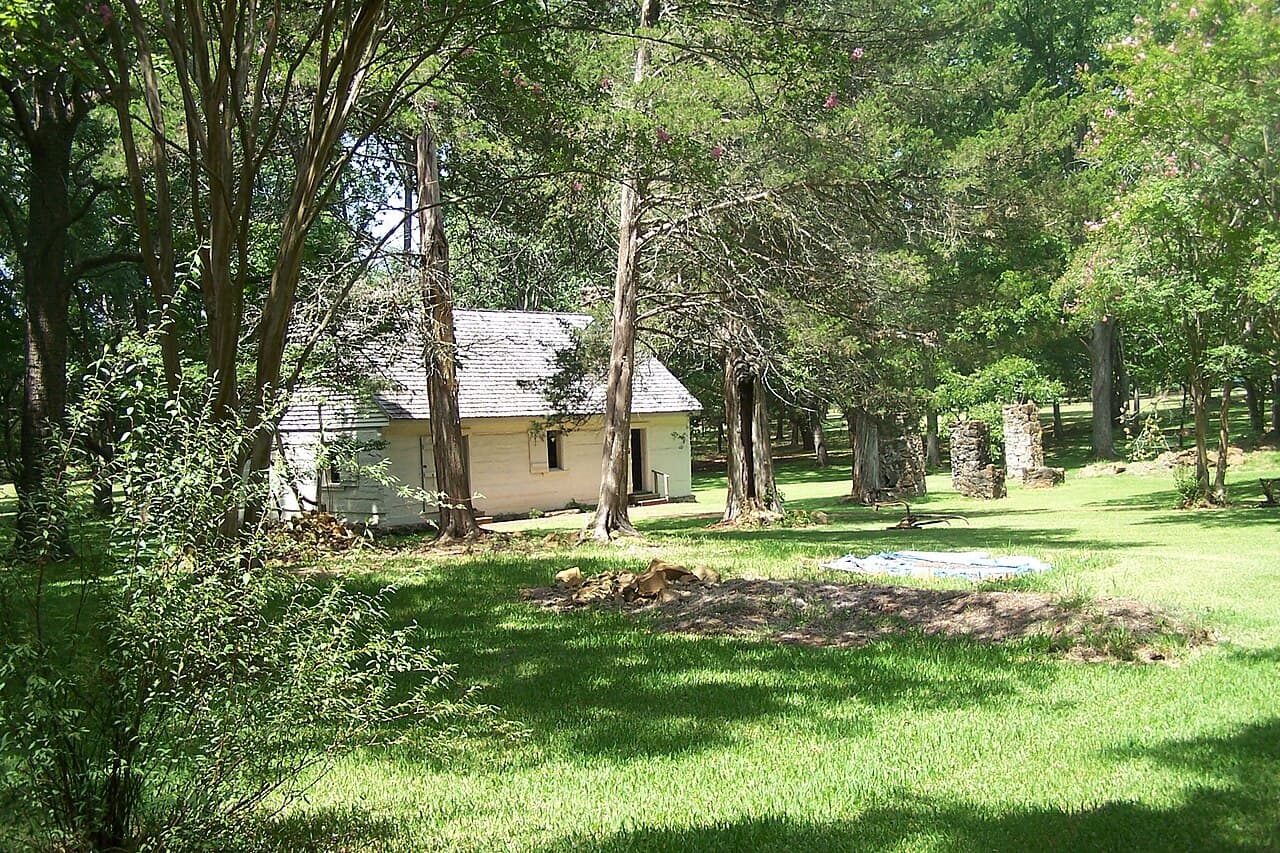
The site includes remnants of the original fortifications and interpretive displays that explain the fort's role in the broader context of American expansion and border security. It serves as an educational resource and a reminder of the complex history of territorial disputes and military strategy in the southern United States.
Visiting Fort Jesup today
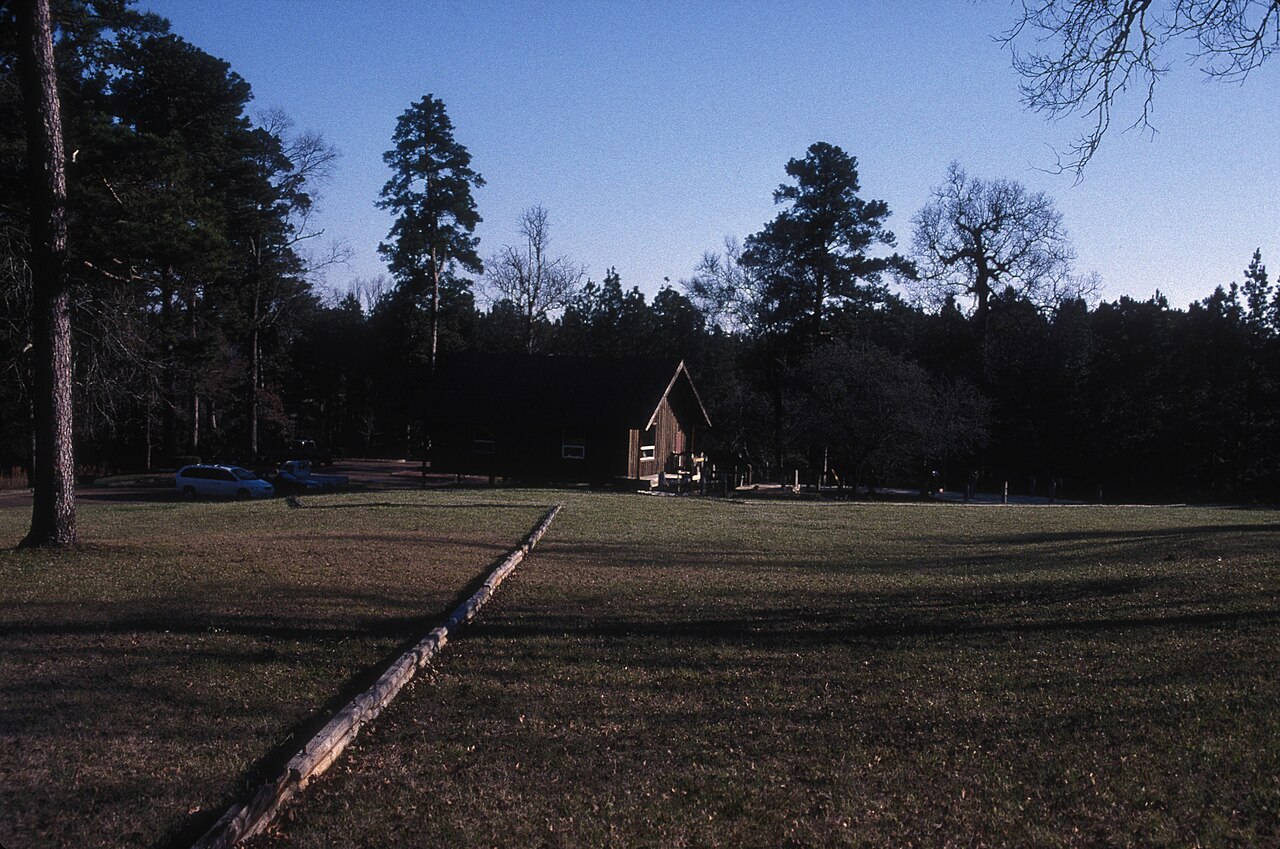
Visitors to Fort Jesup can explore the preserved earthworks and learn about the fort's history through onsite exhibits. The site provides a tangible connection to the early 19th century and the challenges faced by the United States in securing its borders. The surrounding landscape, largely unchanged since the fort's operational period, enhances the historical experience.
Fort Jesup's preservation as a state historic site ensures that this important piece of military and regional history remains accessible to the public, contributing to a deeper understanding of the United States' early expansion efforts and military engineering practices.
Frequently asked questions (FAQ)
- When was Fort Jesup built and for what purpose?
- Fort Jesup was built in 1822 to secure the United States border with New Spain and restore order to the Neutral Strip, a disputed and lawless area.
- What architectural style characterizes Fort Jesup?
- Fort Jesup is designed as a bastioned fortress, featuring angular bastions and earthen ramparts typical of early 19th-century military architecture.
- Is Fort Jesup open to visitors today?
- Yes, Fort Jesup is preserved as a state historic site with remnants of the original fortifications and educational exhibits open to the public.
- Why was Fort Jesup abandoned?
- The fort was abandoned in 1846 after border disputes were resolved and military needs in the region changed following the Mexican-American War.
- Where is Fort Jesup located?
- Fort Jesup is located 22 miles west of Natchitoches, Louisiana, in the United States.
Photo gallery

Information
Current owner
State museum
Loading map...
Visitor reviews
No reviews yet. Been here? Write the first review and help other travelers!
Write the first reviewVisited this castle? Share your experience
Your review helps other travelers and adds first-hand knowledge to our encyclopedia.