Landshut Castle Ruins
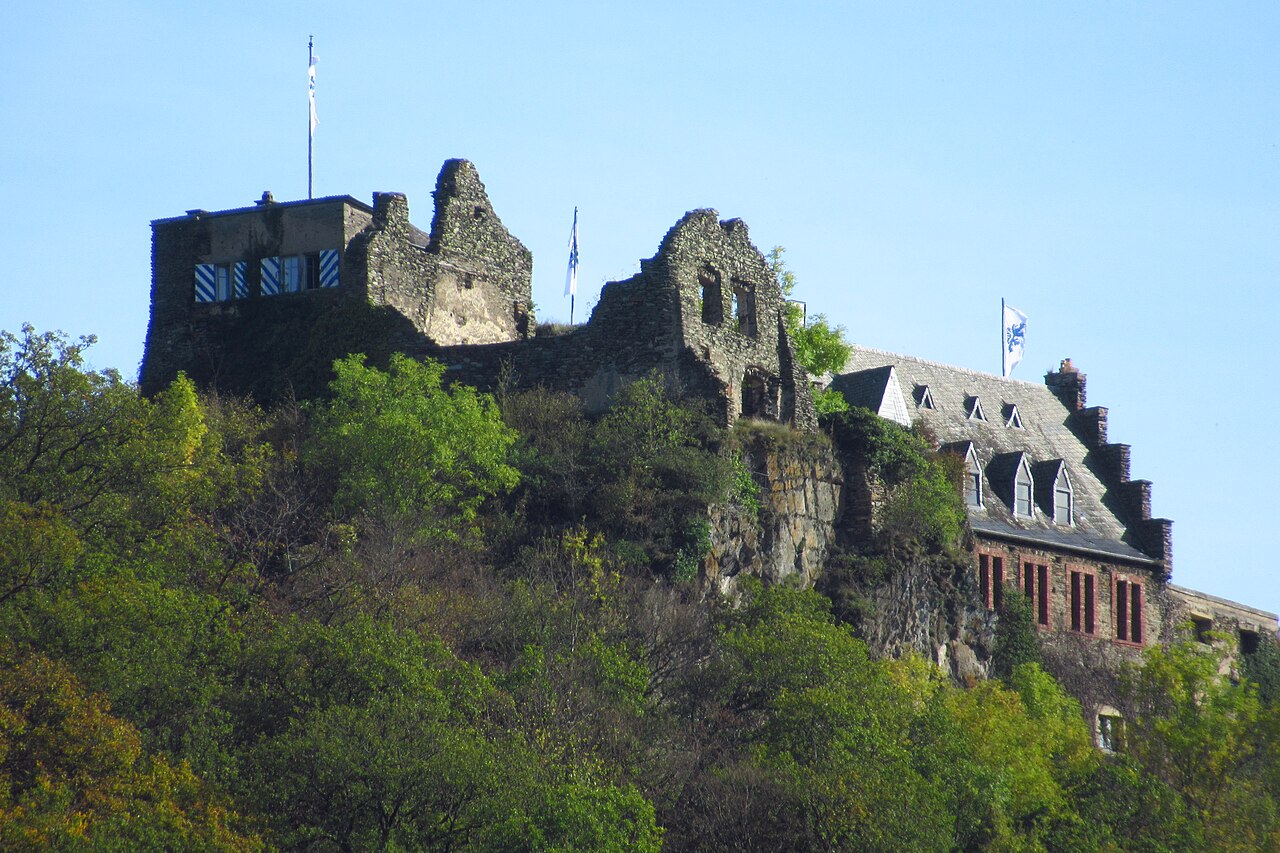
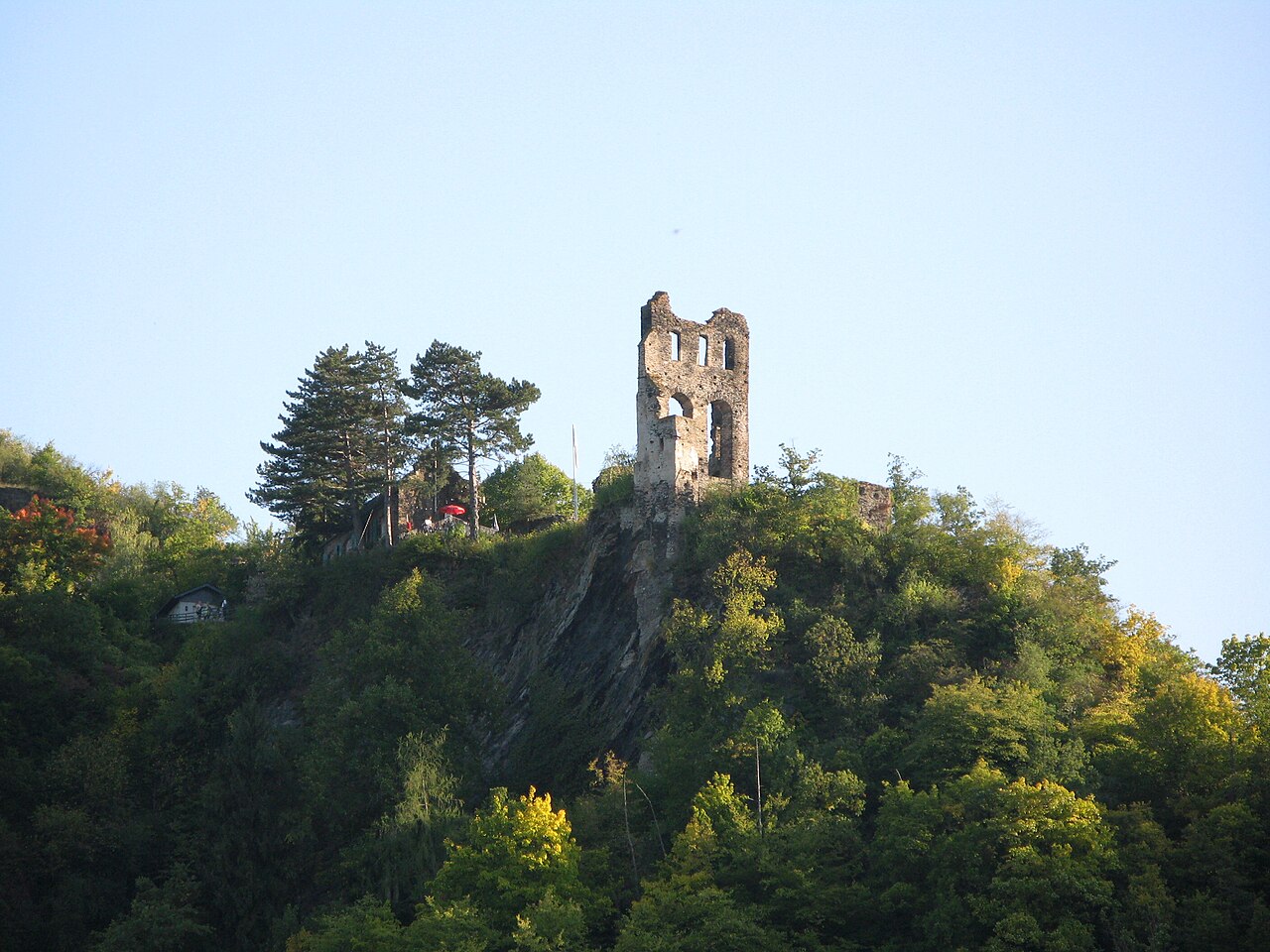
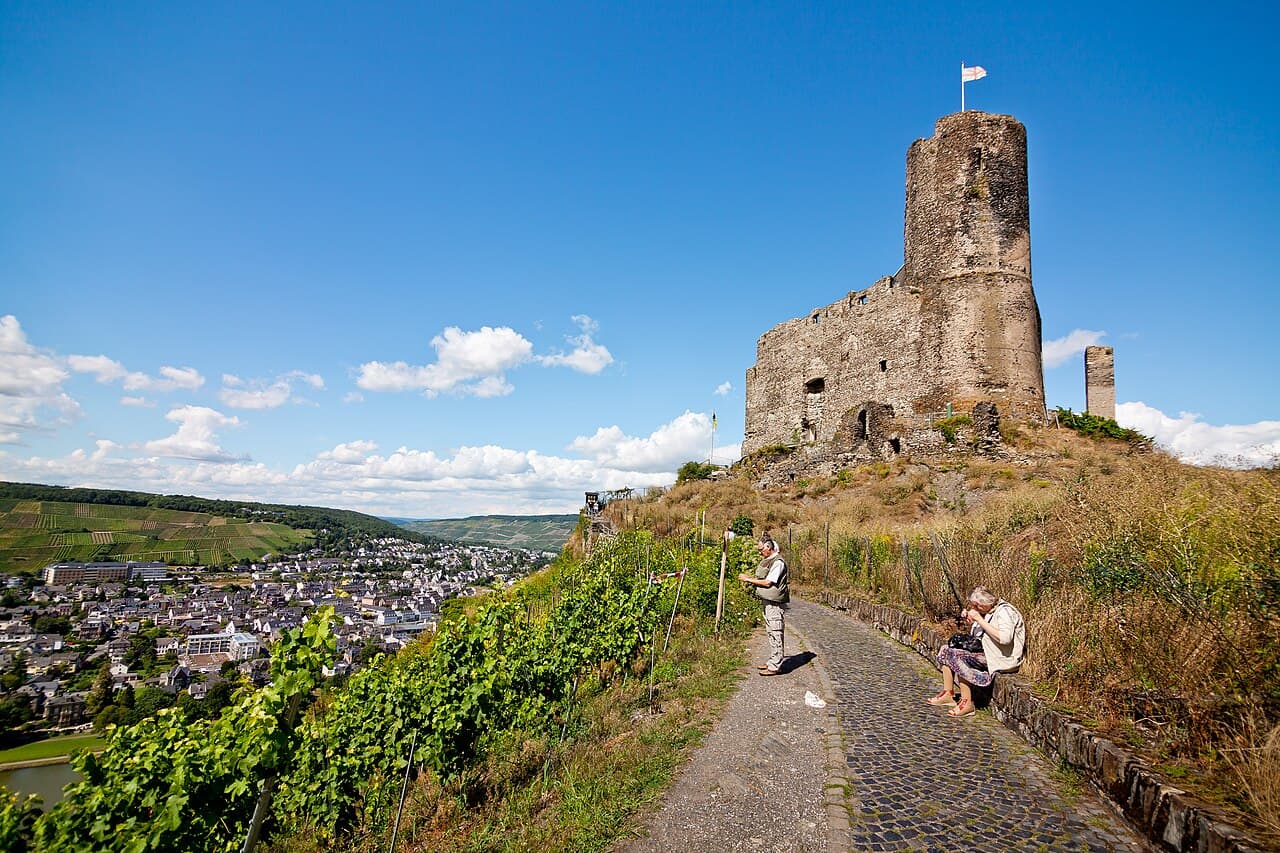
Landshut Castle ruins stand prominently on the Burgberg hill overlooking the picturesque town of Bernkastel-Kues and the winding Moselle River in Germany. This historic site is a compelling testament to centuries of military architecture and regional power, with origins tracing back to the late Roman Empire. The castle’s layered history reveals a fascinating evolution from a Roman fortification to a medieval stronghold, reflecting the strategic importance of this location through the High Medieval period and beyond.
The earliest known fortification at the site was established in the 4th century during the Roman era, serving as a key military outpost guarding a vital supply route toward the Rhine frontier. This Roman fort was rectangular, approximately 60 by 30 meters, and featured thick quartzite walls reinforced by six or seven square towers. Following the fall of Roman authority in the 5th century, the fort was abandoned and left in ruins for several centuries, marking the end of its initial defensive role.
Medieval revival and construction
By around the year 1000, a medieval castle known as Bernkastel had developed near or on the site of the Roman fort. This early castle was owned by the counts of Blieskastel, who constructed a new castle in the 12th century. However, this structure was destroyed in regional conflicts involving the Archbishop of Trier, illustrating the turbulent political dynamics of the Moselle valley during the Middle Ages.
After the extinction of the Blieskastel line in 1280, their heirs, the counts of Salm, sold the damaged castle and surrounding lands to the Electorate of Trier. Toward the end of the 13th century, Archbishop Heinrich II von Finstingen initiated construction of a new stone fortress on the ancient Roman foundations. This new castle was named Landshut, a name first recorded in 1505, and served as a residence for the bailiff representing the Archbishop of Trier, overseeing the adjacent lands.
Architectural features and layout
The surviving ruins of Landshut Castle reveal a complex architectural history. The castle’s footprint retains the rectangular layout of the original Roman fort, with walls constructed from locally quarried quartzite stone, approximately 1.8 meters thick, designed to withstand sieges and attacks. The castle was fortified by multiple square towers, each roughly 6 by 6 meters, which provided vantage points for defense and surveillance.
A prominent feature of the castle is its bergfried, a tall defensive tower characteristic of German medieval castles. This tower has been adapted as a viewing platform, offering visitors panoramic views across the Moselle River valley and the surrounding landscape. The castle’s elevated position at about 235 meters above sea level gave it a commanding view over the river, which lies roughly 107 meters below, enhancing its military significance.
Courtyard and visitor amenities
Within the inner courtyard of the ruins, visitors can find a restaurant and café, making the site not only a place of historical interest but also a welcoming destination for leisure and tourism. The castle grounds are surrounded by a network of hiking trails, allowing exploration of the scenic Hunsrück mountain range, known for its deep forests and dramatic gorges.
Historical significance and decline
Landshut Castle played an important administrative role as the residence of the bailiff of the Archbishop of Trier, managing the surrounding territory for several centuries. However, its fortunes declined dramatically after a devastating fire on January 8, 1692, which destroyed much of the castle and its treasures. Following the fire, the castle was abandoned and left unrestored, gradually falling into ruin.
In the 20th century, the local community assumed ownership of the ruins, beginning preservation efforts in 1920. Archaeological investigations in 2012 uncovered remains possibly dating to the 5th or 6th century, underscoring the site’s long-standing role as one of the earliest fortified locations in the Moselle valley region.
Exploring the ruins today
Today, the ruins of Landshut Castle offer visitors a unique glimpse into the region’s layered history, from Roman military engineering to medieval fortification techniques. The site’s preserved walls, towers, and foundations invite exploration, while the adapted bergfried viewing tower provides breathtaking views that highlight the castle’s strategic location.
The surrounding landscape, including the nearby sharp bend of the Moselle River and the Olymp mountain, enhances the castle’s dramatic setting. The hiking trails around the ruins connect visitors with the natural beauty of the Hunsrück mountains and the cultural heritage of the Moselle valley, making Landshut Castle a compelling destination for history enthusiasts and nature lovers alike.
Cultural and heritage importance
As a site that encapsulates centuries of military, political, and architectural history, Landshut Castle ruins are an important cultural landmark in the Rhineland-Palatinate region. The castle’s Roman origins and medieval transformations reflect the broader historical narratives of the Moselle valley, including the shifting power of local nobility, the influence of the Archbishopric of Trier, and the strategic significance of river routes in European history.
Preservation efforts and archaeological research continue to enhance understanding of the site, ensuring that Landshut Castle remains a vital link to the past and a treasured heritage site for future generations.
Frequently asked questions (FAQ)
- What is the historical significance of Landshut Castle Ruins?
- Landshut Castle Ruins, dating back to the 13th century, played a crucial role in the region's defense during the Middle Ages. It served as a royal residence and a strategic military stronghold, reflecting the architectural styles and fortifications of its time.
- When was Landshut Castle constructed?
- Landshut Castle was originally constructed in the early 1200s and underwent various modifications over the centuries. The ruins you see today are remnants of its medieval grandeur, showcasing the evolution of military architecture in Germany.
- Can I visit Landshut Castle Ruins?
- Yes, visitors are welcome to explore the Landshut Castle Ruins. The site offers stunning views of the Moselle Valley and the surrounding area, making it a popular destination for tourists and history enthusiasts.
- What are the opening hours for Landshut Castle Ruins?
- Landshut Castle Ruins are generally open to the public year-round, but visiting hours may vary by season. It is recommended to check local resources for the most current opening times before your visit.
- Is there an entrance fee to visit Landshut Castle Ruins?
- Accessing Landshut Castle Ruins is free of charge. However, there may be fees for guided tours or special events, so it's advisable to confirm any costs upon arrival.
- What is the best time to visit Landshut Castle Ruins?
- The best time to visit Landshut Castle Ruins is during the spring and fall when the weather is mild and the surrounding landscape is particularly beautiful. Summer also offers vibrant greenery, while winter presents a unique, serene atmosphere.
- How do I get to Landshut Castle Ruins?
- Landshut Castle Ruins are located near Bernkastel-Kues, Germany, and are accessible by car or public transportation. There is also a walking trail that leads up to the castle, providing a scenic hike for those who enjoy nature.
- Are there any nearby attractions to visit?
- Yes, the area around Landshut Castle Ruins is rich in attractions, including the charming town of Bernkastel-Kues, famous for its wine culture and picturesque streets. Other nearby sites include the Moselle River and various vineyards that offer tours and tastings.
- Is the castle accessible for visitors with mobility issues?
- The terrain around Landshut Castle can be steep and uneven, which may pose challenges for visitors with mobility issues. It's advisable to check accessibility options in advance and consider if assistance may be needed during your visit.
Photo gallery

Information
Website
Visit websiteSources & official resources
Verify the information above using these authoritative references.
Loading map...
Visitor reviews
No reviews yet. Been here? Write the first review and help other travelers!
Write the first reviewVisited this castle? Share your experience
Your review helps other travelers and adds first-hand knowledge to our encyclopedia.