Kızkalesi — Turkey castle

Kızkalesi

Kızkalesi castle in Mersin, Turkey
Kızkalesi, Turkey
High Medieval (11th–13th c.)
Partially Preserved

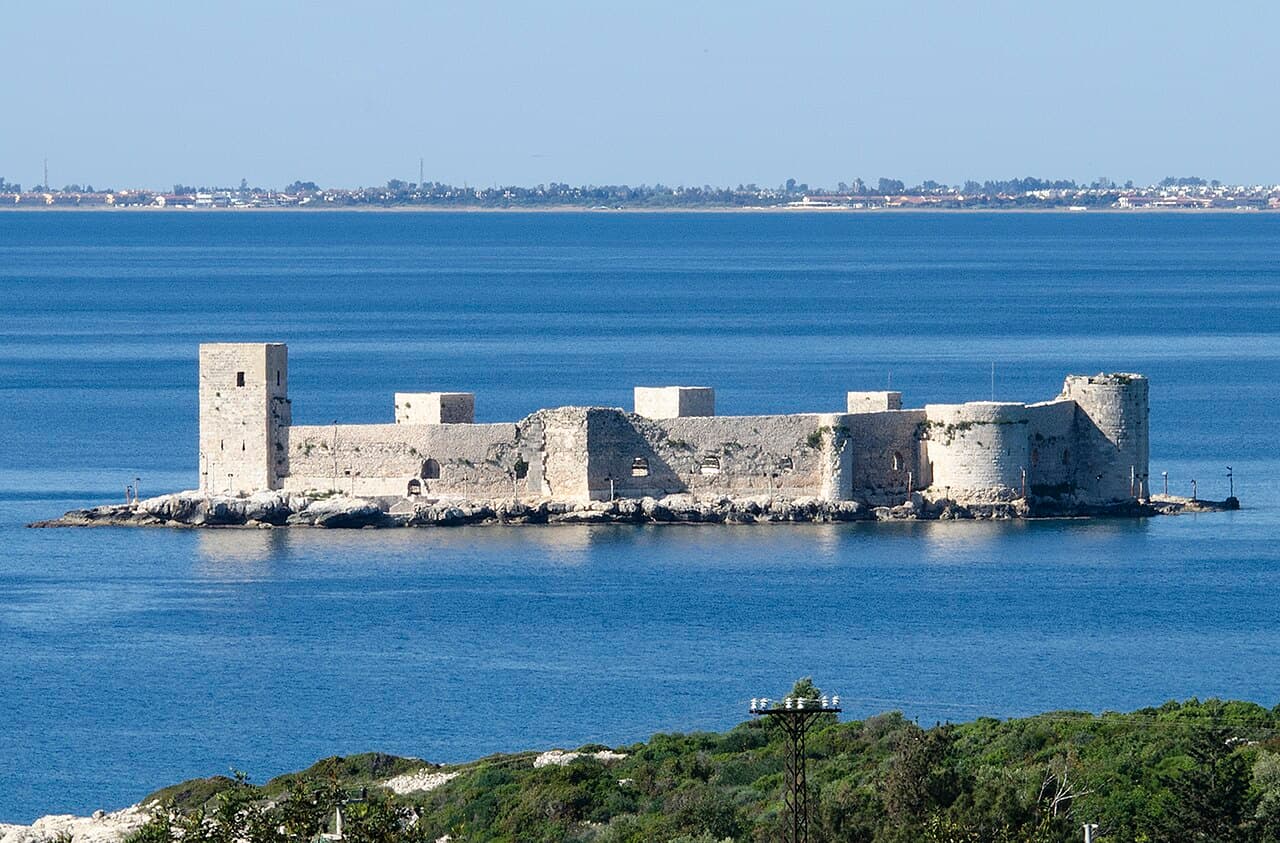
Kızkalesi, also known as Maiden's Castle or Deniz Kalesi (meaning "Sea Castle"), is a remarkable 12th-century island fortress situated on a small island just off the coast of the town of Kızkalesi in Mersin Province, Turkey. This hill castle is uniquely positioned on an island, making it a distinctive example of medieval maritime fortifications in the Mediterranean region.

Historical background and significance

The origins of Kızkalesi castle trace back to the Byzantine period, with the current structure primarily dating from the 12th century. It was built to protect the coastal region against naval threats and pirate attacks during the turbulent High Medieval era. The castle's strategic location on a small rocky island allowed it to serve as a defensive outpost controlling maritime routes along the southern coast of Anatolia.

Throughout its history, the castle changed hands multiple times, reflecting the shifting political and military landscape of the region. It was controlled by the Byzantine Empire, the Armenian Kingdom of Cilicia, and later by the Mamluks and the Ottoman Empire. Each ruling power contributed to the castle's fortifications and adaptations, enhancing its defensive capabilities.

Architectural features and layout

Kızkalesi castle is characterized by its compact and robust design, adapted to the small island's terrain. The castle features thick stone walls built from local limestone, which provide formidable protection against attacks. The walls are punctuated by towers at regular intervals, offering vantage points for surveillance and defense.

The entrance to the castle is fortified with a gatehouse that once included a drawbridge or chain mechanism to control access from the sea. Inside, the castle contains remnants of residential quarters, storage rooms, and a cistern for collecting and storing fresh water, essential for sustaining occupants during sieges.

The castle's battlements and walkways along the walls allowed defenders to patrol and repel invaders effectively. Its isolated position on the island added a natural layer of defense, making any assault challenging for enemies arriving by sea.

Role in regional defense and maritime control

During the High Medieval period, Kızkalesi played a crucial role in controlling the maritime routes along the Mediterranean coast of Anatolia. Its presence helped secure trade routes and deter pirate incursions, which were common threats to coastal settlements.

The castle also functioned as a lookout point, signaling to mainland fortifications about approaching ships or potential invasions. Its maritime position enabled coordination with other coastal defenses, forming a network of fortresses that protected the region's economic and strategic interests.

Current condition and visitor experience

Today, Kızkalesi castle stands as a partially preserved medieval fortress. Visitors can explore the ruins, including the surviving walls, towers, and internal structures. The castle is accessible by boat from the nearby town of Kızkalesi, offering a scenic journey across the Mediterranean waters.

The site is a popular tourist attraction, appreciated for its historical significance and picturesque location. Efforts have been made to maintain the ruins and provide informative displays about the castle's history and architecture, enhancing the visitor experience.

Nearby attractions and cultural context

The town of Kızkalesi itself is a coastal destination with beaches and historical sites, complementing a visit to the castle. The region's rich history includes other ancient ruins and fortresses, reflecting the diverse civilizations that have influenced Anatolia over centuries.

Exploring Kızkalesi castle offers insights into medieval military architecture, Byzantine and Armenian heritage, and the strategic importance of maritime fortifications in the Mediterranean.

Frequently asked questions (FAQ)

How do I get to Kızkalesi Castle?
Kızkalesi Castle is located on a small island off the coast of Kızkalesi, Turkey. You can reach it by taking a short boat ride from the mainland, which offers a scenic view of the castle and surrounding waters.
What is the historical significance of Kızkalesi Castle?
Kızkalesi Castle, also known as the Maiden's Castle, dates back to the 12th century and is a significant landmark in the region. It has served various purposes throughout history, including defense against pirates and invaders.
When was Kızkalesi Castle built?
The construction of Kızkalesi Castle began in the 12th century during the Byzantine period. It was later expanded by the Cilician Armenians and reflects a blend of architectural styles from different eras.
Can I visit Kızkalesi Castle year-round?
Yes, Kızkalesi Castle is open to visitors throughout the year. However, the best time to visit is during the spring and fall months when the weather is milder and more pleasant for exploration.
Why is Kızkalesi Castle popular among tourists?
Kızkalesi Castle is popular due to its stunning seaside location, rich history, and unique architecture. The picturesque views from the castle and its intriguing legends, such as the tale of the maiden, attract many visitors.
Is it possible to enter Kızkalesi Castle?
Yes, visitors can enter Kızkalesi Castle and explore its towers and walls. Inside, you can enjoy panoramic views of the Mediterranean Sea and learn more about the castle's history through informative displays.
What are the opening hours for Kızkalesi Castle?
Kızkalesi Castle is typically open daily from 9 AM to 7 PM during the tourist season. It’s advisable to check local sources for any changes in opening hours, especially during the off-peak season.
Are there any ticket prices for visiting Kızkalesi Castle?
Yes, there is a modest entry fee to access Kızkalesi Castle. The ticket prices are generally affordable, allowing visitors of all ages to enjoy this historical site without breaking the bank.
What nearby attractions can I visit while in Kızkalesi?
While in Kızkalesi, you can also explore the ancient city of Korykos and the beautiful beaches along the coast. Additionally, the nearby town of Silifke offers other historical sites and natural attractions worth visiting.

Photo gallery

Kızkalesi
Click to view

Photo by Zeynel Cebeci•CC BY-SA 4.0

1 photo • Click any image to view in full screen

Information

Hill Castle

Loading map...

Visitor reviews

No reviews yet. Been here? Write the first review and help other travelers!

Write the first review

Visited this castle? Share your experience

Your review helps other travelers and adds first-hand knowledge to our encyclopedia.

Write a review

(5/5)

0/2000 characters

Your review will be visible after admin approval

Nearby castles

0.8 km

Korykos Castle

Near D400, Turkey

Korykos Castle, locally called Korykos Kalesi, stands prominently on the rocky shoreline near the town of Kizkalesi in the Mersin province of Turkey. This coastal fortress, dating from the 12th century, played a vital role in the defense and control of the ancient harbor city of Korykos (also known as Corycus) and the strategic maritime routes along the Mediterranean coast of Cilicia. Its history is deeply intertwined with that of the nearby Kizkalesi Castle, a supplementary fortification on a small island just offshore, together forming a formidable defensive system protecting the port and the coastal road between Silifke and Tarsus. The site of Korykos was of great strategic importance since antiquity, serving as a harbor city with fortifications that may have existed before the Arab invasions, although no definitive archaeological evidence confirms pre-Byzantine fortifications. The current castle structures are primarily attributed to the Byzantine Empire under the reign of Emperor Alexios I Komnenos in the early 12th century. The Byzantine historian and princess Anna Komnene, in her work Alexiad, recounts that the royal eunuch Eustathius was dispatched as admiral to fortify Korykos and Silifke to defend against the ambitions of the Crusader leader Bohemund I de Guiscard. A significant garrison was stationed here under the command of Strategus Strabo, highlighting the military importance of the fortress during this period. Historical significance and ownership through the medieval period Following Byzantine control, the castle passed into the hands of the Armenian Kingdom of Cilicia in the late 12th century. By 1198/99, Leo I, King of Armenian Cilicia, had asserted authority over the site, with Simon, the Baron of Korykos, attending his coronation. The castle remained a key stronghold for the Armenians, with notable figures such as Vahram and the Hethumid barons Oshin holding lordship over the castle during the 13th century. The Armenian historian Hethum served as master of the port before dying in battle against the Mamluks. His son, also named Oshin, notably led a garrison force in 1318 to repel Turkish incursions, demonstrating the castle's ongoing military role in the region. In the mid-14th century, control of Korykos shifted to the Kingdom of Cyprus under Peter I, as the Mamluks advanced into Cilicia. The Cypriots, led by Robert of Lusignan, administered the port and successfully defended it against the Karamanid Turks in 1367. Korykos functioned as a prosperous toll station until its eventual capture by the Karamanids in 1448, marking the end of its medieval military significance. Architectural features and fortification design Korykos Castle is distinguished by its bastioned fortress design, built on relatively flat rocky ground adjacent to the sea. The fortress has an almost square layout characterized by a tight double circuit of walls with square towers at intervals, forming the only fully concentric castle plan known in Cilicia. This design allowed for layered defense, with defenders able to fall back to inner walls if outer defenses were breached. The southern corner of the castle features a sea gate, providing access to the harbor and facilitating supply and communication by water. The northeast side is protected by a deep ditch cut from the rock, enhancing the castle's defensibility against land-based attacks. The walls and towers, primarily dating from the early 12th century Byzantine construction, were extensively repaired and modified during the Armenian period, although the sea castle (Kizkalesi Castle) underwent more significant reconstruction. Relation to Kizkalesi Castle Korykos Castle's history and function are closely linked with Kizkalesi Castle, also known as the Maiden's Castle, situated on a small island just offshore. Together, these fortifications controlled the harbor entrance and protected the coastal road. While Korykos Castle guarded the mainland side, Kizkalesi Castle served as an additional maritime defense point. Legend surrounds Kizkalesi Castle, telling of a sultan who built the fortress to protect his daughter from a prophesied death by snakebite. Tragically, a snake hidden in a fruit basket entered the castle, fulfilling the prophecy despite the fortress's formidable walls. Historically, Kizkalesi Castle was once connected to the mainland and Korykos Castle by a causeway, which was submerged following flooding caused by a dam break, rendering it an island fortress. Present condition and visitor experience Today, Korykos Castle stands as a well-preserved example of medieval military architecture on the Cilician coast. Its robust bastioned walls, towers, and defensive ditches remain largely intact, offering visitors a tangible connection to the region's turbulent history. The castle is accessible to the public for a modest fee, inviting exploration of its ramparts, gates, and internal spaces. Visitors can appreciate the castle's strategic location overlooking the Mediterranean Sea and gain insight into the complex historical layers of Byzantine, Armenian, and Cypriot control. The nearby town of Kizkalesi and the iconic sea castle provide complementary attractions that enrich the cultural and historical context of the area. Architectural and historical significance Korykos Castle is notable for its unique concentric fortification layout, a rarity in the Cilician region, reflecting advanced military architectural principles of the High Medieval period. The castle embodies the strategic importance of Cilicia as a crossroads of empires and cultures, witnessing Byzantine resilience, Armenian sovereignty, and Cypriot defense against regional powers such as the Mamluks and Karamanids. The castle's enduring presence testifies to the skill of its builders and the historical significance of its location. Its layered history offers valuable insights into medieval fortification techniques, political dynamics, and maritime defense strategies along the eastern Mediterranean coast.

High Medieval (11th–13th c.)
Details
10.4 km

Akkale Castle

Kumkuyu, Turkey

Akkale Castle, located near the Mediterranean coast in the village of Kumkuyu within Mersin Province, Turkey, is a notable archaeological site dating back to the 4th century. Despite its name, which translates from Turkish as "White Castle" (Ak- meaning white and -kale meaning castle), the complex was not originally constructed as a military fortress. Instead, it served as a Roman port administration complex, reflecting the strategic importance of the region during the late Roman period. The site is situated close to the sea, emphasizing its role in maritime trade and governance. The main building of the complex is rectangular in plan and is believed to have originally featured rectangular towers at each corner. However, the walls of this structure are relatively thin, indicating that defense was not its primary function. The northern tower is distinctive as a spiral stair tower containing a large spiral staircase, which is one of the most remarkable architectural features of the site. Architectural features and layout The main building likely stood five stories high originally and may have served multiple purposes, including functioning as the office and lodging of the Roman governor overseeing the port. Some historical interpretations suggest that the main building might have been a basilica, though this view is less widely accepted. The local population traditionally referred to it as a palace, reflecting its grandeur and administrative importance. Adjacent to the main building is a very large cistern, which was probably used to collect and store water for sale to passing ships, an essential service for maritime operations in the region. Nearby stands a small, square, domed building. Initially, this structure was thought to be a church, but subsequent research suggests it was more likely a mausoleum. Historical context and later modifications The complex underwent repairs during the Byzantine era, likely following the devastating earthquakes of the 6th century that affected much of the region. These repairs may have included fortifications added to the main building, reflecting a shift in the site's function or increased security concerns during Byzantine rule. While Akkale Castle was never a traditional castle or fortress, its architectural elements and strategic location provide valuable insight into Roman and Byzantine maritime administration and infrastructure. The site today is freely accessible to visitors and offers a fascinating glimpse into the late antique period through its unique architectural details, such as the spiral staircase and cistern. Visiting Akkale Castle Visitors to Akkale Castle can explore the remains of the main building and the surrounding structures, appreciating the blend of Roman and Byzantine architectural influences. The site’s proximity to the sea and the village of Kumkuyu makes it a convenient destination for those interested in ancient history and coastal archaeology. Although it lacks the imposing fortifications typical of medieval castles, Akkale’s significance lies in its role as a maritime administrative center and its well-preserved structural features. Architectural significance The spiral staircase in the northern tower is particularly noteworthy, as it demonstrates advanced Roman engineering techniques. The large cistern highlights the importance of water management in ancient port cities, ensuring a reliable supply for ships and residents. The combination of administrative, residential, and possibly funerary buildings within one complex is unusual and provides a comprehensive view of the site's multifunctional use. Preservation and accessibility Today, Akkale Castle is categorized as an archaeological site rather than a castle in the traditional sense. Its condition is partially preserved, with several structures visible and accessible to the public. The site has not undergone extensive restoration, which allows visitors to experience the authentic remains of this late Roman complex.

Early Medieval (5th–10th c.)
Details
11 km
Mancınık Castle — Turkey castle

Mancınık Castle

, Turkey

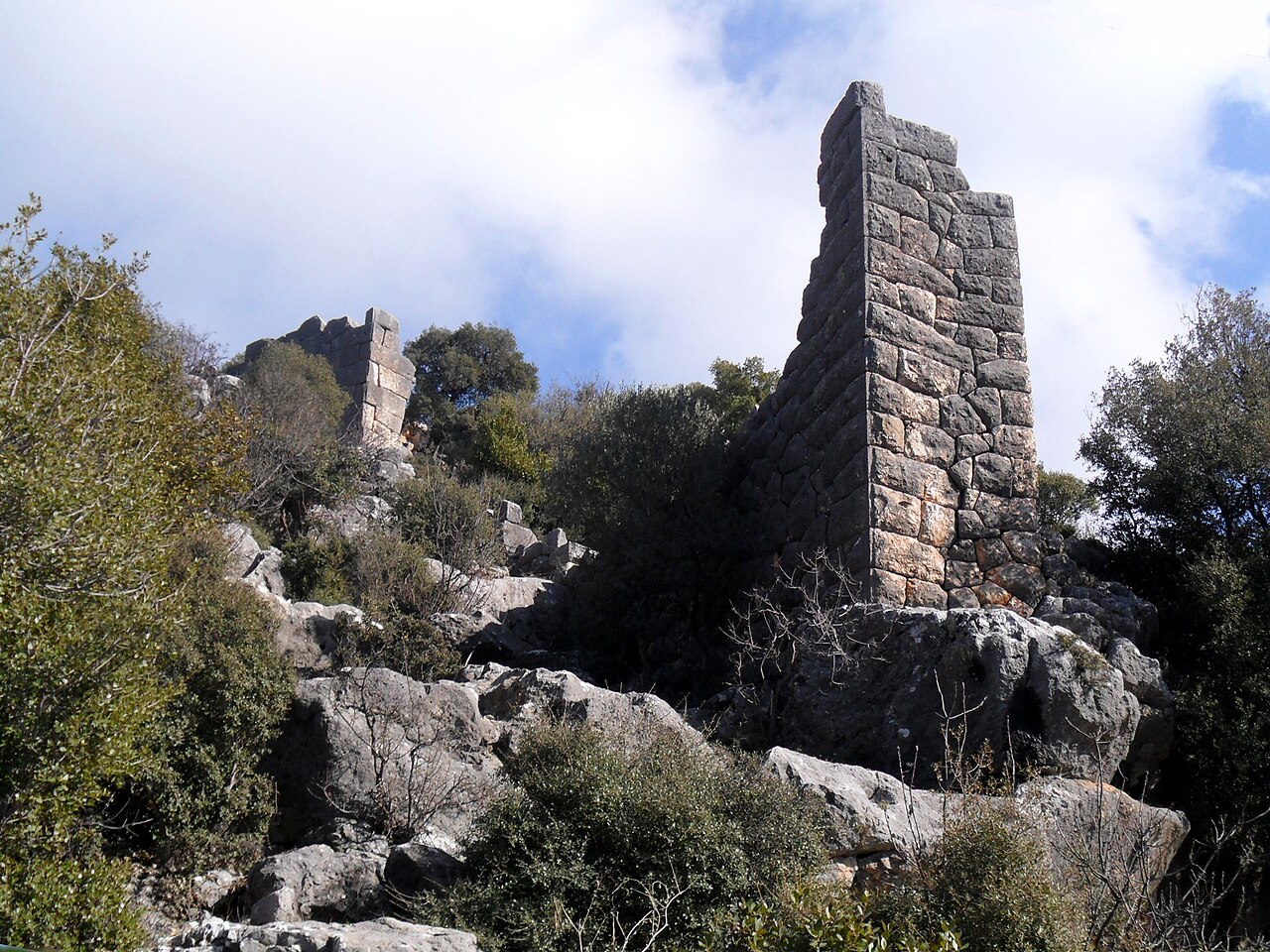
Mancınık Castle, known in Turkish as Mancınık Kale, is an archaeological ruin of a Hellenistic fortress located in Mersin Province, Turkey. Although its original ancient name remains unknown, the site offers valuable insight into the military architecture and regional history of the Hellenistic period in this part of Anatolia. Historical context and significance The castle dates back to the Hellenistic period, which spans from the late 4th century BCE to the 1st century BCE. This era followed the conquests of Alexander the Great and was characterized by the spread of Greek culture and political influence across the eastern Mediterranean and Near East. Many fortifications were built during this time to secure territories and control key routes. Mancınık Castle likely served as a strategic military outpost overseeing important land routes or local settlements. Its location in Mersin Province places it within a historically significant region that connected the Mediterranean coast with the interior of Anatolia, making it an important site for controlling trade and military movements. Architectural features and layout As a Hellenistic fortification, Mancınık Castle would have originally featured typical defensive elements such as thick stone walls, towers, and gates designed for both defense and control of the surrounding area. The ruins today reveal remnants of these fortifications, although much of the structure has been lost to time. The castle's construction would have utilized local stone materials, with walls built to withstand sieges and attacks common in the Hellenistic period. The layout likely included a central courtyard, defensive towers at key points, and possibly a keep or main stronghold. Defensive structures The surviving ruins indicate the presence of fortification walls that enclosed the castle, designed to protect inhabitants from invaders. There may have been battlements or parapets atop the walls for defenders to use during attacks. Given the castle's ruinous state, detailed features such as gatehouses, dungeons, or internal chambers are difficult to ascertain, but the site’s remains suggest a typical Hellenistic military architecture adapted to the local terrain. Current condition and archaeological status Today, Mancınık Castle exists as archaeological ruins. The site has not been fully restored and remains partially excavated, offering a glimpse into its past but lacking complete structural preservation. The ruins are an important cultural heritage site for the region, attracting archaeologists and historians interested in Hellenistic military architecture in Anatolia. Conservation efforts may be limited, and the site is generally accessible for study rather than tourism. Its remote location and ruined condition mean it is less visited compared to more prominent castles in Turkey. Regional importance and cultural heritage Mersin Province, where Mancınık Castle is located, has a rich history of ancient settlements and fortifications due to its strategic position near the Mediterranean coast. The castle contributes to understanding the broader network of Hellenistic fortifications that protected trade routes and regional powers during antiquity. While not as famous as other castles in Turkey, Mancınık Castle holds archaeological value for studying the military and architectural practices of the Hellenistic period in this part of the world. Visiting and research opportunities Due to its status as ruins and limited tourist infrastructure, visiting Mancınık Castle requires some preparation. The site is primarily of interest to archaeologists, historians, and enthusiasts of ancient military architecture. Visitors should be aware that facilities are minimal and the terrain may be rugged. Ongoing or future archaeological research may reveal more about the castle’s original structure, use, and historical context, contributing further to the understanding of Hellenistic fortifications in Anatolia.

High Medieval (11th–13th c.)
Details