Kyiv Castle
Kyiv Castle (Ukrainian: Київський замок, romanized: Kyjivsjkyj zamok) was a prominent fortress located on Zamkova Hora (Castle Hill) in the historic city of Kyiv, Ukraine. Constructed in the 14th century, it served as the most powerful military stronghold in the Dnieper Ukraine region from the late medieval period through the first half of the 16th century. The castle played a critical role in the defense and administration of Kyiv during a turbulent era marked by frequent conflicts and shifting political control.
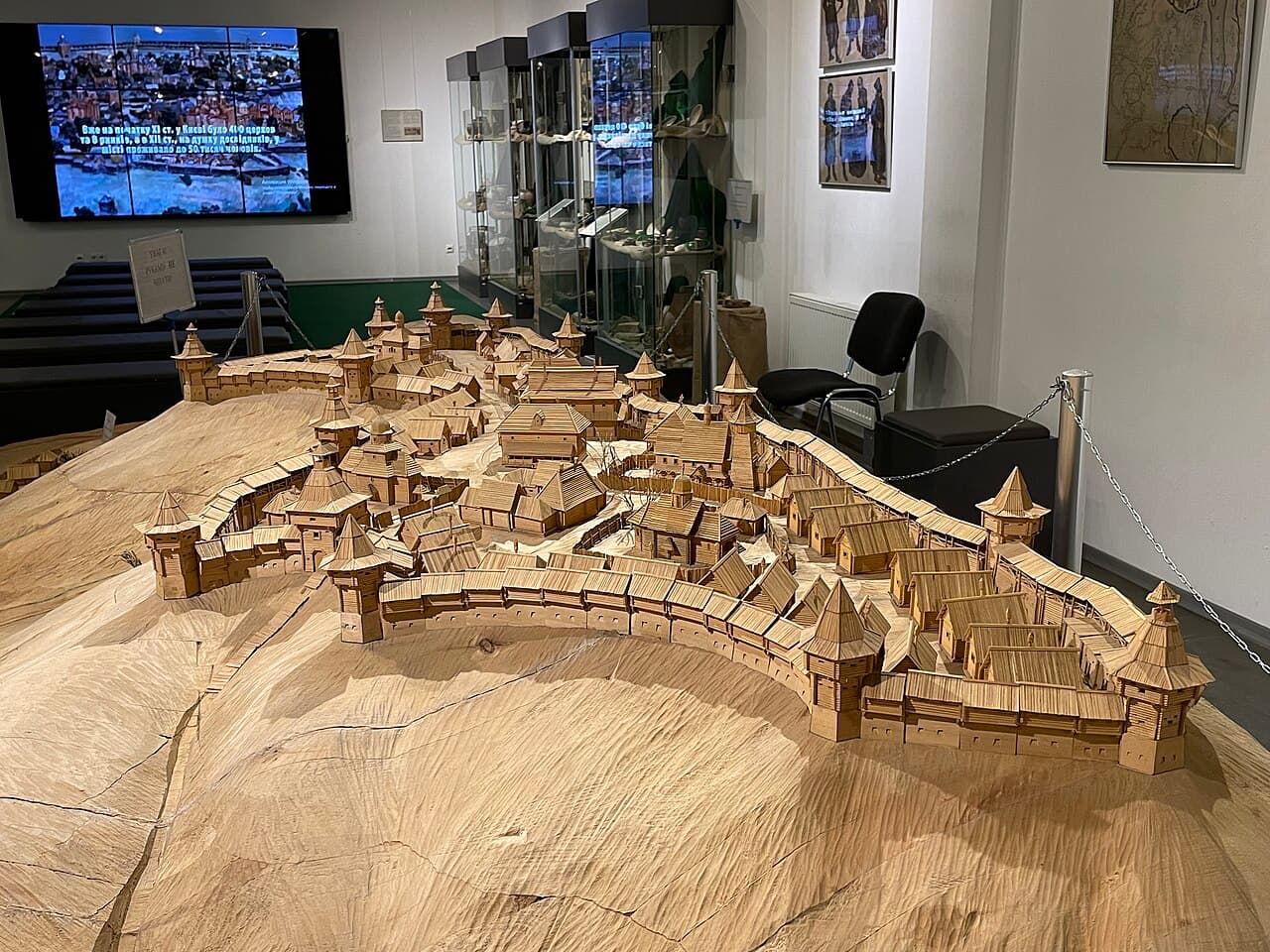
The fortress was strategically positioned on a hill overlooking the city, which allowed for effective surveillance and defense against invaders. Its fortifications were primarily wooden, a common construction material of the time, supplemented by earthworks and defensive ditches. The castle complex included two main gates that controlled access and facilitated movement of troops and supplies.
Architectural features and layout
Kyiv Castle was a substantial complex comprising approximately 20 buildings within its walls. Among its notable features were several three-tiered watchtowers, which varied in number from 3 to 15 over different periods. These towers provided vantage points for lookouts to monitor the surrounding landscape and the approaches to the city.
The fortress also contained between 1 and 4 deep wells, each approximately 60 meters deep, ensuring a reliable water supply during sieges. In addition to its defensive structures, the castle housed religious buildings reflecting the diverse spiritual life of the city. At its peak in 1552, the castle grounds included three Orthodox churches and one Catholic church, indicating the coexistence of different Christian denominations within the fortress.
Historical significance and timeline
The castle was established in the late 14th century amid rising threats from neighboring powers and internal conflicts. It remained a key defensive installation through the 15th and 16th centuries, adapting to the evolving military technologies and political landscape of Eastern Europe.
One remarkable feature of Kyiv Castle was its clock, which was the only one in the city until the 17th century. This clock not only marked time but also symbolized the castle's importance as a center of governance and urban life.
Despite its strength, the castle eventually fell victim to the upheavals of the mid-17th century. It was destroyed during the military campaigns of Bohdan Khmelnytsky, the prominent Cossack leader who led uprisings against Polish rule and sought to establish autonomy for Ukrainian lands.
Legacy and current state
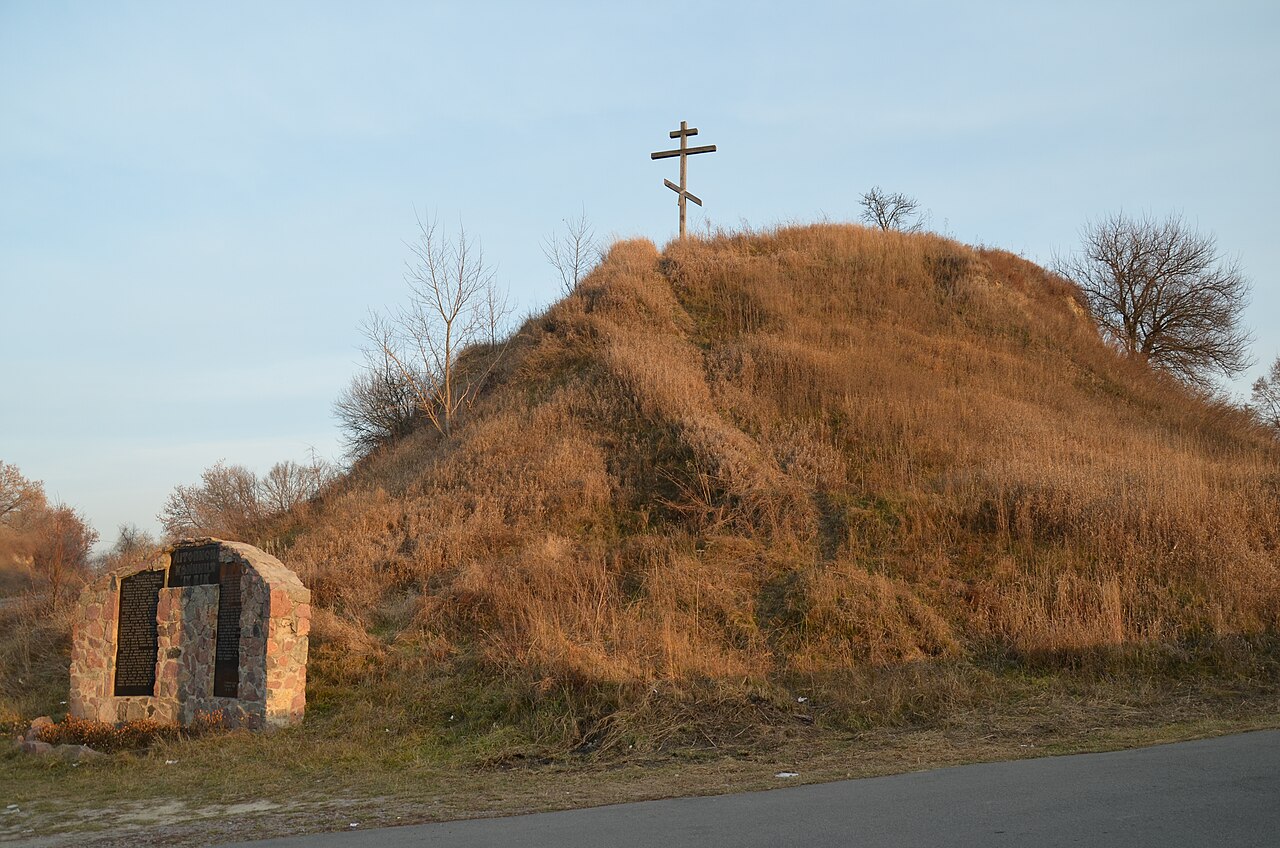
Today, Kyiv Castle exists only as archaeological ruins on Zamkova Hora. Excavations and studies have revealed remnants of its wooden fortifications, foundations of buildings, and other artifacts that provide insight into its construction and use. The site is an important cultural and historical landmark, offering visitors a glimpse into the medieval defense systems and urban development of Kyiv.
While no significant above-ground structures remain, the castle's footprint and archaeological findings contribute to understanding the city's past and its strategic military architecture. The ruins are accessible to the public, often visited by those interested in medieval history and the heritage of Kyiv.
Frequently asked questions (FAQ)
- How do I get to Kyiv Castle?
- Kyiv Castle is located in the heart of Kyiv, making it easily accessible via public transport. You can take the metro to the nearby stations and enjoy a scenic walk to the castle, or use local buses and trams that have stops close to the site.
- What is the historical significance of Kyiv Castle?
- Kyiv Castle, also known as the Upper City, has played a vital role in the history of Ukraine since its establishment in the 5th century. It served as a royal residence and a fortification, witnessing significant events throughout the centuries, particularly during the rise of the Kyivan Rus.
- When was Kyiv Castle built?
- The origins of Kyiv Castle date back to the 5th century, with various constructions and renovations taking place over the years. The castle reflects different architectural styles as it evolved, showcasing the rich history of the region.
- Can I visit Kyiv Castle year-round?
- Yes, Kyiv Castle is open to visitors throughout the year. However, it's advisable to check specific opening hours and any seasonal changes, as well as potential closures during major holidays or events.
- Why is the architecture of Kyiv Castle notable?
- The architecture of Kyiv Castle is notable for its combination of medieval fortifications and later Renaissance influences. Visitors can admire the impressive stone walls, towers, and gates that exemplify the castle's historical significance and aesthetic appeal.
- Is it possible to take guided tours of Kyiv Castle?
- Yes, guided tours are available at Kyiv Castle, providing visitors with in-depth knowledge about its history and architecture. These tours can enhance your experience by offering insights that you might miss when exploring on your own.
- What are the ticket prices for visiting Kyiv Castle?
- Ticket prices for Kyiv Castle vary depending on the type of tour and access to specific areas. Generally, entrance fees are quite reasonable, making it accessible for most visitors eager to explore this historical site.
- When is the best time to visit Kyiv Castle?
- The best time to visit Kyiv Castle is during the spring and early autumn when the weather is mild and pleasant. This allows for a more enjoyable exploration of the castle grounds and the beautiful surrounding landscape.
- Are there any nearby attractions to visit along with Kyiv Castle?
- Yes, there are several nearby attractions to enhance your visit to Kyiv Castle. You can explore the stunning St. Sophia Cathedral, the picturesque Andriyivskyy Descent, and the vibrant Maidan Nezalezhnosti, all within walking distance.
Photo gallery

Information
Loading map...
Visitor reviews
No reviews yet. Been here? Write the first review and help other travelers!
Write the first reviewVisited this castle? Share your experience
Your review helps other travelers and adds first-hand knowledge to our encyclopedia.