Kvasovo Castle — Ukraine castle

Kvasovo Castle

Kvasovo Castle: archaeological ruins in Ukraine
Ruins

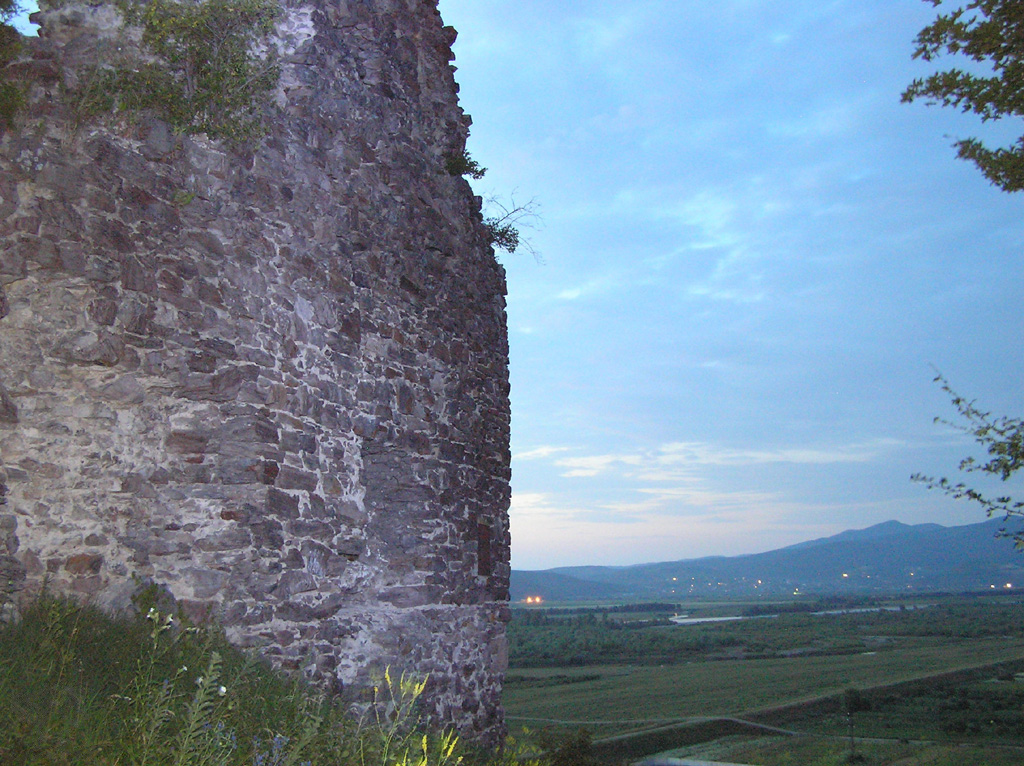
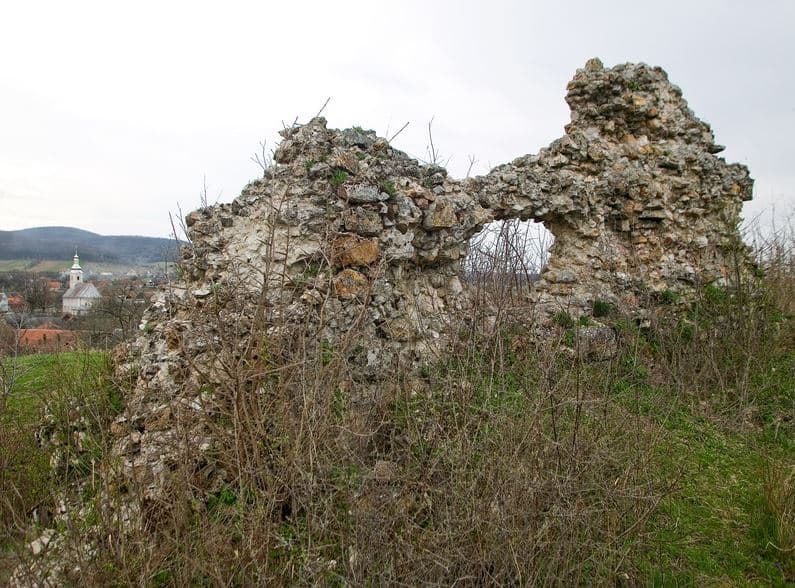
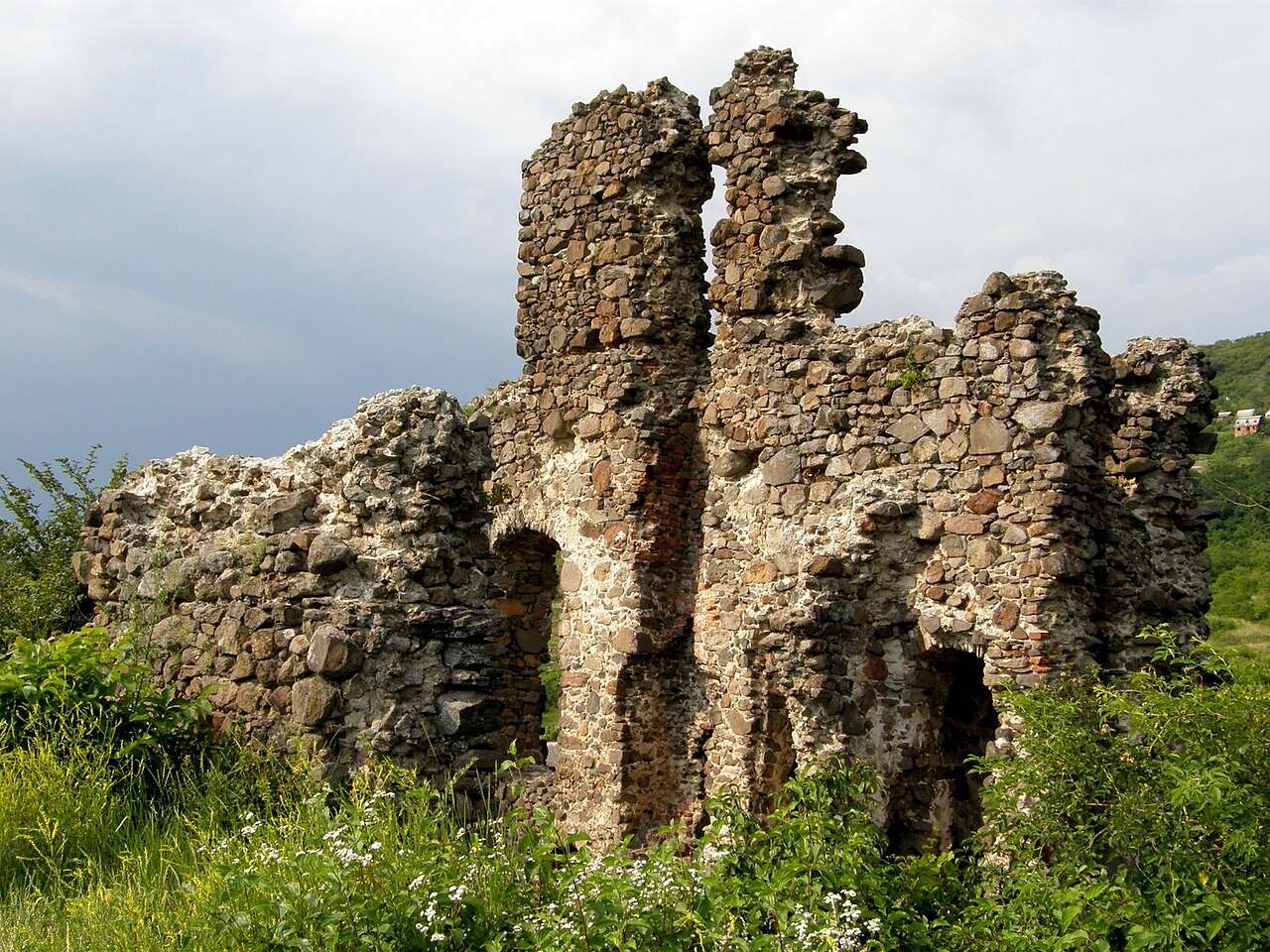
Kvasovo Castle is an important historical site located in Ukraine, known primarily for its archaeological ruins that offer insight into medieval fortifications in the region. While the exact city location remains uncertain, the castle's remains provide valuable evidence of the defensive architecture and settlement patterns during the medieval period in Eastern Europe.

The castle is classified as an archaeological ruins site, reflecting its current state of preservation. The ruins consist of remnants of defensive walls, foundations of towers, and traces of a moat system that once protected the fortress. These features indicate that Kvasovo Castle was strategically designed to withstand sieges and control the surrounding territory.

Historical context and significance

The origins of Kvasovo Castle likely date back to the High medieval period, a time characterized by the construction of numerous fortifications across Ukraine to defend against invasions and local conflicts. Castles like Kvasovo served as military strongholds, administrative centers, and symbols of feudal power.

Although detailed historical records about Kvasovo Castle are limited, archaeological studies suggest it played a role in regional defense networks. Its location would have been chosen for tactical advantage, possibly on elevated terrain or near important trade routes, to monitor and control movement.

Architectural features and layout

The surviving ruins of Kvasovo Castle reveal typical medieval defensive elements, including thick stone walls and the remains of towers that would have provided vantage points for lookouts and archers. The castle's perimeter likely included a moat or natural water defenses, enhancing its protection against attackers.

Excavations have uncovered foundations indicating a complex layout with multiple courtyards and residential quarters. These spaces would have accommodated the castle's garrison, administrative offices, and possibly noble residences. The construction techniques reflect the use of local materials and medieval masonry skills.

Archaeological research and preservation

Archaeologists have conducted several excavations at the Kvasovo site, uncovering artifacts such as pottery shards, weapon fragments, and everyday items that shed light on the castle's occupation and the lifestyle of its inhabitants. These findings contribute to understanding the social and economic aspects of medieval life in the region.

Preservation efforts focus on stabilizing the remaining structures to prevent further decay. As an archaeological ruins site, Kvasovo Castle is valuable for both historical research and cultural heritage, attracting scholars and visitors interested in medieval history and architecture.

Visiting and cultural importance

While the site is in ruins and lacks extensive visitor facilities, it remains a point of interest for those exploring Ukraine's medieval past. Visitors can observe the layout and remnants of fortifications, gaining a tangible connection to the region's history.

Kvasovo Castle exemplifies the challenges of preserving medieval sites in Eastern Europe, where many castles have suffered from neglect, natural erosion, and historical conflicts. Its ruins stand as a testament to the region's rich but often turbulent history.

Frequently asked questions (FAQ)

How do I get to Kvasovo Castle?
Kvasovo Castle is located in the picturesque region of Ukraine, easily accessible by car or public transport. The nearest major city is Lviv, from where you can take a bus or train to reach the castle. Make sure to check local transport schedules for the most convenient options.
What is the historical significance of Kvasovo Castle?
Kvasovo Castle dates back to the 14th century and was strategically built to defend the region from invaders. It has witnessed numerous historical events and has served various roles throughout its history, including as a noble residence. Today, it stands as a testament to the architectural and cultural heritage of Ukraine.
When was Kvasovo Castle built?
The construction of Kvasovo Castle began in the early 14th century, showcasing the architectural style of the time. Over the centuries, it has undergone several renovations and expansions, reflecting the evolving tastes and needs of its inhabitants. Its enduring presence speaks to the castle's historical importance.
Can I visit Kvasovo Castle year-round?
Yes, Kvasovo Castle is open to visitors year-round, although the best time to visit is during the spring and summer months when the surrounding gardens are in full bloom. Be sure to check for any seasonal events or tours that may enhance your experience. Always verify opening hours before your visit.
Why is Kvasovo Castle a popular tourist attraction?
Kvasovo Castle attracts visitors for its stunning architecture, rich history, and beautiful surroundings. It offers a glimpse into Ukraine's medieval past and is a great spot for photography and exploration. The castle's unique features and scenic views make it a must-visit destination for history enthusiasts and travelers alike.
Is it possible to take guided tours of Kvasovo Castle?
Yes, guided tours are available at Kvasovo Castle, providing visitors with in-depth knowledge about its history and architecture. These tours often cover the castle's key features and significant events, enhancing your visit. Be sure to book your tour in advance, especially during peak tourist seasons.
What are the ticket prices for Kvasovo Castle?
Ticket prices for Kvasovo Castle are generally affordable, making it accessible for most visitors. Discounts may be available for children, students, and seniors, so be sure to inquire at the ticket office. Prices can vary, so check the official website for the most current information before your visit.
What are the opening hours for Kvasovo Castle?
Kvasovo Castle typically opens from 9 AM to 6 PM, with extended hours during the summer months. It's advisable to check the official website or contact the castle directly for any changes in hours or special events that may affect visiting times. Planning ahead will ensure you make the most of your visit.
Are there any nearby attractions to visit after Kvasovo Castle?
Yes, there are several nearby attractions worth exploring after your visit to Kvasovo Castle. The surrounding region is rich in history, with other castles, natural parks, and cultural sites. Consider visiting the local town to enjoy traditional Ukrainian cuisine and experience the local culture.

Photo gallery

Kvasovo Castle
Click to view

Photo by karpatalja turizmus•CC0

1 photo • Click any image to view in full screen

Information

Archaeological Site / Ruins

Loading map...

Visitor reviews

No reviews yet. Been here? Write the first review and help other travelers!

Write the first review

Visited this castle? Share your experience

Your review helps other travelers and adds first-hand knowledge to our encyclopedia.
Write a review

(5/5)

0/2000 characters

Your review will be visible after admin approval

Nearby castles

21.1 km
Vynohradiv Castle — Ukraine castle

Vynohradiv Castle

Vynohradiv, Ukraine

Vynohradiv Castle is a historic hill castle located in the Zakarpattia region of western Ukraine. It stands on a prominent hill overlooking the town of Vynohradiv, providing a strategic vantage point that was essential for defense during the medieval period. The castle's origins date back to the 14th century, when fortifications were commonly built in this area to protect against invasions and assert control over trade routes. Historical background and significance The castle was originally constructed in the High Medieval period, serving as a fortress for local rulers and nobility. It played a crucial role in the defense system of the region, which was then part of the Kingdom of Hungary. Throughout its history, Vynohradiv Castle witnessed numerous conflicts and changes in ownership, reflecting the turbulent history of the borderlands between Central and Eastern Europe. Its strategic location allowed it to control the surrounding territory and protect the nearby settlements from raids and military incursions. The castle also functioned as a local administrative center, overseeing the governance and economic activities of the area. Architectural features and layout The castle is classified as a hill castle, built on elevated terrain to maximize defensive advantages. Its design includes typical medieval fortification elements such as thick stone walls, defensive towers, and a fortified gatehouse. The remnants of the castle suggest a compact layout optimized for defense rather than residential comfort. Key architectural features include: Stone curtain walls encircling the castle, designed to withstand sieges and attacks. Watchtowers positioned to provide panoramic views of the surrounding landscape, enabling early detection of approaching enemies. A gatehouse equipped with defensive mechanisms such as a portcullis and murder holes. Inner courtyards that served as spaces for troop assembly and daily activities. Construction materials and techniques The castle was primarily constructed using locally sourced stone and mortar, common in medieval fortifications of the region. The builders employed traditional masonry techniques to create thick, durable walls capable of resisting artillery and battering rams used during sieges. Later history and current condition Over the centuries, Vynohradiv Castle suffered damage from various military conflicts and periods of neglect. By the early modern period, the castle had lost much of its military importance and gradually fell into ruin. Today, the site is classified as ruins, with several sections of walls and towers still standing, offering valuable insights into medieval castle architecture in Ukraine. The ruins attract visitors interested in history and archaeology, as well as those who appreciate scenic views from the hilltop. Preservation efforts have been limited, but the castle remains an important cultural landmark in the region. Visiting information and cultural importance While the castle is not fully restored, it is accessible to tourists and history enthusiasts. Visitors can explore the ruins and enjoy panoramic views of Vynohradiv and the surrounding countryside. The site occasionally hosts cultural events and historical reenactments that celebrate the region's medieval heritage. Vynohradiv Castle holds cultural significance as a symbol of the area's medieval past and its role in the broader historical context of Central and Eastern Europe. It represents the architectural and military strategies of the High Medieval period and serves as a reminder of the region's complex history.

High Medieval (11th–13th c.)
Details
26.6 km
Korolevo Castle — Ukraine castle

Korolevo Castle

, Ukraine

Korolevo Castle is a notable example of a hill castle constructed in the 13th century during the high medieval period in what is now Ukraine. Its strategic position on elevated terrain allowed it to serve as a defensive stronghold overseeing important routes and surrounding lands.Historical background and significanceThe castle was built in the high medieval era, a time marked by frequent territorial conflicts and the need for fortified residences to protect local lords and their subjects. Although specific historical records about Korolevo Castle are limited, it is understood to have played a role in regional defense and administration during the medieval period. The castle likely functioned as a military fortress and a local seat of power, controlling the surrounding area and providing refuge during times of conflict.Architectural features and constructionKorolevo Castle exemplifies the typical characteristics of a hill castle, utilizing its elevated position for natural defense. The castle's design would have included stone curtain walls encircling the main structures, with towers placed at strategic points to allow for surveillance and defense. The gatehouse served as the primary entrance, fortified to resist attacks. The interior likely contained a keep or donjon, which was the last line of defense and residence of the lord or commander.The use of local stone and medieval construction techniques would have given the castle robust walls capable of withstanding sieges. Defensive features such as battlements, arrow slits, and possibly a moat or dry ditch would have enhanced its security. The layout was probably compact, optimized for defense rather than comfort, reflecting the military priorities of the period.Materials and craftsmanshipThe masonry work of Korolevo Castle reflects the craftsmanship of the 13th century, with thick walls built from quarried stone and mortar. The castle's construction would have involved skilled stonemasons and laborers familiar with medieval fortification methods. Architectural details such as carved stone elements around doorways and windows might have been modest, focusing more on function than decoration.Current condition and preservationToday, Korolevo Castle exists as a ruin, with remnants of its walls and towers still visible. The passage of centuries and historical events have left the structure partially preserved, offering valuable insights into medieval military architecture in the region. Efforts to preserve the site focus on stabilizing existing structures and preventing further decay, although it remains primarily an archaeological and historical landmark rather than a fully restored castle.Visitor information and cultural importanceKorolevo Castle is a point of interest for visitors fascinated by medieval history and architecture. Its location on a hill provides scenic views of the surrounding landscape, enhancing the experience of exploring the ruins. While facilities may be limited due to its preservation status, the site attracts tourists, historians, and archaeologists interested in the medieval heritage of Ukraine.The castle contributes to the cultural identity of the region, symbolizing the medieval period's military and political dynamics. It also serves as an educational resource, illustrating the defensive strategies and architectural practices of the time.

High Medieval (11th–13th c.)
Details
27.9 km
Palanok Castle — Ukraine castle

Palanok Castle

Mukachevo, Ukraine

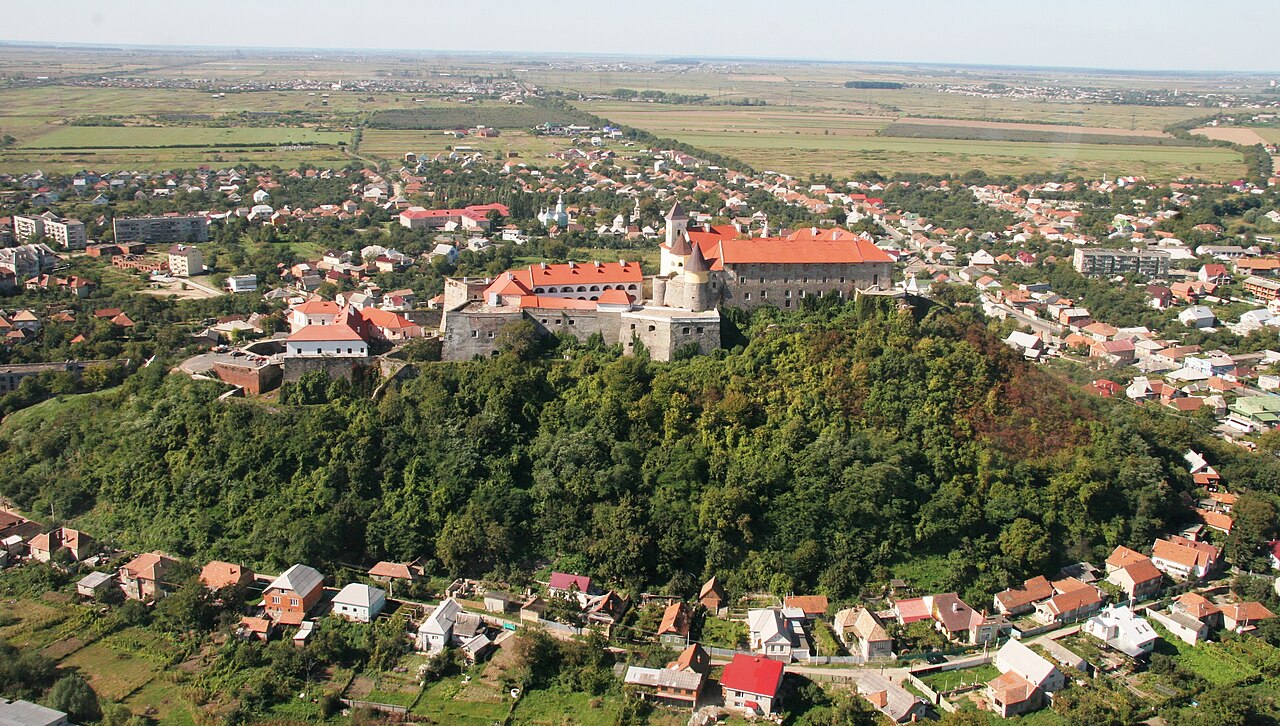
Palanok Castle, also known as Munkács Castle, stands majestically on a volcanic hill in Mukachevo, Ukraine, dominating the surrounding landscape with its formidable presence. This medieval hill castle is one of the most significant and best-preserved defensive complexes in Ukraine, attracting over one hundred thousand visitors annually who come to explore its rich history and architectural grandeur. The origins of Palanok Castle trace back to the early medieval period, with archaeological evidence indicating the site was inhabited from the Neolithic through the Bronze and Iron Ages. Initially, the fortress was a wooden stronghold established during the Hungarian conquest, first mentioned in written records in the 11th century. It played a crucial role in the defense of the Kingdom of Hungary, successfully withstanding attacks from the Pechenegs in 1086 and the Mongol invasion in 1241, highlighting its strategic frontier position. In the late 14th century, under the ownership of Prince Theodor Koriatovych, the castle underwent significant transformation from wood to stone. Koriatovych fortified the complex with new walls, deep ditches, and additional towers. He also commissioned the digging of a remarkable 85-meter deep well carved into the rock, which ensured a reliable water supply during sieges. A local legend surrounds the well's construction, involving a pact with the devil, which adds a layer of mystical allure to the castle's history. Architectural evolution and defensive features Palanok Castle's architecture reflects a blend of medieval fortification techniques and Renaissance military engineering, adapted over centuries to meet evolving military threats. The fortress is arranged on multiple terraces ascending the hill: the upper terrace houses the oldest part, the citadel, while the middle and lower terraces contain the main castle complex and outer defenses respectively. The castle's defensive system is notable for its thick walls, measuring up to 3.8 meters wide, and a series of bastions designed in the Italian style, including eight angular and three round bastions. Key bastions such as the German and Hajdú guard the lower castle entrance, while the Hussar and Wheelwright (Wagner) bastions protect the middle castle gate. Within the citadel, the Lorántffy, Rákóczi, and Freedom Tree bastions stand as critical defensive points, with the highest tower adjacent to the Lorántffy bastion linking to other fortifications. A distinctive architectural feature is the covered well within the citadel, 2.5 meters in diameter and 86 meters deep, with a secret tunnel at 71 meters connecting to the nearby Latorca River. This ingenious design provided a secure water source and potential escape route during sieges. The castle courtyard, known as Rákóczi Square, is enclosed by two to three-story buildings that historically served as barracks, ammunition storage, a knights' hall, and food supply depots. The palace within the citadel is a multi-story structure with arcaded galleries on three sides, serving as the residence and court for the castle's lords. Additional defensive measures included a dry moat between the lower and middle castles, approximately 10 to 12 meters deep, and a water-filled moat encircling the hill's base. The surrounding marshy terrain further enhanced the castle's natural defenses by limiting enemy approach routes. Historical significance and notable figures Throughout its history, Palanok Castle was a focal point of regional power struggles, especially between Austria and Transylvania from the 16th century onward. In 1633, it came under the rule of the Transylvanian prince György I Rákóczi, who made it the capital of his principality. Under his reign, the fortress saw extensive renovations and expansions, including the construction of the Upper, Middle, and Lower castles. Following György I, his widow Sophia Báthory took control and fortified the castle further by adding two defensive terraces and an outer defensive ring. Sophia is remembered for her ruthless reputation, with legends attributing to her bizarre practices such as drinking human blood to retain youth. The castle is also famously associated with Ilona Zrínyi, daughter of Sophia Báthory, who is celebrated for her valiant defense of Palanok during a prolonged siege by Austrian forces from 1685 to 1688. Despite the fortress enduring a grueling two and a half years under siege, it eventually fell due to a deceptive surrender agreement signed by Ilona Zrínyi. Her leadership remains a symbol of courage and resistance in Hungarian and Ukrainian history. During the early 18th century, Palanok Castle was a strategic stronghold in the anti-Habsburg uprisings, notably serving as the residence and military headquarters of Francis II Rákóczi during his War of Independence (1703–1711). After the defeat of these uprisings, the castle's military importance declined, and it was repurposed as a political prison by the Austrian monarchy until the late 19th century. Between December 1805 and March 1806, the castle safeguarded the Hungarian Holy Crown during the Napoleonic Wars, underscoring its continued symbolic significance. Modern usage and cultural heritage In the 20th century, Palanok Castle served various military functions under Czechoslovak, Hungarian, and Soviet control, including use as barracks and an agricultural machinery school. Restoration efforts commenced in the 1970s to preserve the fortress and transform it into a museum and cultural site. Today, the castle houses the Mukachevo Historical Museum, featuring exhibits on the region's history, the Lehoczky collection, and restored rooms displaying the castle's architectural and cultural legacy. The museum also includes galleries of Western Ukrainian paintings, ancient icons, and exhibitions dedicated to local wooden churches and art salons showcasing regional artists. The castle grounds formerly featured the Turul bird monument, a large bronze statue atop a 33-meter obelisk erected in 1896 as a symbol of Hungarian heritage. This monument underwent removal and reinstatement cycles throughout the 20th and early 21st centuries, reflecting shifting political landscapes. In 2022, it was replaced by the Ukrainian trident emblem, symbolizing the castle's integration into Ukrainian national identity. Visitors to Palanok Castle can enjoy the scenic views from its terraces, explore its extensive fortifications, and relax in the cozy cafés within the fortress, making it a vibrant cultural and historical destination. Legend of the devil's well A captivating local legend tells of the castle's deep well, which was initially dug without finding water. The devil allegedly appeared to the castle's owner, offering water in exchange for a bag of gold. The clever prince tricked the devil by giving him a small bag with only two coins. Enraged, the devil jumped into the well, and it is said that his anguished howls can still be heard from its depths, adding a mystical aura to the fortress.

Early Medieval (5th–10th c.)
Details