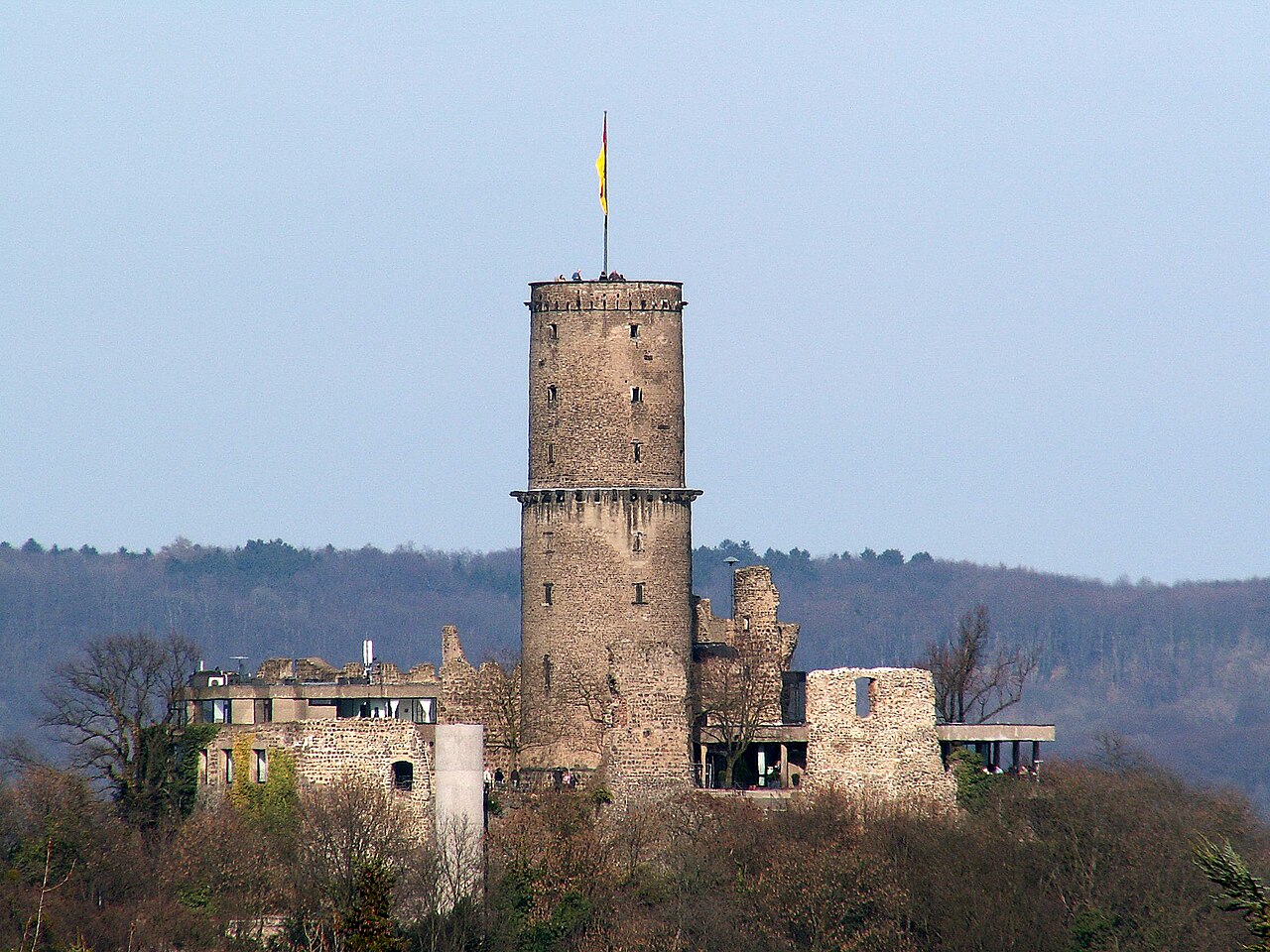
Kommende Ramersdorf Castle
Kommende Ramersdorf Castle in Bonn, Germany, traces its origins back to the early 13th century, founded in 1230 as one of the numerous commanderies of the Teutonic Knights. This castle was part of a widespread network of over 300 commanderies established by the order following the crusades, serving both religious and military functions. The site holds significant medieval heritage, notably with the preservation of the Georgian chapel, constructed between 1220 and 1230, which stands as a rare example of early medieval ecclesiastical architecture within the complex.
Throughout the 13th and 14th centuries, the commandery was governed primarily by Rhenish nobles, alongside ministerial officials and members of the urban patriciate, reflecting its importance in the regional power structure. The castle's role extended beyond military defense, encompassing administrative and economic activities typical of Teutonic Knight commanderies.
Architectural evolution and the 1842 fire
The original medieval structures of Kommende Ramersdorf underwent significant transformation following a devastating fire in 1842. This event led to a comprehensive rebuilding of the complex, adopting the Neo-Gothic architectural style that was popular in the 19th century. The reconstruction emphasized pointed arches, ornate tracery, and decorative battlements, aligning with the romanticized medieval revival trends of the period. This style choice reflected a broader European fascination with Gothic revivalism and the desire to preserve and reinterpret medieval heritage.
Preservation of the Georgian chapel
Despite the extensive rebuilding, the Georgian chapel was preserved, maintaining a tangible link to the castle's early medieval origins. The chapel's simple yet robust stone construction and characteristic early medieval architectural features provide valuable insight into the religious practices and architectural techniques of the 13th century.
Historical significance and ownership
Kommende Ramersdorf's history as a commandery of the Teutonic Knights situates it within the broader narrative of medieval military orders and their role in European history. The Teutonic Knights were instrumental in crusading efforts and territorial administration across Central and Eastern Europe. The castle's leadership by Rhenish nobles and urban elites underscores its integration into the social and political fabric of the Rhineland region.
Transition to modern use
In contemporary times, Kommende Ramersdorf has been repurposed as a hotel, allowing visitors to experience its historic ambiance alongside modern amenities. This adaptive reuse preserves the castle's architectural heritage while providing a functional role in the hospitality industry. The hotel's setting within the Neo-Gothic reconstructed buildings offers guests a unique opportunity to engage with both medieval history and 19th-century architectural revival.
Architectural features and layout
The castle complex features typical elements associated with commanderies, including fortified walls, residential quarters, and ecclesiastical buildings centered around the chapel. The Neo-Gothic reconstruction introduced decorative elements such as pointed arch windows, finials, and crenellated parapets, enhancing the castle's picturesque silhouette. The layout reflects a blend of medieval defensive design and 19th-century aesthetic considerations.
The castle's chapel and its significance
The preserved Georgian chapel remains a focal point of the site, notable for its historical and architectural value. Its survival through centuries and the 1842 fire highlights the importance attributed to religious structures within the commandery. The chapel's design includes characteristic early medieval masonry and modest ornamentation, offering a contrast to the later Neo-Gothic additions.
Visiting Kommende Ramersdorf today
Visitors to Kommende Ramersdorf can explore the castle's exterior and appreciate the Neo-Gothic architectural details that define its current appearance. While functioning as a hotel, the site occasionally allows access to certain historic areas, providing insight into its layered history. The castle's location in Bonn situates it within a city rich in cultural heritage, making it accessible for tourists interested in medieval history and architectural evolution.
Frequently asked questions (FAQ)
- What is the historical significance of Kommende Ramersdorf Castle?
- Kommende Ramersdorf Castle, located in Bonn, Germany, dates back to the 12th century and serves as a prime example of medieval architecture. It was originally established as a monastery and has played a crucial role in the region's religious and cultural history, reflecting the transition of power and influence in the area over centuries.
- When was Kommende Ramersdorf Castle built?
- The castle was constructed in the early 12th century, specifically around 1130. It has undergone various renovations and restorations over the years, preserving its historical essence while adapting to modern needs.
- Can I visit Kommende Ramersdorf Castle?
- Yes, Kommende Ramersdorf Castle is open to visitors, offering a glimpse into its rich history and stunning architecture. Guided tours are available, allowing visitors to explore its beautiful grounds and learn about its significance.
- What are the opening hours for Kommende Ramersdorf Castle?
- Kommende Ramersdorf Castle is typically open to visitors from Tuesday to Sunday, with specific hours varying by season. It's recommended to check the official website for the most current opening times before planning your visit.
- Is it possible to access Kommende Ramersdorf Castle by public transportation?
- Yes, Kommende Ramersdorf Castle is accessible via public transportation. Visitors can take local buses or trains to Bonn and then use a short taxi ride or walk to reach the castle.
- What is the best time to visit Kommende Ramersdorf Castle?
- The best time to visit Kommende Ramersdorf Castle is during the spring and early autumn months when the weather is mild, and the gardens are in full bloom. These seasons also offer fewer crowds, enhancing your experience.
- Are there any nearby attractions to explore when visiting Kommende Ramersdorf Castle?
- Yes, nearby attractions include the beautiful Bonn Botanical Gardens and the historic city center of Bonn, which features museums and shops. Visitors can also explore the nearby Rhine River for picturesque walks and scenic views.
- What are the ticket prices for visiting Kommende Ramersdorf Castle?
- Ticket prices for Kommende Ramersdorf Castle vary depending on the type of tour and age of the visitor. Generally, adult tickets are around 10 euros, while discounts are available for students and seniors, making it affordable for everyone.
Information
Loading map...
Visitor reviews
No reviews yet. Been here? Write the first review and help other travelers!
Write the first reviewVisited this castle? Share your experience
Your review helps other travelers and adds first-hand knowledge to our encyclopedia.