Klaipeda Castle Ruins
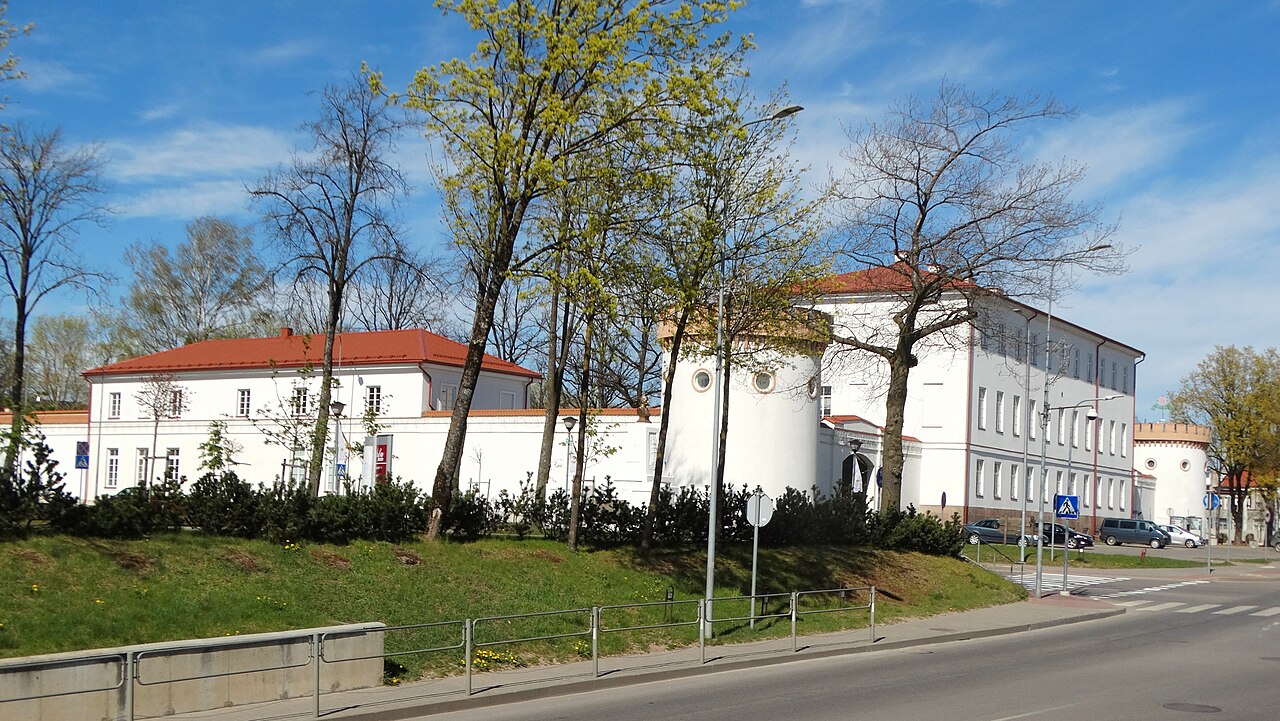
Klaipėda Castle, also historically known as Memelburg or Memel Castle, is a significant archaeological site located in Klaipėda, Lithuania. Originally constructed by the Teutonic Knights in the mid-13th century, this site reflects centuries of military, political, and architectural evolution. The castle's ruins today offer a window into the strategic importance of the fortress during the High Medieval period and its transformation through the Renaissance and early modern eras.
The castle was first mentioned in written records in 1252, coinciding with the Teutonic Order's campaign to consolidate control over the Baltic region. The initial fortification was a wooden structure built in a marshy area on the left bank of the Danė River. Due to the challenging terrain, this wooden castle was soon replaced by a more durable stone fortress constructed on the right bank between 1252 and 1253. This stone castle became the administrative and military center of the Klaipėda commandery, playing a crucial role in the ongoing conflicts between the Christian Teutonic Order and the pagan Lithuanian and Samogitian forces.
Early construction and strategic significance
The original wooden fortification was likely a simple enclosure with a protective tower, designed to secure the Teutonic Order's foothold in the region. The swift transition to a stone castle in 1253 marked a significant upgrade, enabling better defense and signaling the Order's intention to maintain a permanent presence. The castle's location between the Nemunas and Danė rivers provided natural defensive advantages, although the marshy surroundings initially posed logistical challenges.
Throughout the 13th and 14th centuries, Klaipėda Castle was repeatedly attacked by Lithuanian and Samogitian forces, reflecting the turbulent nature of the Baltic crusades. Notable assaults occurred in 1307, 1323, 1360, 1379, and 1393. Each time the castle was damaged or destroyed, it was rebuilt and fortified further, underscoring its strategic importance as a military outpost and symbol of Teutonic power in the region.
Architectural evolution and fortification upgrades
By the late 14th century, the castle saw the addition of a major defensive tower in 1393, enhancing its ability to withstand sieges. The early 15th century brought further improvements under the direction of Grand Master Ulrich von Jungingen, who visited in 1408 and 1409 with military engineers to upgrade the fortress. These enhancements coincided with the period following the Battle of Grunwald (1410), after which the Teutonic Order's influence waned but Klaipėda Castle retained its military relevance due to contested territorial claims with the Grand Duchy of Lithuania.
During the 16th century, the castle underwent a significant transformation into a bastion fortress, adapting to the advent of gunpowder artillery. French military engineers were engaged between 1529 and 1559 to modernize the defenses, resulting in the construction of five towers, including a prominent main tower approximately 15 meters in diameter with six floors. This bastion design incorporated thick walls, embrasures for cannon fire, and a complex system of water defenses including moats and ramparts.
Defensive structures and water fortifications
The castle was originally laid out in a roughly square plan, with red brick walls reaching heights of about 11 meters. The northern wall extended approximately 102 meters and was reinforced by four main towers positioned at the corners. Among these were two large cylindrical towers known as the Great Powder Tower and the Duke’s Tower, each around 12 meters in diameter, and a smaller rectangular tower at the southeast corner.
Surrounding the castle was a sophisticated defense system featuring a 6-meter-wide road outside the walls, a wide water-filled moat 8 to 9 meters across, and a broad rampart over 20 meters wide rising about 2 meters above the courtyard level. Beyond this rampart lay an additional dry moat roughly 6 meters wide and 1.5 meters deep. These layered defenses created a formidable barrier against attackers, particularly in an era of evolving siege technology.
Later history and decline
Klaipėda Castle endured several destructive events during the 17th and 18th centuries. It suffered damage during the Polish-Swedish War in 1629 and was further affected by fire and warfare during the Seven Years’ War in 1757. The last major reconstruction occurred in 1763, after which the castle gradually lost its military significance.
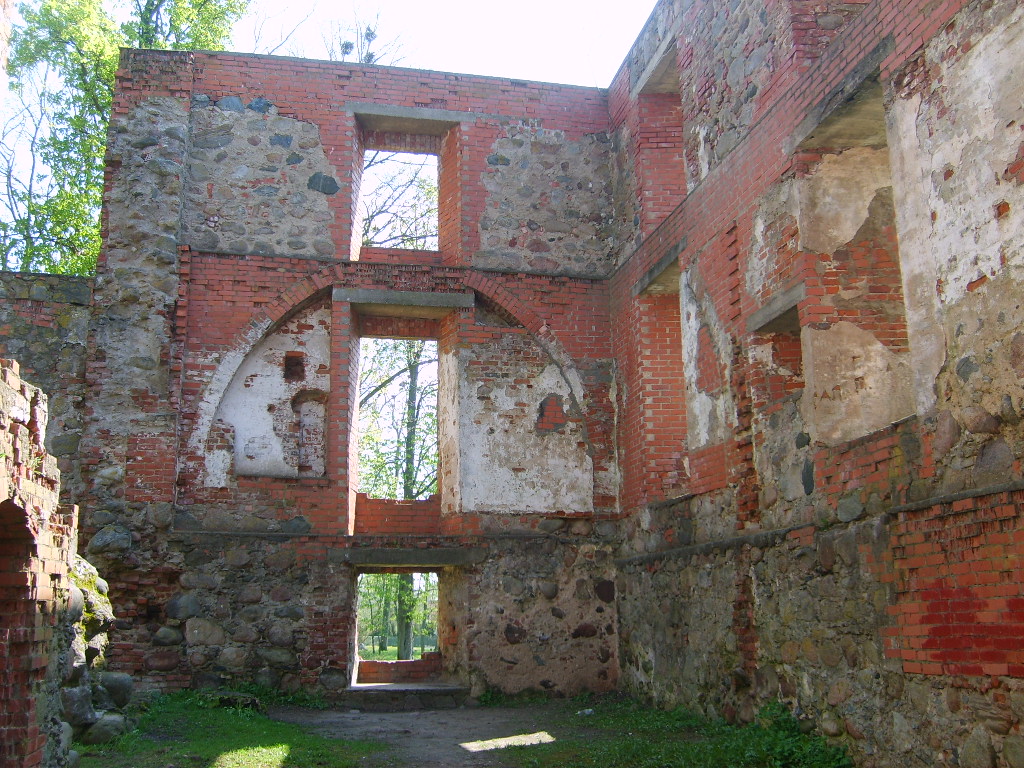
By the late 18th century, the fortress was largely abandoned and fell into disrepair. Local authorities began dismantling parts of the structure, selling building materials. Between 1872 and 1874, the remaining buildings were demolished, erasing much of the castle's visible presence.
Archaeological rediscovery and museum establishment
Interest in Klaipėda Castle's history was renewed in the 20th century, with archaeological excavations beginning in 1968 under the leadership of Adolfas Tautavičius. These excavations revealed foundational walls, towers, and artifacts that illuminated the castle's construction phases and historical context. Despite challenges from urban development near the site, archaeological work has continued intermittently.
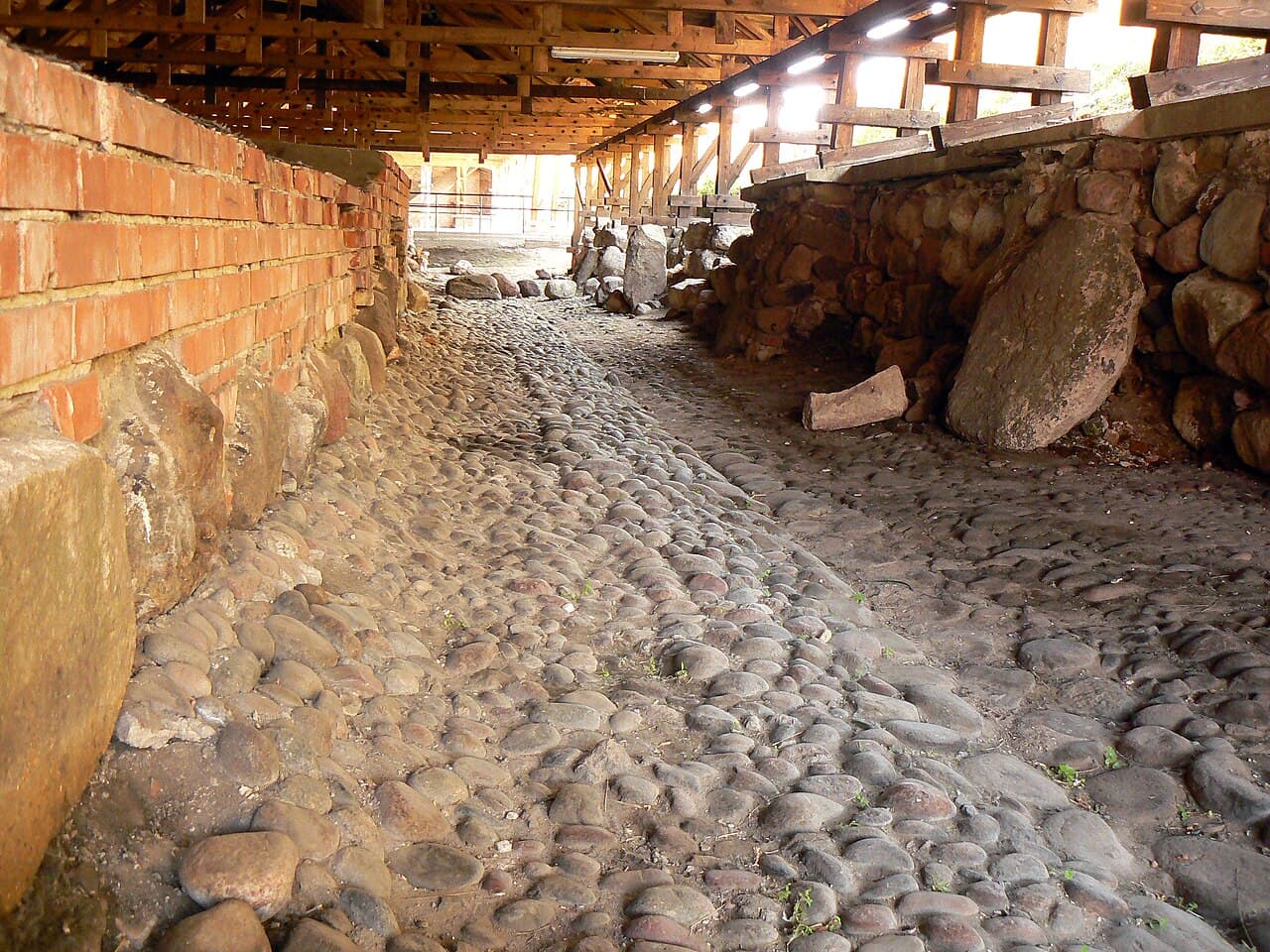
In 2002, a museum was established within the Prince Fredric chamber beneath one of the bastions, originally used for artillery storage in the 17th century. The museum showcases excavated findings, including authentic castle fragments and the oldest paved street in Klaipėda dating back to the 16th century. Restoration efforts completed in 2021 have enhanced the site's accessibility and interpretive value.
Today, Klaipėda Castle Ruins are a prominent cultural and tourist destination. The site hosts the annual Klaipėda Castle Jazz Festival and serves as a venue for various cultural events, linking the historic fortress area with Klaipėda's Old Town and the nearby Curonian Lagoon. The castle remains a symbol of the region's medieval heritage and the complex history of Baltic geopolitics.
Castle layout and surviving features
Visitors to the castle ruins can explore the remains of the defensive walls, towers, and bastions. The preserved Prince Fredric poterne is a key highlight, offering insight into the castle's underground passageways and artillery storage. Excavated foundations reveal the castle's original square layout and the arrangement of its fortifications. The site also includes the remains of a 15th-century prison tower and embrasures adapted for cannon use, illustrating the castle's continuous adaptation to changing military technologies.
The combination of Gothic brick architecture and Renaissance bastion design makes Klaipėda Castle a unique example of military architecture in the Baltic region. Its layered defenses, including moats, ramparts, and bastions, reflect the evolution of fortress construction from the medieval period through the early modern age.
Frequently asked questions (FAQ)
- What is the best time to visit Klaipėda Castle Ruins?
- The best time to visit Klaipėda Castle Ruins is during the late spring to early autumn months when the weather is mild and outdoor cultural events are held. The annual Klaipėda Castle Jazz Festival, typically in summer, offers a unique experience on the castle grounds.
- How do I get to Klaipėda Castle Ruins?
- Klaipėda Castle Ruins are located near the mouth of the Danė River in the city of Klaipėda, Lithuania. It is accessible by foot from Klaipėda's Old Town and can also be reached by local public transport or taxi services.
- Is there an entrance fee to visit the museum at Klaipėda Castle?
- The museum located in the Prince Fredric chamber beneath the bastion charges a modest entrance fee. Ticket prices vary, so it is recommended to check the official Klaipėda tourism website or the museum's information center for current rates.
- What can I see at Klaipėda Castle Museum?
- Visitors to the Klaipėda Castle Museum can explore archaeological exhibits including excavated foundations, authentic castle fragments, the oldest paved street in Klaipėda, and displays detailing the castle's historical development and military architecture.
- Can I explore the castle ruins independently?
- Yes, visitors can explore the castle ruins independently. The site is open to the public, and pathways guide visitors through the remaining walls, towers, and bastions. Informational plaques provide historical context throughout the site.
Photo gallery

Information
Website
Visit websiteSources & official resources
Verify the information above using these authoritative references.
Loading map...
Visitor reviews
No reviews yet. Been here? Write the first review and help other travelers!
Write the first reviewVisited this castle? Share your experience
Your review helps other travelers and adds first-hand knowledge to our encyclopedia.