Järämä Fortification Camp
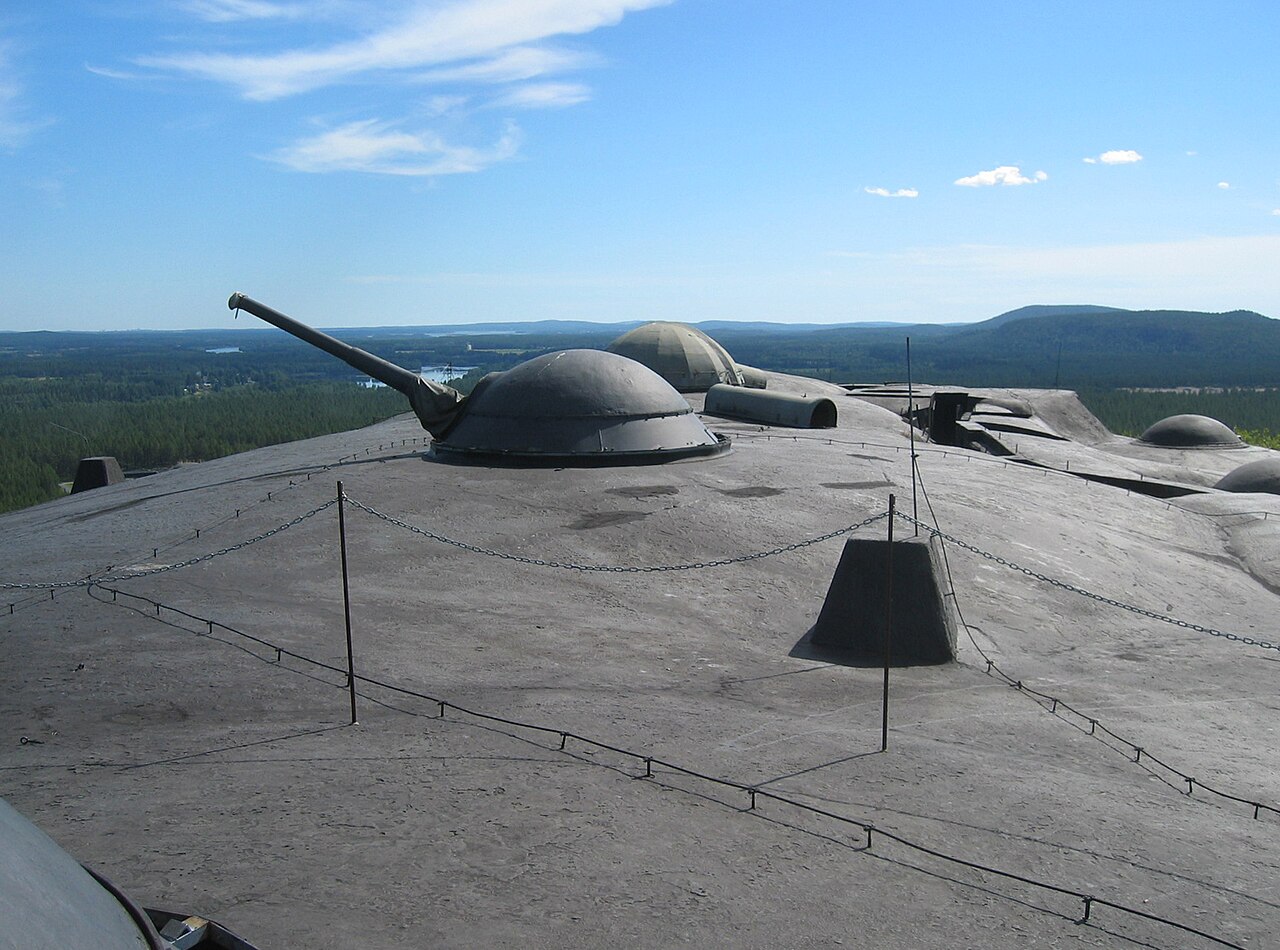
Järämä fortification camp is a significant Second World War military site located in Enontekiö, Finland. Constructed between 1942 and 1944 by German forces, it formed part of the extensive Sturmbock-Stellung defensive network designed to protect the strategic harbours of the Arctic Ocean. This fortification camp is unique due to its partial excavation into the bedrock, which provided natural protection and camouflage in the harsh Arctic environment.
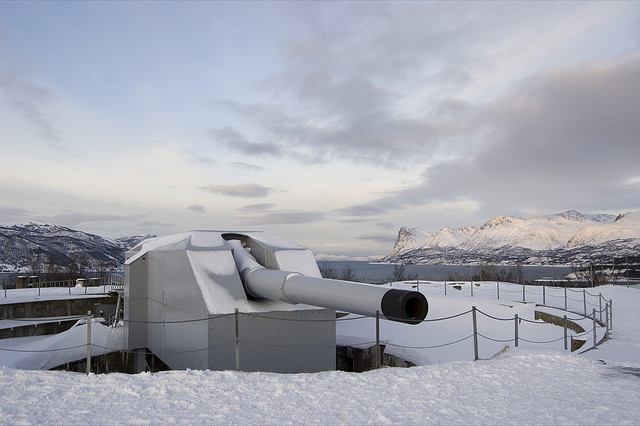
The camp was never the scene of direct combat, but it played a crucial role in the German defensive strategy in northern Finland during the war. Its design includes a series of trenches, machine gun shooting points, and an anti-tank cannon firing position. These features reflect the military engineering approaches of the modern period, emphasizing fortified positions integrated with natural terrain to maximize defense capabilities.
Historical context and strategic importance
The construction of Järämä fortification camp took place during a critical phase of World War II when Germany sought to secure its northern flank and maintain access to the Arctic Ocean's vital shipping routes. The Sturmbock-Stellung line was part of a broader system of fortifications extending across Lapland, aimed at deterring Soviet advances and protecting German supply lines.
Although the camp itself did not witness battle, its presence contributed to the overall defensive posture in the region, influencing troop deployments and military planning. The harsh Arctic conditions and remote location made the fortifications challenging to maintain and operate, underscoring the resilience of the soldiers stationed there.
Architectural and structural features
The fortification camp's construction partially into the bedrock is a notable architectural feature, providing enhanced protection against artillery and aerial bombardment. The trenches are carefully dug to follow the natural contours of the terrain, minimizing visibility from enemy reconnaissance.
The machine gun shooting points are positioned to cover key approaches, allowing defenders to create interlocking fields of fire. The inclusion of an anti-tank cannon firing point reflects the evolving nature of warfare during the period, addressing the threat posed by armored vehicles.
Renovation and museum development
In 1997, the site was developed into a museum to educate visitors about the wartime history of Lapland and the daily lives of soldiers stationed in such remote fortifications. The museum features restored trenches and firing positions, providing a tangible connection to the past.
Alongside the historical exhibits, the site includes a café, making it accessible and welcoming to tourists and history enthusiasts. The museum's interpretive materials highlight the broader context of the Lapland War and the impact of World War II on northern Finland.
Visiting Järämä fortification camp today
Today, visitors to Järämä can explore the preserved trenches and gun positions, gaining insight into the military architecture and strategic considerations of the era. The site's location in the Arctic offers a unique experience, combining natural beauty with historical significance.
The museum provides educational resources and guided tours, enhancing understanding of the fortification's role and the broader wartime history of the region. Accessibility is adapted to the rugged terrain, with pathways leading to key points of interest.
Significance for heritage and education
Järämä fortification camp stands as a preserved example of modern military fortifications in extreme environments. It offers valuable lessons in military engineering, strategic defense planning, and the human experience of soldiers during World War II in Lapland.
The site's preservation and museum function contribute to the cultural heritage of Finland, ensuring that this chapter of history remains accessible to future generations.
Frequently asked questions (FAQ)
- When was Järämä fortification camp built and by whom?
- Järämä fortification camp was built between 1942 and 1944 by German forces during World War II as part of the Sturmbock-Stellung defensive line in northern Finland.
- What can visitors see at the Järämä fortification camp museum?
- Visitors can explore restored trenches, machine gun shooting points, and an anti-tank cannon firing position, along with exhibits detailing life in Lapland during the war and post-war periods.
- Is Järämä fortification camp accessible year-round?
- The museum is typically open during the summer months daily from 10:00 to 18:00, with limited access during other seasons due to Arctic weather conditions.
- Why was the fortification camp built partly into the bedrock?
- Building the fortifications partly into the bedrock provided enhanced protection against attacks and helped camouflage the position within the natural Arctic terrain.
- Are there guided tours available at the site?
- Yes, guided tours are offered during the museum's open season, providing detailed historical and architectural insights into the fortification camp and its role in World War II.
Information
Opening hours
Summer months, daily 10:00-18:00
Ticket prices
€5 adult, €3 child
Current owner
Municipality
Website
Visit websiteSources & official resources
Verify the information above using these authoritative references.
Loading map...
Visitor reviews
No reviews yet. Been here? Write the first review and help other travelers!
Write the first reviewVisited this castle? Share your experience
Your review helps other travelers and adds first-hand knowledge to our encyclopedia.