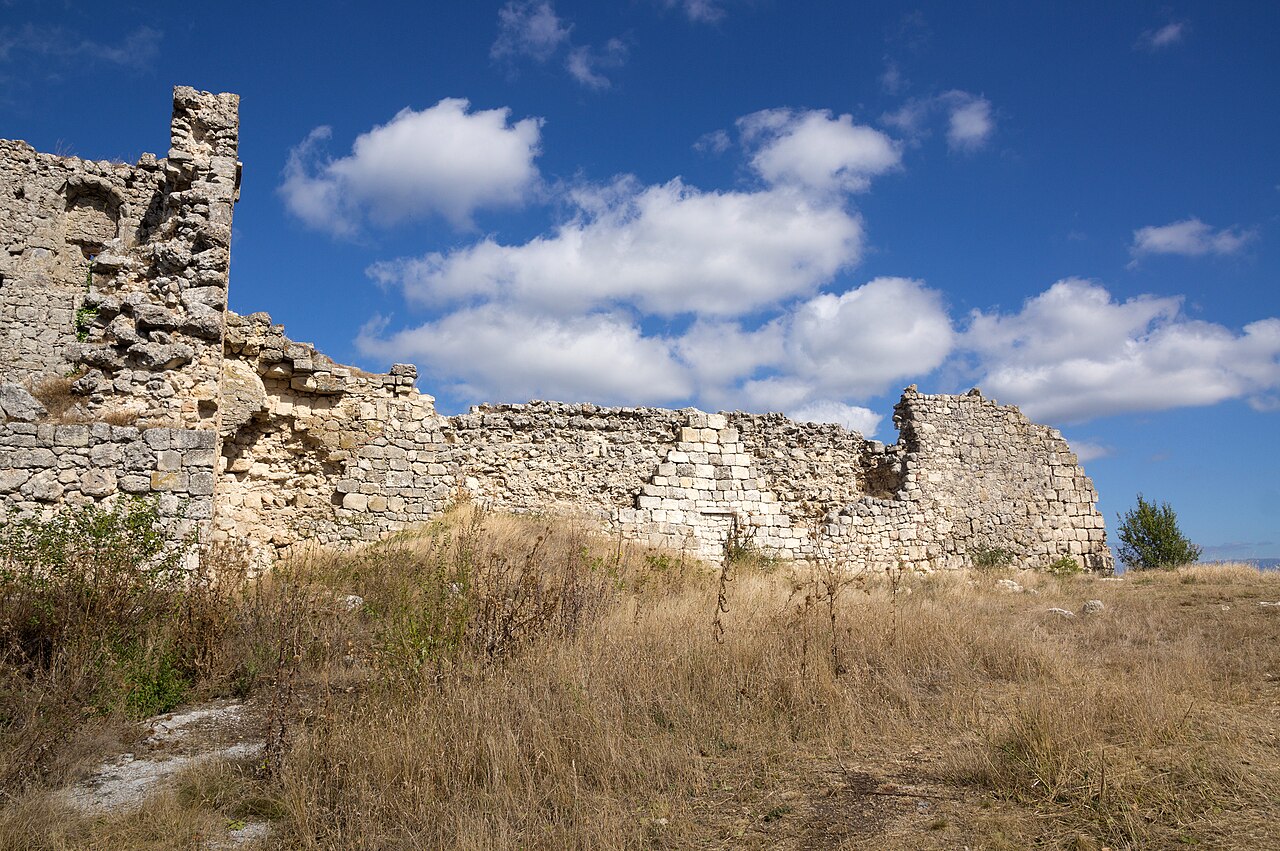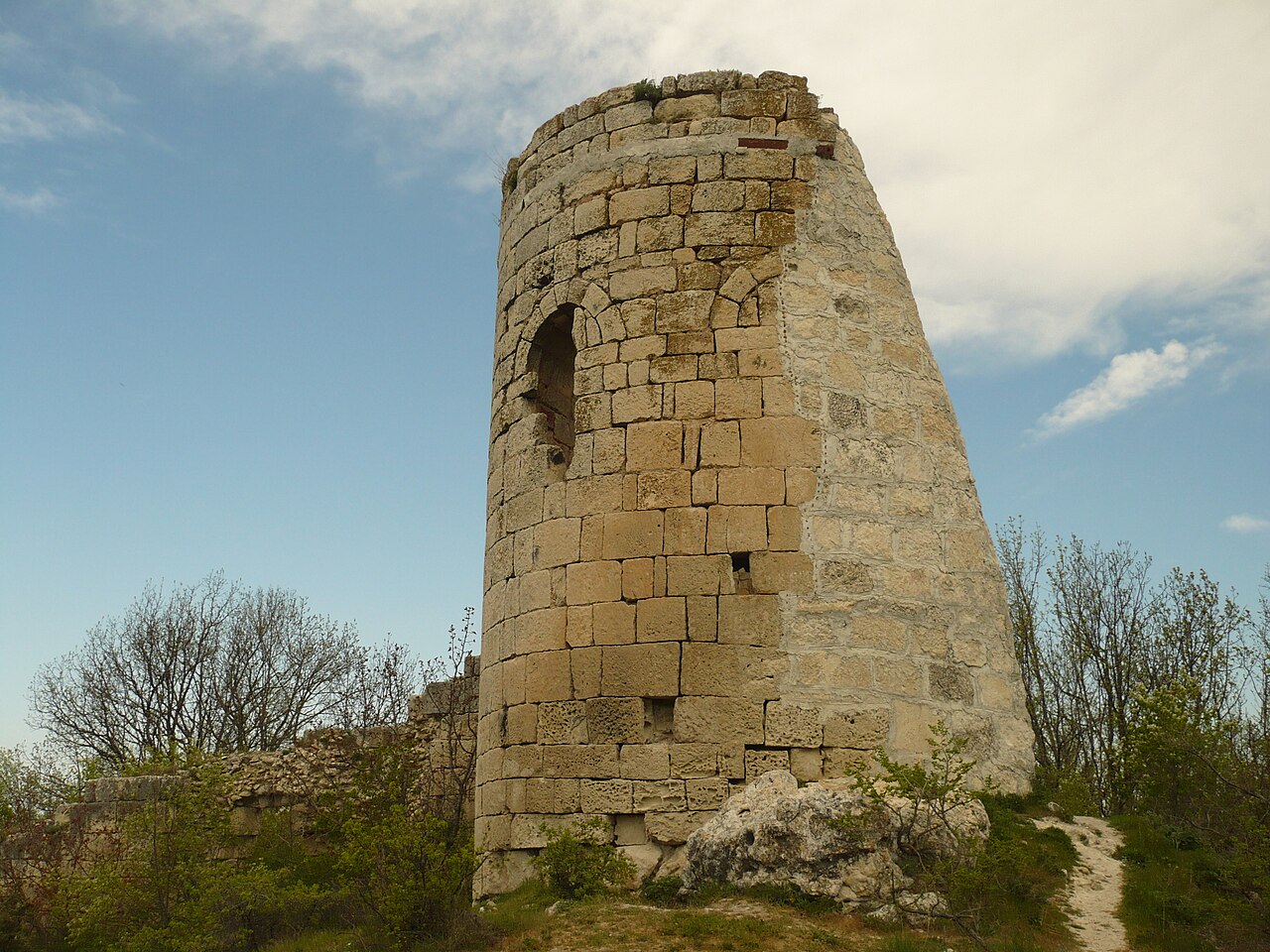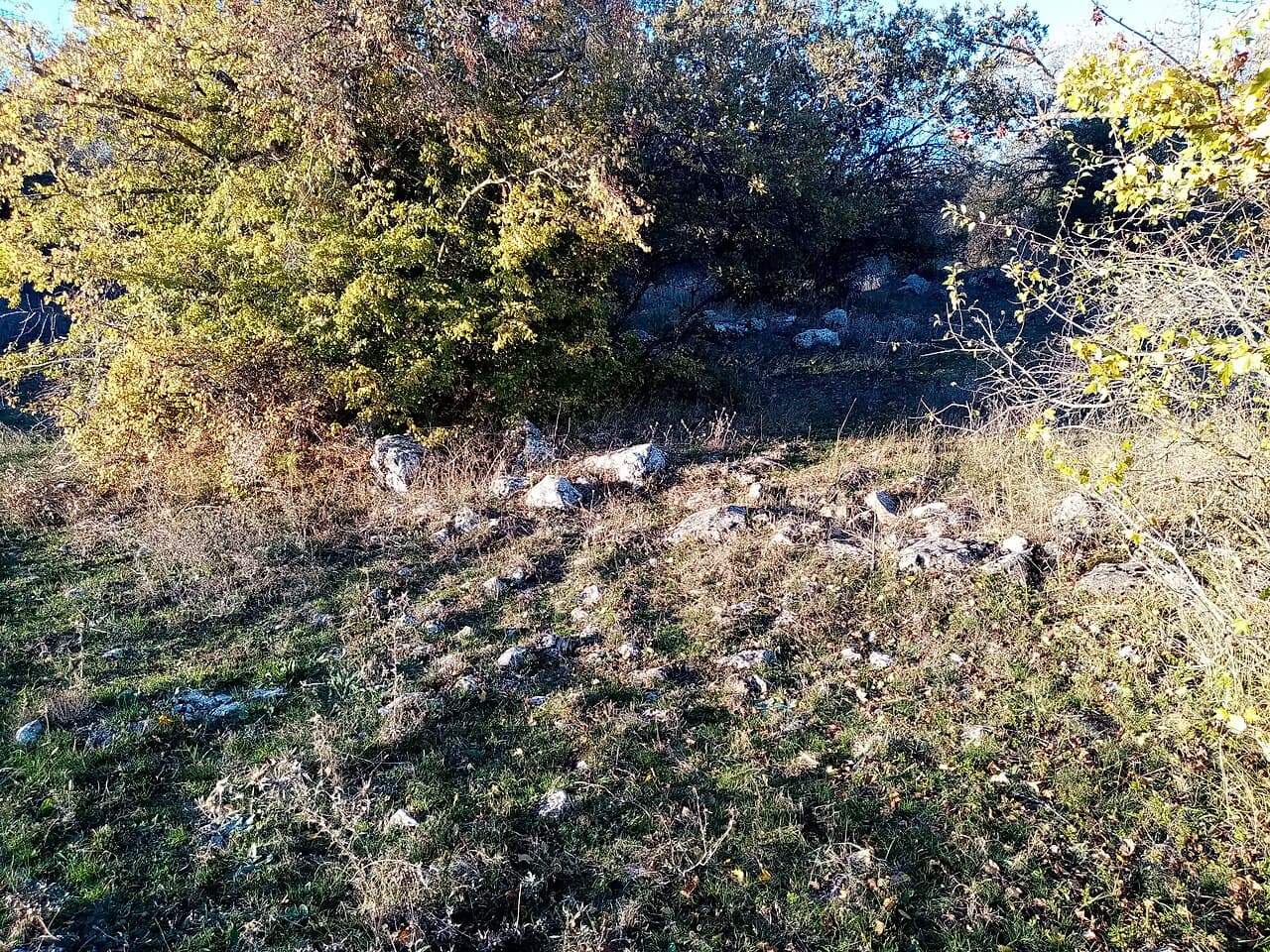
Isar Baga — Ukraine castle

Isar Baga

Isar Baga castle in Ukraine
High Medieval (11th–13th c.)
Ruins

Isar Baga castle is a notable hill castle located in Ukraine, distinguished by its strategic position atop a natural elevation. This elevated location provided a commanding view of the surrounding landscape, which was a critical defensive advantage during its period of use. The castle's origins trace back to the medieval era, although precise construction dates remain uncertain due to limited historical records.

Strategic location and defensive features

Built on a natural hill, Isar Baga castle utilized the terrain to enhance its defensive capabilities. The elevation allowed defenders to monitor approaching enemies from a distance and to control key routes in the region. Typical of hill castles, it likely featured a combination of fortified walls, towers, and possibly a moat or ditch surrounding the hill to impede attackers.

Architectural layout

While detailed architectural plans of Isar Baga are scarce, hill castles of this type generally included a central keep or donjon, surrounded by curtain walls and defensive towers. The keep served as the last line of defense and residence for the lord or commanding officer. The walls would have been constructed from locally sourced stone, providing strong resistance against siege weaponry.

Historical context and significance

Isar Baga castle likely played a role in the regional power dynamics of medieval Ukraine, serving as a military stronghold and administrative center. Castles such as this were integral in controlling territory and protecting trade routes. The castle's position would have made it a valuable asset during conflicts and a symbol of feudal authority.

Medieval Ukraine and castle construction

During the medieval period, the territory of modern Ukraine was influenced by various powers, including the Kievan Rus', the Kingdom of Galicia–Volhynia, and later the Polish-Lithuanian Commonwealth. Castles like Isar Baga were instrumental in establishing and maintaining control over contested regions, reflecting the turbulent political landscape of the time.

Current condition and preservation

The present condition of Isar Baga castle is not well documented, but many hill castles in Ukraine have suffered from neglect and natural decay. Depending on preservation efforts, some structural remains such as walls or foundations may still be visible. These ruins offer valuable insight into medieval fortification techniques and regional history.

Archaeological significance

Archaeological investigations at sites like Isar Baga can reveal important information about construction methods, daily life, and the historical timeline of the castle. Such research contributes to understanding the broader context of medieval fortifications in Eastern Europe.

Visiting Isar Baga castle

Information on public access to Isar Baga castle is limited, but hill castles in Ukraine often attract visitors interested in history and archaeology. Visitors should prepare for rugged terrain and limited facilities. Exploring the site provides a tangible connection to the medieval past and the strategic importance of hilltop fortifications.

Frequently asked questions (FAQ)

What is the historical significance of Isar Baga castle?
Isar Baga castle served as a strategic military stronghold in medieval Ukraine, controlling key routes and asserting feudal authority in the region.
Can I visit Isar Baga castle today?
Public access information is limited, but visitors interested in medieval history and archaeology may explore the ruins, keeping in mind the terrain may be rugged.
What architectural features does Isar Baga castle have?
As a hill castle, Isar Baga likely included a central keep, curtain walls, and defensive towers, utilizing the natural hill for enhanced defense.

Photo gallery

Isar Baga
Click to view

Photo by Kosun•CC0

1 photo • Click any image to view in full screen

Information

Hill Castle

Loading map...

Visitor reviews

No reviews yet. Been here? Write the first review and help other travelers!

Write the first review

Visited this castle? Share your experience

Your review helps other travelers and adds first-hand knowledge to our encyclopedia.
Write a review

(5/5)

0/2000 characters

Your review will be visible after admin approval

Nearby castles

6.2 km
Asarane Burun — Ukraine castle

Asarane Burun

, Ukraine

Asarane Burun is a notable hill castle located in Ukraine, distinguished by its strategic position and medieval origins. Though the exact city location remains uncertain, the castle's placement on elevated terrain underscores its historical role in defense and surveillance. Hill castles like Asarane Burun were typically constructed to exploit natural topography, providing commanding views over surrounding lands and enhancing their defensive capabilities.Historical background and significanceThe castle dates back to the medieval period, likely constructed during the high medieval era, a time when fortifications were essential for regional control and protection against invasions. Castles such as Asarane Burun served as military strongholds, administrative centers, and symbols of feudal power. While detailed historical records specific to Asarane Burun are limited, its architectural classification as a hill castle aligns it with other similar fortifications built across Eastern Europe during the Middle Ages.Architectural features and layoutAs a hill castle, Asarane Burun would have been designed to maximize the natural defensive advantages of its elevated site. Typically, such castles feature stone curtain walls following the contours of the hill, with towers positioned at key points to provide overlapping fields of fire. The castle likely included a keep or donjon serving as the last line of defense and residence for the lord or commander.The entrance would have been fortified with a gatehouse and possibly a drawbridge or other defensive mechanisms. Within the walls, there would have been courtyards, residential quarters, and storage facilities. The site's topography might have limited extensive expansion, resulting in a compact but highly defensible complex.Construction materials and techniquesMedieval hill castles in Ukraine typically utilized locally sourced stone and timber. The walls of Asarane Burun were likely constructed with rough-hewn stone blocks bonded with lime mortar. Timber would have been used for internal structures such as floors, roofs, and defensive hoardings. The castle's construction methods reflect the military engineering knowledge of the time, emphasizing durability and defense.Strategic importance and roleSituated on a hill, Asarane Burun commanded extensive views of the surrounding landscape, enabling early warning of approaching enemies. This vantage point was crucial during frequent medieval conflicts in the region, including raids and territorial disputes. The castle's location suggests it functioned as a regional stronghold, controlling nearby trade routes or borders.Its presence would have contributed to the feudal lord's power projection and the security of local settlements. Hill castles like Asarane Burun were often centers of administration and justice, reinforcing their importance beyond mere military functions.Current condition and preservationThe current condition of Asarane Burun is not extensively documented, but many hill castles in Ukraine exist as ruins or partially preserved sites. The passage of time, natural erosion, and historical conflicts may have led to significant deterioration. Preservation efforts, if any, would focus on stabilizing remaining structures and protecting the site from further decay.Visitors to such castles often encounter remnants of walls, foundations, and earthworks that outline the original fortification. These ruins provide valuable insights into medieval military architecture and regional history.Visiting and cultural significanceWhile detailed visitor information for Asarane Burun is scarce, hill castles in Ukraine are often accessible to the public and attract interest from historians, archaeologists, and tourists. Exploring the site offers a tangible connection to the medieval past and the architectural ingenuity of the era.Asarane Burun contributes to Ukraine's cultural heritage, representing the medieval fortification tradition and the historical landscape of the region. Preservation and study of such castles help illuminate the social and military history of Eastern Europe.

High Medieval (11th–13th c.)
Details
10.3 km
Mangup — Ukraine castle

Mangup

, Ukraine

Mangup fortress, also known as Mangup Kale, is a significant early medieval bastioned fortress located in the Crimean Peninsula of Ukraine. Perched on a steep plateau approximately 13 kilometres east of Sevastopol, this fortress occupies a commanding strategic position overlooking the surrounding landscape. The name "Kale" means "fortress" in Turkish, reflecting the site's long history of occupation and influence by various cultures. Historical significance and early origins The origins of Mangup date back to the 6th century, during the early medieval period. It was initially established as a fortified settlement on a naturally defensible rocky plateau. The fortress played a crucial role in the defense and control of the region throughout the Byzantine era and later periods. Its location near the ancient city of Chersonesus (modern Sevastopol) linked it to important trade and military routes in the Black Sea region. Throughout its history, Mangup was inhabited by diverse peoples, including the Byzantines, Crimean Goths, and later Turkic groups. It served as a political and military center, especially during the time of the Crimean Goths, who maintained a degree of autonomy in the region well into the late medieval period. Architectural features and fortifications The fortress is classified as a bastioned fortress, a term indicating the presence of defensive bastions integrated into the walls to provide enhanced protection against attackers. Mangup's fortifications take advantage of the natural topography, with steep cliffs on several sides creating a formidable natural defense. The defensive walls are constructed from local stone and are reinforced with bastions at key points to allow defenders to cover all approaches with crossfire. The fortress complex includes multiple gates, towers, and internal courtyards, which would have housed soldiers, administrators, and residents. Within the fortress, archaeological remains indicate the presence of residential quarters, religious buildings, cisterns for water storage, and other infrastructure necessary for sustaining a prolonged siege. The layout reflects a combination of Byzantine military engineering and local adaptations to the rugged terrain. Role in regional history and cultural heritage Mangup served as a cultural and political hub for the Crimean Goths from the 6th century until approximately the 15th century. It was the center of the last Gothic principality in Crimea, maintaining a unique Gothic-Christian identity amid the surrounding Turkic and Slavic populations. The fortress witnessed numerous sieges and conflicts, including struggles against the expanding powers of the Mongols, Tatars, and later the Ottoman Empire. Despite these challenges, Mangup remained a significant stronghold until it was eventually abandoned. Today, Mangup is valued for its rich archaeological remains and its testimony to the complex cultural history of Crimea. It is an important site for understanding the interactions between Byzantine, Gothic, and Turkic civilizations in the Black Sea region. Current condition and preservation The fortress is currently in a ruined state, with many of its walls, towers, and internal structures partially preserved. The rugged terrain and natural erosion have taken their toll, but significant portions of the defensive walls and bastions remain visible. Archaeological efforts have been undertaken to document and preserve the site, providing valuable insights into its construction techniques and historical phases. Mangup is accessible to visitors interested in medieval fortifications and Crimean history, offering panoramic views from its elevated position. Visiting Mangup fortress Visitors to Mangup can explore the extensive ruins spread across the plateau. The site offers hiking opportunities along ancient paths and the chance to see remnants of the bastioned fortifications and Byzantine architectural elements. Due to its location, visitors should prepare for uneven terrain and limited facilities. The fortress's historical significance and dramatic setting make it a compelling destination for those interested in medieval military architecture and the diverse cultural history of Crimea.

Early Medieval (5th–10th c.)
Details
14 km
Suiren Fortress — Ukraine castle

Suiren Fortress

, Ukraine

Suiren Fortress represents a significant example of early medieval military architecture in Ukraine, dating back to the 6th century. This bastioned fortress was strategically constructed to serve as a defensive stronghold during a period marked by frequent territorial conflicts and invasions. Its design reflects the military engineering knowledge of the time, incorporating bastions to provide enhanced protection against attackers. Historical context and strategic importance The 6th century was a turbulent era in Eastern Europe, characterized by the decline of the Roman Empire and the rise of various migrating tribes and emerging states. In this context, fortifications like Suiren Fortress played a crucial role in regional defense and control. Although the exact location within Ukraine remains uncertain, the fortress would have been positioned to oversee key routes or borders, serving both military and administrative functions. Architectural features and defensive design Suiren Fortress is classified as a bastioned fortress, a type of fortification that features projecting bastions at its corners or along its walls. These bastions allowed defenders to cover adjacent walls with crossfire, eliminating blind spots and strengthening the fortress's defensive capabilities. The use of bastions in the early medieval period indicates a sophisticated understanding of fortification principles that would later be developed further in the Renaissance. The fortress likely included thick stone walls designed to withstand siege weaponry of the time, along with towers for surveillance and defense. While specific details about the internal structures such as gates, courtyards, or dungeons are not documented, typical bastioned fortresses of this period featured a central keep or stronghold, living quarters for the garrison, and storage facilities. Preservation and archaeological significance Currently, Suiren Fortress exists primarily as an archaeological site, with remnants that provide valuable insights into early medieval fortification techniques in the region. Excavations and studies have helped historians understand the layout and construction methods used during this era. The site's preservation allows for ongoing research into the military history and architectural evolution of fortresses in Eastern Europe. Legacy and cultural heritage Although not as widely known as some other medieval fortresses, Suiren Fortress holds an important place in Ukraine's historical landscape. It reflects the region's strategic significance during the early medieval period and contributes to the broader narrative of European fortification development. The fortress stands as a testament to the ingenuity of early medieval military architects and the complex history of territorial defense in Ukraine.

Early Medieval (5th–10th c.)
Details