Imperial Castle in Wrocław
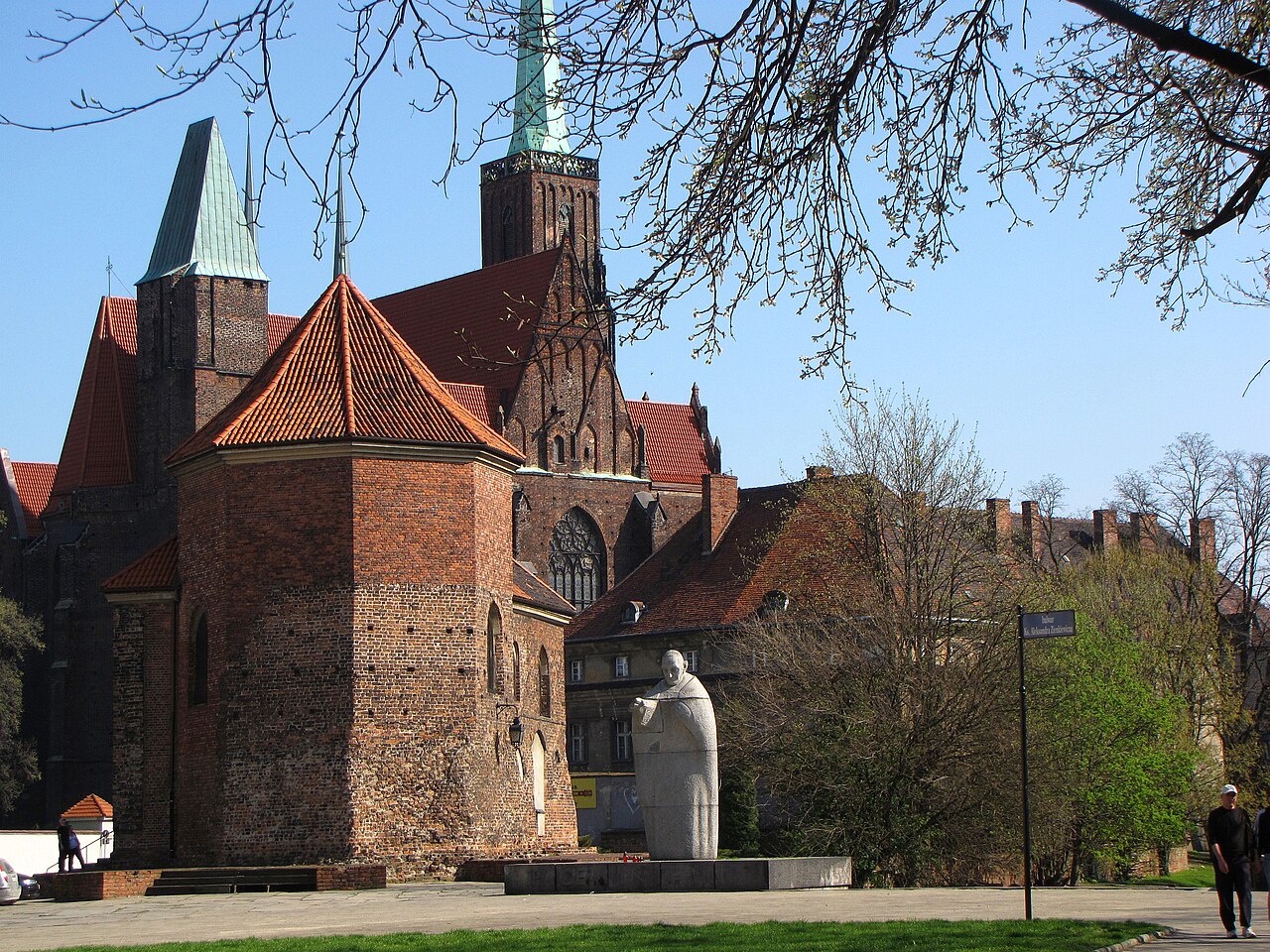
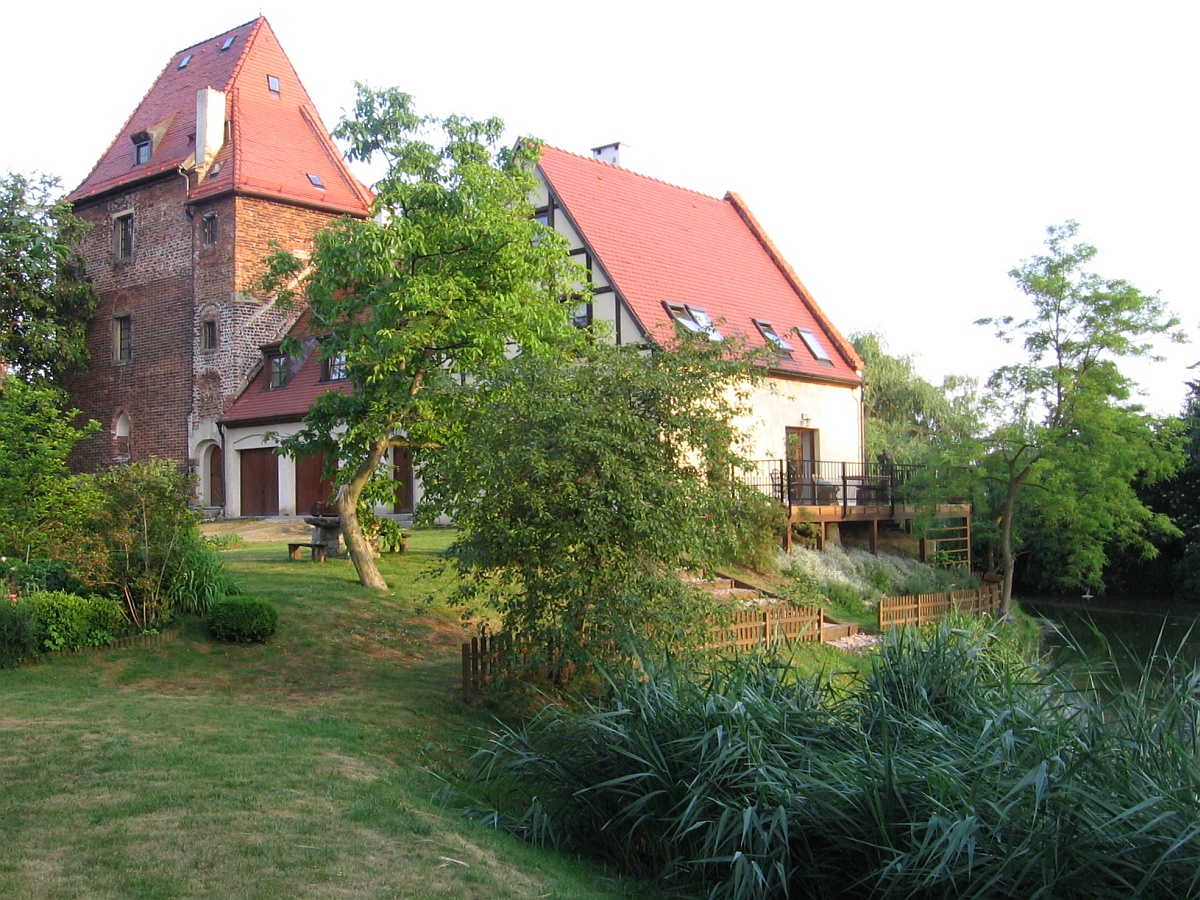
The Imperial Castle in Wrocław, also known as the Śląski Zamek Cesarski, is a prominent hill castle situated in the city of Wrocław, Poland. This castle stands as a significant example of medieval fortifications combined with later architectural influences, reflecting the complex history of Silesia and the shifting powers in Central Europe.
Historical background and significance
The origins of the Imperial Castle trace back to the High Medieval period, when Wrocław was a vital center of trade and political power in the region. The castle was constructed primarily to serve as a defensive stronghold and administrative center for local rulers. Throughout its history, it has witnessed numerous historical events, including sieges, changes in ownership, and various military and political functions.
During the 19th and early 20th centuries, the castle underwent significant renovations and expansions under the influence of the German Empire, which controlled the region at the time. This period introduced new architectural elements that blended with the original medieval structure, enhancing its grandeur and defensive capabilities.
Architectural features and style
The castle is classified as a hill castle, built on elevated terrain to maximize its defensive advantage. Its design incorporates thick stone walls, battlements, and fortified towers that provided vantage points for surveillance and defense. The castle complex includes a keep, gatehouse, and courtyard, each serving specific military and residential purposes.
Architecturally, the castle exhibits a mixture of styles, predominantly Gothic with later Neo-Gothic additions from the renovation period. The Gothic elements are evident in the pointed arches, ribbed vaults, and narrow windows designed for archers. The Neo-Gothic renovations introduced decorative features such as ornate stone carvings, spires, and elaborate façades, reflecting the 19th-century romanticism for medieval architecture.
Strategic location and defensive design
Positioned on a hill overlooking the city of Wrocław, the castle's location was chosen for its natural defensive benefits. The elevated site allowed defenders to monitor the surrounding plains and river routes, crucial for controlling trade and military movements. The castle's walls are complemented by a moat and additional outer fortifications that enhanced its protection against siege warfare.
The layout of the castle follows a traditional medieval plan, with concentric defensive walls and multiple layers of defense. The main gate was heavily fortified with a portcullis and murder holes to repel attackers. Inside, the castle housed barracks, storage rooms, and administrative offices necessary for sustaining long sieges.
Role through history and modern status
Throughout its history, the Imperial Castle in Wrocław served various roles, from a military fortress to a residence for nobility and a symbol of imperial authority. It was a focal point during regional conflicts and played a part in the power struggles between Polish, Bohemian, and German rulers over Silesia.
Today, the castle is recognized as a cultural heritage site and an important tourist attraction in Wrocław. It has undergone preservation efforts to maintain its structural integrity and historical character. Visitors can explore its well-preserved walls, towers, and courtyards, gaining insight into the region's medieval past and architectural evolution.
Visiting the imperial castle in Wrocław
The castle is accessible to the public and offers guided tours that highlight its architectural features and historical significance. Exhibitions within the castle showcase artifacts from different periods, including medieval weaponry and documents related to its governance. The site also hosts cultural events and medieval reenactments, enhancing the visitor experience.
Visitors are advised to check the official opening hours and ticket prices before planning their visit. The castle's elevated position provides panoramic views of Wrocław, making it a popular spot for photography and historical exploration.
Frequently asked questions (FAQ)
- What is the historical significance of the Imperial Castle in Wrocław?
- The Imperial Castle in Wrocław, built in the early 20th century, served as a residence for the German emperor and showcases the architectural style of the time. It is a key landmark representing Wrocław's rich history, particularly during periods of Prussian and German influence. Today, it stands as a symbol of the city's resilience and cultural heritage.
- When was the Imperial Castle built?
- The construction of the Imperial Castle began in 1899 and was completed in 1913. It was designed to commemorate the German Empire's unification and served as a royal residence until the end of World War I. The castle's unique architecture reflects the era's eclectic styles, making it an important historical site.
- What are the opening hours of the Imperial Castle?
- The Imperial Castle is open to visitors from Tuesday to Sunday, with varying hours depending on the season. Generally, it opens at 10 AM and closes at 6 PM, but it's best to check the official website for any seasonal changes or special events that may affect these hours. Remember, it is closed on Mondays.
- Can I take guided tours of the Imperial Castle?
- Yes, guided tours are available at the Imperial Castle, providing visitors with in-depth knowledge of its history and architecture. These tours are conducted by knowledgeable guides who can share fascinating stories and insights about the castle's significance. Audio guides are also available for those who prefer to explore at their own pace.
- Is the Imperial Castle accessible for visitors with limited mobility?
- The Imperial Castle is committed to being accessible to all visitors, including those with limited mobility. There are ramps and elevators available within the castle to assist with navigation. However, it's recommended to check in advance for specific accessibility options and any potential limitations.
- What are the ticket prices for the Imperial Castle?
- Ticket prices for the Imperial Castle vary depending on the type of admission. Generally, standard adult tickets are priced reasonably, with discounts available for students, seniors, and groups. Special exhibitions may have separate entry fees, so be sure to check the official pricing details before your visit.
- When is the best time to visit the Imperial Castle?
- The best time to visit the Imperial Castle is during the spring and early autumn months when the weather is mild, and the gardens are in full bloom. Additionally, weekdays tend to be less crowded than weekends, allowing for a more enjoyable experience. Special events and exhibitions may also occur during these seasons, enhancing your visit.
- What nearby attractions can I visit after the Imperial Castle?
- After exploring the Imperial Castle, visitors can enjoy several nearby attractions, including the Wrocław Cathedral and the charming Market Square. The city's vibrant cultural scene offers various museums, parks, and historical sites within walking distance, making it easy to spend a full day discovering Wrocław's beauty. Don't miss the famous Wrocław dwarfs scattered throughout the city!
Photo gallery

Information
Loading map...
Visitor reviews
No reviews yet. Been here? Write the first review and help other travelers!
Write the first reviewVisited this castle? Share your experience
Your review helps other travelers and adds first-hand knowledge to our encyclopedia.