Huniade Castle
Huniade Castle, located in Timișoara, Romania, stands as the city's oldest monument and a significant historical and architectural landmark. Originally constructed in the 14th century during the reign of Charles I Robert, the castle was built over an earlier royal fortress, marking the site as a strategic and political center in the Banat region. Its enduring presence reflects the complex history of the area, shaped by various rulers and cultures.
Early construction and medieval origins
The initial fortress on this site dates back to the early 14th century, serving as a defensive stronghold in the Kingdom of Hungary. The castle as it is known today began construction between 1443 and 1447, commissioned by John Hunyadi, a prominent military leader and regent of Hungary. The project was undertaken with the assistance of the Italian architect Paolo Santini de Duccio, who contributed to the castle's Gothic architectural elements. This phase of construction transformed the castle into a formidable hill castle with fortified walls and towers designed to withstand sieges and assert control over the surrounding territory.
Architectural features and style
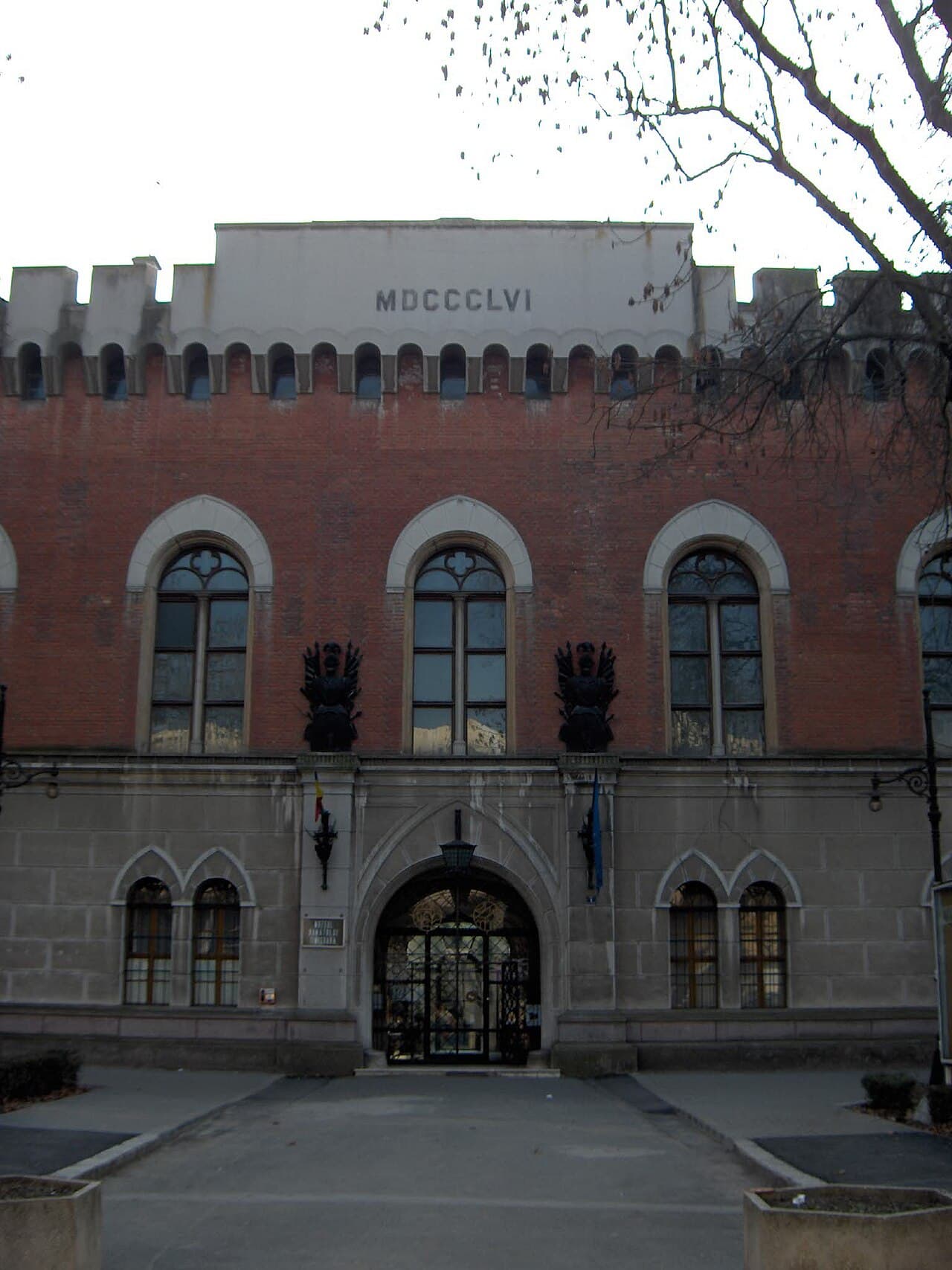
Huniade Castle exhibits characteristics typical of late medieval Gothic architecture, including pointed arches, ribbed vaults, and robust defensive structures. Its layout features a central courtyard surrounded by thick stone walls and multiple towers, which were essential for both defense and residence. The castle's design reflects the military and residential needs of its time, combining functionality with elements of style introduced by its Italian architect.
Modifications during ottoman and habsburg periods
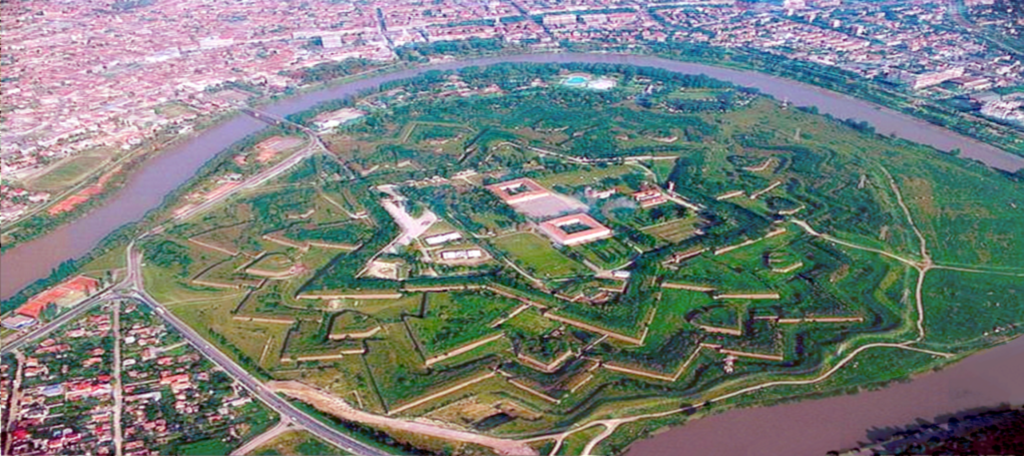
Following the Ottoman conquest of Timișoara in the 16th century, the castle underwent significant alterations under the direction of Turkish pashas in the 17th century. These changes included adaptations to accommodate Ottoman military architecture and administrative functions. Later, in the early 18th century, after the Habsburgs recaptured the city, Prince Eugene of Savoy initiated further reconstruction efforts. These modifications integrated Baroque elements and enhanced the castle's fortifications to align with contemporary military technology.
19th-century restoration and modern use
The castle's current appearance largely results from an extensive restoration campaign carried out in the 1850s. This reconstruction aimed to preserve the castle's historical character while adapting it for modern use. Today, Huniade Castle serves as the home of the National Museum of Banat, housing its History, Archaeology, and Natural Sciences sections. The museum's collections provide insight into the region's rich cultural heritage and the castle's role within it.
Cultural significance and tourism
Huniade Castle is a major cultural attraction in Timișoara, drawing visitors interested in medieval architecture, regional history, and museum exhibitions. Its preservation allows for the study and appreciation of the Banat region's layered past, from medieval times through Ottoman and Habsburg rule to the present day. The castle's location in the city center makes it accessible for tourists and locals alike, contributing to Timișoara's cultural landscape.
Architectural details and defensive elements
The castle's defensive features include thick curtain walls, battlements, and a moat that once surrounded the structure, enhancing its security. Towers positioned at strategic points provided vantage points for surveillance and defense against attackers. The main gate, fortified and designed to withstand assaults, remains a prominent feature. Inside, the castle contains various chambers and halls that served administrative and residential purposes, reflecting its dual role as a fortress and noble residence.
Historical figures associated with the castle
John Hunyadi, the castle's most notable builder, was a key figure in Hungarian history, known for his campaigns against the Ottoman Empire. His influence is evident in the castle's robust military design. Later figures such as Prince Eugene of Savoy also left their mark through reconstruction efforts that adapted the castle to evolving military needs.
Preservation and current condition
Today, Huniade Castle is well preserved and maintained as a historic monument. Its role as a museum ensures ongoing conservation and public engagement. Restoration efforts have balanced maintaining original medieval features with necessary repairs and adaptations for safety and accessibility.
Frequently asked questions (FAQ)
- What is the historical significance of Huniade Castle?
- Huniade Castle, also known as Hunedoara Castle, is one of the most important Gothic-style castles in Romania. It dates back to the 14th century and is associated with John Hunyadi, a national hero who played a crucial role in the defense against Ottoman invasions.
- When was Huniade Castle built?
- Construction of Huniade Castle began in 1440 and was completed in the following decades. The castle has undergone several renovations over the centuries, preserving its historical and architectural heritage.
- Can I visit Huniade Castle year-round?
- Yes, Huniade Castle is open to visitors throughout the year, although opening hours may vary by season. It is advisable to check the official website for the most current visiting hours and any special events.
- What are the ticket prices for Huniade Castle?
- Ticket prices for Huniade Castle are generally affordable, with discounts available for students and seniors. It's best to check the official website or local tourism information for the latest pricing details.
- Is Huniade Castle accessible for visitors with mobility challenges?
- Huniade Castle has some accessibility features, but due to its historical architecture, certain areas may be challenging for visitors with mobility issues. It's recommended to contact the castle administration in advance to discuss specific needs and available accommodations.
- When is the best time to visit Huniade Castle?
- The best time to visit Huniade Castle is during the spring and early autumn when the weather is mild, and the surrounding scenery is particularly beautiful. Additionally, these seasons tend to have fewer tourists compared to the summer months.
- What nearby attractions can I visit after Huniade Castle?
- After exploring Huniade Castle, visitors can enjoy nearby attractions such as the Timișoara Orthodox Cathedral and the Union Square. The city offers a rich blend of cultural, historical, and natural sights that are easily accessible.
- What is the architectural style of Huniade Castle?
- Huniade Castle is primarily built in the Gothic architectural style, featuring elements of Renaissance and Baroque influences as well. Its impressive towers, intricate stone carvings, and defensive structures make it a remarkable example of medieval architecture.
- How do I get to Huniade Castle from Timișoara city center?
- Huniade Castle is conveniently located just a short walk from Timișoara's city center. Visitors can reach the castle easily by public transport, taxi, or on foot, allowing for a delightful exploration of the surrounding area.
Photo gallery

Information
Loading map...
Visitor reviews
No reviews yet. Been here? Write the first review and help other travelers!
Write the first reviewVisited this castle? Share your experience
Your review helps other travelers and adds first-hand knowledge to our encyclopedia.