Hornachos Castle

Hornachos Castle: medieval fortress in Extremadura, Spain
Hornachos, Extremadura, Spain
High Medieval (11th–13th c.)
Archaeological Site

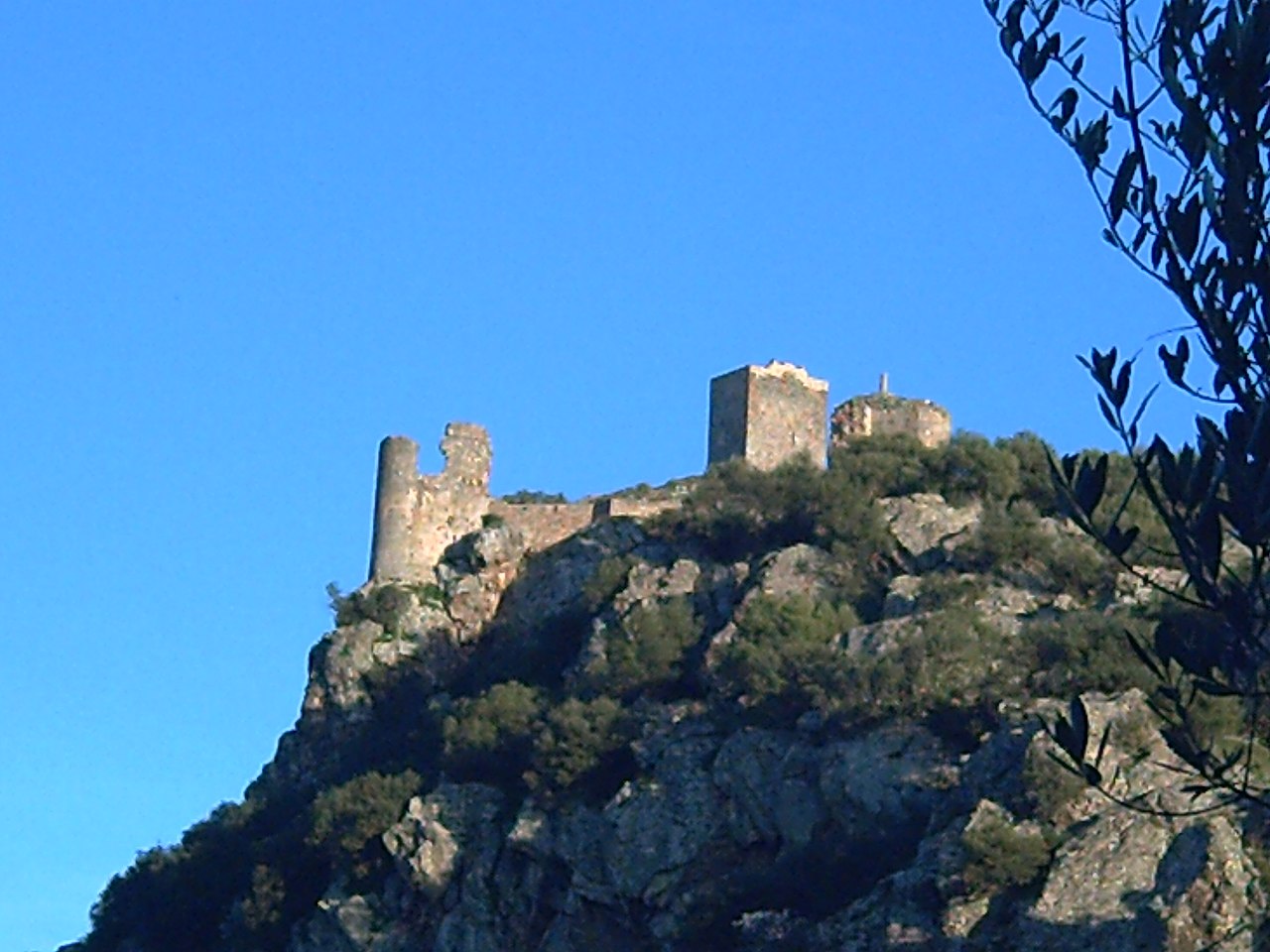
Hornachos Castle stands as a prominent historic fortress located on a hilltop overlooking the town of Hornachos in the Extremadura region of Spain. Its origins trace back to the Al-Andalus period, when it was constructed by the Arabs in the 9th century. This strategic location provided commanding views over the surrounding landscape, making it a vital defensive stronghold during the early medieval era.

The castle's initial construction reflects typical Islamic military architecture of the time, characterized by robust stone walls and a compact design adapted to the rocky hilltop terrain. Although much of the original structure has been lost to time, the site still reveals remnants of its fortified walls and defensive towers, which once served to protect the settlement below.

Historical significance and ownership transitions

In the 11th century, the castle continued to play a significant role in the region amidst the shifting powers of the Reconquista. By 1234, the fortress was granted by King Ferdinand III of Castile to the Order of Santiago, a military-religious order instrumental in the Christian reconquest of Iberian territories. This transfer marked a new chapter in the castle's history, as it became a key defensive and administrative center under Christian rule.

During this period, modifications were likely made to adapt the fortress to the needs of the Order, possibly including the reinforcement of walls and the addition of Christian architectural elements. However, over subsequent centuries, the castle gradually lost its military importance as the frontier shifted and new political realities emerged.

Architectural features and current state

Hornachos Castle is classified as a hill castle due to its elevated position atop a prominent hill. The original layout included thick defensive walls, battlements, and towers designed to provide overlapping fields of fire against attackers. The rugged terrain influenced the irregular shape of the fortress, which was integrated into the natural rock formations.

Today, only a few traces of the castle remain visible. These include sections of the perimeter walls and some foundational ruins that hint at the scale and complexity of the original structure. The castle's condition is best described as archaeological ruins, with ongoing efforts by local authorities and heritage organizations to preserve what remains and to interpret its historical significance for visitors.

Context within the region of Extremadura

The castle's location in Extremadura places it within a landscape rich in medieval history, where numerous fortifications were established during the Christian reconquest of Muslim-held territories. Hornachos itself was an important settlement during the Middle Ages, and the castle served as a focal point for local defense and governance.

Its proximity to other historic sites and towns in Extremadura makes Hornachos Castle a point of interest for those exploring the region's medieval heritage. Although the ruins are modest compared to more extensively preserved castles, they provide valuable insight into the military architecture and historical dynamics of the period.

Visiting Hornachos Castle

The site is accessible to visitors interested in medieval history and archaeology. While there are no extensive visitor facilities, the castle ruins offer a tangible connection to the area's past. The hilltop location also provides scenic views of the surrounding countryside, enhancing the experience for tourists and history enthusiasts alike.

Visitors are encouraged to explore the nearby town of Hornachos, which retains elements of its historical character and offers cultural attractions related to its diverse heritage. The castle remains a symbol of the town's medieval roots and its role in the broader history of Extremadura.

Frequently asked questions (FAQ)

How do I get to Hornachos Castle?
Hornachos Castle is located in Hornachos, Spain, and can be accessed by car or public transport. If driving, take the A-66 and follow the signs to Hornachos. Once in the town, the castle is a short walk from the center.
What is the historical significance of Hornachos Castle?
Hornachos Castle dates back to the 13th century and played a crucial role during the Reconquista, serving as a defensive stronghold. The castle reflects the architectural styles of its time, showcasing the region's rich history and cultural heritage. It is an important landmark for understanding the medieval history of Spain.
When was Hornachos Castle built?
Hornachos Castle was constructed in the late 13th century, specifically around the year 1260. It was built during the period of Christian reconquest and has since undergone several renovations. The castle's enduring presence makes it a significant historical monument.
Can I visit Hornachos Castle any time of the year?
Yes, Hornachos Castle is open to visitors throughout the year, although the best time to visit is during the spring and fall when the weather is mild. It's recommended to check local schedules as there may be special events or closures during certain holidays. Always verify opening times before planning your visit.
Why is Hornachos Castle considered an architectural gem?
Hornachos Castle is considered an architectural gem due to its well-preserved structures and unique design that reflect both Islamic and Christian influences. The castle features impressive defensive walls, towers, and a commanding view of the surrounding landscape, showcasing the strategic importance of its location. Its blend of styles makes it an interesting subject for architecture enthusiasts.
Is it possible to enter the castle and explore its grounds?
Yes, visitors can enter Hornachos Castle and explore its grounds, including the towers and walls. There are typically designated pathways that allow for safe exploration while providing educational information about the castle's history. Guided tours may also be available for a more in-depth experience.
What are the ticket prices for Hornachos Castle?
Admission to Hornachos Castle is generally free, making it an accessible attraction for all visitors. However, there may be fees for guided tours or special events. It's advisable to check ahead for any changes in pricing or special promotions.
What are the opening hours for Hornachos Castle?
Hornachos Castle is usually open from 10 AM to 6 PM, but hours may vary seasonally. It's best to confirm the current hours of operation before your visit, as they can change based on local events or festivals. Always check for any specific days when the castle may be closed.
Are there any nearby attractions to visit while in Hornachos?
Yes, there are several nearby attractions worth exploring, including the charming town of Hornachos itself, with its picturesque streets and local eateries. Additionally, visitors can enjoy the beautiful natural landscapes surrounding the area, perfect for hiking and photography. Don't miss the opportunity to experience the local culture and history during your visit.

Information

Hill Castle

Loading map...

Visitor reviews

No reviews yet. Been here? Write the first review and help other travelers!

Write the first review

Visited this castle? Share your experience

Your review helps other travelers and adds first-hand knowledge to our encyclopedia.

Write a review

(5/5)

0/2000 characters

Your review will be visible after admin approval

Nearby castles

29.1 km

Villagarcía de la Torre Castle

Villagarcía de la Torre, Spain

Villagarcía de la Torre Castle is a significant late medieval hill castle situated in the municipality of Villagarcía de la Torre, Spain. Constructed in the 15th century atop the site of an earlier tower, the castle reflects centuries of strategic importance and architectural evolution. Though largely ruined today, the surviving keep and sections of the outer walls provide valuable insight into the military and residential functions of such fortifications during the late medieval period. Historical background and origins The castle's location has a rich history extending back to pre-Roman times, in a region once inhabited by the Celtic Beturia to the west and the Túrdula Beturia to the east, as described by the ancient geographer Strabo in the 1st century BCE. These early inhabitants were noted for their cultural development and metallurgical skills, laying a foundation for the area's long-term strategic value. During the Arab period, the settlement was part of the Taifa kingdoms of Seville and Badajoz. In the mid-13th century, the territory was conquered by Don Rodrigo Íñiguez, the 15th Master of the military-religious Order of Santiago. By 1367, ownership was shared between the Order and García Fernández de Villagarcía, Commander of León, who repopulated the area with Christian settlers and gave the settlement its name, evolving into "Vila-García de la Torre" in reference to a prominent tower constructed by earlier occupants. The castle's fortification was officially authorized in 1382 by royal decree, and in 1386 King Enrique II granted García Fernández autonomous lordship over the area, consolidating its defensive and administrative status. The early 15th century saw the castle pass through noble ownership, including Teresa de Guzmán and her husband Luis Cristóbal Ponce de León, under whose direction the current castle was constructed, likely on the foundations of the earlier fortress. Architectural features and layout Perched atop a plateau, the castle was designed with two main enclosures. The outer enclosure served as a retaining wall and defensive barrier, supporting the elevated terrace and protecting the inner fortress. The inner enclosure measures approximately 29.7 meters by 21.8 meters, with imposing walls about 2.75 meters thick, demonstrating the emphasis on fortification. The castle's layout is an irregular quadrangle, with square towers at the corners and distinctive rounded towers or cubos along the walls. These towers have a unique pear-shaped cross-section formed by curved recesses, a design that eliminated blind spots and enhanced defensive coverage. The central keep, known as the Torre del Homenaje, projects outward prominently and served as the final defensive stronghold and symbol of lordship. The keep still bears the heraldic shield of Luis Ponce de León, son of Duke Rodrigo Ponce de León, linking the castle to its noble patrons. Near the northern wall's midpoint, a semicircular tower adds complexity to the defensive scheme. Inside the walls, putlog holes indicate the presence of three interior floors supported by wooden beams, while remnants of staircases reveal access routes to the adarves or battlements for surveillance and defense. Historical events and decline The castle remained in good condition until the Peninsular War (1807-1814), when it was requisitioned by French forces and used as a military hospital. Subsequent conflict during the Carlist Wars in the mid-19th century led to near-total destruction on the orders of General Morillo, marking the end of the castle's military function and leaving it in ruins. Today, only the keep and scattered vestiges such as some square towers and parts of the outer walls survive, providing a tangible connection to the castle's layered history and architectural evolution. Cultural significance and preservation Villagarcía de la Torre Castle stands as a testament to the region's complex history, from ancient Celtic and Iberian roots through Islamic rule and Christian reconquest to modern conflicts. Its architectural features illustrate the adaptation of medieval military design to the local landscape and political context. Preservation efforts focus on maintaining the remaining structures, particularly the keep and defensive walls, which offer valuable insight into late medieval fortification techniques and noble residence. The castle is an important cultural landmark within the province of Badajoz, contributing to the understanding of medieval Spanish military architecture. Visitor information and accessibility While the castle is largely in ruins, visitors can explore the surviving structures and appreciate the strategic location atop the plateau. The site offers a glimpse into the defensive strategies of the Order of Santiago and the noble families who shaped the region's history. Access is generally available to the public, though facilities and detailed visitor services may be limited due to the castle's condition. Visitors interested in medieval history and architecture will find the site a compelling destination for study and exploration.

Late Medieval (14th–15th c.)
Details
30.7 km
Alange Castle — Spain castle

Alange Castle

Alange, Spain

Alange Castle stands as a remarkable example of a hill castle with a rich history spanning from Roman times through the Islamic period and the Christian Reconquista. Located on the Cerro de la Culebra, a rocky hill approximately 485 meters above sea level in the municipality of Alange, Spain, the castle commands a strategic vantage point overlooking the confluence of the Matachel and Guadiana rivers, the surrounding plains, and the village below. Its position allowed control over the ancient Silver Way, a crucial trade route, underscoring the fortress's military and economic significance throughout its history. Roman origins and early strategic importance The site originally hosted a Roman fortress known as Castrum Colubri, established to exert dominance over the region during the Roman occupation of Hispania. Constructed on a rocky outcrop composed of quartzite or granite, the fortress utilized the natural elevation to provide a defensive advantage and surveillance over the territory. This early phase laid the foundation for the site's enduring military role. Islamic reconstruction and architectural features In the mid-9th century, around 850 AD, the castle was rebuilt by the Arabs under the leadership of Hixn al-Hanash during the Islamic conquest of the Iberian Peninsula. This reconstruction introduced the toponym Alange, derived from the Arabic al-Hanash or al-Hanx, later evolving into al-Anj. The fortress served as a defensive stronghold within the frontier regions of Al-Andalus, controlling access to the Silver Way and protecting the surrounding lands. The castle's architecture from this period is characterized by robust brick walls and numerous windows with distinctive horseshoe-shaped arches, a hallmark of Islamic design. The presence of wells dating from the Islamic period within the complex highlights the self-sufficiency of the fortress during sieges. The layout reflects the typical Muslim military architecture adapted to the rocky terrain. Defensive structures and layout The fortress included multiple towers, with the central keep or tower of homage serving as the last refuge in case of attack. The walls incorporated both brick and stone masonry, demonstrating the blend of construction techniques. The Puerta del Sol (Gate of the Sun), an arched entrance, remains one of the best-preserved access points and exemplifies the fusion of Islamic and later Christian architectural influences. Christian conquest and modifications Between 1243 and 1245, during the Reconquista, the castle was captured by Christian forces under the reign of King Fernando III of Castile. The Order of Santiago, a military and religious order, took control of the fortress, establishing the Encomienda of Alange as a territorial and administrative jurisdiction. The castle then functioned as both a military stronghold and an administrative center. Christian modifications to the castle included strengthening the existing walls and adapting the fortress to new military technologies and needs. Despite these changes, the castle retained much of its Islamic architectural character, resulting in a layered historical narrative visible in the masonry and structural elements. Military significance and historical events Throughout its history, Alange Castle was a witness to numerous battles and sieges between Moors and Christians, reflecting the turbulent dynamics of the Iberian Peninsula during the Middle Ages. Its strategic location allowed control over the Silver Way and the surrounding fertile plains, making it a coveted military asset. The castle oversaw key geographical points including the village of Alange, the meeting of the Matachel and Guadiana rivers, and the broader comarca. Its inaccessibility due to the steep hilltop location made it a formidable defensive position. Decline and preservation The fortress was abandoned around 1550, as military and political priorities shifted and newer fortifications were developed elsewhere. Today, the castle remains are partly preserved, with three towers and the central keep still standing. These structures showcase the strong brick walls and the horseshoe-shaped windows characteristic of its Islamic origins. Sections of the defensive walls survive, combining brick and stone masonry and illustrating the complex history of construction phases from Roman foundations through Islamic reconstruction to Christian adaptations. The Puerta del Sol remains a notable architectural feature accessible to visitors. On April 22, 1949, Alange Castle was declared a Spanish historical monument, recognizing its cultural and historical importance. The site is a valuable heritage asset that offers insights into the layered history of military architecture and the cultural interplay between Roman, Islamic, and Christian civilizations in Spain. Architectural highlights and visitor experience Visitors to Alange Castle can explore the ruins perched atop the Cerro de la Culebra, enjoying panoramic views of the surrounding landscape, including the nearby city of Mérida and other regional castles such as Hornachos and Montemolín. The castle's layout reveals its complex history through its surviving structures and masonry. The central keep stands as a testament to the fortress's defensive capabilities, while the Puerta del Sol offers a glimpse into the architectural synthesis of different periods. The presence of wells and other features from the Islamic period enrich the narrative of the castle's self-sustaining design during times of conflict. Alange Castle remains a significant monument for understanding the military, cultural, and architectural evolution in southwestern Spain from antiquity through the medieval period.

Early Medieval (5th–10th c.)
Details
34.2 km
Castle of Zafra (Badajoz) — Spain castle

Castle of Zafra (Badajoz)

, Spain

The Castle of Zafra, also known as the Palace of the Dukes of Feria (Palacio de los Duques de Feria), is a significant example of Gothic military architecture located in the province of Badajoz, Spain. Constructed between 1437 and 1443, this hill castle was built during the late medieval period and served as both a fortress and a noble residence. Its strategic location atop a hill provided commanding views of the surrounding landscape, which was essential for defense and control during the turbulent times of the 15th century. Historical context and significance The castle was commissioned by the powerful Fernández de Córdoba family, who held the title of Dukes of Feria. This noble lineage played a crucial role in the history of the Kingdom of Castile and later Spain. The castle not only functioned as a military stronghold but also as a symbol of the family's prestige and influence in the region. During the Second Spanish Republic, on June 3, 1931, the Castle of Zafra was declared a historical-artistic monument and placed under protection of the National Treasury. This designation recognized its cultural and architectural importance, ensuring its preservation for future generations. Architectural features and design The Gothic style of the castle is evident in its robust stone construction, pointed arches, and fortified walls. The castle's layout is typical of hill castles, designed to maximize defense capabilities with thick walls, battlements, and towers strategically positioned to cover all approaches. The main structure includes a central keep or donjon, which served as the last line of defense and the living quarters for the lord. Surrounding the keep are curtain walls with crenellations and arrow slits, allowing defenders to repel attackers effectively. The castle also features a courtyard that would have been used for various domestic and military activities. The entrance is fortified with a gatehouse, possibly equipped with a portcullis and murder holes to protect against invaders. Materials and construction techniques The builders used locally sourced stone, which was carefully cut and fitted to create durable walls capable of withstanding sieges. The masonry work reflects the skilled craftsmanship of the period, combining functionality with aesthetic elements typical of Gothic military architecture. Role in regional history and legacy Throughout its history, the Castle of Zafra witnessed various military conflicts and political changes in the Iberian Peninsula. It played a defensive role during regional disputes and served as a residence for nobility, blending military and domestic functions. Its preservation and recognition as a historical monument highlight its importance as a cultural landmark in Extremadura, the autonomous community where Badajoz is located. The castle remains a testament to the architectural and feudal history of late medieval Spain. Visiting the castle of zafra Today, the castle is accessible to visitors interested in medieval architecture and Spanish history. While specific visiting hours and ticket prices may vary, the site offers a glimpse into 15th-century Gothic fortifications and noble life. Visitors can explore the well-preserved walls, towers, and courtyard, gaining insight into the defensive strategies and residential arrangements of the time. The castle's elevated position also provides scenic views of the surrounding countryside. Visitor information and tips Accessibility: The hilltop location means some walking on uneven terrain; comfortable footwear is recommended. Best time to visit: Spring and autumn offer pleasant weather and fewer crowds. Nearby attractions: The town of Zafra is known for its historic center and annual fairs, providing cultural context to the castle visit.

Late Medieval (14th–15th c.)
Details