Hever Castle
Hever Castle stands as a remarkable example of a 13th-century hill castle that evolved from a medieval fortress into a distinguished Tudor manor house. Located in the village of Hever, Kent, England, this historic castle is most famously known as the childhood home of Anne Boleyn, the second queen consort of King Henry VIII. The castle's rich history, architectural development, and well-preserved features make it a significant heritage site and popular tourist destination in the United Kingdom.
Medieval origins and early construction
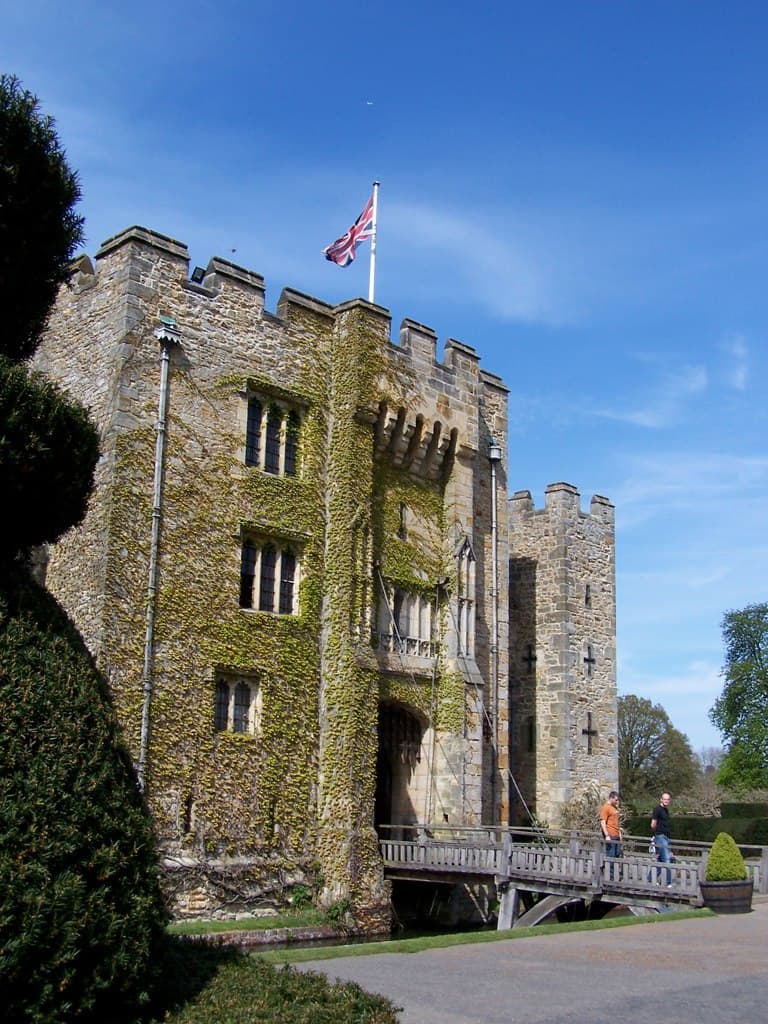
The origins of Hever Castle date back to the 13th century, when it was initially built as a fortified residence. The earliest surviving part of the castle is the stone gatehouse and the enclosing defensive bailey walls, constructed around 1270. This gatehouse is notable for retaining its original working portcullis, which is recognized as the oldest operational example in England. The castle's initial design reflected the typical features of a hill castle, strategically positioned for defense and control of the surrounding lands.
The boleyn family and tudor transformation
In the mid-15th century, the castle underwent significant changes under the ownership of Geoffrey Boleyn, a wealthy merchant and ancestor of the Boleyn family. In 1462, Geoffrey transformed the medieval fortress into a comfortable Tudor manor house, adding a residential wing within the existing stone walls. This marked a transition from a purely defensive stronghold to a stately family home designed for domestic life and social status.
The castle remained in the Boleyn family for several generations. Thomas Boleyn, Geoffrey's grandson, inherited the property in 1505. Thomas resided at Hever with his family, including his daughter Anne Boleyn, who spent her formative years there before leaving to continue her education abroad. The castle's interiors from this period reflect Tudor tastes, with rooms furnished with period antiques and containing personal items related to Anne Boleyn, such as her prayer books.
Ownership changes and decline
After the Boleyn family, Hever Castle was acquired by King Henry VIII and subsequently granted to his fourth wife, Anne of Cleves, following their annulled marriage in 1540. Over the following centuries, the castle changed hands multiple times, passing through families such as the Waldegraves, Humfreys, and Meade-Waldos. During this period, the castle's fortunes waned, and it was often rented out to private tenants, reflecting its diminished status and gradual decline.
20th-century restoration and gardens
The castle experienced a major revival beginning in 1903 when William Waldorf Astor, an American millionaire, purchased the estate. Astor undertook extensive restoration work, adding the Tudor-style Astor Wing and developing elaborate gardens. Among the garden features is an Italianate garden with a fernery, rose and herb gardens, and topiary walks. Astor also introduced a yew hedge maze in 1904, which remains a popular attraction.
Further garden additions include a water maze opened in 1999, challenging visitors to navigate paths without stepping into water, and a children’s adventure playground featuring a maze-like tower. These interactive garden elements continue the estate’s tradition of combining historic charm with visitor engagement.
Architectural features and interiors
Hever Castle's layout centers on the gatehouse and the enclosed bailey courtyard, typical of medieval fortifications. The castle's three floors host collections of antique furnishings, Tudor-era paintings, and personal artifacts linked to the Boleyn family. The presence of a display featuring historical instruments of torture offers insight into the harsher aspects of medieval justice and security.
Noteworthy architectural elements include timber framing remnants, highlighting the transition from fortified homes to comfortable residences. Some doors still bear locks attributed to King Henry VIII, believed to have been used for his private security during visits.
Visitor experience and current use
Today, Hever Castle functions as a major tourist attraction, offering visitors a comprehensive experience of English history and architecture. The castle operates as a museum with extensive exhibits on the Tudor period and the Boleyn family. Its grounds feature 28 guest rooms available as bed and breakfast accommodations, alongside three restaurants located in the garden areas.
The castle's combination of well-preserved medieval structures, Tudor-era interiors, and beautifully maintained gardens provides a multifaceted insight into England's aristocratic past. Visitors can explore the historic buildings, stroll through the maze gardens, and enjoy cultural events hosted on the estate throughout the year.
Frequently asked questions (FAQ)
- When was Hever Castle originally built?
- Hever Castle was originally constructed in the 13th century, with the earliest surviving parts dating to around 1270.
- What is the significance of Hever Castle in Tudor history?
- Hever Castle was the childhood home of Anne Boleyn, the second wife of King Henry VIII, making it a key site in Tudor history.
- Can visitors explore the gardens at Hever Castle?
- Yes, visitors can explore extensive gardens including a historic yew hedge maze, an Italianate garden, and a water maze added in 1999.
- Is Hever Castle open to the public year-round?
- Hever Castle is generally open to visitors daily during the warmer months, but opening hours may vary seasonally, so checking ahead is recommended.
- Are there any accommodations available at Hever Castle?
- The castle offers 28 guest rooms functioning as bed and breakfast accommodations, providing a unique historic stay experience.
Photo gallery

Information
Website
Visit websiteSources & official resources
Verify the information above using these authoritative references.
Loading map...
Visitor reviews
No reviews yet. Been here? Write the first review and help other travelers!
Write the first reviewVisited this castle? Share your experience
Your review helps other travelers and adds first-hand knowledge to our encyclopedia.