Halmstad Castle
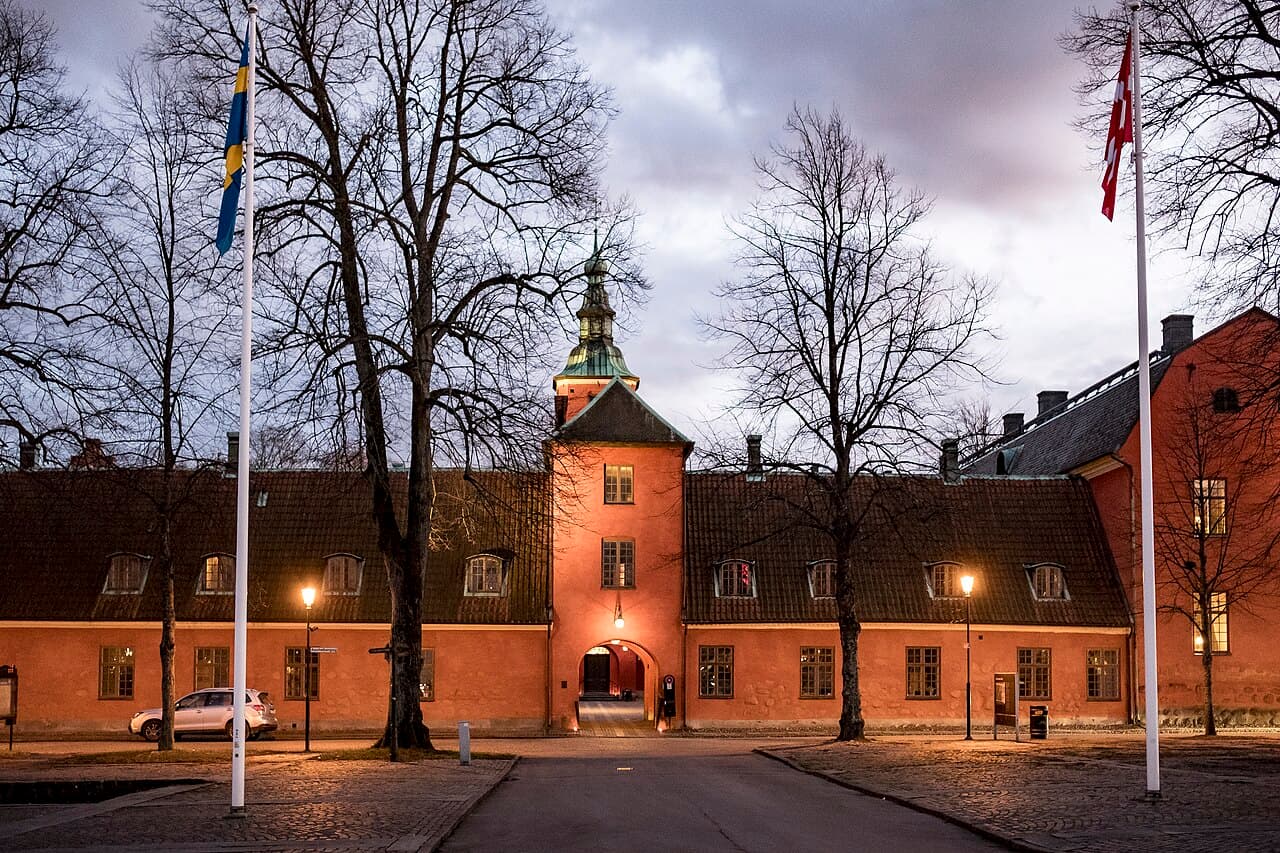
Halmstad Castle (Halmstads slott) is a prominent 17th-century Renaissance castle located in Halmstad, within the province of Halland, Sweden. The castle's origins date back to a period when Halland was under Danish control, reflecting the turbulent history and shifting sovereignties of the region during the early modern era.
The site originally hosted a farm, which was purchased in 1595 to serve as a residence for the Danish King Christian IV during his visits to Halmstad. Recognizing the strategic and administrative importance of the location, King Christian IV commissioned the construction of a castle on this site. The building project commenced in 1609 and was likely completed by 1615. The castle was designed and overseen by the Dutch architect and construction manager Willum Cornelissen, whose influence is evident in the castle's architectural style.
Architectural style and features
The architecture of Halmstad Castle is characteristic of the Christian IV Renaissance style, a distinctive form of Renaissance architecture associated with the Danish king's building projects. Unlike grand royal palaces, the castle's design is more akin to contemporary Danish country houses, emphasizing functionality and modest elegance over opulence.
The castle's structure includes a compact layout with fortified elements typical of the period. The original facade featured relatively large windows, but after Swedish control was established, these were reduced in size to enhance defensibility. The castle was reinforced with an inner fortress completed in 1658, reflecting its military significance during the era's conflicts.
Historical context and ownership changes
During the first half of the 17th century, Halland was a Danish province, and Halmstad Castle served as a royal residence and administrative center. The geopolitical landscape shifted with the Second Treaty of Brömsebro in 1645 and more decisively with the Treaty of Roskilde in 1658, when Halland was ceded to Sweden.
Following these treaties, the castle came under the authority of Bengt Christoffersson Lilliehook, the first Swedish governor of Halland. Under Swedish rule, the castle's role evolved to accommodate visiting Swedish monarchs and to serve as a fortified administrative residence. The Swedes undertook significant fortification efforts, including the completion of the inner fortress and modifications to the castle's windows to improve defense.
Restoration and modern use
From the late 18th century onward, Halmstad Castle has undergone several restoration campaigns to preserve its structure and adapt it for contemporary use. These efforts have maintained the castle's historical integrity while allowing it to function as a center of governance and culture.
Today, the castle is the traditional residence of the governor of Halland County, who maintains offices within its walls. Additionally, the local authority operates from the castle, integrating administrative functions with the historic setting.
In recent decades, the castle has expanded its cultural role. In 1999, the organization Music of Halland (Musik i Halland) established offices in the castle, promoting regional musical heritage. The following year, Halmstad Tourist Bureau (Halmstads Turistbyrå) also moved into the east wing, making the castle a hub for tourism and cultural activities in the city.
Location and significance
Halmstad Castle is situated in the heart of Halmstad, offering a glimpse into the region's Renaissance architecture and its complex history between Denmark and Sweden. The castle's blend of residential, military, and administrative functions exemplifies the multifunctional nature of early modern fortifications in Scandinavia.
Its preservation and continued use highlight the importance of maintaining historical structures as living parts of the community, bridging past and present through cultural engagement and governance.
Frequently asked questions (FAQ)
- How do I visit Halmstad Castle?
- Halmstad Castle is open to visitors during specific hours, typically offering guided tours that explore its history and architecture. Check the local tourism website or the castle's official page for current opening times and tour availability.
- What architectural style is Halmstad Castle built in?
- Halmstad Castle is built in the Christian IV Renaissance style, reflecting early 17th-century Danish architectural trends with a focus on functionality and modest elegance.
- When was Halmstad Castle constructed?
- Construction of Halmstad Castle began in 1609 and was likely completed by 1615 under the direction of architect Willum Cornelissen.
- Can I see the castle's interior and historical rooms?
- Visitors can explore parts of the castle's interior, including historical chambers and administrative offices. Some areas may be restricted due to ongoing use by local authorities, so guided tours are recommended for access.
- Why was the castle fortified by the Swedes?
- After Halland became part of Sweden in 1658, the Swedes reinforced Halmstad Castle to strengthen its defensive capabilities, including completing an inner fortress and reducing window sizes to improve security.
Photo gallery

Information
Loading map...
Visitor reviews
No reviews yet. Been here? Write the first review and help other travelers!
Write the first reviewVisited this castle? Share your experience
Your review helps other travelers and adds first-hand knowledge to our encyclopedia.