Vallen Castle

Vallen Castle in Våxtorp, Sweden
Våxtorp, Sweden
Modern (19th–20th c.)
Well Preserved

Vallen Castle is a historic estate located in Våxtorp, Sweden, with origins tracing back to the 14th century. The estate has witnessed numerous transformations over the centuries, reflecting the turbulent history of the region, particularly the conflicts between Denmark and Sweden. Initially owned in the 15th century by the brothers Åke and Povel Laxmand, the castle has been destroyed and rebuilt multiple times due to wars and fires.

Medieval origins and early ownership

The earliest records of the Vallen estate date from the 14th century, a period marked by feudal landholdings and the establishment of fortified manors in Sweden. During the 15th century, the estate was under the ownership of the Laxmand family, specifically brothers Åke and Povel Laxmand, who were notable figures in the region. This period was characterized by frequent military conflicts, especially the wars between Denmark and Sweden, which greatly affected the estate's structure and ownership.

Destruction and rebuilding through conflict

Vallen Castle endured several cycles of destruction and reconstruction, primarily due to its strategic location near the borderlands contested during the Dano-Swedish wars. The castle's fortifications and buildings were repeatedly damaged or destroyed in these conflicts. The repeated rebuilding efforts highlight the castle's importance as a defensive and residential site throughout the medieval and early modern periods.

The great fire of 1800 and reconstruction

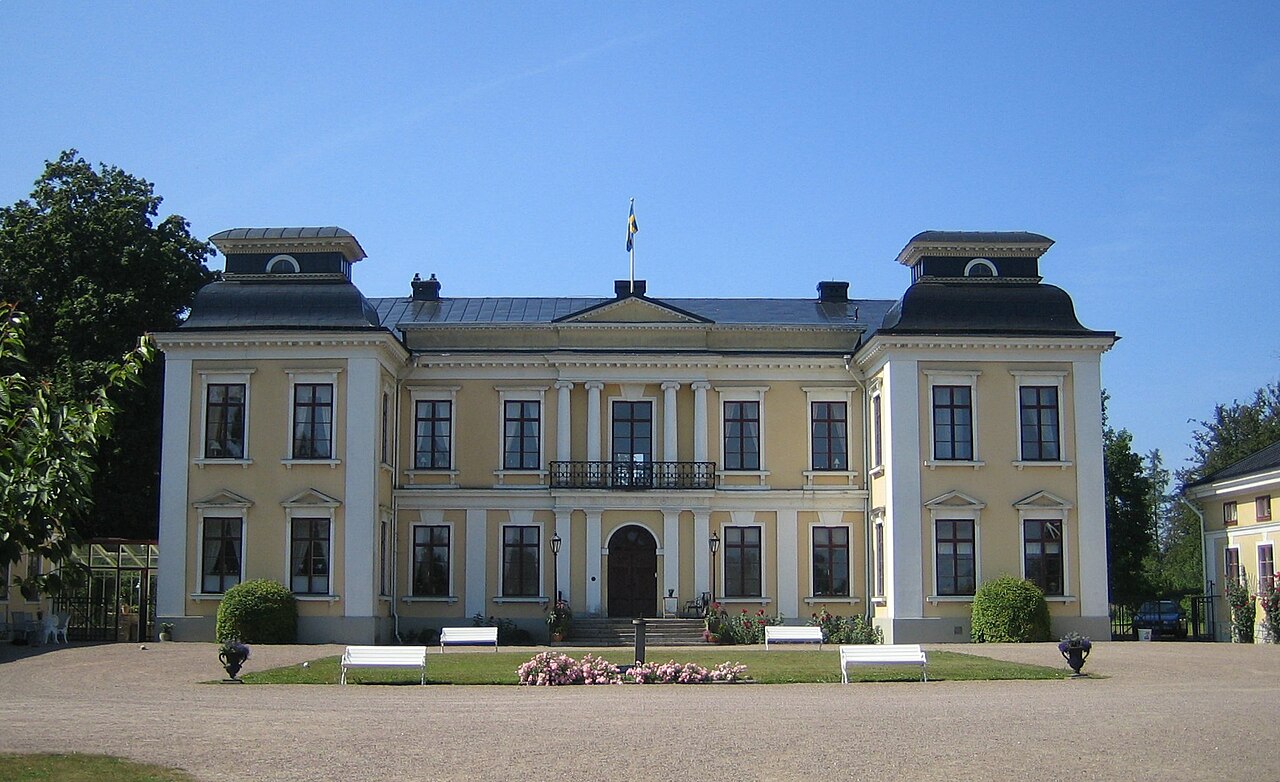
In 1800, a devastating fire destroyed the castle's main building. The following year, in 1801, the current main building was constructed by Otto Wilhelm Burenskiöld, a figure associated with the estate's restoration. This reconstruction marked a significant shift in the castle's architecture, moving away from medieval fortifications to a more modern style suitable for residential and estate purposes rather than military defense.

Architectural features and style

The present-day Vallen Castle reflects early 19th-century architecture with a focus on functionality and residential comfort. Although much of the medieval fortifications have not survived, the estate retains elements that hint at its past, including its layout and some structural remnants. The castle's architecture is representative of the modern period of construction, emphasizing symmetry and classical proportions typical of the era.

Current use and cultural significance

Today, Vallen Castle functions as a horse riding and conference center, blending its historical legacy with contemporary uses. The estate's expansive grounds are well-suited for equestrian activities, and the castle provides facilities for events and meetings. This adaptive reuse preserves the castle's heritage while integrating it into modern community and cultural life.

Location and surroundings

Situated in Våxtorp, within the region of Halland County, Vallen Castle is surrounded by the typical Swedish countryside, featuring forests and open fields. Its location has historically been strategic, contributing to its repeated involvement in regional conflicts. The natural landscape around the castle adds to its appeal as a destination for visitors interested in history, nature, and equestrian pursuits.

Frequently asked questions (FAQ)

How do I get to Vallen Castle?
Vallen Castle is located in Våxtorp, Sweden, and is accessible by car or public transportation. If you are driving, you can follow the main road E6, and there are parking facilities available near the castle. Public buses also run from nearby towns, making it easy to reach the site.
What is the historical significance of Vallen Castle?
Vallen Castle dates back to the 16th century and has played an important role in Swedish history, serving as a noble residence and military stronghold. It showcases the architectural styles of its time and reflects the changing political landscape of Sweden. The castle is a testament to the heritage of the region and attracts history enthusiasts from all over.
When was Vallen Castle last renovated?
Vallen Castle underwent significant renovations in the early 2000s to restore its historical features and improve visitor facilities. These renovations have helped preserve the castle's integrity while making it more accessible to the public. Ongoing maintenance ensures that the castle remains a beautiful place to visit.
Can I take a guided tour of Vallen Castle?
Yes, guided tours of Vallen Castle are available and highly recommended for a deeper understanding of its history and architecture. Tours are usually conducted by knowledgeable guides who share fascinating stories about the castle and its former inhabitants. Check the castle's website for tour schedules and availability.
Why is Vallen Castle a popular destination for visitors?
Vallen Castle is popular due to its rich history, stunning architecture, and picturesque surroundings. Visitors are drawn to its beautiful gardens and scenic views, making it an ideal spot for photography and leisurely strolls. Additionally, the castle hosts various events and exhibitions that attract tourists and locals alike.
Is it possible to host events at Vallen Castle?
Yes, Vallen Castle offers event spaces for private functions, including weddings, corporate gatherings, and cultural events. The picturesque setting and historical ambiance make it a unique venue that can accommodate various types of celebrations. Interested parties should contact the castle administration for more details on booking and available services.
What are the opening hours for Vallen Castle?
Vallen Castle is open to visitors from May to September, with varying hours depending on the day of the week. Typically, the castle opens at 10 AM and closes at 6 PM, but it is advisable to check the official website for current hours and any seasonal changes. Special events may also affect the opening schedule.
What are the ticket prices for visiting Vallen Castle?
Ticket prices for Vallen Castle vary depending on age and group size, with discounts available for children, students, and seniors. General admission typically includes access to the castle grounds and guided tours. It’s best to visit the castle's official website for the most up-to-date pricing and any special offers.
What nearby attractions can I explore after visiting Vallen Castle?
After visiting Vallen Castle, you can explore several nearby attractions, including beautiful nature trails and local museums that showcase Swedish culture. The nearby town of Våxtorp offers quaint shops and restaurants for a delightful dining experience. Additionally, the scenic countryside provides opportunities for hiking and outdoor activities.

Information

Lowland Castle

Sources & official resources

Verify the information above using these authoritative references.

Loading map...

Visitor reviews

No reviews yet. Been here? Write the first review and help other travelers!

Write the first review

Visited this castle? Share your experience

Your review helps other travelers and adds first-hand knowledge to our encyclopedia.
Write a review

(5/5)

0/2000 characters

Your review will be visible after admin approval

Nearby castles

9.1 km
Skottorp Castle — Sweden castle

Skottorp Castle

Laholm, Sweden

Skottorp Castle is a notable example of a Renaissance hill castle located in Skummeslöv parish, within the Laholm municipality in Halland, southern Sweden. Completed around 1670, it was designed by the prominent architect Nicodemus Tessin the Elder and built under the direction of Frans Joel Örnestedt. The castle's construction reflects the architectural ideals of the late 17th century, blending fortified residential design with the elegance of Renaissance aesthetics. Architectural design and layout The main building of Skottorp Castle comprises two floors and is flanked on both sides by independent wing buildings, creating a balanced and symmetrical layout typical of the period. This arrangement not only provided functional space for the castle’s inhabitants but also emphasized the grandeur and orderliness valued in Renaissance architecture. In front of the castle lies an English park, a landscaped garden that enhances the castle’s stately appearance and offers a serene environment. The proximity to the Hallandsåsen ridge situates the castle in a scenic natural setting, adding to its appeal. Historical significance and events Skottorp Castle holds important historical significance, notably as the venue where King Charles XI of Sweden married Ulrika Eleonora in 1680. This royal connection highlights the castle’s status and prominence in Swedish history during the late 17th century. Restoration and current use The castle’s current appearance largely dates from a restoration undertaken between 1816 and 1828. This restoration preserved many of the original Renaissance features while updating the structure to meet the needs of the 19th century. Today, Skottorp Castle functions as a hotel and a popular venue for weddings and conferences, combining its historical charm with modern hospitality. Preservation and cultural heritage Skottorp Castle has been recognized as a building monument since November 28, 1986, underscoring its cultural and architectural importance. Its well-preserved state allows visitors to appreciate the craftsmanship and design of the Renaissance era in Sweden. Visiting Skottorp Castle Visitors to Skottorp Castle can explore the historic interiors, enjoy the surrounding English park, and experience the castle’s blend of history and hospitality. Its location in Halland makes it accessible for those interested in exploring southern Sweden’s rich architectural heritage.

Renaissance (15th–17th c.)
Details
10.7 km

Lagaholm Castle Ruins

Laholm, Sweden

Lagaholm castle ruins are located where the old road to Halmstad crosses the Lagan River in Laholm, Sweden. This site holds significant historical importance as a medieval fortress that played a strategic role in the border conflicts between Sweden and Denmark during the High Medieval period. Originally constructed in the 13th century, Lagaholm castle was a key defensive stronghold that controlled river traffic and regional trade routes. Historical significance and strategic role Lagaholm castle was built to serve as a military and administrative center during a time when the border between Sweden and Denmark was frequently contested. Its position by the Lagan River allowed control over one of the main routes into the region, making it a vital fortification for monitoring movement and defending territory. Throughout the Middle Ages, the castle was involved in various conflicts and power struggles typical of the Scandinavian borderlands. Architecture and structure of the castle Although the castle now lies in ruins, historical records and archaeological excavations from the 1930s reveal that Lagaholm was likely constructed as a hill castle or fortified site adapted to the local terrain near the river crossing. Its defensive features would have included stone walls, a keep or donjon, and possibly a surrounding moat fed by the river. The castle's layout was designed to maximize defense and control over the surrounding landscape. Excavation and restoration efforts In the 1930s, the ruins of Lagaholm castle were excavated and partially restored to reveal its historical footprint. These efforts aimed to preserve the remains and provide insight into medieval fortification techniques used in southern Sweden. Today, the site is marked by visible ruins that outline the castle's former structure, offering visitors a glimpse into its past. Demolition and later use of the site Lagaholm castle was demolished in the 1600s by order of King Karl XI during a period of consolidation of royal power and military restructuring. The demolition reflects the changing nature of warfare and the reduced strategic importance of such medieval fortifications in the early modern era. Currently, the area where Lagaholm castle once stood is occupied by Sydkraft’s operating center, including a salmon farm and power station. Despite modern developments, the site retains its historical significance through Sydkraft's exhibition and slide show, which provide visitors with a detailed historical flashback to the castle's role in medieval times. Visiting Lagaholm castle ruins today Visitors to the Lagaholm castle ruins can explore the remnants of the medieval fortress and learn about its history through the onsite exhibition. The location offers a unique perspective on the medieval border conflicts between Sweden and Denmark and the evolution of fortification architecture in the region.

High Medieval (11th–13th c.)
Details
13 km

Rössjöholm Castle

Munka-Ljungby, Sweden

Rössjöholm Castle is a historic estate located in Munka-Ljungby, Sweden, with origins tracing back to the early 1500s. The castle's history begins with its first known owner, the Danish knight Olof Geed, around the year 1500. Over the centuries, the estate passed through the hands of several prominent families including the Leijonsköld, Silfverskiöld, and Sjöcrona families, each contributing to its evolving legacy.Early fortress and destructionThe first substantial fortification on the site was constructed in 1553. This original castle was a formidable structure, notable for having seven towers, a significant defensive feature for the period. Its design reflected the military architectural practices of the mid-16th century, aimed at withstanding sieges and attacks. However, this stronghold did not survive intact; it was destroyed by Swedish forces in 1676 during the conflicts of that era. Today, remnants of this early castle remain as ruins, offering insight into its former scale and importance.Reconstruction and the 18th-century manorFollowing the destruction of the original fortress, a new main building was erected in 1696. This structure marked a shift from purely defensive architecture to a more residential manor style, reflecting changing times and needs. Unfortunately, this 17th-century building was short-lived, as it was destroyed by fire in 1730. The current castle was subsequently built in 1731, embodying the post-Renaissance architectural style prevalent at the time. This manor house represents a significant transformation from the medieval fortress to a stately residence.Ownership and cultural significanceSince 1857, Rössjöholm Castle has been owned by the Rosenørn-Lehn family, who have maintained the estate through modern times. The castle is also notable for its association with the famous Swedish writer Frans G. Bengtsson, who was born and lived at Rössjöholm. His connection adds a layer of cultural heritage to the estate, linking it to Sweden's literary history.Architectural features and current statusThe present castle, dating from 1731, is an example of post-Renaissance architecture in Sweden. While detailed descriptions of its architectural elements are limited, the manor likely features characteristics typical of the period, such as symmetrical layouts, classical proportions, and restrained decorative elements. The site also includes the ruins of the earlier fortress, which remain visible and contribute to the historical narrative of the location.Today, Rössjöholm Castle stands as a well-preserved manor house with significant historical layers spanning from the 16th century to the modern era. Its combination of ruins and later architecture offers a unique glimpse into the evolution of Swedish noble estates over several centuries.

Post-Renaissance (17th–18th c.)
Details

