Halifax Citadel
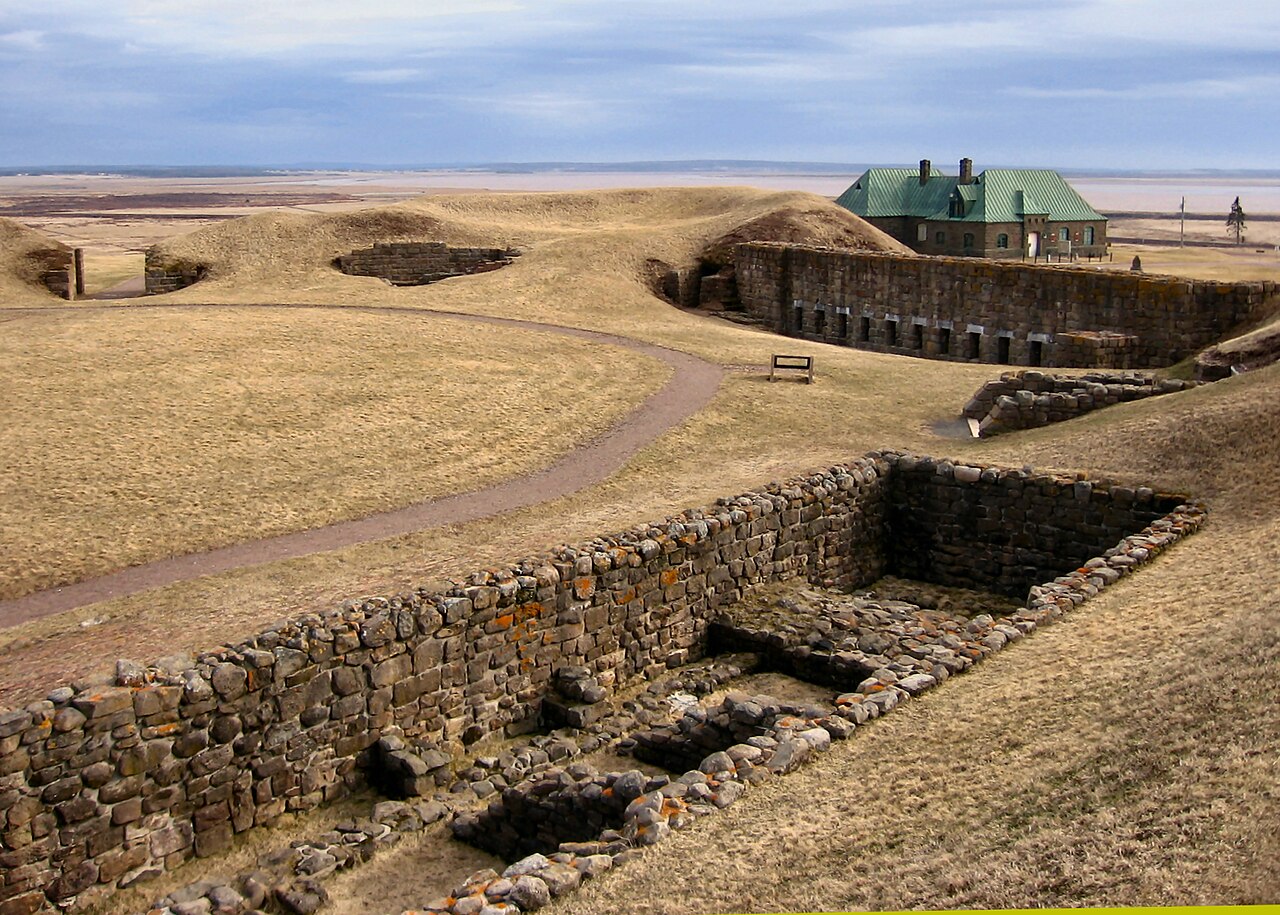
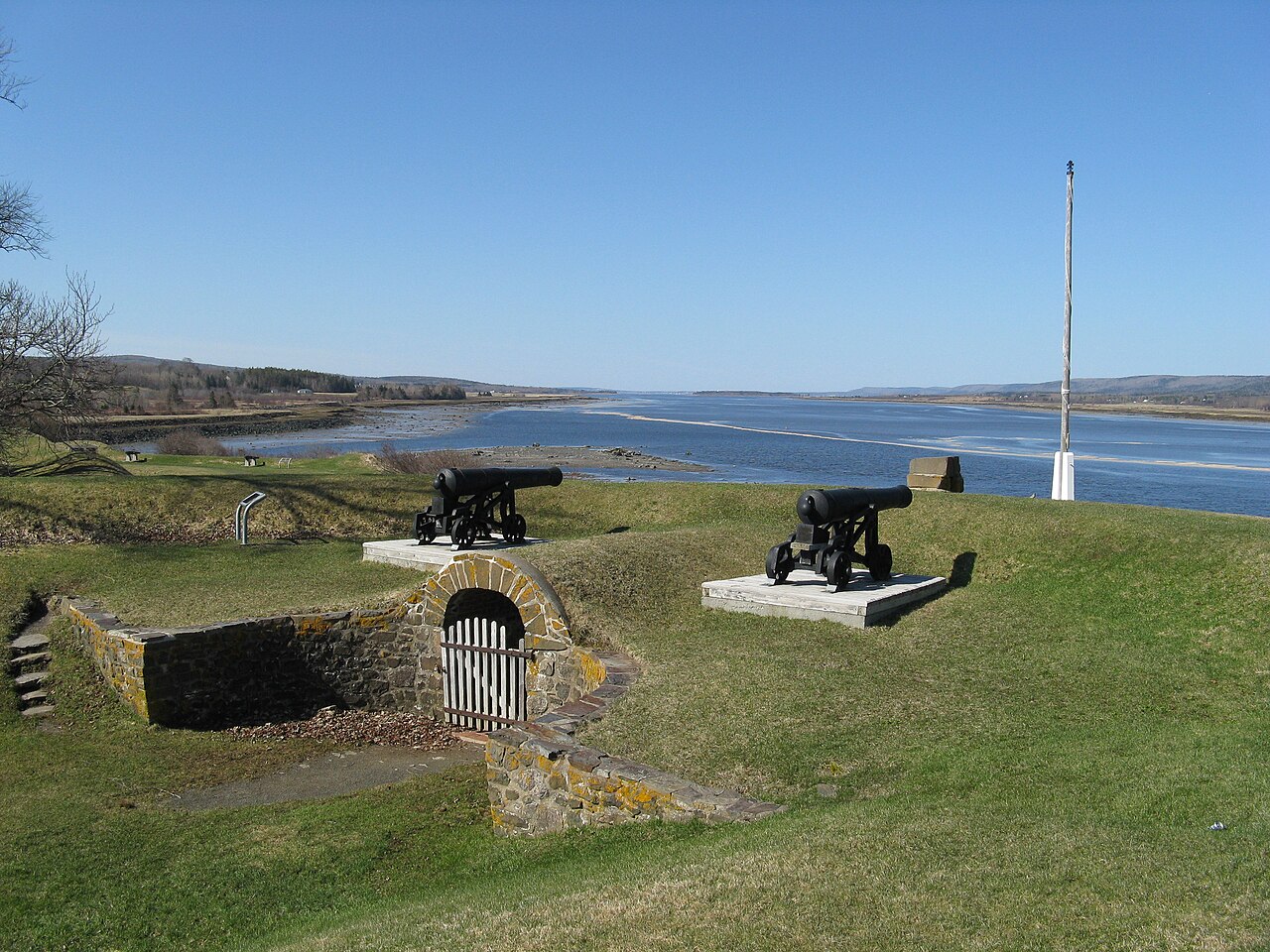
Halifax Citadel, located in Halifax, Nova Scotia, is a prominent bastioned fortress and a National Historic Site of Canada. This star fort sits atop Citadel Hill and has been a key military installation since the mid-18th century. The site has witnessed four successive fortifications since the founding of Halifax in 1749, reflecting evolving military engineering and strategic defense needs of the British Empire in North America.
Historical background and strategic importance
The origins of the Halifax Citadel date back to the establishment of the town of Halifax by Edward Cornwallis in 1749. The initial fortifications were constructed immediately to protect the new settlement and its vital harbor. Over the years, the site was rebuilt multiple times to adapt to changing military technologies and threats, particularly from French forces and later American privateers and rebels.
The first two forts on Citadel Hill were rudimentary and quickly replaced due to their limited defensive capabilities. The third fort, constructed between 1794 and 1800, was officially named Fort George in honor of King George III, as per the General Orders of October 20, 1798. Despite this, the name "Halifax Citadel" persisted in common usage, especially for the current fourth fortification.
Strategically, the Citadel was the keystone in the defense of Halifax Harbour and the adjacent Royal Navy Dockyard, which was one of the most important naval bases for the British Atlantic fleet. The fortifications served as a deterrent against naval attacks and land invasions, although the Citadel itself was never directly assaulted in battle.
Architectural evolution and design features
Fortification style and layout
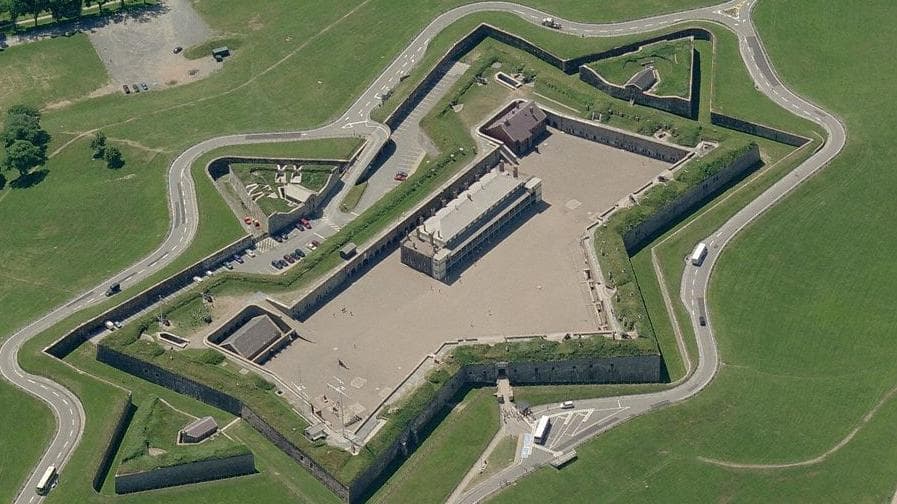
The current Halifax Citadel is a classic example of a bastioned fortress designed in the star fort style, a form of military architecture that became prevalent in the post-Renaissance period. This style emphasizes angular bastions projecting from the main walls, allowing defenders to cover all approaches with overlapping fields of fire, minimizing blind spots.
The fort's design incorporates thick stone walls, deep ditches, and earthen ramparts to absorb artillery fire. The star-shaped layout includes multiple bastions connected by curtain walls, creating a formidable defensive perimeter. The fort also features casemates and underground magazines for storing ammunition safely.
Construction and modifications
The current structure was built primarily of concrete and stone in the 19th century, replacing earlier wooden and earthworks fortifications. Extensive leveling of Citadel Hill lowered its summit by approximately ten to twelve meters to improve the fort's defensive profile and fields of fire. The construction techniques reflected advances in military engineering during the Victorian era, with a focus on resisting increasingly powerful artillery.
Throughout its history, the Citadel underwent several modifications to adapt to new military technologies, including the installation of rifled artillery and the modernization of barracks and support facilities. Despite these upgrades, the Citadel never saw combat, serving primarily as a garrison and command center.
Cultural significance and current status
Today, the Halifax Citadel National Historic Site is operated by Parks Canada, which has restored the fort to its Victorian-era appearance. Visitors can explore the bastions, ramparts, gates, and interior buildings that illustrate 19th-century military life. The site hosts reenactments, guided tours, and educational programs that highlight its historical importance.
The Citadel remains a symbol of Halifax's colonial past and its strategic role in the British Empire's defense network. Its preservation as a historic site allows visitors to understand the evolution of military architecture and the geopolitical tensions that shaped Atlantic Canada.
Visitor experience and practical information
The Halifax Citadel is open year-round with seasonal variations in hours. Visitors can tour the fortifications, watch the changing of the guard ceremony, and visit the museum exhibits detailing the site's history. The location offers panoramic views of Halifax and the harbor, enhancing its appeal as a cultural and historical attraction.
Accessibility features are in place to accommodate visitors with mobility challenges, although some areas may be difficult to access due to the fort's historic terrain and design.
Frequently asked questions (FAQ)
- When was Halifax Citadel originally built?
- The first fortifications on Citadel Hill were constructed in 1749, coinciding with the founding of Halifax by Edward Cornwallis.
- What architectural style characterizes Halifax Citadel?
- Halifax Citadel is designed as a bastioned fortress in the star fort style, typical of post-Renaissance military architecture.
- Is Halifax Citadel open to the public?
- Yes, the Citadel is operated by Parks Canada and is open year-round for tours, reenactments, and educational programs.
- Why was the Citadel never attacked?
- The Citadel's formidable defenses and strategic location deterred enemy attacks, so it was never directly assaulted in battle.
- What can visitors see at Halifax Citadel today?
- Visitors can explore restored Victorian-era fortifications, watch the changing of the guard, and visit museum exhibits about the site's history.
Photo gallery

Information
Current owner
Parks Canada
Loading map...
Visitor reviews
No reviews yet. Been here? Write the first review and help other travelers!
Write the first reviewVisited this castle? Share your experience
Your review helps other travelers and adds first-hand knowledge to our encyclopedia.