Fort Beauséjour
Fort Beauséjour, constructed between 1751 and 1752 by the French, is a prominent bastioned fortress located on the Isthmus of Chignecto, a narrow strip of land connecting the modern provinces of New Brunswick and Nova Scotia in eastern Canada. This fortification played a crucial role in the colonial conflicts between France and Britain during the mid-18th century, particularly in the struggle for control over the Acadian region, which encompassed the Maritime provinces, eastern Quebec, and parts of northern Maine.
Architectural design and strategic importance
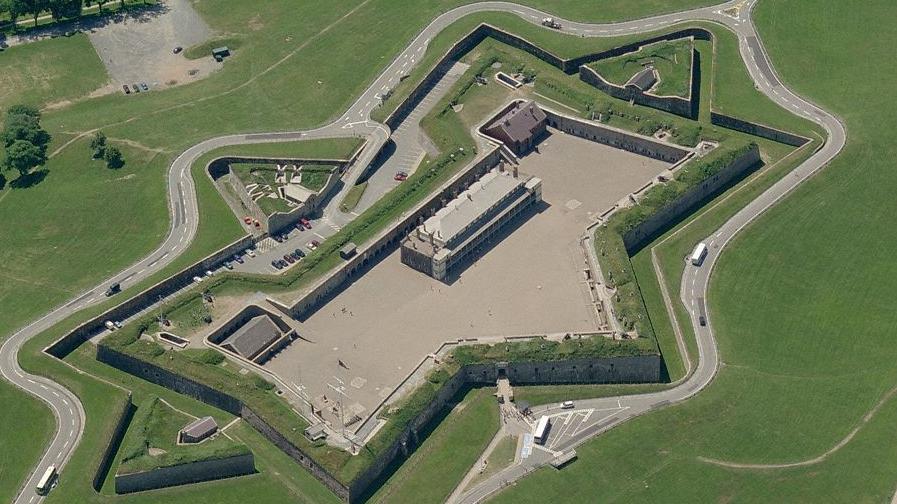
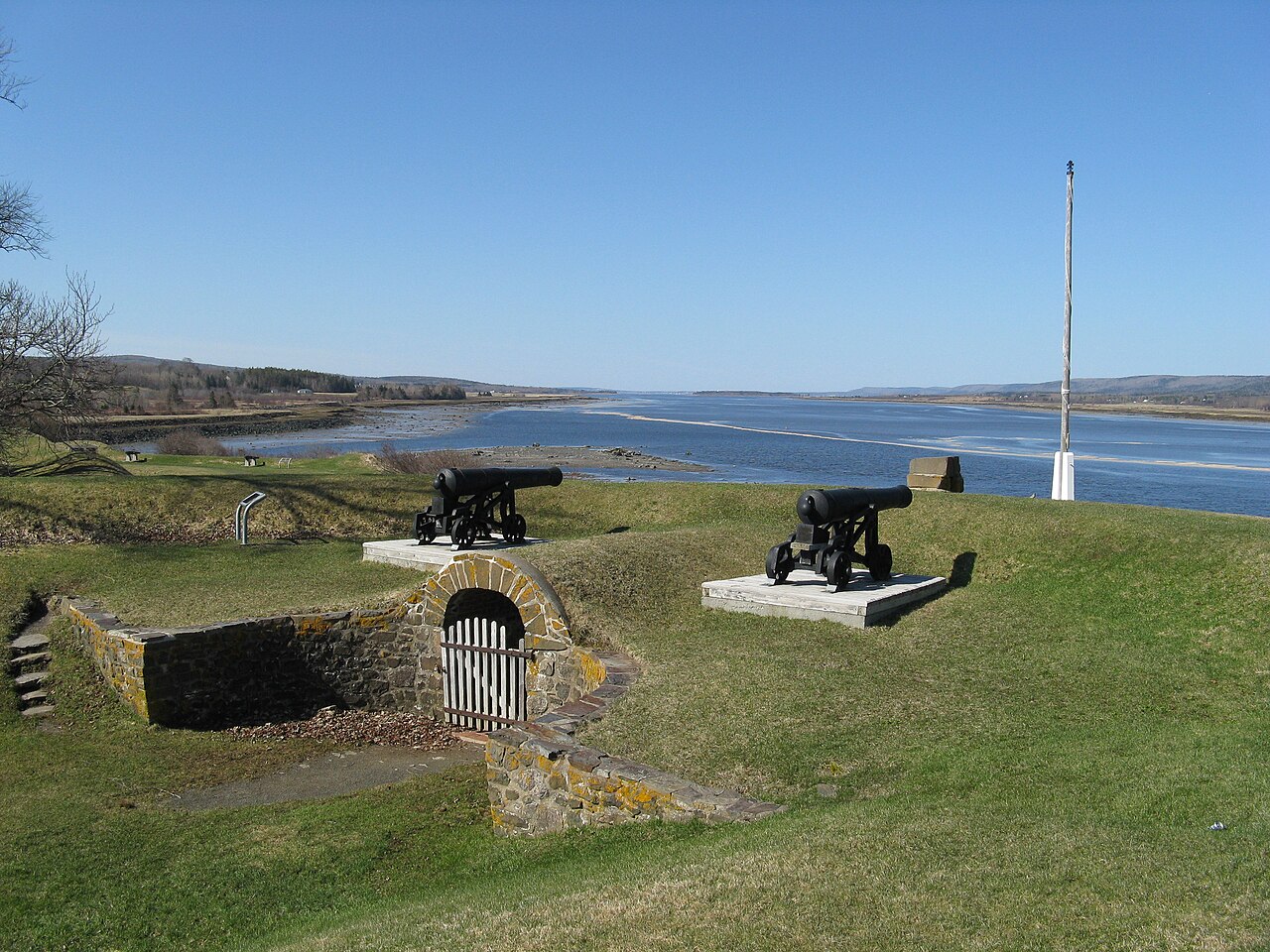
The fort's design reflects the post-Renaissance military engineering principles typical of the 18th century, featuring a five-bastioned layout that provided overlapping fields of fire to defend against attackers. This star-shaped configuration was intended to maximize defensive capabilities, allowing defenders to cover all approaches with cannon and musket fire. The fort's position on the Isthmus of Chignecto was strategically chosen to control land access between Nova Scotia and New Brunswick, making it a key military asset in the region.
The bastions, curtain walls, and surrounding ditches were constructed using earthworks reinforced with timber and stone, designed to withstand artillery bombardment. The fort included barracks, powder magazines, and storage facilities to support a garrisoned force. Its robust defensive features exemplify the evolution of bastioned fortifications during the colonial era, reflecting contemporary European military architecture adapted to North American conditions.
Historical context and military engagements
Fort Beauséjour was built during a period of intense rivalry between the French and British empires in North America, known as the French and Indian Wars (1749–1763). The fort was intended to secure French claims in Acadia and to serve as a base for operations against British forces. However, in 1755, during the early stages of the Seven Years' War, British forces launched an assault on the fort in the Battle of Fort Beauséjour. After a brief siege, the French garrison surrendered, and the British renamed the site Fort Cumberland.
The capture of the fort was a significant event that contributed to British dominance in the region and the eventual expulsion of the Acadian population. The fort's strategic value continued into the American Revolutionary period. In 1776, it was the scene of the Battle of Fort Cumberland, where British troops successfully repelled an attack by American sympathizers aiming to bring the revolution to Nova Scotia.
Role in the expulsion of the Acadians
Following its capture, Fort Cumberland became a staging ground for British operations during the Great Expulsion (Le Grand Dérangement) of the Acadians. The fort's control allowed British forces to monitor and restrict movement in the region, facilitating the forced removal of Acadian families from their lands. This tragic episode had lasting effects on the cultural and demographic landscape of the Maritime provinces.
Preservation and public access
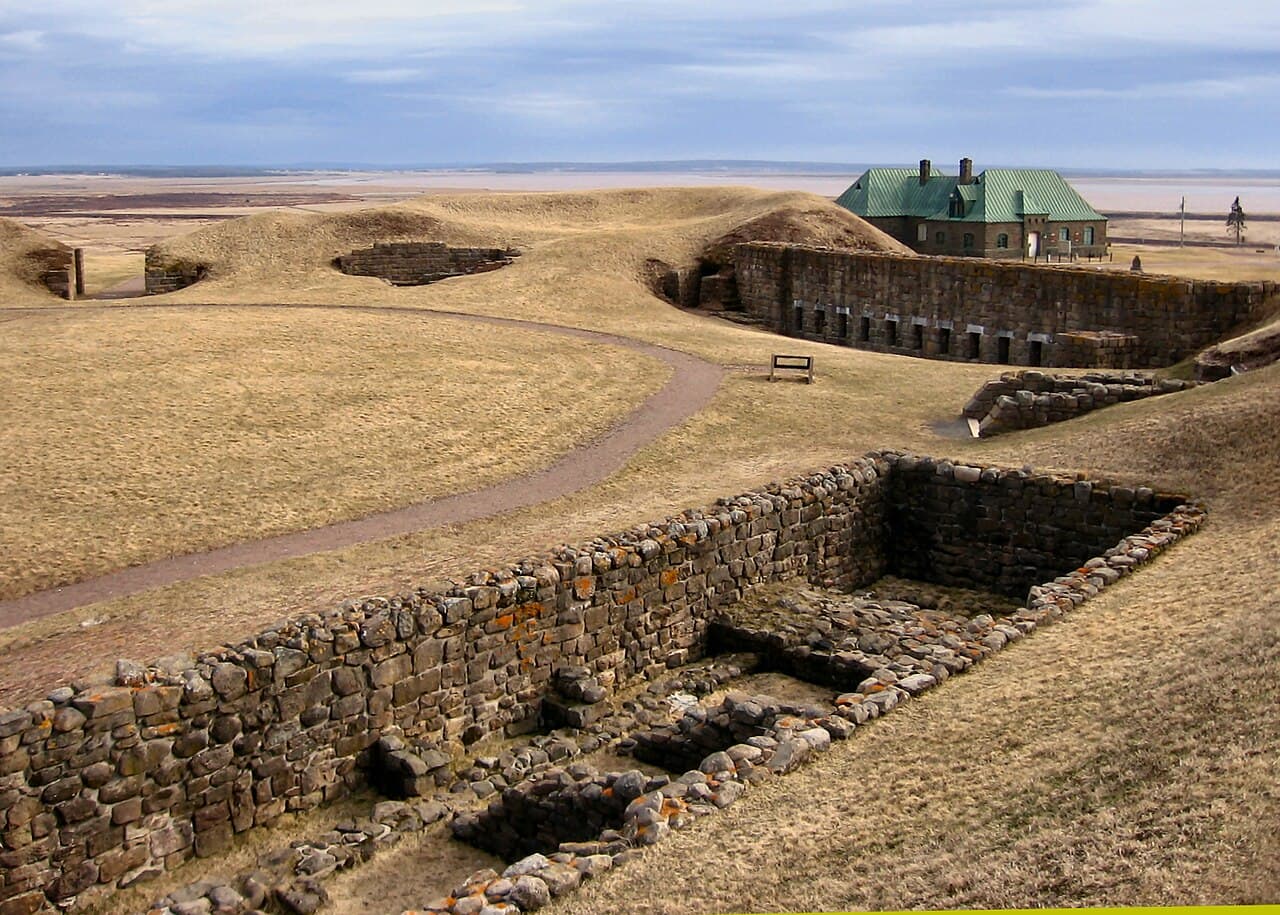
Since 1920, the site has been recognized as a National Historic Site of Canada, preserving the remains of both Fort Beauséjour and Fort Cumberland. Portions of the fort have been carefully restored to reflect their 18th-century appearance, including reconstructed bastions and defensive earthworks. The site includes a museum that offers exhibits on the fort's military history, the colonial conflicts, and the Acadian experience.
Visitor facilities provide educational programs and guided tours, attracting approximately 6,000 visitors annually. The fort's preservation allows for an immersive experience into the military architecture and colonial history of eastern Canada, highlighting its significance in the broader context of North American colonial struggles.
Architectural features visible today
Today, visitors can explore the star-shaped layout of the five bastions, the remnants of the curtain walls, and the defensive ditches that once protected the fort. Interpretive signage explains the construction techniques and historical events associated with the site. The museum's collection includes artifacts recovered from the fort and surrounding areas, providing tangible connections to the lives of soldiers and settlers during the 18th century.
Legacy and cultural significance
Fort Beauséjour stands as a testament to the intense colonial rivalry that shaped the history of eastern Canada. Its role in the military conflicts between France and Britain, as well as in the American Revolutionary War, marks it as a site of considerable historical importance. The fort's association with the Acadian expulsion adds a poignant dimension to its legacy, reflecting the human cost of imperial ambitions.
As a preserved historic site, Fort Beauséjour offers valuable insights into 18th-century bastioned fortress architecture, colonial military strategy, and the complex cultural heritage of the Maritime provinces. It remains a focal point for heritage tourism and education, contributing to the understanding of Canada's colonial past.
Frequently asked questions (FAQ)
- When was Fort Beauséjour built and by whom?
- Fort Beauséjour was built by the French between 1751 and 1752 as a strategic military fortress on the Isthmus of Chignecto.
- What is the significance of the fort's five-bastioned design?
- The five-bastioned layout provided overlapping fields of fire, enhancing defense by allowing coverage of all approaches against attackers.
- Why was Fort Beauséjour renamed Fort Cumberland?
- After the British captured the fort in 1755 during the Battle of Fort Beauséjour, they renamed it Fort Cumberland to signify their control.
- Can visitors explore the fort today?
- Yes, portions of Fort Beauséjour have been restored and include a museum with exhibits on its history. Visitors can tour the bastions and defensive earthworks.
- What role did the fort play in the expulsion of the Acadians?
- Fort Cumberland served as a base for British forces during the Great Expulsion, helping to monitor and enforce the removal of Acadian populations.
Photo gallery

Information
Current owner
National Historic Site of Canada
Loading map...
Visitor reviews
No reviews yet. Been here? Write the first review and help other travelers!
Write the first reviewVisited this castle? Share your experience
Your review helps other travelers and adds first-hand knowledge to our encyclopedia.