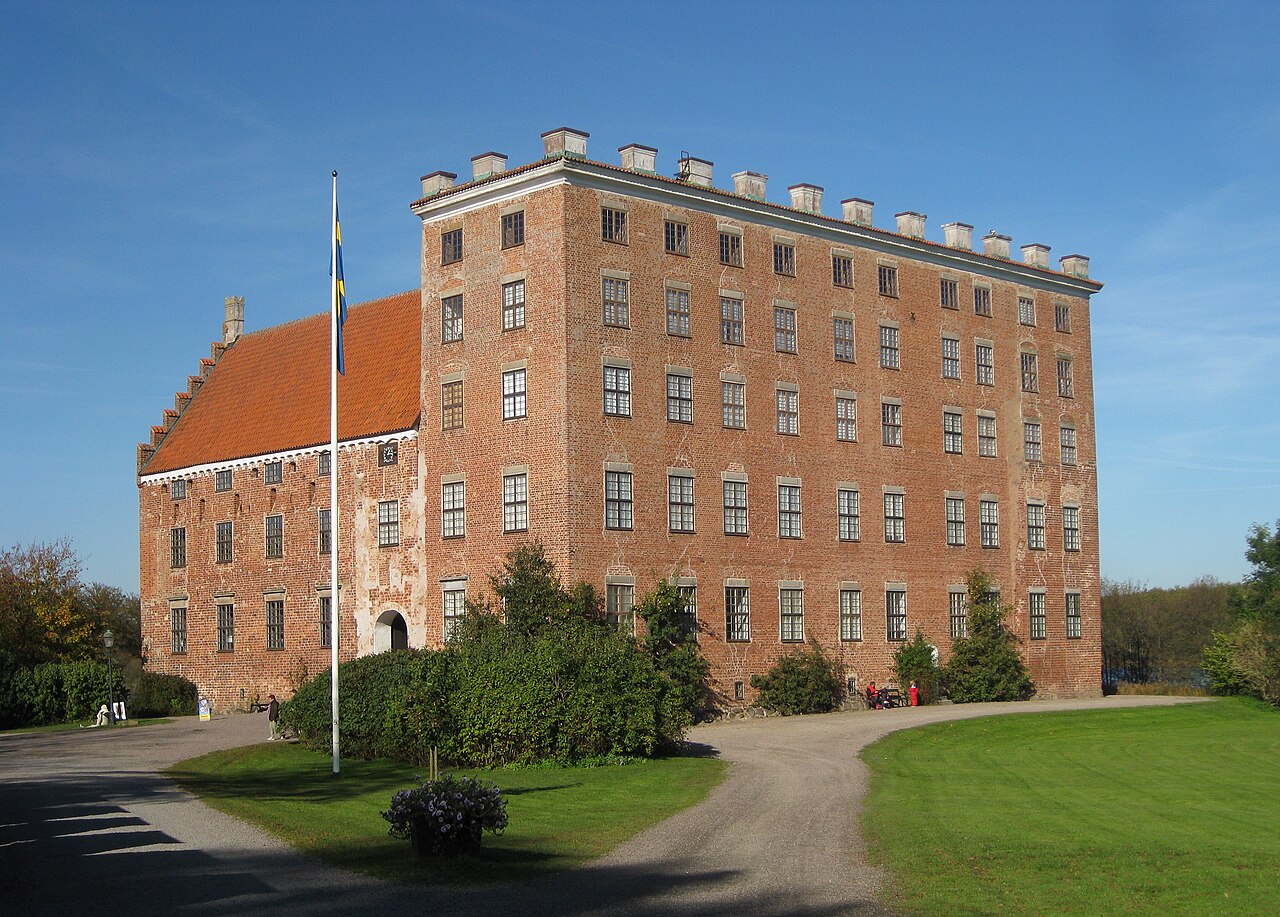
Häckeberga Castle
Häckeberga Castle stands as a notable example of 19th-century neo-renaissance architecture in the Swedish countryside near Genarp. The site has a long history of fortification dating back to the 1530s, when an earlier stronghold occupied the location. This original fortress was demolished in the 19th century, making way for the present castle, constructed between 1873 and 1875.
Historical background and site evolution
The earliest known fortification at Häckeberga dates to the early 16th century. This initial stronghold served as a defensive and residential structure typical of the era, reflecting the feudal landscape of southern Sweden. However, by the 19th century, the original castle had fallen into disrepair and was subsequently demolished to accommodate a new architectural vision.
The current Häckeberga Castle was commissioned by Tönnes Wrangel von Brehmer, a member of the Swedish nobility. His vision was realized through the work of the prominent architect Helgo Zettervall, who designed the castle in a style that combined neo-renaissance principles with distinctive French architectural details. This blend reflects the 19th-century European fascination with Renaissance revival styles and the influence of French aesthetics on Scandinavian architecture.
Architectural style and features
Helgo Zettervall’s design for Häckeberga Castle is characterized by its neo-renaissance style, which sought to revive and reinterpret Renaissance architectural elements. The castle exhibits symmetrical façades, ornate stonework, and elaborate window frames that are hallmarks of this style. French influences are evident in the detailing, including the use of steeply pitched roofs, decorative chimneys, and intricately designed dormers.
The castle’s layout includes a central main building flanked by wings, creating a balanced composition typical of Renaissance-inspired architecture. The use of towers and turrets adds a romantic silhouette while serving functional purposes such as observation and defense in earlier periods. The masonry work is finely executed, with attention to both aesthetic appeal and structural integrity.
Interior and grounds
While the exterior showcases the grandeur of the neo-renaissance style, the interior spaces were designed to provide comfort and elegance suitable for a noble residence. Spacious halls, richly decorated chambers, and period-appropriate furnishings reflect the lifestyle and tastes of the late 19th century Swedish aristocracy.
The castle is set within expansive grounds that include landscaped gardens and parkland, enhancing its status as a country estate. These grounds contribute to the overall historic ambiance and offer visitors a glimpse into the estate culture of the time.
Modern use and cultural significance
Today, Häckeberga Castle functions as a countryside hotel and fine dining restaurant, allowing guests to experience its historic atmosphere firsthand. The adaptation of the castle for hospitality purposes has preserved its architectural integrity while making it accessible to the public.
This modern use ensures the castle remains a vibrant part of the local cultural landscape in Skåne County, Sweden. It also highlights the successful preservation and adaptive reuse of historic buildings, blending heritage with contemporary needs.
Visitor experience and amenities
Visitors to Häckeberga Castle can enjoy luxurious accommodations within a historic setting, complemented by gourmet cuisine served in elegantly appointed dining rooms. The castle’s location near Genarp offers access to the scenic beauty of southern Sweden, including nearby lakes and forests.
The estate often hosts events, weddings, and cultural activities, further enhancing its role as a center for heritage tourism and community engagement.
Frequently asked questions (FAQ)
- How do I get to Häckeberga Castle?
- Häckeberga Castle is located in Genarp, Sweden, approximately 15 kilometers from Malmö. You can reach the castle by car, with ample parking available, or by public transport via bus services that connect to nearby towns.
- What is the historical significance of Häckeberga Castle?
- Häckeberga Castle was built in the late 19th century and is known for its picturesque architecture and beautiful surroundings. It has served various purposes over the years, including a private residence and a hotel, and is an important landmark in the Skåne region.
- When was Häckeberga Castle constructed?
- The construction of Häckeberga Castle began in 1897 and was completed in 1900. The castle was designed in the romantic style, reflecting the architectural trends of the time and showcasing the rich history of the area.
- Can I visit Häckeberga Castle?
- Yes, visitors are welcome to explore Häckeberga Castle, which offers guided tours and events throughout the year. It's recommended to check their official website for tour schedules and any special events that may be taking place during your visit.
- Why is Häckeberga Castle a popular tourist attraction?
- Häckeberga Castle is a popular destination due to its stunning architecture, beautiful gardens, and serene lakeside location. The castle's rich history and the opportunity to experience its charm make it an appealing spot for both history enthusiasts and casual tourists.
- Is it possible to host events at Häckeberga Castle?
- Yes, Häckeberga Castle offers event spaces for weddings, conferences, and other special occasions. The picturesque setting and elegant interiors provide a unique backdrop for any gathering.
- What are the opening hours for Häckeberga Castle?
- Häckeberga Castle typically opens to visitors from April to October, with varying hours depending on the day of the week. It is advisable to check their official website for the most current opening hours and any seasonal changes.
- What are the ticket prices for visiting Häckeberga Castle?
- Ticket prices for Häckeberga Castle vary depending on the type of tour and any special events. Generally, entrance fees are reasonable, and discounts may be available for children, seniors, and groups, so it's best to check in advance.
- What is the best time to visit Häckeberga Castle?
- The best time to visit Häckeberga Castle is during the spring and summer months when the gardens are in full bloom and the weather is pleasant. This period also offers a variety of events and activities to enhance your experience.
- Are there any nearby attractions to visit while at Häckeberga Castle?
- Yes, there are several nearby attractions, including beautiful hiking trails, lakes, and other historical sites in the Skåne region. Visiting the castle can easily be combined with a day of exploring the stunning natural beauty and cultural heritage of the area.
Information
Website
Visit websiteSources & official resources
Verify the information above using these authoritative references.
Loading map...
Visitor reviews
No reviews yet. Been here? Write the first review and help other travelers!
Write the first reviewVisited this castle? Share your experience
Your review helps other travelers and adds first-hand knowledge to our encyclopedia.