Gliwice
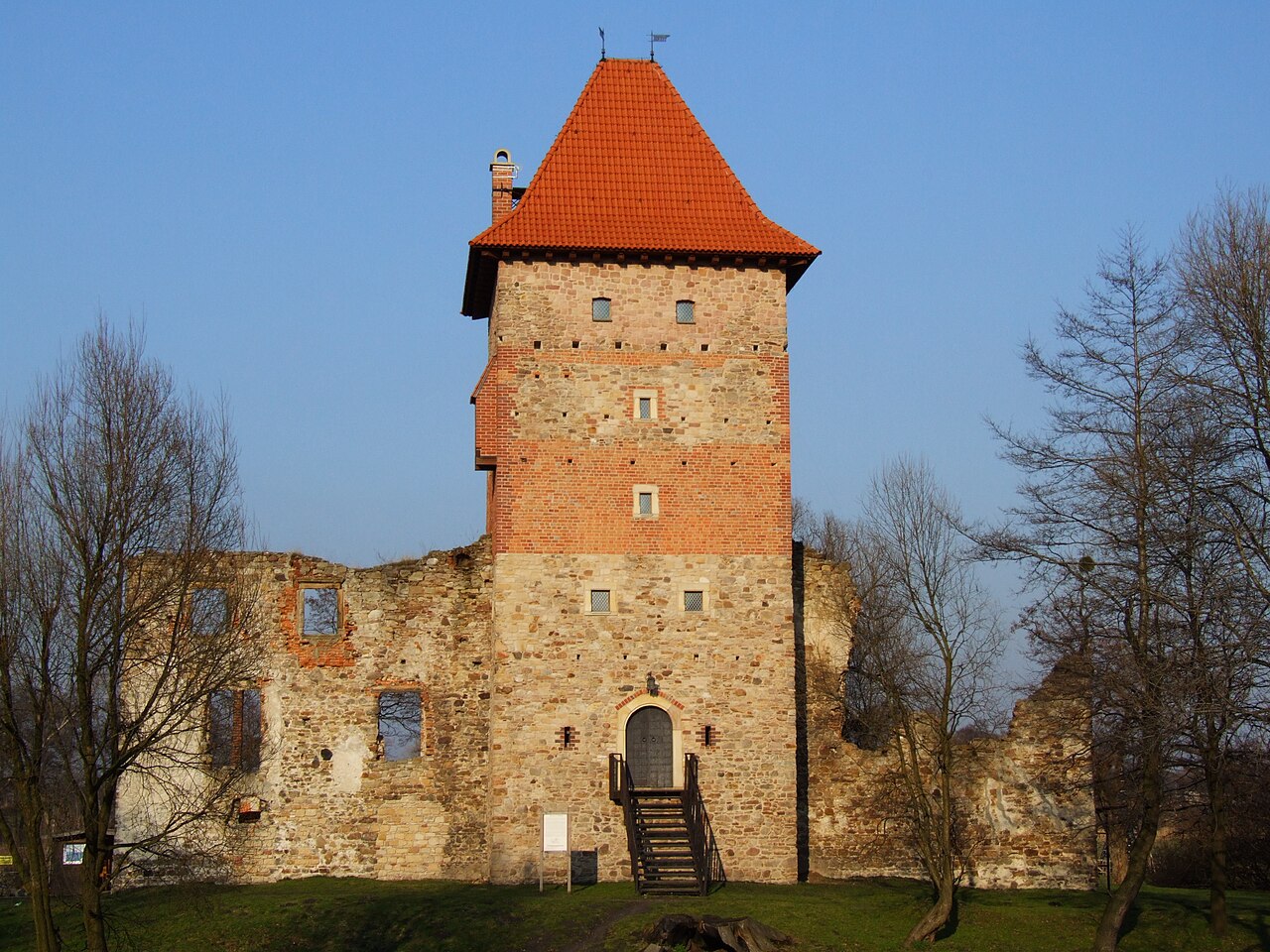
Gliwice Piast Castle, located at Pod Murami 2 in Gliwice, Poland, is a historic hill castle with origins dating back to the early 14th century. This castle, also known as the Certycz Residence, has a rich history intertwined with the development of the city of Gliwice itself. The castle's foundation is closely linked to the medieval fortifications of Gliwice, reflecting the city's strategic and political importance during the High and Late Middle Ages.
The initial establishment of Gliwice is attributed to the Opole-Racibórz Duke Władysław around 1260, with the city originally belonging to the Bytom Duchy. Over the following centuries, Gliwice changed hands multiple times, passing to the Toszek Duchy in 1303 and then to the newly formed Gliwice Duchy in 1322. The first duke of Gliwice, Siemowit, fortified the city with brick walls and constructed a stone castle that initially consisted of a tower with an adjoining residential section. This castle served as the ducal seat and was integrated into the city's defensive system. The castle's fortifications and residential structures were expanded significantly at the turn of the 14th and 15th centuries.
Historical developments and ownership changes
After Duke Siemowit's death in 1342, the Gliwice Duchy was divided. In 1364, half of the duchy was granted to Wacław of Niemodlin and, after his death, to Conrad II of Oleśnica. The other half was given to Jan I of Oświęcim. This division resulted in Gliwice having two castles for over 60 years. The castle that survives today belonged to the Oleśnica dukes, while the other castle, owned by the Oświęcim dukes, likely stood where the current garden of the All Saints church rectory is located. That second castle was destroyed by Conrad VII the White in 1431 during the Hussite Wars when Gliwice was occupied by Hussite forces.
Renaissance transformation under Friedrich von Zettritz
In 1558, the Gliwice state estate was leased from Emperor Ferdinand I Habsburg by Friedrich von Zettritz (also known as Cetrycz). Von Zettritz undertook a significant reconstruction of the castle, incorporating parts of the original medieval structure but transforming it into a Renaissance residence. This rebuilding partially diminished the castle's Gothic character but introduced Renaissance architectural elements that define much of its current appearance. The city purchased the ducal rights from the Zettritz family in 1596 for 27,000 thalers, making Gliwice a free royal city. From that point, the castle became municipal property.
Uses and restorations through the centuries
Over the subsequent centuries, the castle served various functions including as an arsenal, prison, and even a farmstead. After World War II, the castle was repurposed to house a museum, preserving its cultural heritage. A restoration project in the 1950s emphasized the castle's Gothic architectural features, highlighting its medieval origins despite the Renaissance modifications.
Architectural features and structure
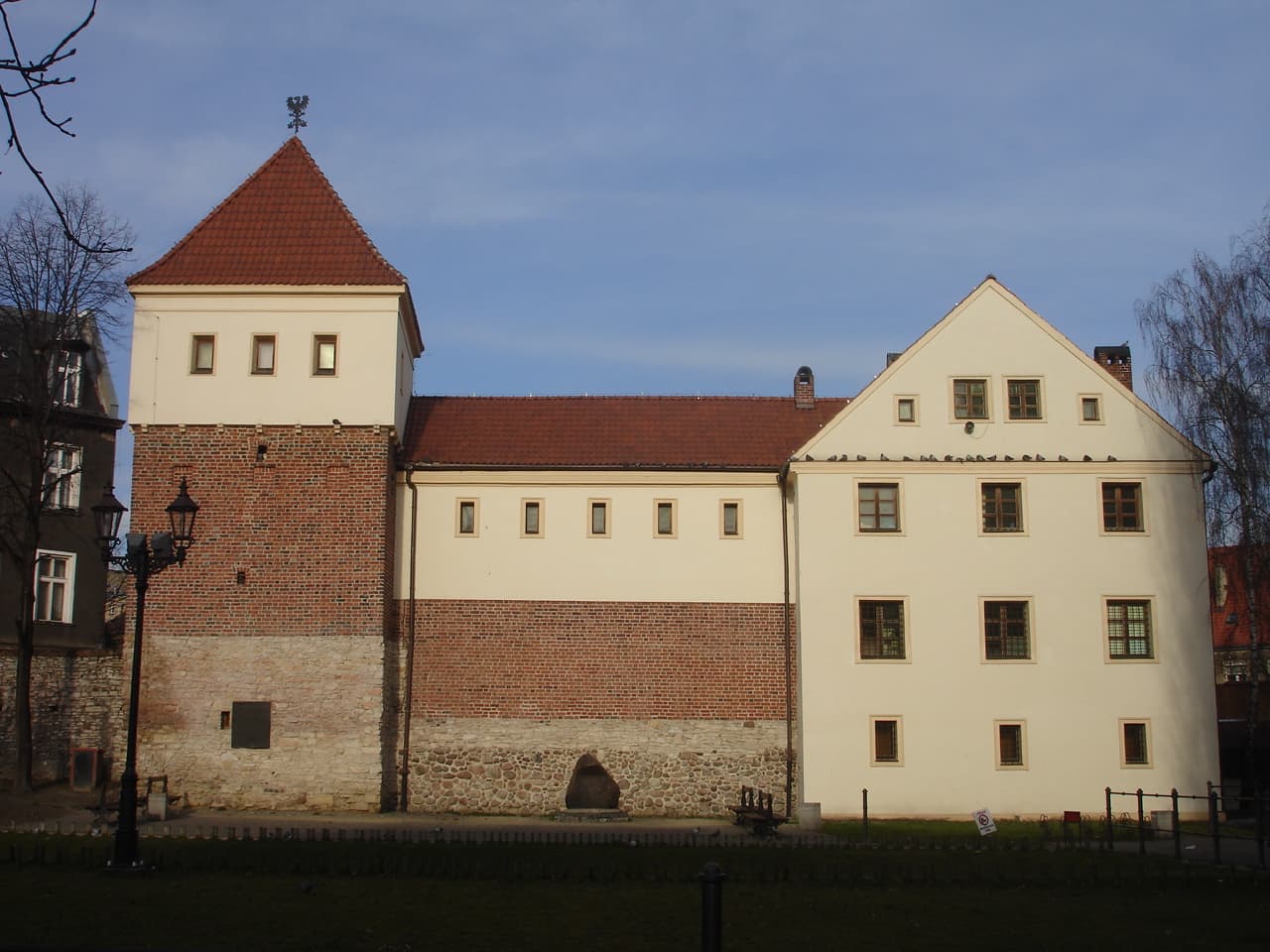
The castle's asymmetrical layout comprises three distinct parts with varying floor counts: the western section has four stories, while the central and eastern parts have three stories each. Constructed primarily from stone and brick using the Polish bond technique with zendrówka bricks, the castle is partially plastered today. The central and eastern buildings are topped with gable roofs, while the western square tower features a distinctive tent roof. This tower is a prominent element of the castle's silhouette.
Medieval foundations and defensive elements
The original tower, dating from 1322, was part of the city walls and served a defensive purpose. The adjoining building likely functioned as an armory during the medieval period. The castle's fortifications were closely tied to the city's defensive walls, reflecting its role as a military stronghold as well as a noble residence.
Renaissance adaptations and residential use
Friedrich von Zettritz's renovations introduced Renaissance stylistic elements and transformed the castle into a comfortable noble residence. These changes included modifications to windows, interiors, and facades that softened the fortress-like appearance while maintaining some of the original Gothic structural elements.
Modern use and public access
Following a revalorization project in 1984-85, the castle has been open to visitors as a branch of the Gliwice Museum. It now serves as a cultural and historical site, offering exhibitions and educational programs that highlight the castle's multifaceted history from its medieval origins through its Renaissance transformation to its modern role as a museum.
Gliwice Piast Castle stands today as a testament to the region's complex history, architectural evolution, and cultural heritage. Its blend of Gothic and Renaissance architecture, combined with its historical significance as a ducal seat, municipal fortress, and museum, make it a key landmark in the Silesian Voivodeship.
Frequently asked questions (FAQ)
- What is the historical significance of Gliwice Castle?
- Gliwice Castle, originally built in the 14th century, is a remarkable example of medieval architecture in Poland. It has played a vital role throughout history, serving as a fortification and later as a residence for various noble families. The castle's rich history reflects the tumultuous changes in the region over the centuries.
- When was Gliwice Castle built?
- Gliwice Castle was constructed in the 14th century, with its initial foundation laid in 1348. Throughout the years, the castle has undergone several renovations and expansions, reflecting different architectural styles and historical periods. Today, it stands as a testament to the region's medieval past.
- Can I visit Gliwice Castle, and what are the opening hours?
- Yes, Gliwice Castle is open to visitors, allowing you to explore its historic grounds and exhibitions. The opening hours vary by season, typically from 10 AM to 5 PM, but it's advisable to check the official website for the most current information before your visit.
- Is it possible to access Gliwice Castle with limited mobility?
- Gliwice Castle has taken steps to improve accessibility for visitors with limited mobility. While some areas may present challenges due to the castle's historical structure, staff are available to assist and guide visitors to ensure an enjoyable experience. It's recommended to contact the castle in advance to inquire about specific accessibility options.
- What are the ticket prices for Gliwice Castle?
- Ticket prices for Gliwice Castle are generally affordable, with discounts available for students, seniors, and children. As of the latest information, adult tickets cost around 15 PLN, while reduced tickets are available for 10 PLN. Be sure to check online for any updates or special promotions.
- When is the best time to visit Gliwice Castle?
- The best time to visit Gliwice Castle is during the spring and early autumn months when the weather is pleasant for exploring the outdoor areas. Additionally, visiting during weekdays can help you avoid larger crowds. Special events and exhibitions are often held during the summer, making it an exciting time to experience the castle.
- What nearby attractions can I explore after visiting Gliwice Castle?
- After visiting Gliwice Castle, you can explore several nearby attractions, including the charming Old Town of Gliwice and the beautiful Botanical Garden. Additionally, the nearby Silesian Museum and the historic St. Bartholomew's Church offer more insights into the region's culture and history. These sites make for a fulfilling day of exploration.
Photo gallery

Information
Loading map...
Visitor reviews
No reviews yet. Been here? Write the first review and help other travelers!
Write the first reviewVisited this castle? Share your experience
Your review helps other travelers and adds first-hand knowledge to our encyclopedia.