Fulštejn Castle
Fulštejn Castle stands as a significant medieval hill fortress located near the village of Bohušov in the Czech Republic. Founded in the first half of the 13th century, it occupies a strategic site that had been fortified since prehistoric times, underscoring its long-standing military importance. The castle was established under the initiative of Bruno of Schauenburg, the bishop of Olomouc, who aimed to consolidate his territorial influence in this border region.
The castle's core construction was completed by 1255, marking the beginning of its role as a defensive and residential stronghold. Shortly thereafter, the Olomouc chapter granted half of the estate and the adjacent village of Bohušov as a fief to Herbord of Fulštejn. This transfer established the Fulštejn family as the primary custodians of the castle. Throughout the latter part of the 13th century, the castle remained a familial seat, with Herbord dividing ownership among his sons. The castle's importance was further cemented by royal confirmation from King Přemysl Otakar II in 1275, legitimizing the sale of part of the estate to younger family members.
Architectural features and medieval fortifications
Fulštejn Castle was constructed following the defensive principles common to hill castles of the medieval period. It was built atop earlier prehistoric earthworks, which provided a naturally elevated and defensible position. These earthworks were enhanced with substantial stone fortifications, including thick walls and moats designed to deter attackers.
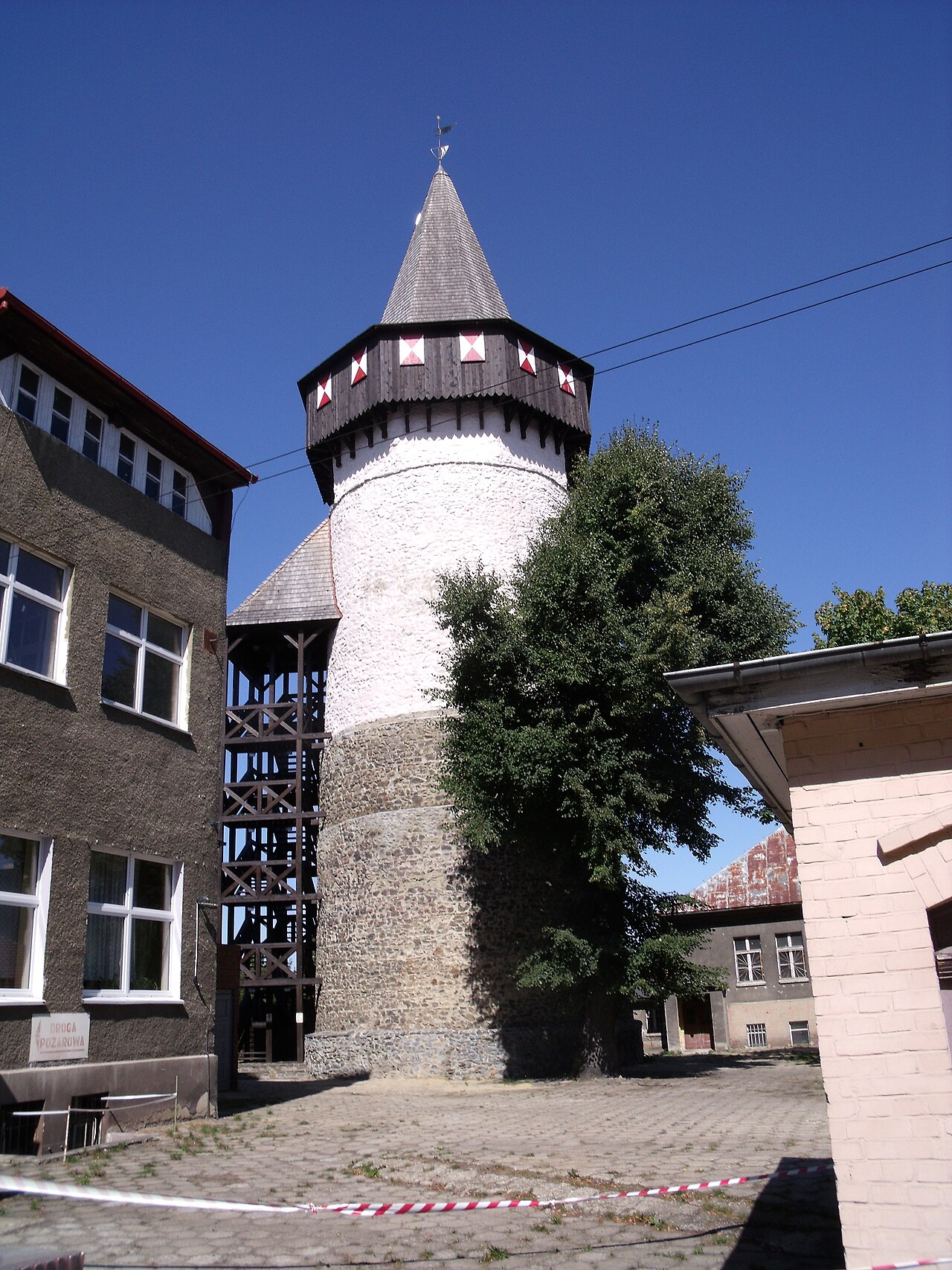
The castle's layout included a large round tower, which served as a key defensive and observation point. Although only fragments of this tower survive today, its robust masonry reflects the solid construction techniques of the era. The tower would have functioned as a last refuge during sieges and provided a vantage point over the surrounding landscape.
The main gate of the castle remains partially intact, revealing evidence of an original bridge that once spanned the surrounding moats. This entrance combined natural and manmade defenses, controlling access and enhancing security. The presence of massive ramparts—earth embankments faced with stone or compacted soil—further reinforced the defensive perimeter, slowing enemy advances and protecting the inner structures.
Historical significance and ownership transitions
Fulštejn Castle's history is marked by periods of conflict, reconstruction, and changing ownership. In January 1476, during the Czech-Hungarian wars, forces loyal to King Matthias Corvinus of Hungary attacked and severely damaged the castle. The fortress underwent extensive rebuilding by the late 15th century, restoring its defensive capabilities and residential functions.
In 1566, the estate was sold by Jiří of Fulštejn to Václav the Elder Sedlnický of Choltice, marking a new chapter in the castle's ownership. Following Václav's death in 1572, his sons inherited the property. Notably, Bedřich Sedlnický carried out repairs in 1611, indicating the castle's continued occupation and maintenance during the early 17th century.
The castle's fortunes declined after the Bohemian Revolt (1618–1620), when Karel Kryštof Sedlnický sided with the uprising against Habsburg rule. Following the revolt's defeat, the castle was confiscated, and Karel Kryštof died in exile in 1651. The estate was subsequently converted into a church fief and sold to Pavel Michna of Vacínov in 1623, who apparently did not reside at Fulštejn.
Destruction and decline during the thirty years' war
The Thirty Years’ War brought renewed military action to Fulštejn Castle. Danish troops under Peter Ernst Mansfeld passed through the region in 1626–1627, causing partial destruction to the fortress. In 1641, the ruined castle was acquired by Jan of Jarošín. The site later served as a military base for the Swedish army from 1642 to 1648, who demolished much of the castle upon their departure. This destruction marked a decisive blow to Fulštejn's defensive viability.
Ownership passed to Count Julius Leopold of Hodice by 1668, who also controlled nearby estates such as Silesian Rudoltice. Although some limited repairs were undertaken, the owners favored their residence at Rudoltice, leading to Fulštejn's gradual abandonment and decline into ruin.
Present condition and cultural heritage
Today, the ruins of Fulštejn Castle remain within the territory of Bohušov and are protected as a cultural monument. The site preserves the outline of a medieval fortress with surviving elements that provide valuable insights into 13th-century fortification practices and the turbulent history of this borderland region.
Visitors can observe remnants of the round tower, the main gate with traces of the original bridge, and extensive ramparts and moats. Although much of the castle's fabric has been lost to time and warfare, these surviving features highlight the layered defensive system characteristic of medieval hill castles.
The castle's location near Bohušov and its historical ties to estates such as Silesian Rudoltice reflect the shifting patterns of noble residence and territorial control over centuries. Fulštejn stands as a testament to the complex history of fortifications in Czechia and remains a site of archaeological and cultural significance.
Frequently asked questions (FAQ)
- How do I get to Fulštejn Castle near Bohušov?
- Fulštejn Castle is located near the village of Bohušov in the Moravian-Silesian Region of Czechia. Visitors can reach the site by car or local transport, followed by a short walk from the village center to the hilltop ruins.
- What is the historical significance of Fulštejn Castle?
- Fulštejn Castle was founded in the 13th century as a strategic hill fortress and played a key role in regional conflicts including the Czech-Hungarian wars and the Thirty Years' War. Its history reflects the shifting power struggles in this borderland area.
- Can I explore the ruins of Fulštejn Castle?
- Yes, visitors can explore the ruins of Fulštejn Castle, including the remains of the round tower, gate, ramparts, and moats. The site is open daily during daylight hours and admission is free.
- When is the best time to visit Fulštejn Castle?
- The best time to visit Fulštejn Castle is during the warmer months from late spring to early autumn when the weather is favorable for outdoor exploration of the hilltop ruins.
- Is Fulštejn Castle accessible for people with limited mobility?
- Due to its hilltop location and uneven terrain, Fulštejn Castle may be challenging for visitors with limited mobility. Visitors should wear appropriate footwear and be prepared for a moderate hike to reach the site.
Information
Opening hours
Open daily during daylight hours
Ticket prices
Free
Current owner
State museum
Website
Visit websiteSources & official resources
Verify the information above using these authoritative references.
Loading map...
Visitor reviews
No reviews yet. Been here? Write the first review and help other travelers!
Write the first reviewVisited this castle? Share your experience
Your review helps other travelers and adds first-hand knowledge to our encyclopedia.