Fujairah Fort
Fujairah Fort stands as a remarkable example of a fortified hilltop castle located in the city of Fujairah, within the emirate of Fujairah in the United Arab Emirates. Unlike typical coastal forts in the region, this structure exhibits distinctive characteristics that align it more closely with castle architecture. Constructed between 1500 and 1550, during a period overlapping Portuguese influence in the Gulf of Oman, the fort was built by local inhabitants to serve as a military stronghold and center of governance.
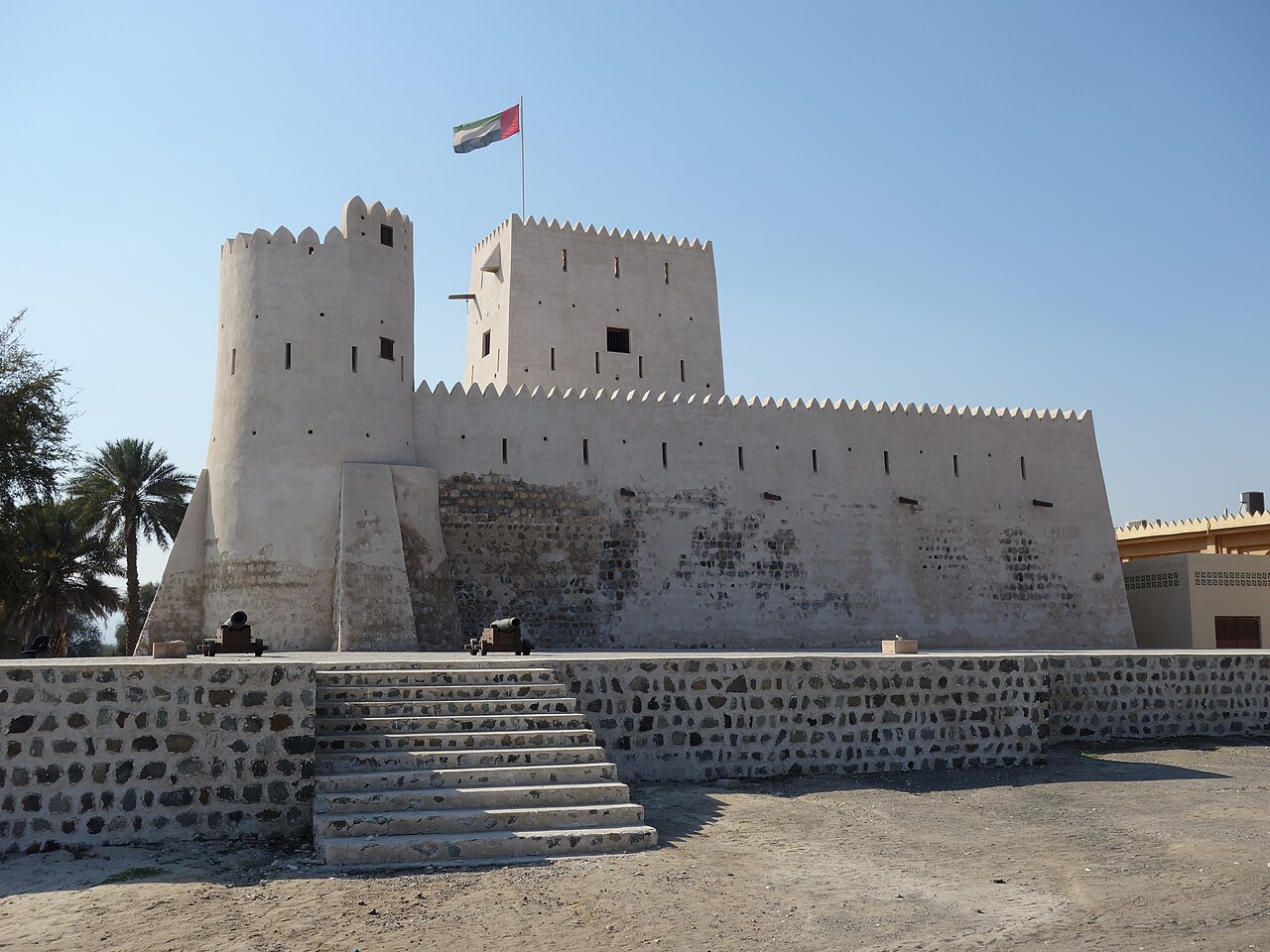
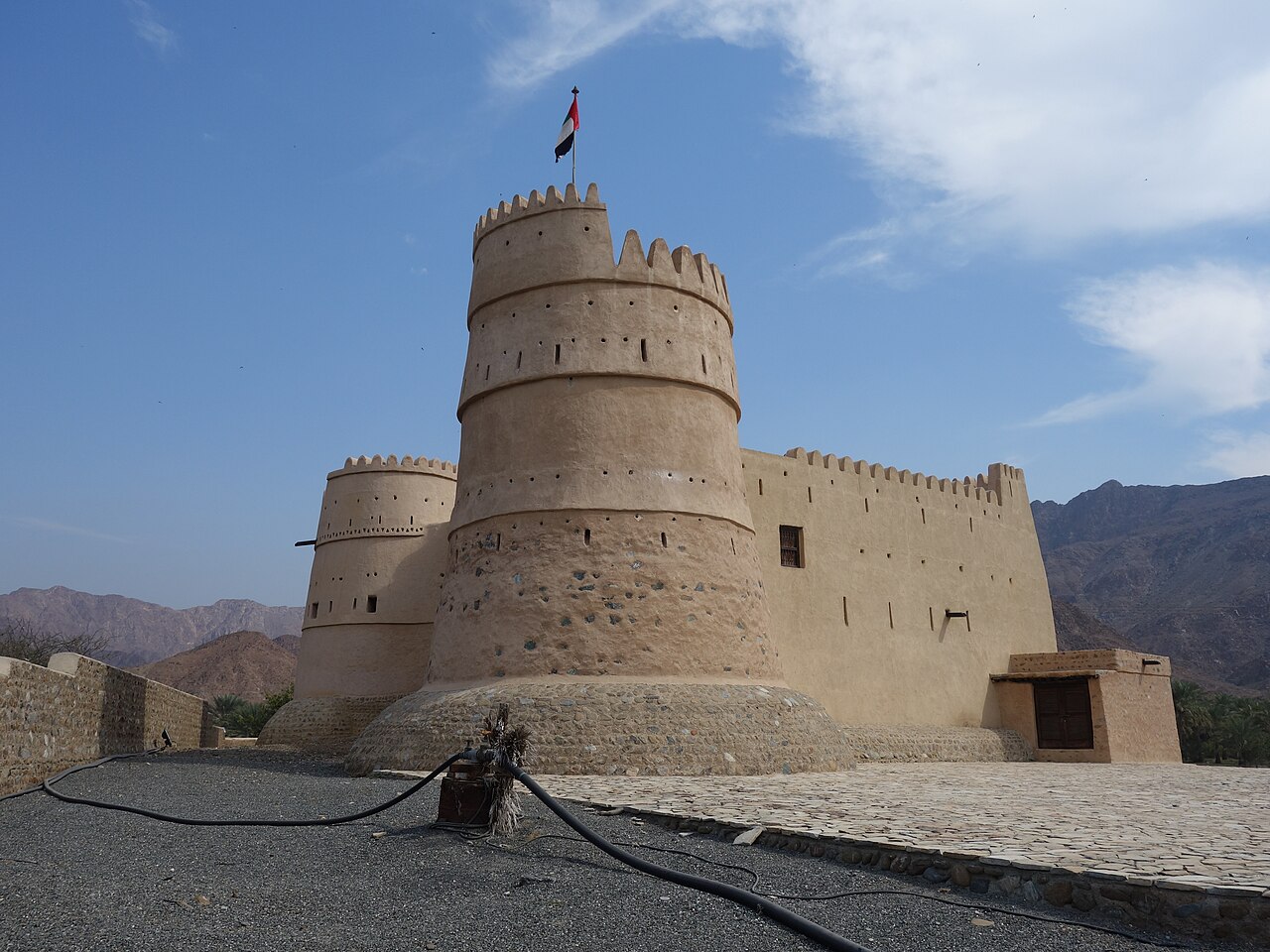
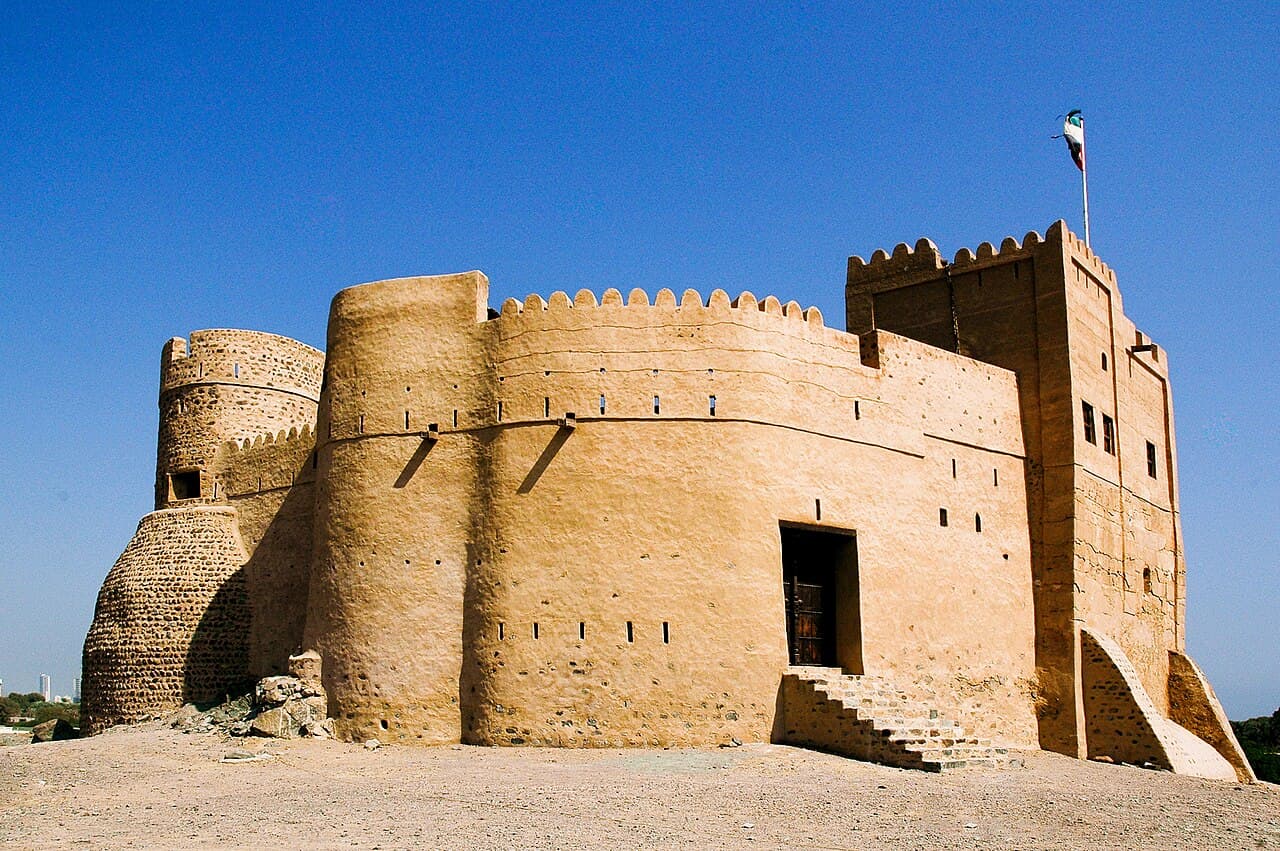
Perched atop a natural rocky hill approximately 20 meters high, the fort overlooks both the city and the nearby coastline, situated just about two kilometers from the Gulf of Oman. Its irregular ground plan closely follows the contours of the hill, a strategic choice that maximizes defensive advantage by integrating natural terrain into its fortifications. This hill castle features a combination of three round towers and one square tower, the latter likely functioning as the main keep or donjon, providing a last line of defense and command center.
Historical context and significance
The origins of Fujairah Fort are rooted in the early 16th century, as confirmed by carbon-14 dating methods. Its construction coincided with a turbulent era marked by Portuguese expansion and local tribal conflicts in the Arabian Peninsula. While Portuguese forces exerted control over the coastal areas, the fort was primarily built by the local population to safeguard the settlement from foreign incursions and rival tribes.
Between 1650 and 1700, the fort underwent significant rebuilding or expansion, enhancing its defensive capabilities to meet evolving military threats. Throughout its active history, Fujairah Fort served as a critical military bastion, with guards stationed in its towers to maintain vigilance over the surrounding region. Its strategic location allowed it to control access routes between the coast and inland areas, making it a key asset in regional power struggles.
The fort's military importance is underscored by its involvement in notable historical events, including direct confrontations with British Royal Navy forces in 1925. During an anti-slavery campaign, the British bombarded the fort, damaging three of its towers and imposing a fine on the ruling Sheikh Hamla. This event highlights the fort’s continued significance well into the 20th century.
Additionally, Fujairah Fort was occupied by Wahhabi forces at one point, illustrating its role not only as a defensive structure but also as a political and military center during periods of shifting local control. Its history reflects the complex interplay of tribal, colonial, and regional powers that shaped the emirate.
Architectural features and construction
Fujairah Fort’s architecture is a testament to traditional construction methods adapted to the local environment. Built primarily from stone, gravel, mud, straw, gypsum, and palm branches, the materials were bound with sarooj mortar, a durable composite that provided resilience against the harsh climate and sieges. This choice of materials reflects indigenous building techniques optimized for strength and insulation.
The fort’s irregular layout is dictated by the natural rock formation on which it stands, creating a unique footprint unlike the more symmetrical designs seen in many other forts. The defensive walls connect the four towers, forming a secure enclosure with battlements that allowed defenders to monitor and repel attackers effectively.
The three round towers are equipped with arrow slits and guard positions, enabling archers and lookouts to cover multiple angles. The square tower, probably the keep, provided a fortified refuge and command post. Notably, the northern tower facing the old village contains remnants of an ancient cannon and cannonballs, tangible evidence of the fort’s active military use.
Interior layout and decorative elements
Inside, the fort is organized over two stories. The ground floor includes an open courtyard, a main entrance, and a spacious room that likely served administrative or residential functions. Stairs from this level lead to the upper floor, which houses a council chamber and corridors connecting to the towers.
The roof is surrounded by battlements, further enhancing the defensive perimeter. Decorative plasterwork adorns parts of the interior, including painted columns and ornamental ceilings featuring arches and gypsum motifs. These artistic elements reflect the cultural influences of the region and add an aesthetic dimension to the otherwise utilitarian military structure.
Restoration and current status
Fujairah Fort has undergone several restoration phases to preserve its structural integrity and historical character. The first known restoration took place in 1925, soon after damage inflicted during the British bombardment. However, by around 1960, parts of the fort, including one round tower and the square tower, had collapsed.
A comprehensive restoration between 1998 and 2000 rebuilt these towers using traditional materials and techniques to maintain authenticity. Today, the fort is well preserved and serves as a cultural heritage site open to visitors during daytime hours. Its preservation allows for continued appreciation of its architectural and historical significance.
Fujairah fort’s role in regional heritage and tourism
As one of the oldest and most significant fortified structures in the United Arab Emirates, Fujairah Fort holds a central place in the emirate’s cultural identity. It offers visitors a tangible connection to the region’s past, showcasing the defensive strategies and architectural ingenuity of early inhabitants.
The fort’s location near the modern city center and the coast makes it accessible for tourists interested in history, architecture, and the cultural heritage of the Arabian Peninsula. Its unique blend of natural terrain integration, traditional construction, and historical layers spanning centuries provides a rich educational experience.
While access to the interior may occasionally be restricted, the exterior and surrounding grounds offer ample opportunity for exploration and photography. The fort’s commanding views of Fujairah city and the Gulf of Oman further enhance its appeal as a prominent historical landmark.
Visitor information and accessibility
Fujairah Fort can be visited during daylight hours, although opening times may vary, and occasional closures occur for maintenance or special events. Visitors are encouraged to check local resources for current visiting hours and any entrance fees. The site is suitable for history enthusiasts, families, and those interested in traditional Arabian architecture.
Architectural comparison and uniqueness
Unlike many other forts in the UAE, which often feature more regular geometric layouts and are primarily coastal defense structures, Fujairah Fort’s irregular hilltop design and mixed tower shapes distinguish it architecturally. Its combination of round and square towers, use of local materials, and adaptation to the natural rock formation exemplify a unique approach to fortification in the region.
This uniqueness not only reinforces its classification as a hill castle but also highlights the cultural and historical diversity of defensive architecture within the Arabian Peninsula.
Frequently asked questions (FAQ)
- What is Fujairah Fort known for?
- Fujairah Fort is one of the oldest and largest castles in the United Arab Emirates, dating back to the 16th century. It is renowned for its impressive architecture and strategic location, serving as a vital defensive structure throughout its history. The fort showcases traditional Emirati design and offers insights into the region's heritage.
- When was Fujairah Fort built?
- Fujairah Fort was originally constructed in the 16th century, making it a significant historical landmark in the UAE. Its establishment was intended to protect the region from invasions and it has been a crucial part of Fujairah's history ever since. Restoration efforts have preserved its structure, allowing visitors to explore its rich past.
- How do I get to Fujairah Fort?
- Fujairah Fort is easily accessible by car, located just a few minutes from Fujairah city center. There are also public transport options available, including buses that connect to key points in the city. Parking is available for visitors who prefer to drive.
- What are the opening hours for Fujairah Fort?
- Fujairah Fort is open to visitors from 8:00 AM to 6:00 PM daily. It's advisable to check local announcements for any changes in hours during holidays or special events. Plan your visit accordingly to ensure you have ample time to explore the fort and its surroundings.
- Can I enter Fujairah Fort for free?
- Yes, entry to Fujairah Fort is free of charge, making it an excellent destination for budget-conscious travelers. This allows visitors to enjoy the historical site without any financial barriers. However, donations are often appreciated to support the maintenance of the fort.
- What is the best time to visit Fujairah Fort?
- The best time to visit Fujairah Fort is during the cooler months, from October to April, when temperatures are more comfortable for outdoor exploration. Visiting in the early morning or late afternoon can also provide a more pleasant experience. This timing allows you to enjoy the views and surroundings without the heat of the day.
- Is Fujairah Fort accessible for visitors with disabilities?
- Fujairah Fort has made efforts to accommodate visitors with disabilities, although some areas may have limited accessibility due to its historical structure. It's recommended to contact the fort's management ahead of your visit to inquire about specific accessibility options and guidance available. They can provide additional information to ensure a comfortable visit.
- Are there any nearby attractions to visit after Fujairah Fort?
- Yes, after visiting Fujairah Fort, you can explore nearby attractions such as the Fujairah Museum and the Sheikh Zayed Mosque. The area is rich in cultural heritage, and these sites provide further insights into the history and traditions of Fujairah. Additionally, the beautiful beaches of Fujairah are a short drive away, perfect for a relaxing afternoon.
- What architectural features can I expect to see at Fujairah Fort?
- Fujairah Fort showcases traditional Emirati architecture, characterized by its robust stone walls, watchtowers, and a unique layout designed for defense. The fort features several rooms, including living quarters and storage areas, which highlight the historical lifestyle of its inhabitants. The panoramic views from the fort's towers also enhance its architectural appeal.
Photo gallery

Information
Website
Visit websiteSources & official resources
Verify the information above using these authoritative references.
Loading map...
Visitor reviews
No reviews yet. Been here? Write the first review and help other travelers!
Write the first reviewVisited this castle? Share your experience
Your review helps other travelers and adds first-hand knowledge to our encyclopedia.