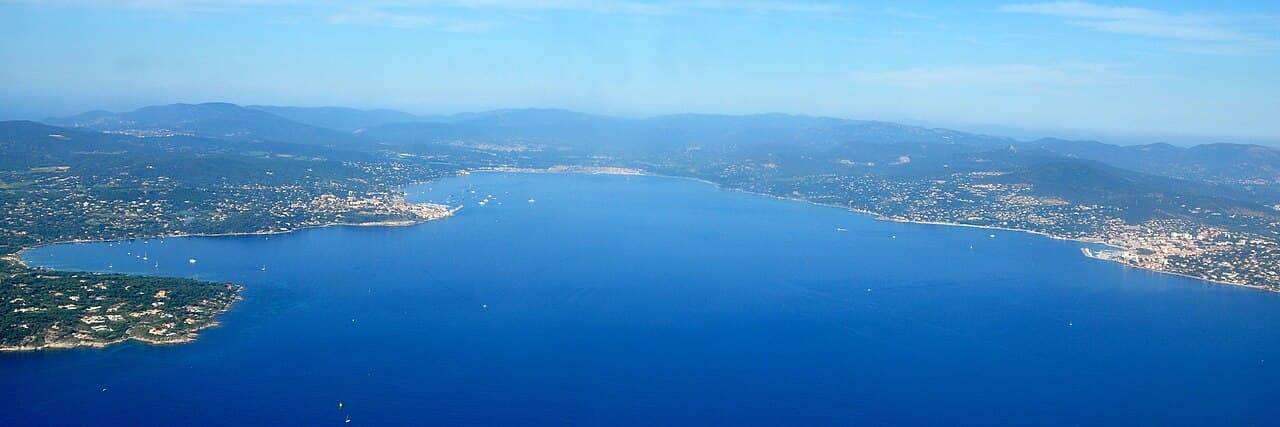
Fraxinetum
Fraxinetum, also known as Fraxinet and referred to in Arabic as Farakhshanīt or Farakhsha, derives its name from the Latin fraxinus, meaning "ash tree," and fraxinetum, meaning "ash forest." This early medieval fortress was established in the 8th century by Muslim forces originating from al-Andalus, situated in what is now identified as La Garde-Freinet, near Saint-Tropez in Provence, France. It served as a central stronghold for a frontier state that existed between approximately 887 and 972.
Strategic location and military significance
The fortress was strategically positioned on a hilltop, classifying it as a hill castle, which allowed for extensive surveillance and control over the surrounding terrain. Its location enabled the Muslim occupants to dominate key passes through the Western Alps, a critical factor in their ability to conduct raids and control movement across the region.
Role in regional conflict and raids
From this stronghold, the Muslim forces launched raids deep into European territories, advancing up the Rhône Valley and reaching as far as Piedmont in northern Italy and the Abbey of Saint Gall in present-day Switzerland. These raids were primarily focused on slave-raiding, capturing Europeans to be sold in Islamic markets. The presence of Fraxinetum posed a significant threat to the security and stability of the surrounding Christian realms.
Resistance and downfall
The fortress withstood multiple attempts by local powers to dislodge the Muslim occupants. However, in 972, a coalition of Provençal and Piedmontese nobility united to defeat the Muslim forces decisively at the battle of Tourtour. This battle marked the end of Muslim control in the region and the dissolution of the Fraxinetum stronghold.
Historical and cultural impact
Fraxinetum represents a unique chapter in the history of medieval Europe, illustrating the complex interactions between Islamic and Christian powers during the early medieval period. Its legacy is reflected in the cultural and military history of Provence and the broader Western Mediterranean region.
Archaeological and preservation status
Today, the site of Fraxinetum is identified with the area around La Garde-Freinet. While much of the original fortress has not survived in a well-preserved state, the location remains an important archaeological site for studying the early medieval Muslim presence in Europe.
Frequently asked questions (FAQ)
- What was the primary purpose of Fraxinetum?
- Fraxinetum served as a Muslim stronghold in Provence, primarily used for launching raids and controlling Alpine passes during the early medieval period.
- Where is Fraxinetum located today?
- The site of Fraxinetum corresponds to modern La Garde-Freinet near Saint-Tropez in Provence, France.
- When was Fraxinetum established and when did it fall?
- Fraxinetum was established in the 8th century and remained under Muslim control until its defeat in 972 at the battle of Tourtour.
- What kind of raids did Fraxinetum's occupants conduct?
- The Muslim occupants conducted slave-raiding expeditions into Europe, targeting areas such as the Rhône Valley, Piedmont, and the Abbey of Saint Gall.
- Is Fraxinetum accessible to visitors today?
- As an archaeological site, Fraxinetum's location can be visited, but much of the original fortress is in ruins and there are limited visitor facilities.
Photo gallery

Information
Loading map...
Visitor reviews
No reviews yet. Been here? Write the first review and help other travelers!
Write the first reviewVisited this castle? Share your experience
Your review helps other travelers and adds first-hand knowledge to our encyclopedia.



