Architectural features and design
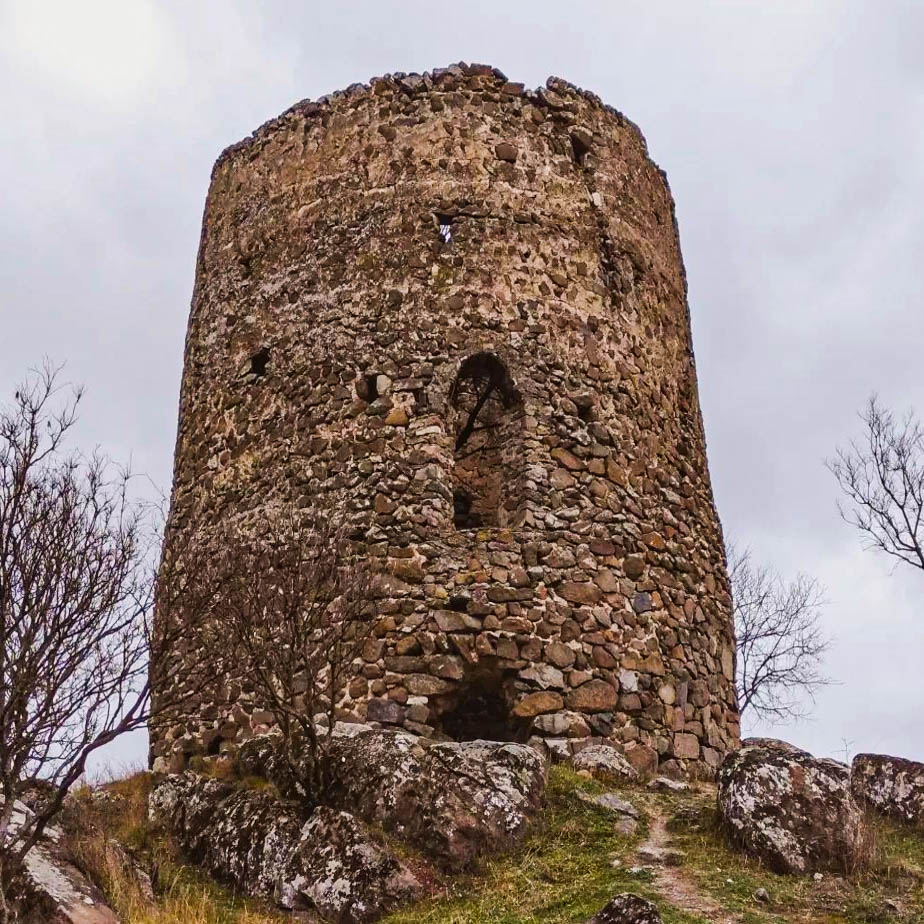
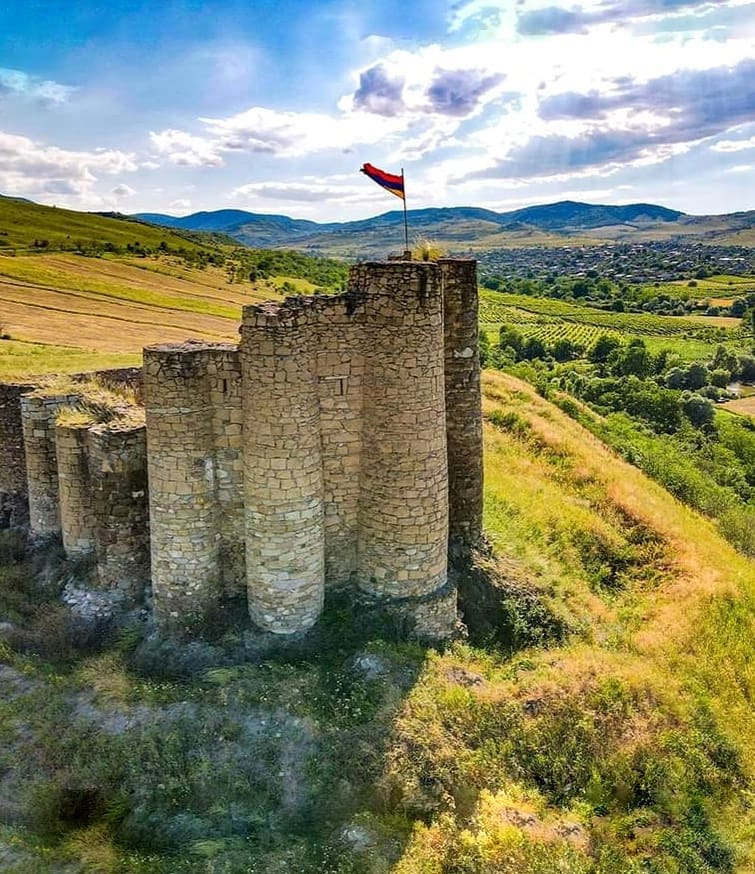
The fortress is characterized by its bastioned walls, a defensive feature that emerged in the late medieval period to counter advances in siege technology, particularly artillery. These bastions protrude from the main curtain walls, enabling defenders to cover adjacent walls with crossfire, reducing blind spots and enhancing the fortress's defensive capability.
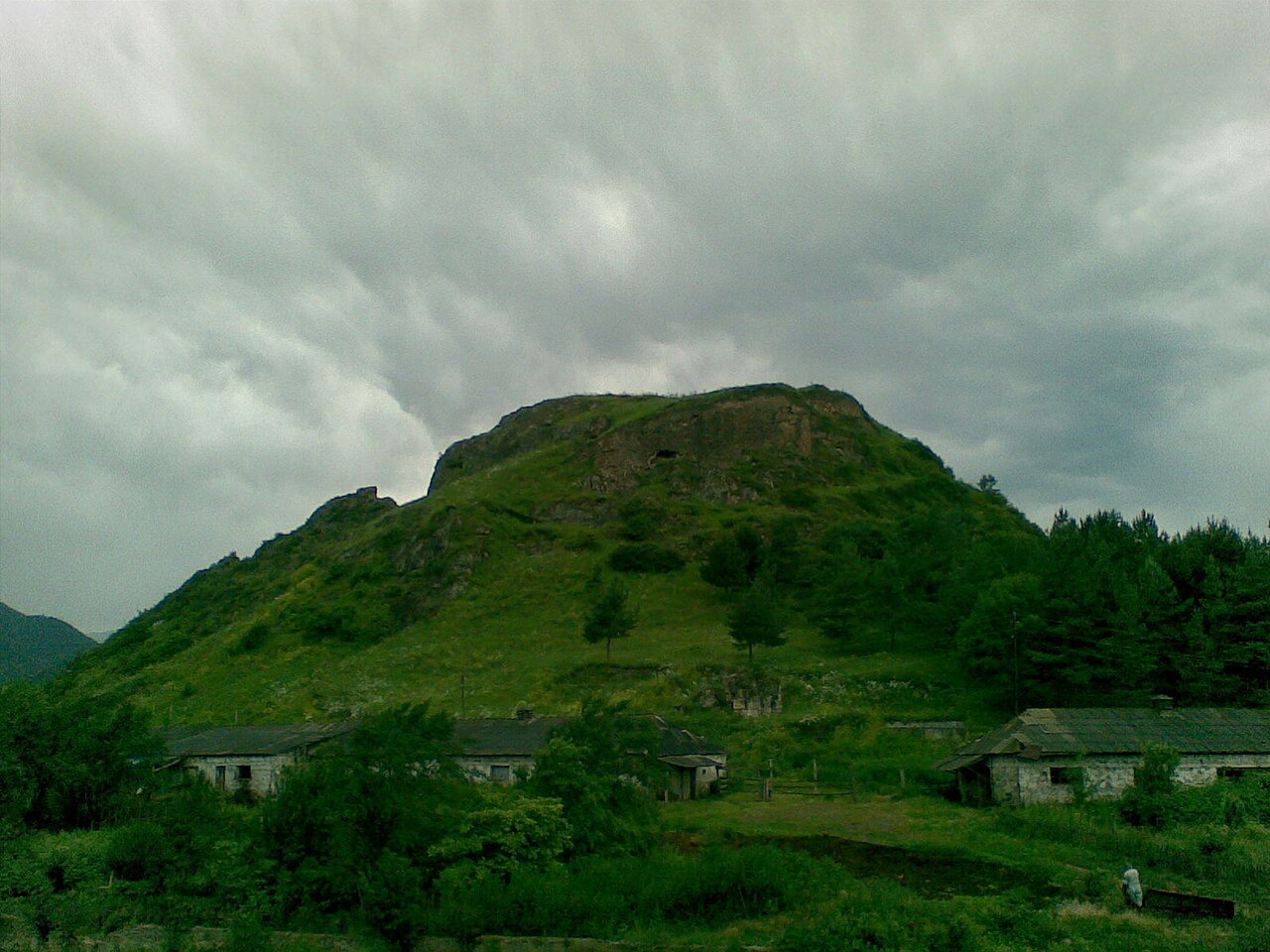
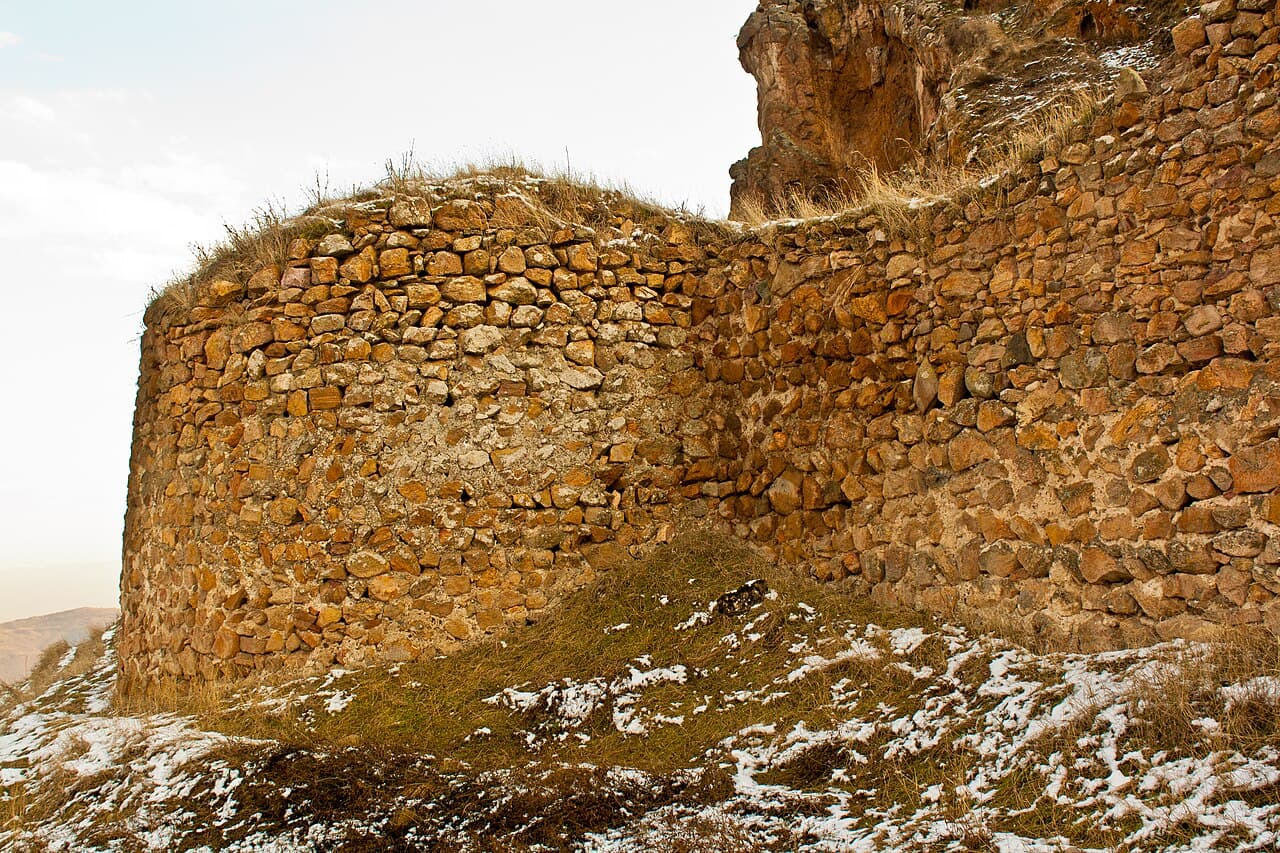
Constructed primarily from local stone, the walls of the fortress are thick and robust, designed to withstand prolonged assaults. The layout likely includes multiple bastions spaced at intervals around the perimeter, connected by curtain walls, forming a polygonal or irregular shape adapted to the topography of the hill on which it stands.
Defensive structures
In addition to bastions, the fortress would have featured other typical defensive elements such as gatehouses, arrow slits, and possibly a moat or ditch to impede attackers. The elevated position itself serves as a natural defense, making direct assaults challenging.
Historical context and significance
While specific historical records about the fortress of Goyazan are limited, its architectural style and defensive features suggest construction during the late medieval period, when the region was frequently contested by various local powers and external invaders. The fortress would have served as a military stronghold, protecting nearby settlements and trade routes.
The fortress's location in Azerbaijan places it within a region historically influenced by Persian, Ottoman, and Russian empires, each leaving marks on the area's fortification styles and military architecture. The fortress of Goyazan thus reflects the strategic importance of controlling high ground and securing borders in this geopolitically sensitive area.
Preservation and current condition
Today, the fortress of Goyazan remains a significant cultural and historical landmark. Its walls and bastions are partially preserved, allowing visitors to appreciate the scale and design of this medieval bastioned fortress. Conservation efforts aim to protect the remaining structures from further deterioration while enabling educational and touristic use.
Access to the fortress offers panoramic views of the surrounding landscape, emphasizing its original defensive purpose. Visitors can explore the ruins and gain insight into the military architecture of the period and the historical conflicts that shaped the region.
Visiting information and accessibility
The fortress is accessible to visitors interested in history, architecture, and scenic views. While facilities may be limited due to its remote location, the site provides a tangible connection to Azerbaijan's medieval past. Visitors should prepare for uneven terrain and bring appropriate footwear for exploring the hilltop ruins.
Guided tours or informational materials may be available locally to enhance understanding of the fortress's historical and architectural significance.
Frequently asked questions (FAQ)
- What is the historical significance of the fortress of Goyazan?
- The fortress of Goyazan served as a strategic military stronghold during the late medieval period, protecting key routes and settlements in Azerbaijan from various regional powers and invaders.
- Can I visit the fortress of Goyazan?
- Yes, the fortress is accessible to visitors. It offers panoramic views and a chance to explore partially preserved bastioned walls and ruins, though visitors should be prepared for uneven terrain.
- What architectural features define the fortress of Goyazan?
- The fortress is notable for its bastioned walls designed to improve defense, including gatehouses, arrow slits, and potentially a moat, all situated on a strategic hilltop location.
Photo gallery

Information
Loading map...
Visitor reviews
No reviews yet. Been here? Write the first review and help other travelers!
Write the first reviewVisited this castle? Share your experience
Your review helps other travelers and adds first-hand knowledge to our encyclopedia.