Didivan Castle — Azerbaijan castle

Didivan Castle

Didivan Castle in Azerbaijan
High Medieval (11th–13th c.)
Partially Preserved
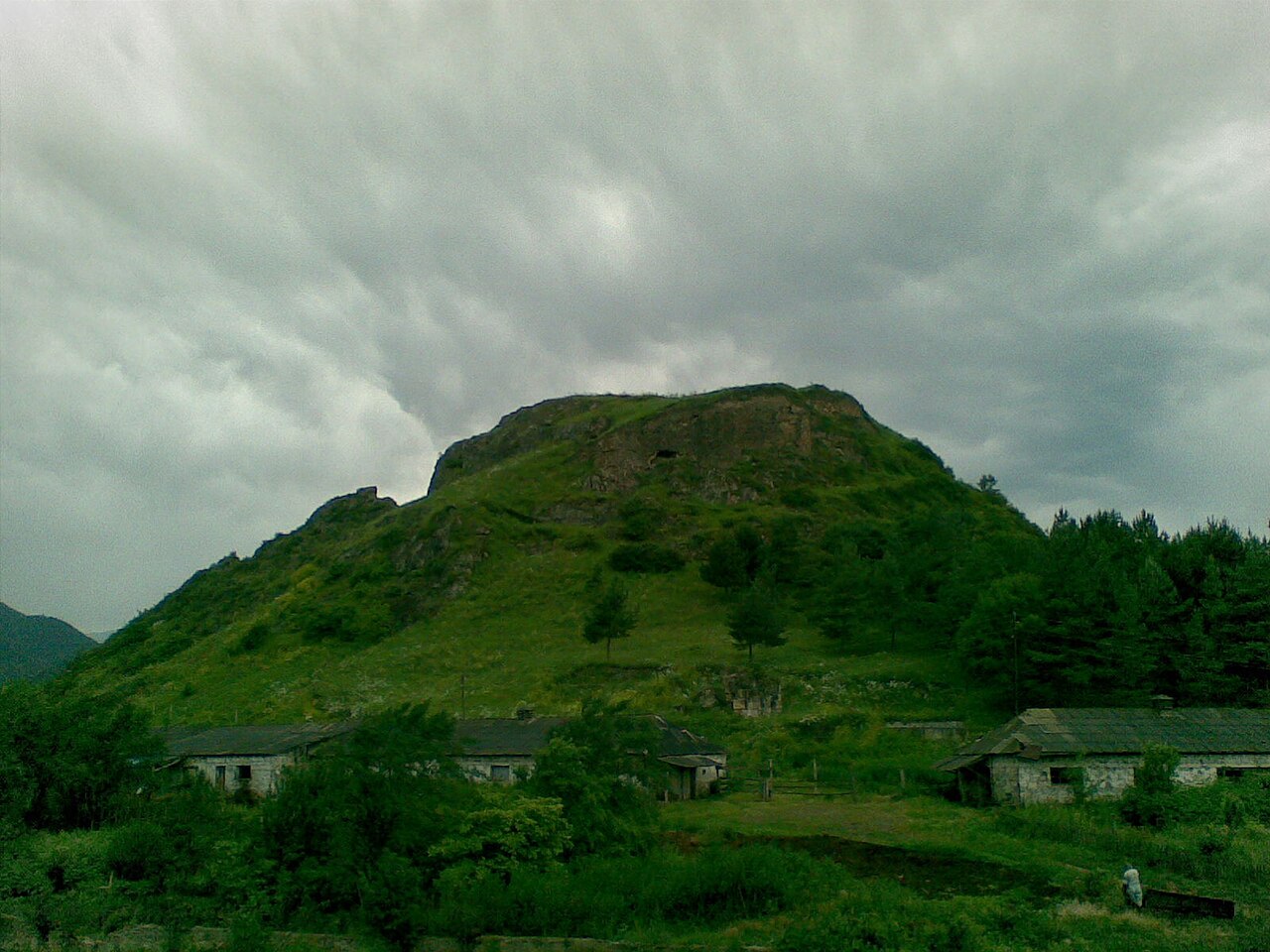
Didivan Castle is a prominent hill castle located in Azerbaijan, known for its strategic position and historical significance. This castle exemplifies the medieval fortifications typical of the region, perched on elevated terrain to provide commanding views of the surrounding landscape and to enhance its defensive capabilities.

Historical context and significance

The origins of Didivan Castle trace back to the medieval period, when fortifications were essential for controlling trade routes and defending territories in the Caucasus region. Although the exact date of construction remains uncertain, the castle's architectural features suggest it was built during the High Medieval period. Its location on a hilltop allowed its occupants to monitor and control the surrounding area effectively, which was crucial during times of frequent regional conflicts.

Architectural features and layout

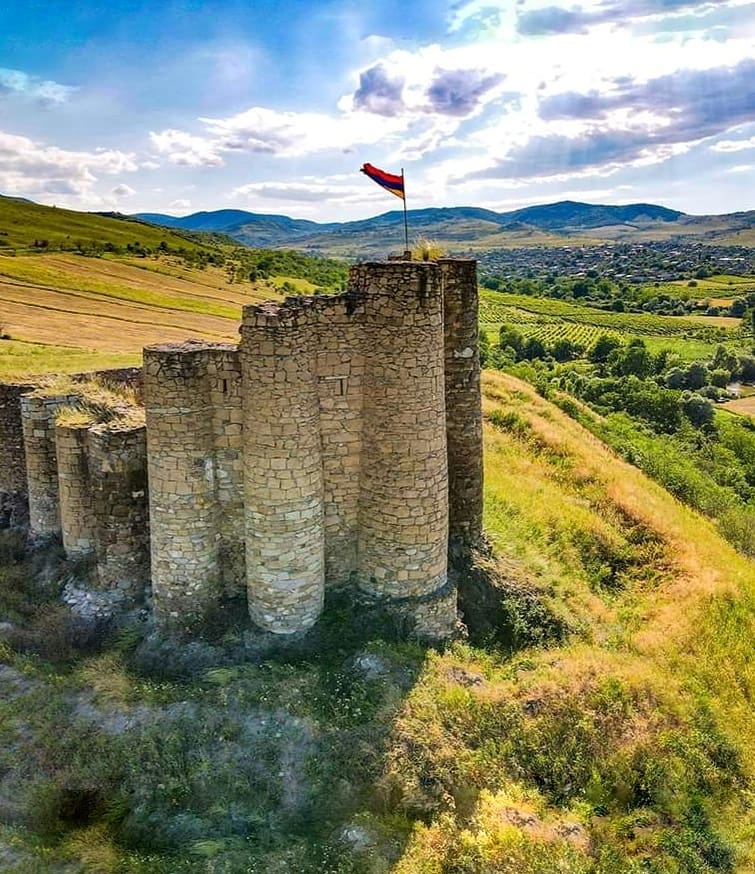
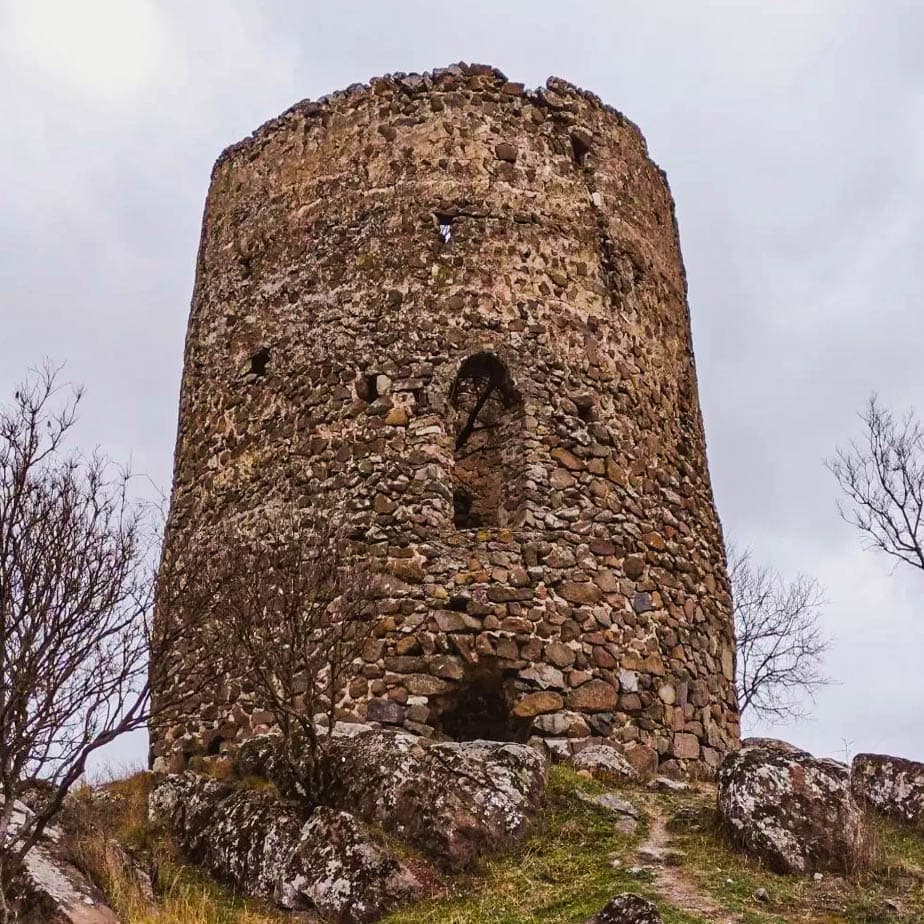
As a hill castle, Didivan Castle is characterized by its elevated position and the integration of natural rock formations into its defensive structures. The castle's walls are constructed from local stone, forming thick ramparts that would have withstood sieges and attacks. The remains of towers and battlements indicate a complex defensive system designed to provide overlapping fields of fire and protection for the garrison.

The castle's layout likely included a central courtyard surrounded by residential quarters, storage facilities, and defensive towers. Access to the castle was probably controlled by a fortified gatehouse, designed to restrict entry and provide a choke point against invaders.

Defensive structures

Key defensive elements of Didivan Castle include its curtain walls, which follow the contours of the hill, and several towers positioned to cover vulnerable approaches. The use of natural elevation combined with man-made fortifications made the castle a formidable stronghold.

Current condition and preservation

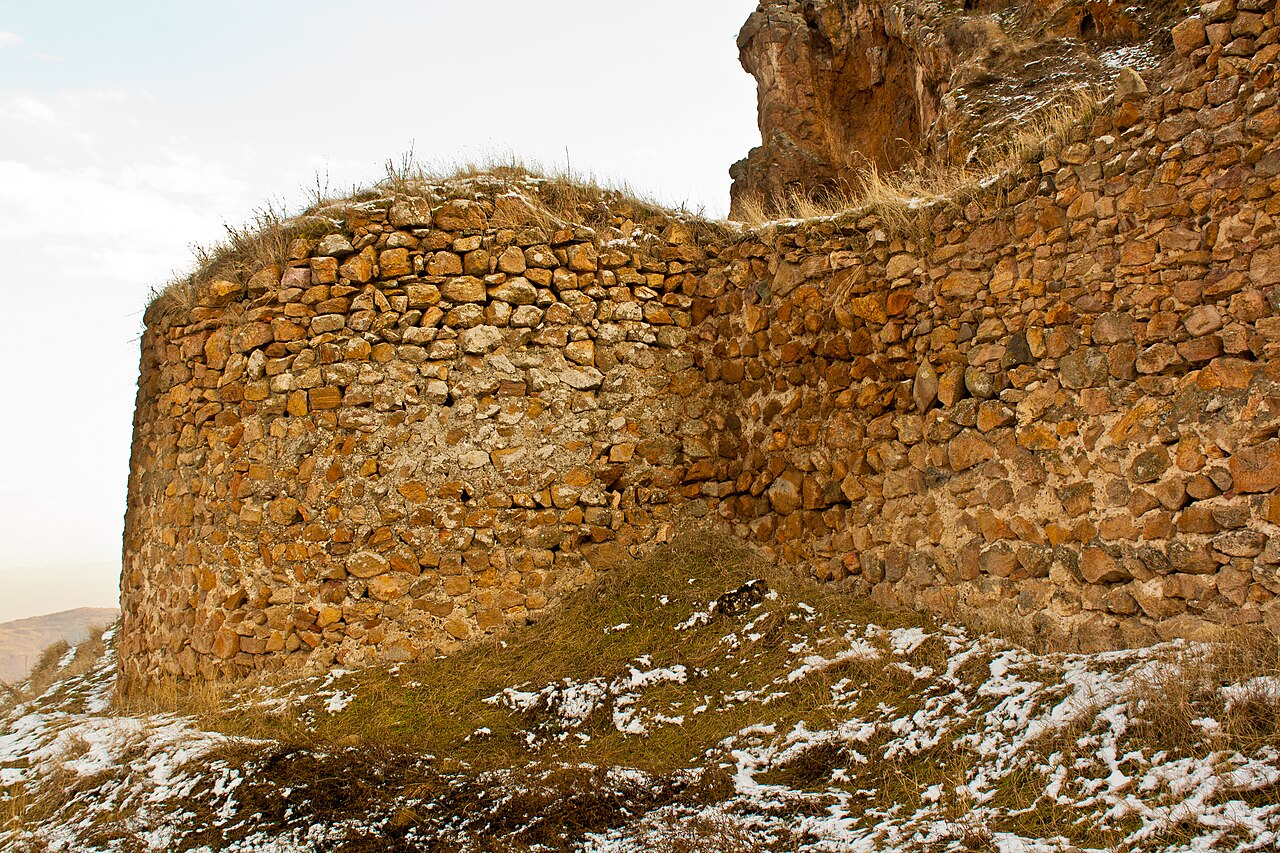
Today, Didivan Castle exists primarily as partially preserved ruins. While much of its original structure has been lost to time and natural erosion, significant portions of the walls and towers remain visible. These ruins offer valuable insights into medieval military architecture in Azerbaijan and serve as a cultural heritage site.

Conservation efforts aim to stabilize the remaining structures and protect the site from further deterioration. Visitors to Didivan Castle can explore the ruins and appreciate the strategic importance of its location.

Visiting Didivan Castle

Although the castle's exact city location is not widely documented, Didivan Castle attracts history enthusiasts interested in medieval fortifications and Azerbaijani heritage. Visitors should prepare for a hike up the hill to reach the site, as its elevated position is integral to its defensive design.

The site offers panoramic views of the surrounding countryside, making it a rewarding destination for those interested in history and nature alike.

Frequently asked questions (FAQ)

How do I get to Didivan Castle?
Didivan Castle is located in the picturesque region of Azerbaijan, accessible by car or public transportation from major cities like Baku. The journey offers scenic views of the surrounding landscapes, making it a pleasure for visitors. Local guides and maps are available to help you find the best route to the castle.
What is the historical significance of Didivan Castle?
Didivan Castle dates back to the 9th century and has played a crucial role in the region's defense throughout history. It served as a stronghold during various conflicts and reflects the architectural style of its time. The castle stands as a testament to Azerbaijan's rich cultural heritage and history.
When was Didivan Castle built?
Didivan Castle was constructed in the 9th century, showcasing the military architecture of that era. It has undergone several renovations over the centuries, preserving its historical integrity. The castle’s age adds to its allure as a significant landmark in Azerbaijani history.
Can I visit Didivan Castle year-round?
Yes, Didivan Castle is open to visitors year-round, allowing you to explore its historical and architectural wonders in any season. However, the best time to visit is during spring and autumn when the weather is mild. Check local resources for any potential seasonal events or closures.
Why is Didivan Castle considered an architectural marvel?
Didivan Castle is renowned for its unique blend of defensive architecture and stunning design elements. The castle's strategic location and robust walls illustrate the ingenuity of the builders in adapting to the surrounding landscape. Its well-preserved state allows visitors to appreciate the craftsmanship of historical Azerbaijani architecture.
Is it possible to take guided tours of Didivan Castle?
Yes, guided tours of Didivan Castle are available and highly recommended for a deeper understanding of its history and architecture. Knowledgeable guides can provide insights into the castle's past and the significance of various features. Be sure to check in advance for tour availability and booking options.
What are the opening hours of Didivan Castle?
Didivan Castle is typically open to visitors from 9 AM to 6 PM daily. However, it is advisable to check for any changes in hours during holidays or special events. Arriving earlier in the day may allow you to enjoy a less crowded experience.
What are the ticket prices for Didivan Castle?
Ticket prices for Didivan Castle are quite affordable, with discounts available for students and groups. As of the latest information, adult tickets are generally priced at around 5 AZN. Be sure to bring cash, as card payments may not be accepted on-site.
Are there nearby attractions to visit while in Didivan?
Yes, there are several attractions near Didivan Castle worth exploring, including local museums and natural parks. The surrounding area offers beautiful hiking trails and opportunities to experience Azerbaijani culture. Plan a day trip to fully immerse yourself in the history and beauty of the region.

Photo gallery

Didivan Castle
Click to view

Photo by Sefer azeri•CC0

1 photo • Click any image to view in full screen

Information

Hill Castle

Loading map...

Visitor reviews

No reviews yet. Been here? Write the first review and help other travelers!

Write the first review

Visited this castle? Share your experience

Your review helps other travelers and adds first-hand knowledge to our encyclopedia.
Write a review

(5/5)

0/2000 characters

Your review will be visible after admin approval

Nearby castles

9.1 km
Fortress of Goyazan — Azerbaijan castle

Fortress of Goyazan

, Azerbaijan

The fortress of Goyazan is a historic bastioned fortress located in the territory of modern-day Azerbaijan. Perched strategically on a hill, this fortress exemplifies medieval military architecture designed to provide robust defense against invaders. Its elevated position allowed defenders to monitor and control the surrounding landscape, a common feature for fortifications intended to secure key routes and settlements.Architectural features and designThe fortress is characterized by its bastioned walls, a defensive feature that emerged in the late medieval period to counter advances in siege technology, particularly artillery. These bastions protrude from the main curtain walls, enabling defenders to cover adjacent walls with crossfire, reducing blind spots and enhancing the fortress's defensive capability.Constructed primarily from local stone, the walls of the fortress are thick and robust, designed to withstand prolonged assaults. The layout likely includes multiple bastions spaced at intervals around the perimeter, connected by curtain walls, forming a polygonal or irregular shape adapted to the topography of the hill on which it stands.Defensive structuresIn addition to bastions, the fortress would have featured other typical defensive elements such as gatehouses, arrow slits, and possibly a moat or ditch to impede attackers. The elevated position itself serves as a natural defense, making direct assaults challenging.Historical context and significanceWhile specific historical records about the fortress of Goyazan are limited, its architectural style and defensive features suggest construction during the late medieval period, when the region was frequently contested by various local powers and external invaders. The fortress would have served as a military stronghold, protecting nearby settlements and trade routes.The fortress's location in Azerbaijan places it within a region historically influenced by Persian, Ottoman, and Russian empires, each leaving marks on the area's fortification styles and military architecture. The fortress of Goyazan thus reflects the strategic importance of controlling high ground and securing borders in this geopolitically sensitive area.Preservation and current conditionToday, the fortress of Goyazan remains a significant cultural and historical landmark. Its walls and bastions are partially preserved, allowing visitors to appreciate the scale and design of this medieval bastioned fortress. Conservation efforts aim to protect the remaining structures from further deterioration while enabling educational and touristic use.Access to the fortress offers panoramic views of the surrounding landscape, emphasizing its original defensive purpose. Visitors can explore the ruins and gain insight into the military architecture of the period and the historical conflicts that shaped the region.Visiting information and accessibilityThe fortress is accessible to visitors interested in history, architecture, and scenic views. While facilities may be limited due to its remote location, the site provides a tangible connection to Azerbaijan's medieval past. Visitors should prepare for uneven terrain and bring appropriate footwear for exploring the hilltop ruins.Guided tours or informational materials may be available locally to enhance understanding of the fortress's historical and architectural significance.

Late Medieval (14th–15th c.)
Details
20.8 km
Tavush Fortress — Armenia castle

Tavush Fortress

, Armenia

Tavush Fortress is a medieval fortress ruin located in the Tavush region of northeastern Armenia. This fortress represents a significant example of Armenia's rich military architectural heritage, dating back to the medieval period. Though now in a state of ruins, Tavush Fortress offers valuable insights into the defensive strategies and construction techniques employed during its time. Historical context and significance The fortress was strategically positioned to oversee and protect the surrounding region, which was historically a frontier zone vulnerable to invasions and conflicts. Its location in the Tavush region, known for its rugged terrain and dense forests, provided natural defenses that were augmented by the fortress's man-made fortifications. The exact date of construction is not precisely documented, but architectural features suggest it was built during the medieval period, possibly between the 10th and 13th centuries. Tavush Fortress played a role in guarding trade routes and served as a military stronghold for local Armenian rulers. It was part of a network of fortifications that helped secure the region against various incursions, including those by Seljuk Turks and other invading forces during the Middle Ages. Architectural features and layout The fortress was constructed primarily from local stone, utilizing the natural rocky outcrops to enhance its defensive capabilities. Although much of the structure has deteriorated over time, the remaining walls and foundations reveal a typical medieval Armenian fortress design, characterized by thick defensive walls, towers, and a central courtyard. The walls were built with large, roughly hewn stones, fitted together without mortar in some sections, a technique common in Armenian fortifications of the time. The fortress included several towers that were used for observation and defense, positioned to provide overlapping fields of fire against attackers. The entrance was likely fortified with a gatehouse and possibly a drawbridge, although these features are no longer extant. Defensive structures Battlements and parapets along the walls allowed defenders to repel attackers while remaining protected. The fortress's elevated position on a hilltop or rocky ridge made direct assaults difficult, forcing enemies to contend with both natural and artificial obstacles. Current condition and archaeological importance Today, Tavush Fortress stands as archaeological ruins, with significant portions of its walls collapsed or eroded. Despite this, the site remains an important cultural and historical landmark in Armenia. Archaeological studies have helped to document the fortress's layout and construction methods, contributing to a broader understanding of Armenian medieval fortifications. The ruins are accessible to visitors interested in Armenia's medieval history and military architecture, although the site is not extensively developed for tourism. Its remote location and rugged surroundings provide a sense of the fortress's original defensive purpose. Visiting tavush fortress Visitors to Tavush Fortress should be prepared for a hike through uneven terrain to reach the site. The fortress offers panoramic views of the surrounding Tavush region, making the journey rewarding for those interested in history and nature. There are no formal visitor facilities, so it is advisable to plan accordingly.

Details
27.7 km
Berdavan Fortress — Armenia castle

Berdavan Fortress

Berdavan, Armenia

Berdavan Fortress (Armenian: Բերդավանի ամրոց; also known as Ghalinjakar Fortress) is a significant early medieval bastioned fortress located in the Tavush Province of Armenia, near the village of Berdavan and close to the border with Azerbaijan. Positioned at an elevation of 664 metres (2,178 feet) above sea level, this fortress occupies a strategic hilltop site that historically provided commanding views over the surrounding landscape and served as a defensive stronghold in the region.The fortress is believed to have been constructed in the 10th century, during a period when Armenia faced numerous military threats from neighboring powers. Its design reflects typical early medieval military architecture with features adapted to the rugged terrain and the defensive needs of the time. Berdavan Fortress is classified as a bastioned fortress, indicating the presence of projecting bastions or towers that allowed defenders to cover adjacent walls with crossfire, an advanced feature for fortifications of its era.Architectural features and layoutBerdavan Fortress is built primarily from local stone, with thick defensive walls enclosing an irregularly shaped courtyard adapted to the contours of the hilltop. The fortress walls are reinforced by several bastions or projecting towers, which were designed to provide overlapping fields of fire and to strengthen the fortress against siege engines and infantry assaults.The main entrance to the fortress is fortified and likely included a gatehouse with defensive mechanisms such as portcullises or murder holes, typical of fortresses designed to withstand prolonged attacks. Inside the walls, remnants of residential buildings, storage rooms, and possibly a chapel or religious structure can be found, indicating that the fortress served both military and administrative functions.Defensive advantages of the locationThe fortress's hilltop position at 664 metres elevation gave it a commanding view over the surrounding valleys and routes, allowing early detection of enemy movements. This vantage point was crucial for controlling the border region and protecting local settlements from incursions. The natural steep slopes around the fortress enhanced its defensibility, making direct assaults difficult.Historical context and significanceConstructed in the early medieval period, Berdavan Fortress played a role in the complex military and political landscape of medieval Armenia. During the 10th century, Armenia was often contested by various regional powers including Byzantine, Arab, and later Seljuk forces. Fortresses like Berdavan were essential for local lords and military commanders to maintain control over territories and to safeguard trade routes.While detailed historical records specific to Berdavan Fortress are limited, its strategic location near the modern border with Azerbaijan highlights its continued importance through centuries of conflict in the region. The fortress likely witnessed numerous skirmishes and served as a refuge for local populations during times of invasion.Preservation and current conditionToday, Berdavan Fortress remains in a partially preserved state. Many sections of the defensive walls and bastions survive, though some parts have succumbed to natural erosion and human activity over the centuries. The site is accessible to visitors interested in Armenian medieval history and military architecture, offering insight into the defensive strategies employed in the region during the early medieval period.Efforts to maintain and protect Berdavan Fortress contribute to the preservation of Armenia's cultural heritage and provide opportunities for archaeological study and tourism development in the Tavush Province.Visiting Berdavan FortressVisitors to Berdavan Fortress can explore the ruins and enjoy panoramic views of the surrounding Tavush landscape. The fortress's location near the village of Berdavan makes it accessible by road, though the terrain requires some walking uphill. The site is open year-round, with the best visiting conditions in late spring through early autumn when weather is favorable.While there are no formal visitor facilities on site, the fortress offers a compelling destination for those interested in medieval military architecture, Armenian history, and scenic natural surroundings.

Early Medieval (5th–10th c.)
Details