Fortim dos Bandeirantes — Brazil castle

Fortim dos Bandeirantes

Fortim dos Bandeirantes

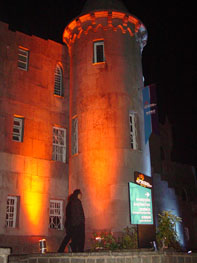
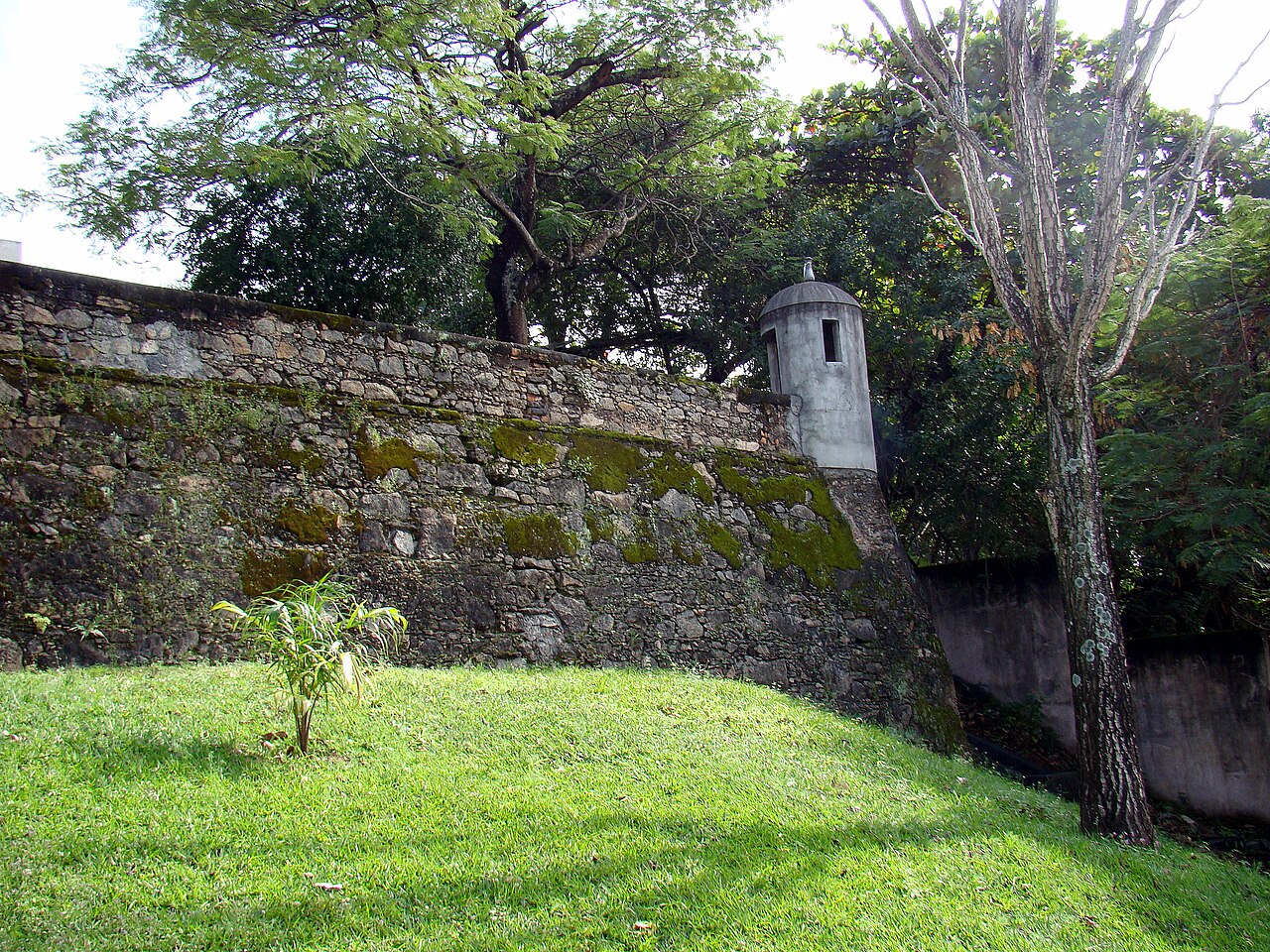
Fortim dos Bandeirantes is a historic fortress located in Brazil, notable for its strategic position atop a hill, characteristic of hill castles. This type of castle was typically constructed to provide a commanding view of the surrounding landscape, enhancing defense capabilities against potential invaders. The fort played a role in the colonial period of Brazil, reflecting the military architecture and defensive needs of the era.

Historical background and significance

The name "Bandeirantes" refers to the 17th-century Portuguese settlers and explorers in Brazil, known for their expeditions into the interior of the country. While specific records about the construction and use of Fortim dos Bandeirantes are limited, it is associated with the colonial efforts to secure territories and protect settlements from indigenous groups and rival colonial powers. The fort likely dates back to the early colonial period, when such military installations were essential for maintaining control over newly claimed lands.

Architectural features and construction

The fort is classified as a hill castle, built on elevated terrain to maximize defensive advantage. Its design would typically include thick stone walls, bastions or watchtowers for surveillance, and a central courtyard. The construction materials were likely sourced locally, utilizing stone and mortar to withstand attacks and the tropical climate. The fort's layout would have been practical, focusing on defense and the accommodation of a garrison.

Defensive structures

Key architectural elements of Fortim dos Bandeirantes include ramparts and battlements designed to repel attackers. The elevated position provided natural protection, while man-made fortifications enhanced security. The presence of embrasures or cannon ports would have allowed defenders to use artillery effectively.

Interior and facilities

Inside the fort, there would have been quarters for soldiers, storage rooms for ammunition and supplies, and possibly a small chapel or command center. The interior spaces were functional, built to support the fort's military purpose rather than comfort.

Role in regional defense and colonial expansion

Fortim dos Bandeirantes served as a military outpost during a period when Portuguese colonial authorities sought to consolidate their control over Brazilian territories. The fort's strategic location on a hill allowed it to monitor movements and provide early warning of threats. It was part of a network of forts that helped secure trade routes and settlements against indigenous resistance and incursions by other European powers.

Current condition and preservation

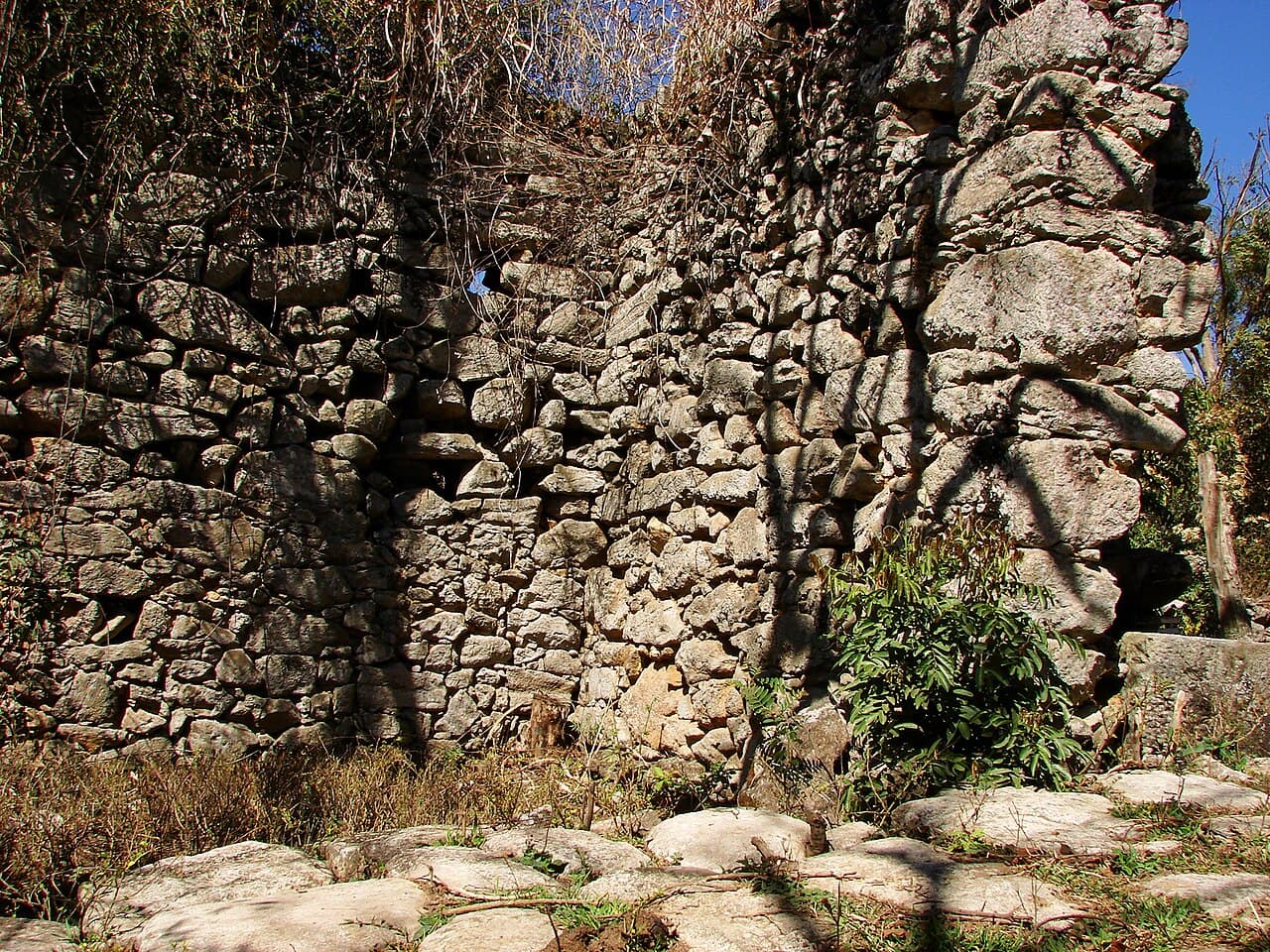
The fort's current condition is not extensively documented, but like many colonial-era fortifications in Brazil, it may be partially preserved or in ruins. Efforts to maintain such sites vary, with some receiving restoration to promote cultural heritage tourism, while others remain archaeological sites reflecting the passage of time and historical change.

Visiting Fortim dos Bandeirantes

Visitors interested in colonial military architecture and Brazilian history may find Fortim dos Bandeirantes a significant site, though access and facilities depend on local management. Exploring the fort provides insight into the defensive strategies and colonial dynamics of Brazil's past.

Nearby attractions

The region surrounding the fort may offer additional historical and natural attractions, including other colonial sites, museums, and landscapes typical of Brazil's diverse geography.

Frequently asked questions (FAQ)

What is Fortim dos Bandeirantes and where is it located?
Fortim dos Bandeirantes is a historic hilltop fortress in Brazil, built during the colonial period to defend settlements and control territory.
Can visitors explore Fortim dos Bandeirantes today?
Access to Fortim dos Bandeirantes depends on local management; visitors interested in colonial military architecture may find the site significant.
What architectural features characterize Fortim dos Bandeirantes?
The fort features typical hill castle elements such as thick stone walls, battlements, and watchtowers designed for defense and surveillance.

Photo gallery

Fortim dos Bandeirantes
Click to view

Photo by Glauco Umbelino from Diamantina, Brasil•CC BY 2.0

1 photo • Click any image to view in full screen

Information

Hill Castle

Loading map...

Visitor reviews

No reviews yet. Been here? Write the first review and help other travelers!

Write the first review

Visited this castle? Share your experience

Your review helps other travelers and adds first-hand knowledge to our encyclopedia.
Write a review

(5/5)

0/2000 characters

Your review will be visible after admin approval

Nearby castles

220.7 km
Itaipava Castle — Brazil castle

Itaipava Castle

Rio de Janeiro, Brazil

Itaipava Castle is a remarkable example of early 20th-century architecture inspired by medieval European castles, located in the mountainous region of Rio de Janeiro, Brazil. Constructed in 1920, the castle was designed to evoke the grandeur and authenticity of medieval stone fortifications, featuring intricately carved stones that contribute to its imposing and romantic appearance. This castle stands out as a unique heritage site in Brazil, where genuine medieval-style castles are rare, blending historical architectural elements with modern functionality. History and architectural significance The castle's construction in 1920 was part of a broader architectural trend in Brazil during the early 1900s, where European styles were admired and emulated by the elite. Itaipava Castle was built with the intention of creating an authentic medieval atmosphere, using real carved stones to replicate the solidity and texture of ancient castles. Though not a medieval fortress in the traditional sense, its design faithfully captures the essence of medieval architecture, making it a significant cultural landmark in the Rio de Janeiro region. Over the decades, Itaipava Castle has maintained its structural integrity and aesthetic appeal, thanks to careful preservation efforts. It serves as a physical reminder of the fascination with medieval European culture and architecture that influenced Brazilian architecture in the early 20th century. Architectural features and layout The castle is constructed primarily from carved stone, which gives it a robust and timeless appearance. Its design includes typical medieval castle elements such as battlements, towers, and arched windows, all crafted to enhance the historic ambiance. The stonework is detailed and precise, reflecting skilled craftsmanship aimed at authenticity. Itaipava Castle encompasses 22 suites, each uniquely decorated to blend medieval motifs with modern comfort. The interior architecture respects the castle's external medieval style while providing contemporary amenities, making it suitable for hospitality use. The layout is designed to accommodate guests comfortably while preserving the castle's historic charm. Current use as a hotel and event venue Today, Itaipava Castle operates as a hotel, offering visitors a chance to experience the grandeur of a medieval castle with modern conveniences. Its 22 suites provide distinctive decor and a luxurious atmosphere, attracting guests seeking unique accommodations in the Rio de Janeiro area. The castle is also a popular venue for weddings, corporate events, and private celebrations. Its romantic and historic setting provides a memorable backdrop, combining the allure of medieval architecture with the natural beauty of the surrounding landscape. Location and visitor information Situated in the scenic mountainous region of Rio de Janeiro state, Itaipava Castle benefits from a temperate climate and picturesque surroundings. The location enhances the castle's appeal as a destination for tourists and event planners alike. Visitors interested in exploring the castle's architecture and history can enjoy guided tours, which highlight its unique construction and the story behind its creation. The castle's accessibility and hospitality services make it a favored spot for those wishing to immerse themselves in a medieval-inspired experience within Brazil.

Post-Renaissance (17th–18th c.)
Details
233 km
Castelo Montebello — Brazil castle

Castelo Montebello

, Brazil

Castelo Montebello is a distinctive hill castle located in Brazil, constructed in the 20th century. As a relatively modern castle, it stands apart from the medieval fortifications commonly associated with castles, reflecting the architectural and cultural influences of the contemporary period. Historical context and significance Unlike many castles built for military defense during the medieval era, Castelo Montebello was constructed in the 20th century, a time when castles were often built more for aesthetic, residential, or symbolic purposes rather than as fortresses. Its location on a hill aligns with traditional castle siting strategies, providing commanding views of the surrounding landscape and a sense of prominence. The castle represents an example of how castle architecture was adapted in Brazil during the modern era, possibly influenced by European styles but tailored to local tastes and materials. While it does not have a medieval origin, it contributes to Brazil's architectural diversity and cultural heritage by embodying the romanticized ideals of castle design in a contemporary context. Architectural features and style Castelo Montebello exhibits characteristics typical of hill castles, including elevated positioning and robust construction. Although specific architectural details are less documented, it likely incorporates elements reminiscent of traditional European castles, such as towers, battlements, and fortified walls, adapted for modern construction techniques and purposes. The castle's design may blend stylistic influences, potentially including neo-Gothic or other revivalist movements popular in the 19th and 20th centuries, although precise classification requires further study. Its construction in the 20th century suggests the use of contemporary building materials and methods, possibly combining stone, concrete, and brickwork. Location and environment Situated on a hill, Castelo Montebello benefits from natural elevation, offering strategic views and an imposing presence in the landscape. The Brazilian setting provides a unique backdrop, integrating the castle into the diverse topography and climate of the region. The surrounding environment likely includes native vegetation and terrain that enhance the castle's aesthetic and defensive qualities. Current status and accessibility The castle's current condition is generally well preserved or maintained, typical for structures built in the modern era. It may serve as a private residence, cultural site, or tourist attraction, although specific information about ownership and public access is limited. Visitors interested in exploring Castelo Montebello should seek local guidance for access details and visiting hours. Architectural and cultural importance While Castelo Montebello does not share the centuries-old history of medieval castles, it stands as a testament to the enduring appeal of castle architecture. Its presence in Brazil highlights the global influence of European castle design and the adaptation of these forms in new contexts and eras. The castle contributes to the architectural landscape by merging historical motifs with contemporary construction, offering insight into 20th-century interpretations of fortress aesthetics.

Contemporary (20th–21st c.)
Details
270.1 km
Fortim de Caetano Madeira — Brazil castle

Fortim de Caetano Madeira

, Brazil

Fortim de Caetano Madeira is a historic fortress located in Brazil, notable for its strategic position atop a hill which classifies it as a hill castle. This fortification served as a military defense structure during the colonial period, playing a role in protecting the surrounding region from potential invasions and controlling important routes.Historical context and significanceThe fort was constructed during the era of European colonial expansion in South America, when Portugal sought to secure its territories in Brazil against rival colonial powers and indigenous resistance. Although precise construction dates and detailed historical records are scarce, Fortim de Caetano Madeira reflects the typical military architecture used by Portuguese colonial forces in the region.Its location on elevated terrain provided a commanding view of the surrounding landscape, which was crucial for early warning against enemy advances and for controlling nearby waterways or land routes. Such forts were integral to the colonial defense network, often linked to larger forts or settlements.Architectural featuresAs a hill castle, the fort's design emphasizes natural topography for defense. The structure likely includes thick masonry walls adapted to the uneven terrain, with bastions or platforms for mounting artillery. The use of local stone and materials would have been common, blending European military design with regional construction techniques.Typical features of colonial Brazilian forts include a compact layout with a central courtyard, ramparts with parapets, and limited access points to enhance security. The fort may also have housed barracks, storage rooms for ammunition, and a cistern to collect rainwater, ensuring sustainability during sieges.Current condition and preservationInformation about the current physical state of Fortim de Caetano Madeira is limited. Like many colonial-era forts in Brazil, it may be partially preserved or in ruins due to centuries of exposure to natural elements and limited restoration efforts. Preservation of such sites is important for cultural heritage and offers insights into colonial military strategies and architecture.Visiting and cultural importanceWhile detailed visitor information is not widely documented, forts like Fortim de Caetano Madeira often attract tourists interested in history, architecture, and scenic views. Their hilltop locations provide panoramic vistas and opportunities for hiking and exploration.Preserving and promoting these sites contributes to understanding Brazil's colonial past and the complex interactions between European settlers and indigenous populations. They also serve as tangible connections to the military history that shaped regional development.

Details