Fort of Saint Antony of Gurupá
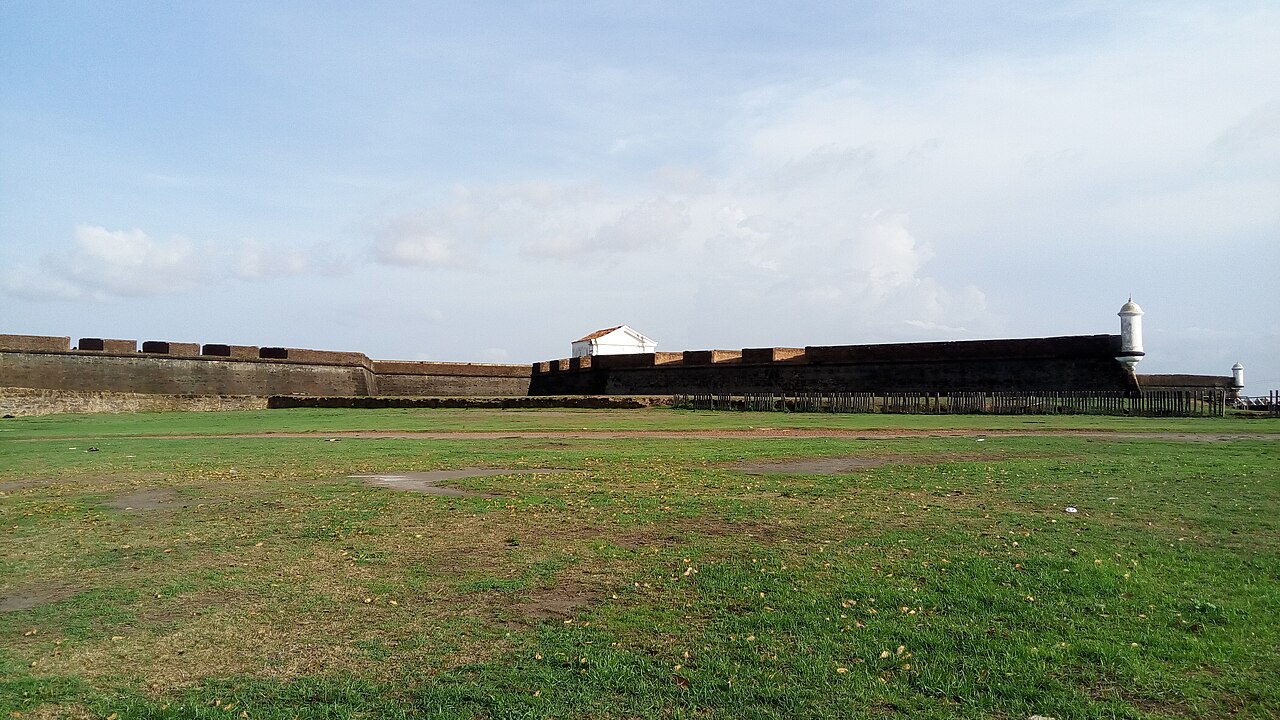
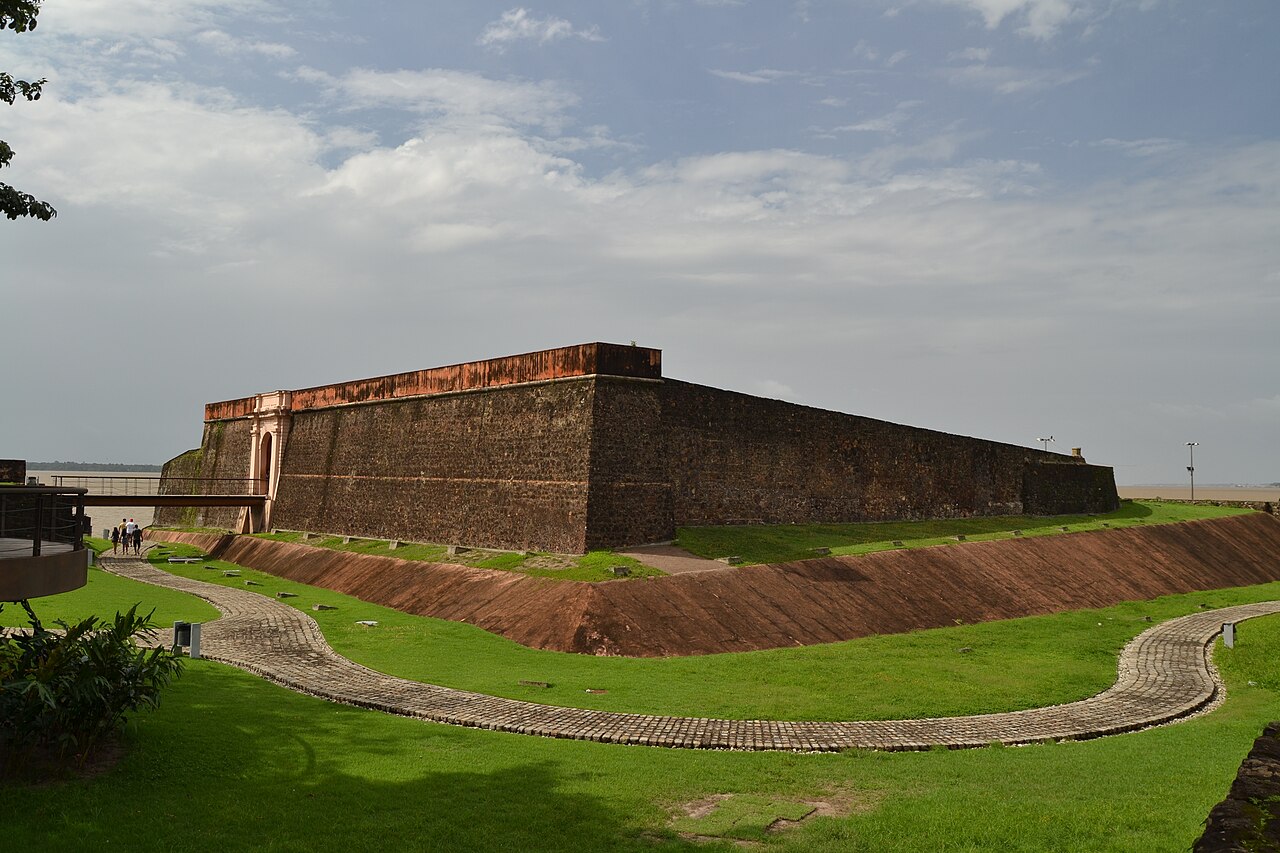
The Fort of Santo Antônio de Gurupá is a significant bastioned fortress located in the city of Gurupá, Brazil. Constructed originally in the early 17th century, the fort played a crucial role in the colonial military history of the Amazon region. It stands as a testament to the strategic importance of river fortifications during the Renaissance period and the early colonial struggles between European powers in South America.
Origins and early history
The fort was initially built by the Dutch between 1601 and 1619 during their attempts to establish control over parts of northern Brazil. This early fortification was part of the Dutch strategy to dominate the Amazon River and its tributaries, which were vital for trade and territorial control. The original structure likely featured the typical bastioned design common in European military architecture of the time, intended to withstand artillery attacks and provide overlapping fields of fire.
In 1623, the fort was captured by Portuguese forces led by Pedro Teixeira and Bento Maciel Parente. Following the conquest, the Portuguese rebuilt and expanded the fort, renaming it Santo Antônio de Gurupá. This reconstruction reinforced its defensive capabilities and established it as a key military outpost for the Portuguese Empire in the Amazon basin.
Architectural features and military significance
The fort exemplifies the bastioned fortress style, characterized by angular bastions projecting from the walls to enable defensive gunfire coverage along the curtain walls. This design was integral to the fort’s ability to repel attacks from both riverborne and land-based forces. The walls were constructed using local materials, adapted to the humid tropical climate of the Amazon region.
Inside the fort, there were various facilities including barracks, storage rooms, and a chapel, which served the garrison stationed there. The layout was functional, emphasizing defense and the capacity to withstand sieges. The fort’s location on the banks of the Amazon River allowed it to control river traffic and protect Portuguese interests against rival colonial powers and indigenous groups.
Role through the centuries
Throughout the 17th and 18th centuries, the Fort of Santo Antônio de Gurupá remained an active military installation. It was a focal point in the defense of Portuguese Brazil against incursions by the Dutch and other European powers. The fort also played a role in the local administration and control of the surrounding territory.
By the mid-20th century, the fort was still garrisoned by a small detachment of the Brazilian Army's 8th Military Region, demonstrating its continued strategic importance. However, as military technology and tactics evolved, the fort’s defensive role diminished.
Restoration and current status
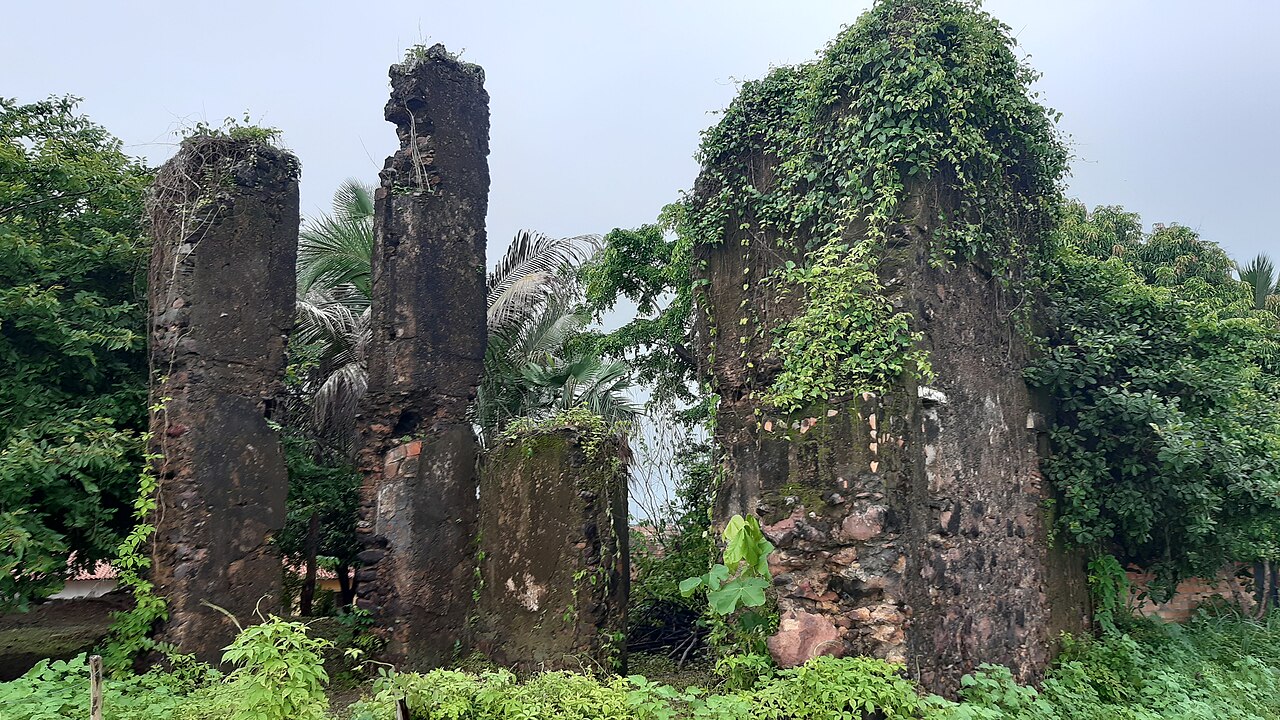
Between 2014 and 2018, the fort underwent a significant restoration project aimed at preserving its historical and architectural heritage. This restoration was accompanied by archaeological excavations that uncovered artifacts shedding light on the fort’s past and the daily lives of its occupants. The findings are now exhibited in a small museum housed within the fort, providing visitors with insight into the region’s colonial history and military architecture.
The fort was officially re-inaugurated on 20 April 2018, marking its transformation into a cultural and historical site. Unfortunately, in September 2020, during the COVID-19 pandemic, the museum inside the fort suffered vandalism, highlighting the challenges of preserving heritage sites.
Visiting the fort
Today, the Fort of Santo Antônio de Gurupá is accessible to visitors interested in Brazil’s colonial history and military architecture. The site offers a unique glimpse into the Renaissance-era bastioned fortress design adapted to the Amazonian environment. Its museum showcases archaeological artifacts recovered during recent excavations, enriching the visitor experience.
The fort’s location in Gurupá makes it an important cultural landmark in the region, attracting tourists and researchers alike. Its preservation contributes to understanding the complex colonial dynamics and military strategies employed in South America during the 17th century.
Frequently asked questions (FAQ)
- What is the historical significance of the Fort of Saint Antony of Gurupá?
- The Fort of Saint Antony of Gurupá, built in the 18th century, played a crucial role in the defense against invasions and piracy in the Amazon region. It symbolizes Brazil's colonial military architecture and reflects the strategic importance of the Amazon River as a trade route during that era.
- When was the Fort of Saint Antony of Gurupá built?
- The construction of the Fort of Saint Antony of Gurupá began in 1765 and was completed in 1770. It served as a military fortification until its deactivation in the 19th century, making it a significant historical site in Brazil.
- Can I visit the Fort of Saint Antony of Gurupá?
- Yes, the Fort of Saint Antony of Gurupá is open to visitors. You can explore its rich history and enjoy the scenic views of the surrounding area, making it a popular destination for tourists and history enthusiasts.
- What are the opening hours for the Fort of Saint Antony of Gurupá?
- The Fort of Saint Antony of Gurupá is typically open to visitors from 9 AM to 5 PM, but it's advisable to check local listings for any changes or special events. Planning your visit during these hours will ensure you have ample time to explore the fort.
- Is it possible to access the Fort of Saint Antony of Gurupá by public transportation?
- Yes, the fort is accessible by public transportation, though options may be limited. Visitors can take local buses or taxis from nearby towns, and it's recommended to plan your route in advance for a smoother trip.
- What is the best time to visit the Fort of Saint Antony of Gurupá?
- The best time to visit the Fort of Saint Antony of Gurupá is during the dry season, which runs from June to December. This period offers more favorable weather conditions, allowing for a more enjoyable exploration of the fort and its surroundings.
- Are there any nearby attractions to the Fort of Saint Antony of Gurupá?
- Yes, nearby attractions include the beautiful Amazon rainforest and local markets where you can experience the culture of Gurupá. Additionally, there are opportunities for boat tours along the Amazon River, making it an excellent day trip destination.
- What are the ticket prices for visiting the Fort of Saint Antony of Gurupá?
- Admission to the Fort of Saint Antony of Gurupá is usually free, allowing visitors to appreciate its historical significance without any cost. However, it’s a good idea to check for any special guided tours that may have a fee associated with them.
Photo gallery

Photo by National Institute of Historic and Artistic Heritage (IPHAN), Brazil•CC BY-SA 4.0
Information
Loading map...
Visitor reviews
No reviews yet. Been here? Write the first review and help other travelers!
Write the first reviewVisited this castle? Share your experience
Your review helps other travelers and adds first-hand knowledge to our encyclopedia.